SIEGA VERDE

A book on rock art in the open air

Text: José Manuel Gutiérrez
Photographers: Cardinalia Comunicación

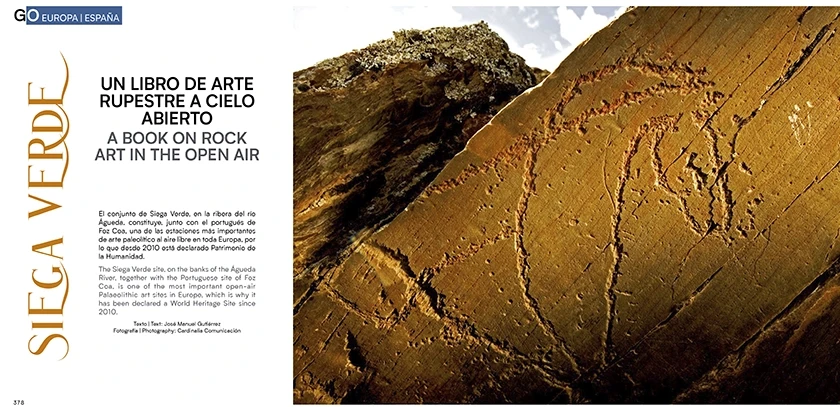
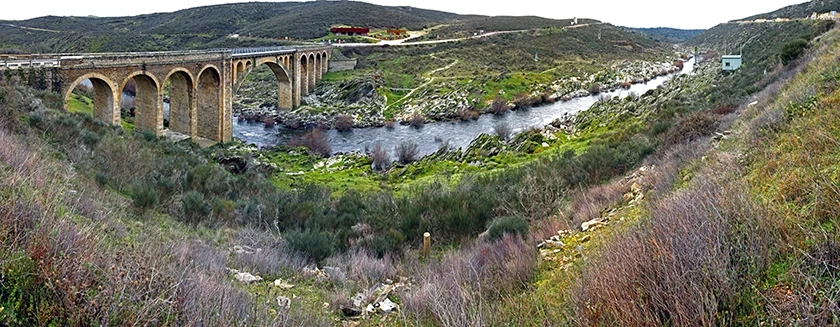
The Siega Verde site, on the banks of the Águeda River, together with the Portuguese site of Foz Coa, is one of the most important open-air Palaeolithic art sites in Europe, which is why it has been declared a World Heritage Site since 2010.

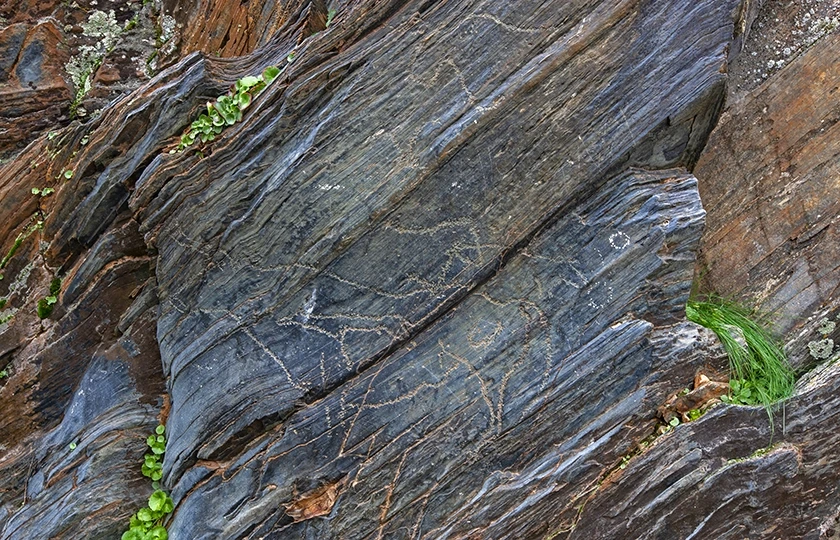
From around 20,000 years ago until 12,000 BC, long before the great ceiling of Altamira was decorated, nomadic populations of hunters and gatherers frequented this natural ford prior to the river fording in Las Arribes in Salamanca, very close to the current Spanish-Portuguese border line and where, no doubt, they coincided with herds of quadrupeds whose hunting provided them with vital sustenance in those harsh conditions. These populations turned the rocks on the banks of the river into panels for their engravings, on which they depicted the scenes and species of the raids, executed with punches, in a naturalistic style that was as simple as it was effective.

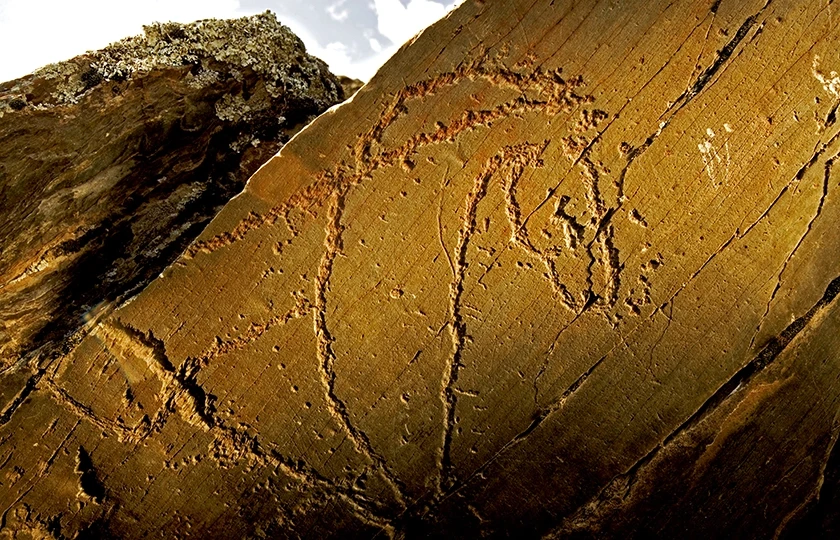
Equines, bovines, cervids, caprids, or canids depicted in Siega Verde

This practice, bearing in mind that almost all the representations are hunting pieces, must have been intended to stimulate the capture and fertility of certain species, in an exercise of sympathetic or propitiatory magic, since, represented, the animals were summoned to procreate and to show themselves to be hunted. Even so, the pairing of different species (horse-bovine) could point to more complex meanings, such as the association of masculine and feminine principles. Even its function as a territorial marker of a hunting ground or the dedication of this space as a sanctuary are options that researchers are considering.

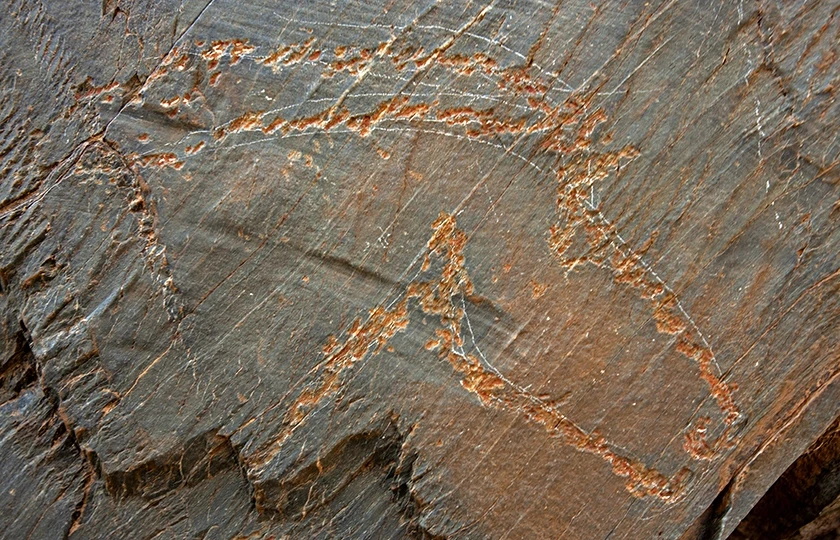
Excellent engraving of a horse's head

More than 600 figures

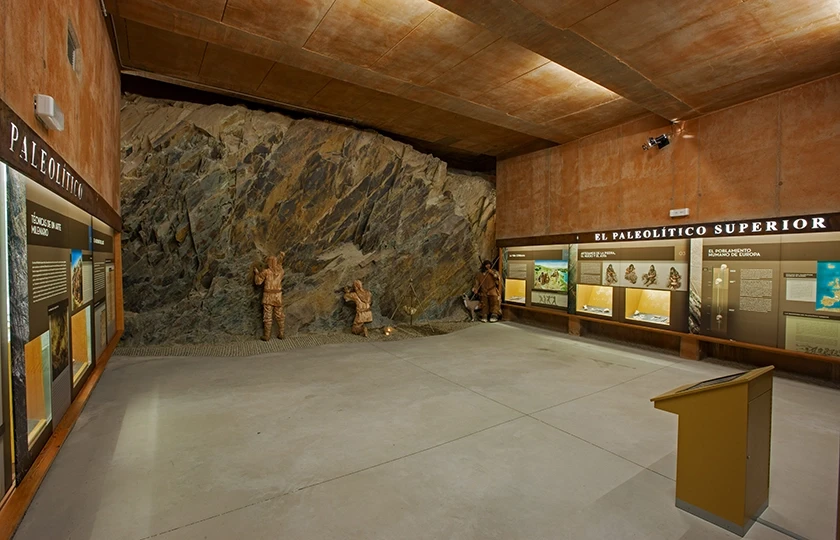
The stony catalogue of Siega Verde is made up of almost a hundred canvases with more than 600 figures: equines, bovids, cervids, caprids and canids, including species that became extinct during the ice age, such as the woolly rhinoceros or the enormous deer known as megaceros. The route along the banks of the river, following the signposted route (only in groups of no more than 15 people), allows us to observe some of the most relevant sites, so it is highly recommended to make a previous visit to the Aula Arqueológica in order to contextualise and appreciate this magical place in all its magnitude. The guided tour by night is very interesting and educational, because with artificial lighting it is possible to appreciate details and figures that go unnoticed in daylight.

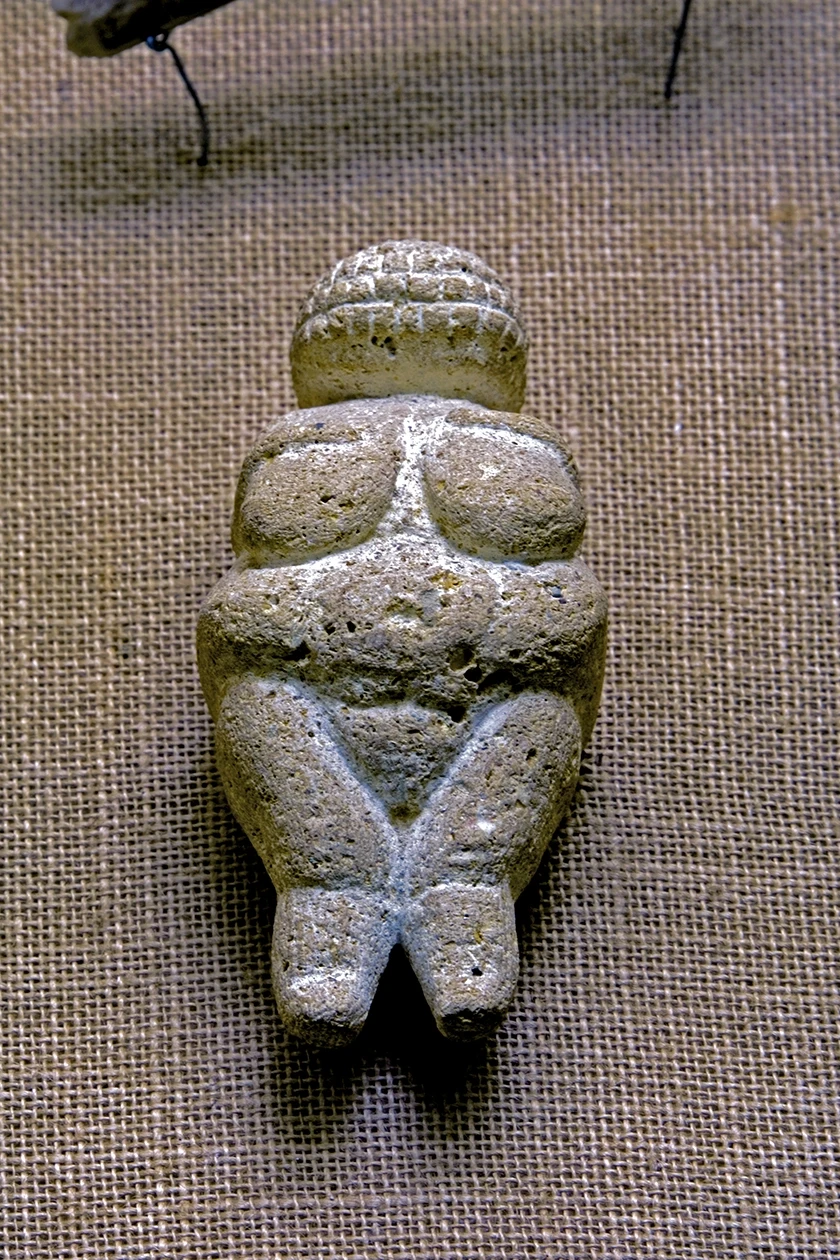
Piece found in Siega Verde

Their groupings evoke seemingly disorderly herds, but it is necessary to take into account the different spatial conventions of Palaeolithic societies. The plastic strength and concision of means for such modern and suggestive results is remarkable: just a few loose strokes fully identify a deer that turns its face haughty and full of vitality. In any case, this must have been a space inhabited seasonally, both by men and beasts in full dependence of the former on the latter, leaving today the testimony of recognition and tribute through this millenary tribute.

Siega Verde Interpretation Centre

Ciudad Rodrigo, the starting point of this trip

As a point of reference for a visit to Siega Verde, there is nothing better than Ciudad Rodrigo, the Mirobrigian city that towers above the heights of this borderland.

Ciudad Rodrigo stands out as one of the most important historical sites in Western Spain, as it is home to an important tangible and intangible heritage from prehistoric times to the present day, sheltered by its walled enclosure and guarded by its castle, now a Parador de Turismo.

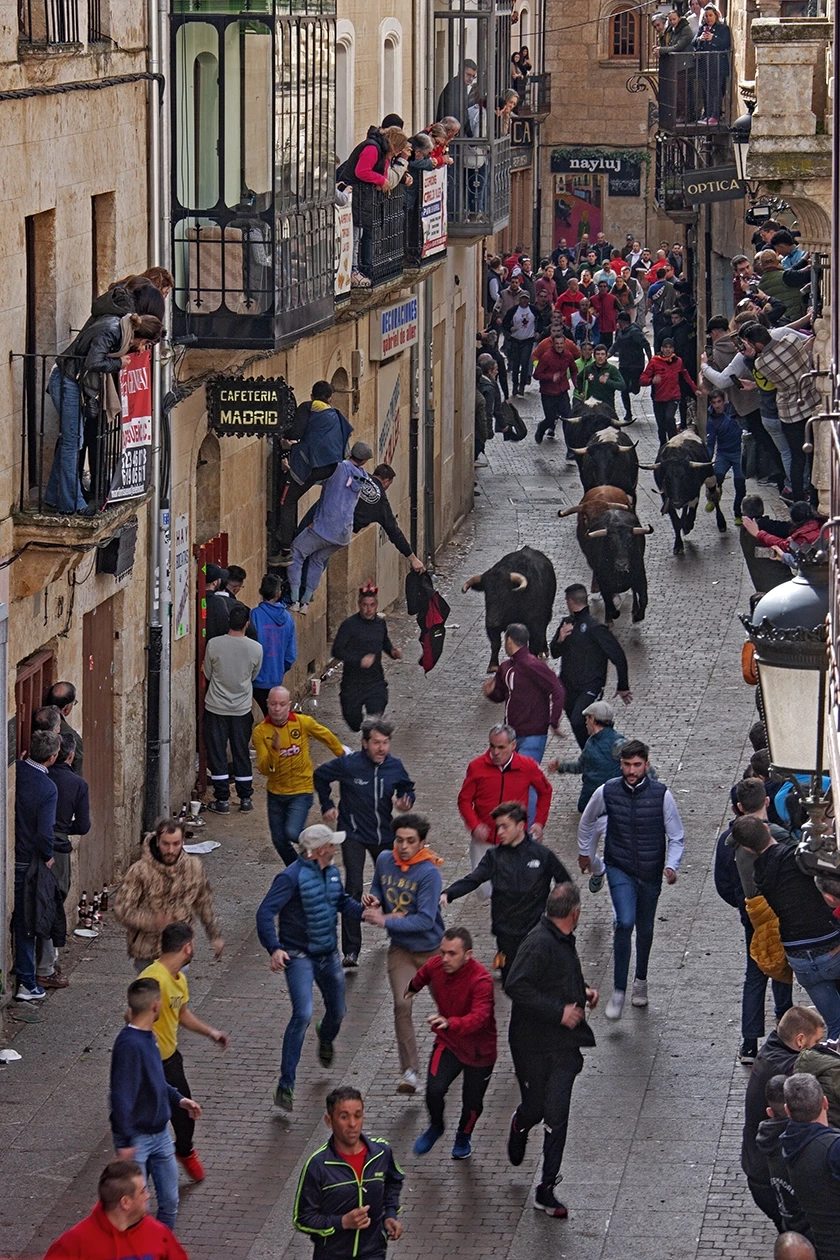
Carnival of the Bull of Ciudad Rodrigo

From the cathedral of Santa María to its medieval streets, passing through the infinite array of palaces, noble houses and churches, everything oozes a rich culture and a history full of singularities. This originality also extends to its celebrations, which include the Carnival of the Bull, possibly the oldest in Spain, characterised by the traditional running of the bulls, which are brought from the nearby pastures by skilled horsemen to the rectangular bullring in the Plaza Mayor. But Ciudad Rodrigo is also music, literature, plastic arts, gastronomy, traditions and everything the curious traveller needs to remember a place.


https://siegaverde.es/

https://turismociudadrodrigo.com/
Haz click en la imagen y visita nuestra edición clásica
Siega Verde Cave Station, declared a World Heritage Site
Texto: José Manuel Gutiérrez
Fotografías: Cardinalia Comunicación