

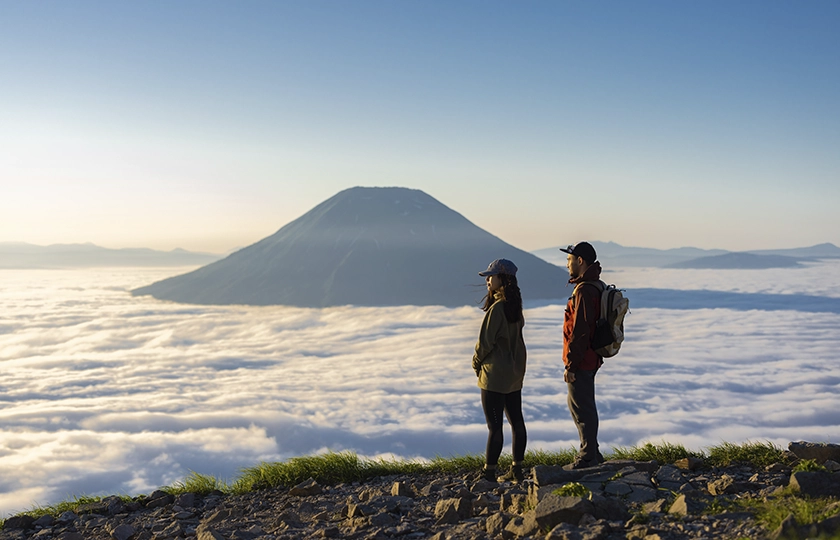
- The northernmost island of Japan is emerging as an alternative to traditional destinations.
- Wild nature, world-class snow and first-class cuisine define its tourist appeal throughout the year.
Hokkaido, Japan’s second largest island and still largely unknown to many British travellers, is preparing to become one of the most attractive international destinations in 2026. Located in the north of the country and only an hour and a half’s flight from Tokyo, this region combines unspoilt nature, a cold climate that guarantees the best snow in the world in winter and creates a climatic refuge in summer, first-class cuisine and a different way of discovering Japan, far from the most crowded circuits.
The journey is already part of the experience. The shinkansen connects the Japanese capital with Hakodate in less than five hours, passing through the world’s deepest undersea railway tunnel. For those who prefer a more leisurely journey, the Tsugaru Strait can also be crossed by ferry from Aomori, with open views of the sea.
Wild nature and wide open spaces
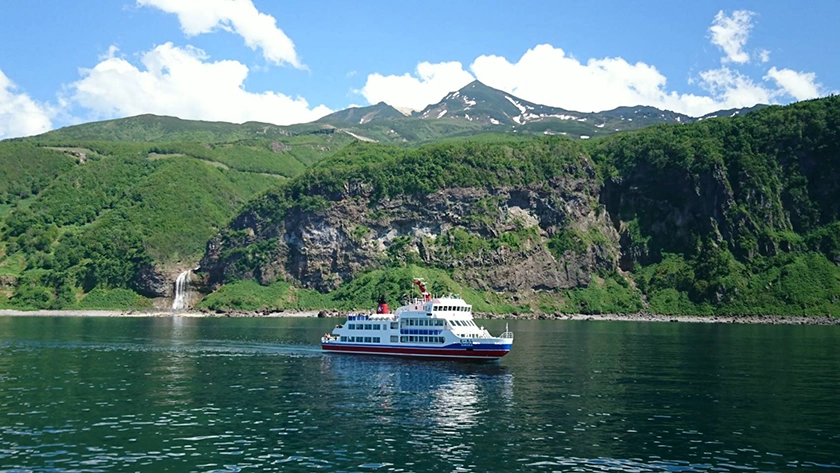
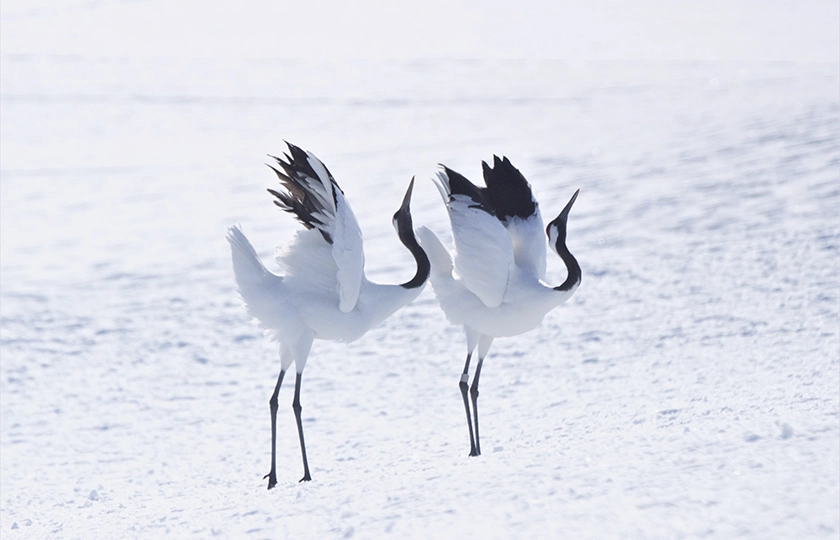
Nature is the star attraction in Hokkaido. Here you will find some of the country’s most spectacular protected areas, such as Daisetsuzan National Park, the largest in Japan; Shiretoko, declared a World Heritage Site by UNESCO for its boreal forests, volcanic landscapes and wildlife; and Kushiro, the country’s largest wetland and home to the iconic red-crowned Japanese cranes. These settings make the island a unique alternative for those seeking an alternative to the more crowded routes.
A year-round travel destination
One of Hokkaido’s great attractions is that it can be enjoyed intensely throughout all four seasons. In winter, which lasts from approximately October to April, the island is covered in light, dry powder snow, considered among the best in the world. Resorts such as Niseko and Furano have established themselves as international benchmarks for skiing and snowboarding, complemented by activities such as snowshoeing, dog sledding and snow rafting in virtually untouched natural surroundings.
Spring arrives later than in the rest of the country, offering a different and less crowded cherry blossom season. Places such as the star-shaped fortress of Goryokaku and Matsumae Park allow you to enjoy this spectacle off the beaten track. The ski season lasts until May and unique experiences, such as the Shiretoko Snow Wall Walk, scheduled for 12 April 2026, allow you to walk between snow walls up to nine metres high.
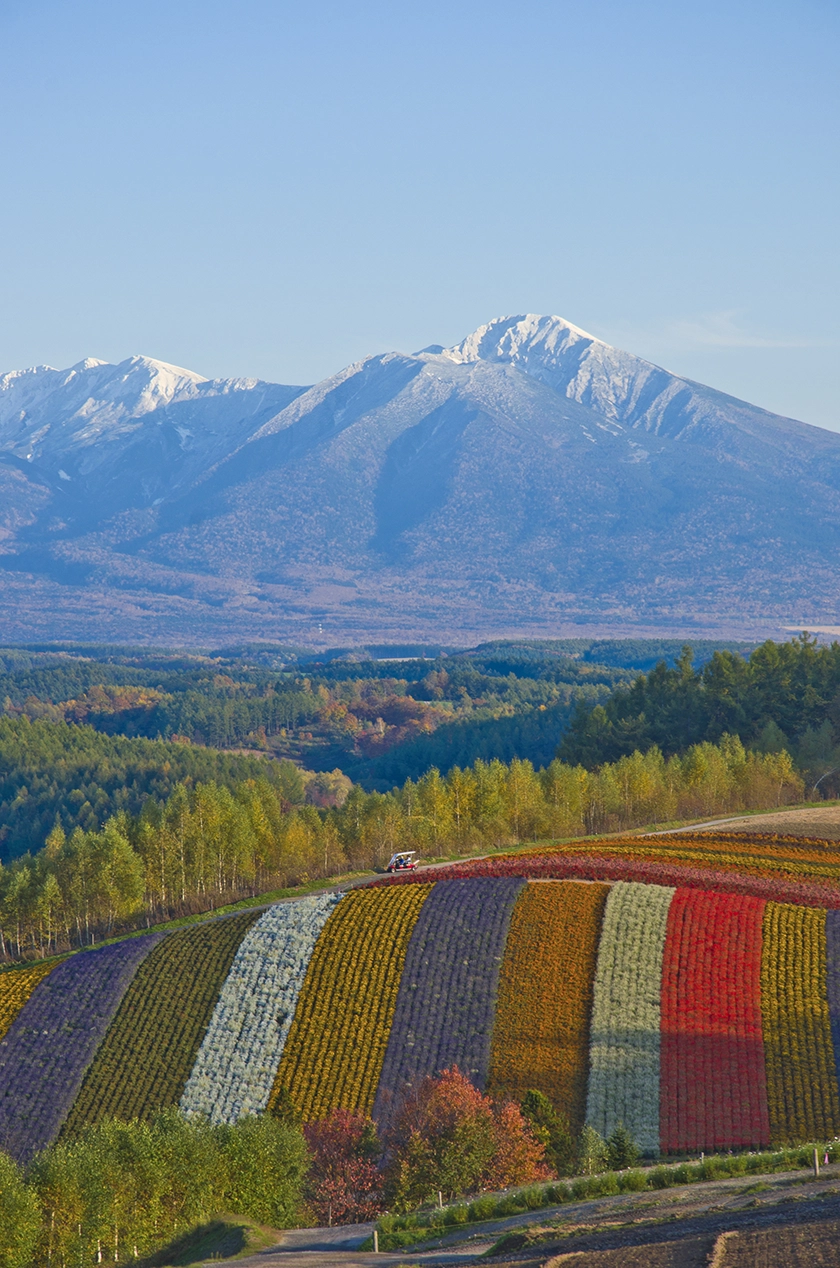
During the summer, Hokkaido becomes a refuge from the humid heat of the rest of Japan. The mild temperatures and dry climate create the ideal setting for hiking and outdoor activities. In July and August, the lavender fields of Furano and the flower-covered hills of Biei reach their peak. It is also the season for climbing Mount Yotei, known as the ‘Mount Fuji of Hokkaido’ and recently popularised by the video game Ghost of Yōtei, as well as for cruises around the Shiretoko Peninsula to spot marine wildlife and brown bears.
Autumn arrives here earlier than in the rest of the country. The leaves begin to change colour in September in the mountainous areas of Daisetsuzan and gradually descend towards the cities in October. This period is ideal for exploring the island without the crowds and enjoying its seasonal cuisine, with traditional dishes such as ishikari nabe and a wide variety of fresh seafood.
Culture, history and gastronomy
Beyond nature, Hokkaido offers an interesting cultural immersion.The Upopoy National Museum and Park brings visitors closer to the culture of the Ainu people, while the Kaitaku no Mura open-air museum in Sapporo recreates the life of 19th-century settlers. The Sapporo Beer Museum traces the history of Japan’s oldest brand, and Goryokaku Fortress recalls the end of the samurai era.
The local cuisine is another great reason to visit the island. Seafood—crab, sea urchin and salmon roe—takes centre stage, alongside hearty dishes such as Sapporo miso ramen, curry soup and Jingisukan, a grilled lamb dish that is part of the region’s culinary identity. Hokkaido is also a leader in dairy and agricultural production, with iconic products such as the Yubari King melon, considered the most expensive in the world.
The winter of great festivals
The first months of 2026 will be marked by some of Japan’s most iconic winter festivals. From 4 to 11 February, the Sapporo Snow Festival will transform Odori Park and the Susukino neighbourhood into a huge open-air museum with monumental snow and ice sculptures. During the same period, from 4 to 11 February, the Asahikawa Winter Festival will amaze visitors with gigantic snow creations, some of them over 140 metres wide, making it one of the most spectacular events of the Japanese winter.
A few days later, from 7 to 14 February, the Otaru Snow Light Path will fill the city’s historic canal with thousands of snow lanterns, creating an intimate and evocative atmosphere that contrasts with the grandeur of other festivals. Meanwhile, the Chitose & Lake Shikotsu Ice Festival, held from 31 January to 23 February, will offer a tour of brightly coloured ice structures on the shores of Lake Shikotsu.
In addition to these events, between January and March, Hokkaido offers the chance to witness one of its most unique natural phenomena: ryūhyō, sea ice drifting in the Sea of Okhotsk, visible from Abashiri aboard icebreaker cruises, a unique experience that can only be had in this part of the country.
About JNTO
The Japan National Tourism Organisation (JNTO) is an independent administrative agency of the Japanese government whose role is to promote Japan as a tourist destination. In 2024, a total of 182,300 Spanish tourists travelled to Japan, (+57.3% compared to the previous year and +40% compared to 2019, when 130,243 travellers from Spain visited the country). Following the opening of its first office in Spain in March 2017, the JNTO now has 26 offices worldwide and is also linked to the Japan Tourism Agency of the Ministry of Land, Infrastructure, Transport and Tourism. The Madrid office is responsible for promoting tourism in Japan in Spain and Portugal, and its functions include assisting tourism professionals in the promotion and development of new destinations and itineraries and participating in trade fairs and professional tourism meetings. In addition, it is responsible for providing information and material to tourists who wish to or are going to travel to the country, collaborating with and providing information about Japan to the media and journalists, promoting the country as a MICE destination, and conducting studies on Spanish outbound tourism to Japan.
Source: COMUNICACIÓN IBEROAMERICANA