
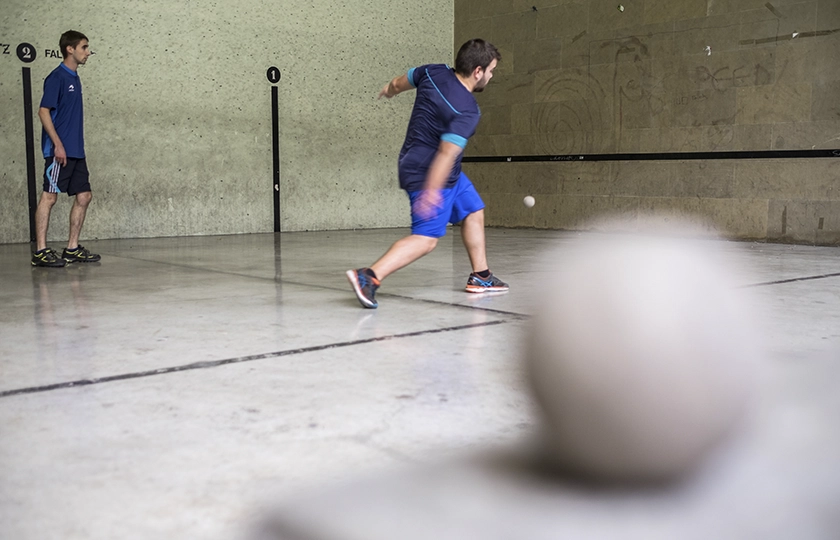
The capital of Navarre is offering a year full of unique experiences and activities centred around Basque “pelota” to strengthen its cultural identity and attract visitors beyond the Sanfermines.
Pamplona presents a cross-cutting project based on the city’s pelotazale tradition to build a tourist and cultural offering, with an ambitious annual programme that offers a travel experience based on Basque “pelota”. The Navarrese destination is deeply linked to this practice, which transcends sport to become one of the city’s main cultural and identity references, as well as a showcase for local values such as respect for one’s opponent and the elegance of the game.
The Pamplona City Council today presented all the activities, championships and pelota events for 2026 in Madrid. The event was attended by former pelotari Mikel Idoate, who gave a first-hand account of the history and practice of this sport.
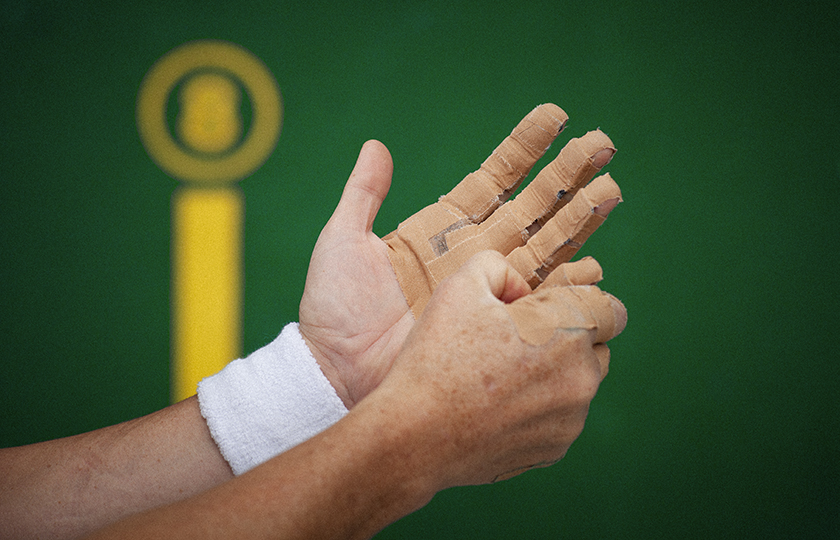
The city is committed to Basque “pelota”, a sport that has been part of its identity for centuries, as a strategic axis for strengthening its cultural identity, boosting local activity and attracting new audiences throughout the year, thus extending its reach beyond the traditional Sanfermines. This approach seeks to consolidate Pamplona not only as a world leader in this sport, but also as a cultural destination defined by a living tradition. In Pamplona, Basque “pelota” is not only understood as a sport, but also as a collective expression deeply rooted in everyday life, linked to public spaces and the way the city interacts.
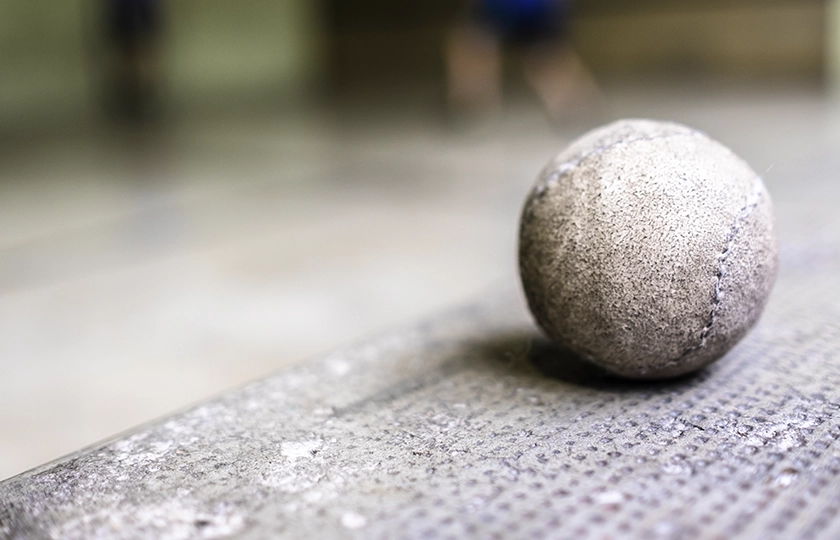
Culture and identity: pelota as living heritage
The capital of Navarre, a historic breeding ground for great pelota players and an international benchmark for this sport, is turning Basque “pelota” into a tool for social cohesion, economic revitalisation and tourism deseasonalisation, extending its appeal beyond the traditional dates of the Sanfermines.
Pamplona City Council is presenting a comprehensive programme of activities for 2026 that revolves around “pelota” and includes several guided tours that allow visitors to learn about Pamplona’s deep relationship with Basque “pelota”. One of the main attractions is the Thematic Route on the History of Basque “Pelota”, which takes in the key points of the city related to this sport. This tour, led by a specialist guide, ends with a live exhibition of the different types of Basque “pelota”, allowing the public to experience the excitement of the game first-hand.
Another highlight is the Guided Tour of Pamplona and Basque “Pelota”, which combines the history of the city with the sport, visiting the most emblematic places in the city linked to “pelota”. The range of guided tours is complemented by a visit to the cathedral ‘by candlelight’, an immersive experience that allows visitors to discover the different rooms of the temple, as well as its connection with Basque “pelota”.
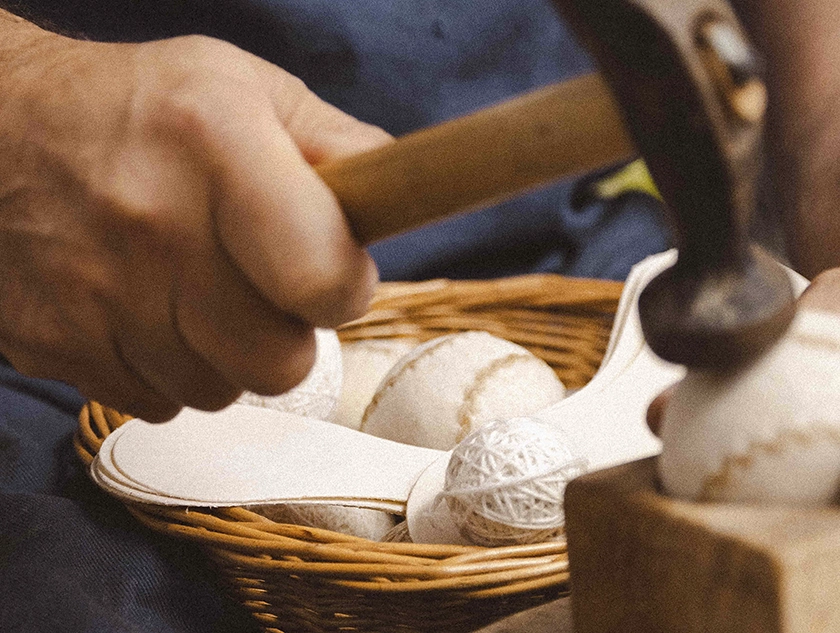
Those staying in the city’s hotels will be offered free guided tours to discover the history of the city and the peculiarities of Basque “pelota”. In addition, a monographic exhibition dedicated to the historical evolution of the sport will tour different parts of the city throughout the year.
Gastronomy will also play an important role with the A Mano y Cuchara event, which will highlight the fusion of sport, culture and food. At this event, the city’s restaurants and bars will pair the best local seasonal products with the pelotazale tradition. In this way, Pamplona not only hosts matches, but also turns “pelota” into a comprehensive experience that invites visitors to experience the city from an authentic perspective.
A cultural and artistic legacy with international reach
The importance of Basque “pelota” transcends borders thanks to a historical legacy that has spread across five continents. Today, its global presence is a consolidated reality in places as diverse as India, Chile, the Philippines, the United States and Mexico.
Pelota has had a great influence on artists such as Jorge Oteiza, who theorised about the fronton as a metaphysical space, linking the sport with the avant-garde sculpture of the 20th century. For this reason, during 2026, the city will pay tribute to the legacy of this fabulous artist, whose creative universe resides in his museum in Alzuza (Pamplona), with guided tours of the city to interpret some of the works that dot the urban landscape of the capital.
In terms of international events, the most notable is the International Basque “Pelota” Congress, which aims to position Pamplona as the epicentre of this sport, open a debate on its future by analysing trends, challenges and opportunities, and also to promote the new tourist product based on “pelota”.
A year full of Basque “pelota” competitions
Throughout 2026, Pamplona will also host competitions of great importance for lovers of Basque “pelota”.
The Labrit fronton, known as ‘La Bombonera’, will once again host various professional “pelota” matches, including the manomanista, 4 ½ and doubles championships, as well as the San Fermín “pelota” championship during the San Fermín festival. Other sporting events such as the Emakume Master Cup (women’s “pelota” championship), the remonte championship, etc. are other must-see events that complete the “pelota” calendar throughout the year.
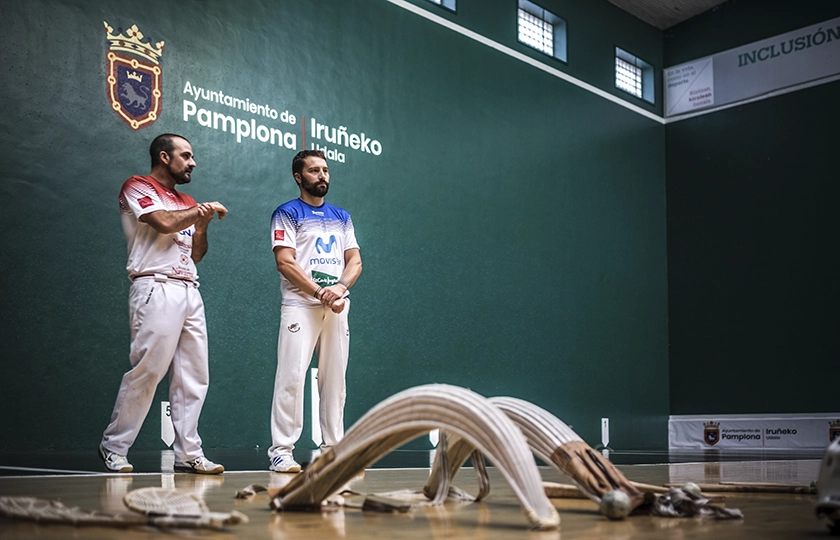
‘Vive el Remonte’ is a remonte championship in which visitors can enjoy this sport, which originated in Pamplona, watching the pelotaris use their baskets to throw the ball at high speed. At the Labrit fronton and other frontons in the city, you can also enjoy different ‘Pelotazales Challenges’ showcasing different types of this sport.
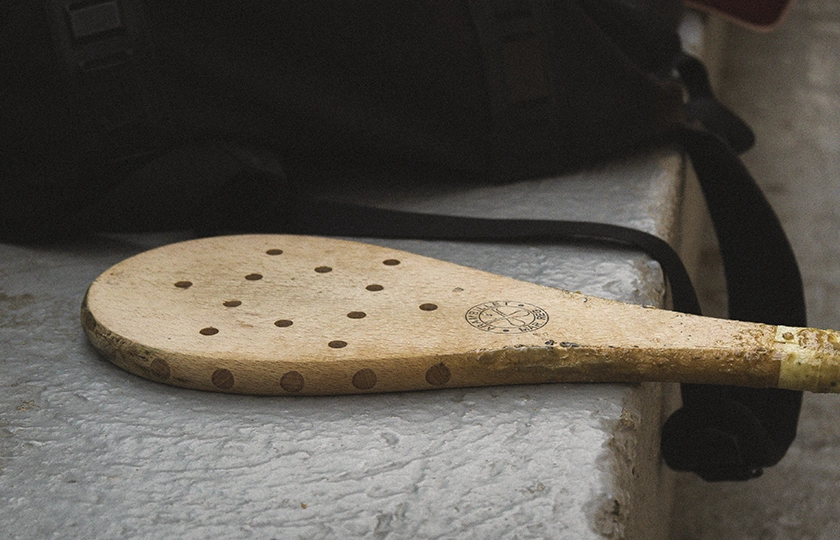
With this structured and cross-cutting programme, Pamplona not only reaffirms its “pelota” tradition, but also promotes it as a distinguishing feature on the international stage. The city is transforming a centuries-old legacy into a contemporary driver of cultural and tourist development.