
The global economy is currently at a turning point where the volatility of energy markets threatens to redefine the rules of the game for sectors that were just beginning to consolidate their recovery after years of uncertainty.
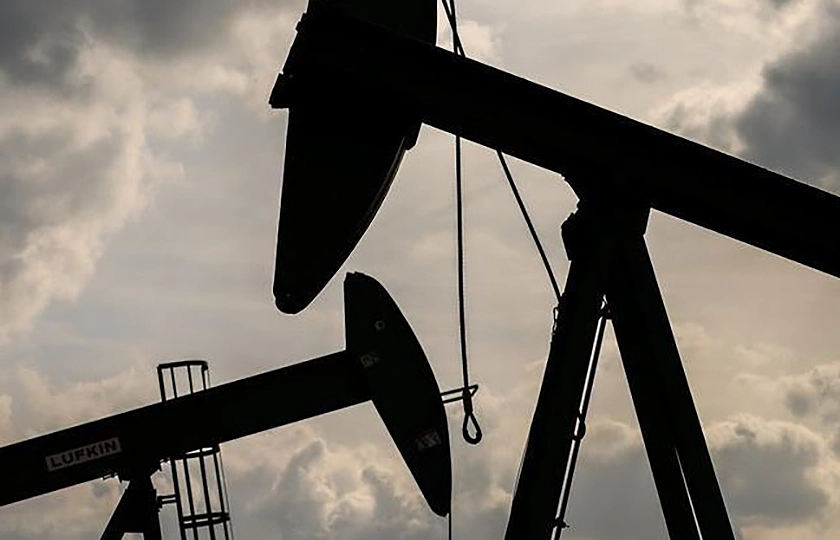
The specter of a barrel of oil surpassing the psychological barrier of one hundred dollars has ceased to be mere speculation and has become a tangible concern weighing on the tourism industry, the luxury segment, and, more directly, international air transport. This upward pressure on crude oil prices not only affects the operating balances of large corporations but also generates a domino effect that reaches the end consumer, altering the dynamics of planning and spending on high-value experiences.
The airline sector stands on the front lines of this economic battle, as fuel represents one of its largest fixed costs, forcing companies to perform financial juggling acts to avoid passing this increase entirely on to ticket prices. However, market reality suggests that if this upward trend persists, a rise in fares will be inevitable, which could dampen the demand for long-haul travel and affect global connectivity. This situation tests the resilience of a sector that has invested billions in modernizing its fleets to become more efficient, yet remains deeply dependent on hydrocarbon fluctuations and the geopolitical instability that typically dictates their prices.
For its part, luxury tourism, which has traditionally been considered a segment shielded from economic crises due to the high purchasing power of its clientele, is beginning to show signs of caution in the face of rising costs for logistical services. Although elite travelers do not usually cancel their plans due to a variation in the cost of flights, the inflationary environment generated by energy affects the profitability of boutique hotels, high-end cruises, and the personalized services that define this industry. The economic sustainability of these businesses now depends on their ability to innovate and offer added value that justifies increasing prices in a world where the cost of exclusivity is becoming ever higher.
The interconnection between energy prices and the well-being of the service sector is so profound that any disruption in the oil supply chain immediately impacts consumer confidence and the growth projections of major economies. Analysts are closely watching how central banks react to these inflationary pressures, as a hike in interest rates to curb rising prices could be the definitive blow that halts consumption in leisure and luxury goods. It is a precarious balance where operational efficiency becomes the only lifeline for companies wishing to maintain their competitiveness without sacrificing the quality their customers expect.
In this context, the tourism industry must look beyond the immediate circumstances and accelerate its transition toward business models that are less dependent on fossil fuels, integrating clean technologies and carbon offset strategies. The current crisis acts as an accelerator for trends that were already present, forcing sector leaders to rethink the viability of unlimited growth based on finite and volatile resources. Adaptability will be the determining factor allowing airlines and tourist destinations to survive an environment where triple-digit oil prices appear to be the new and challenging normality of the global market.
The impact on emerging markets and destinations that rely on international tourism to sustain their foreign exchange reserves is an additional concern that should not be underestimated in current macroeconomic analysis. Many countries have bet on tourism as an engine for development and now find that the rising cost of transportation may drive visitors away, affecting employment and local investment in infrastructure. International coordination and the search for stable energy alternatives present themselves as the only long-term solutions to protect an industry that is vital to the world economy and which today faces one of its most complex challenges since the beginning of the decade.
Source: TOURISM AND SOCIETY THINK TANK