

- Wine routes stretching over 1,500 kilometres, experiences in family-run wineries and farms, and outdoor activities in protected natural environments allow visitors to experience Moldova in a unique way.
- Moldova is expanding its tourism offering with specialised segments such as medical tourism, MICE and sports tourism, including international events such as the Chișinău Marathon in September 2026.
Moldova has presented its wine routes as the centrepiece of a tourist offering aimed at Spanish travellers, positioning its wine culture as its main distinguishing feature. With more than 1,560 kilometres of wine routes integrated into the European Iter Vitis network, the country invites visitors to discover a different kind of destination through wineries, rural landscapes, local cuisine and living traditions.
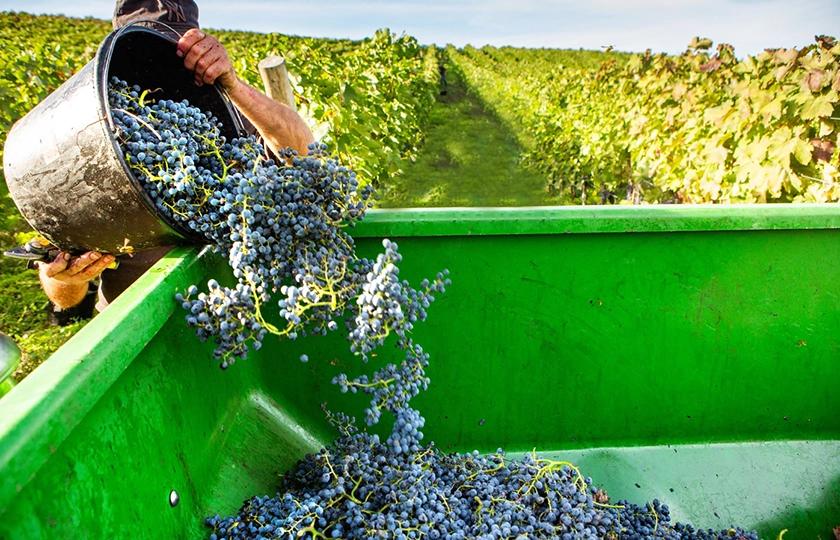
Wine tourism is one of the strongest assets of Moldovan tourism and is a recognised hallmark at European level. Since 2020, Moldova has been part of the European Cultural Routes and has wine-producing regions such as Codru, Valul lui Traian and Ștefan Vodă, where native varieties such as Fetească Albă, Fetească Regală, Fetească Neagră and Rară Neagră are gaining increasing international recognition, connecting cultural heritage, territory and gastronomic experience.
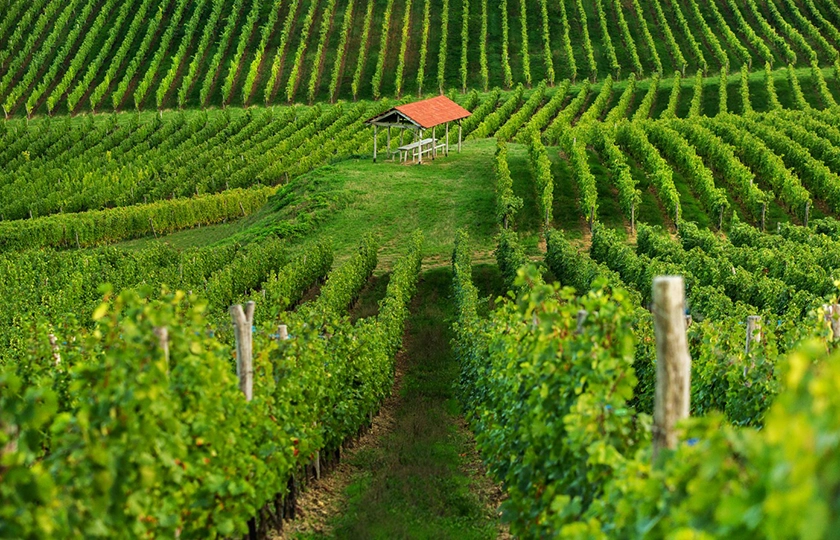
In this context, Moldova is emerging as a European destination, with a tourism model focused on experiences, sustainability and contact with the local environment. Its rural landscape, crafts and cultural heritage are supported by a growing infrastructure, with a network of agrotourism farms and wineries — from small family projects to internationally renowned producers — that make up a coherent and constantly evolving tourism ecosystem.
Ana Sandra, acting director of the National Tourism Office of Moldova, says: ‘Moldova invites you to discover a destination where vineyard landscapes, local hospitality, traditions and cultural heritage combine to create memorable experiences, both in the countryside and in the capital, Chișinău.’
The Moldovan capital is also an attractive destination for city breaks, with wide boulevards, 19th-century architecture, museums and a growing gastronomic scene. The country is also promoting other segments such as medical tourism, MICE tourism and sports tourism, with events such as the Chișinău Marathon, scheduled for September 2026.
The offer is rounded off with agrotourism and nature proposals, connected by more than 400 kilometres of hiking, cycling and kayaking routes, as well as unique cultural events such as the DescOpera Festival, which will be held in June 2026 in the historic enclave of Orheiul Vechi.
For her part, Elena Stepanov, executive director of the National Association of Inbound and Domestic Tourism of Moldova, focuses on the development of specialised segments: “In addition to holiday tourism, Moldova is promoting medical tourism and MICE tourism. Competitive services, modern facilities and personalised attention attract international patients, while business tourism benefits from accessible spaces, professional services and a renowned culture of hospitality.”
This revamped tourism offering, presented at FITUR 2026, reinforces Moldova’s positioning as an emerging European destination committed to experiential, diverse tourism closely linked to its territory, highlighting its wine culture, heritage and the development of specialised segments aimed at international travellers.
Source: EVERCOM