- A centuries-old legacy that makes the town one of the major centres of Holy Week celebrations across Spain.
- Designated a Festival of Regional Tourist Interest since 2005, the celebration combines heritage, wine tourism and gastronomy, and aims to achieve recognition as a Festival of National Tourist Interest.
Aranda de Duero is once again putting itself on the map as one of the must-visit destinations for Holy Week in Spain. With a tradition dating back to the 16th century, this riverside town has transformed its celebration into a unique experience that combines history, emotion and an atmosphere that is hard to replicate elsewhere in the country.
Declared a Festival of Regional Tourist Interest in 2005, Holy Week in Aranda has seen a significant rise in both profile and visitor numbers in recent years, establishing itself as one of the major events on the national calendar. Every spring, thousands of visitors choose the town to experience a celebration where time seems to stand still.
Centuries of history brought to life in every procession
The origins of Holy Week in Aranda de Duero date back to the 16th century, when the first processions began to be organised around the town’s convents. Since then, the brotherhoods, statues and rituals have maintained an exceptional continuity, allowing us today to witness processions that have remained virtually unchanged over the centuries.
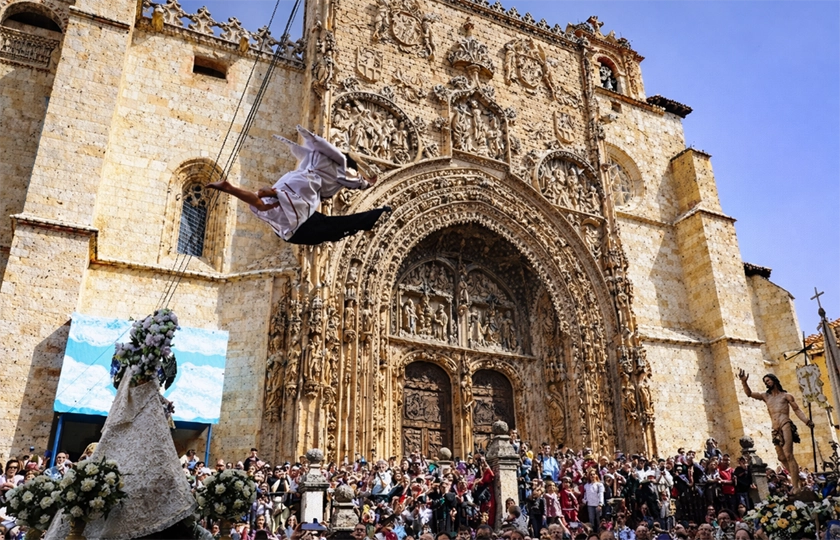
This heritage makes every event a performance steeped in authenticity, where tradition and heritage merge into a spectacle of great cultural value. Processions such as the Procession of Silence or the Descent ceremony, as well as the unique Descent of the Angel, have become unmissable highlights, capable of moving both visitors and locals alike.
An immersive experience that goes beyond the religious
From 29 March to 5 April, from Good Friday to Easter Sunday, the historic centre of Aranda de Duero is transformed into a living stage. The streets are filled with a sense of reverence, processional music and an emotional intensity that defines the Castilian character of the celebration.
The proximity of the venues, the accessibility of the events and the involvement of the local community allow visitors to experience Holy Week in a direct, participatory and deeply authentic way.
Unstoppable growth: tourism, occupancy and national profile
In recent years, Holy Week in Aranda de Duero has seen sustained growth, establishing itself as a highly attractive alternative to more overcrowded destinations.
This boom is reflected in figures that demonstrate its consolidation:
- A 50% increase in hotel bookings during this period.
- A significant impact on accommodation occupancy rates in the Ribera del Duero region.
- A notable rise in demand for wine tourism experiences.
- A growing influx of visitors from across Spain and a significant increase in international tourism.
- Greater media coverage and positioning as a inland destination.
This vibrancy confirms Aranda de Duero’s status as one of the most significant emerging destinations for Holy Week celebrations in Spain.
Food and wine: the other major attraction of Holy Week in Aranda
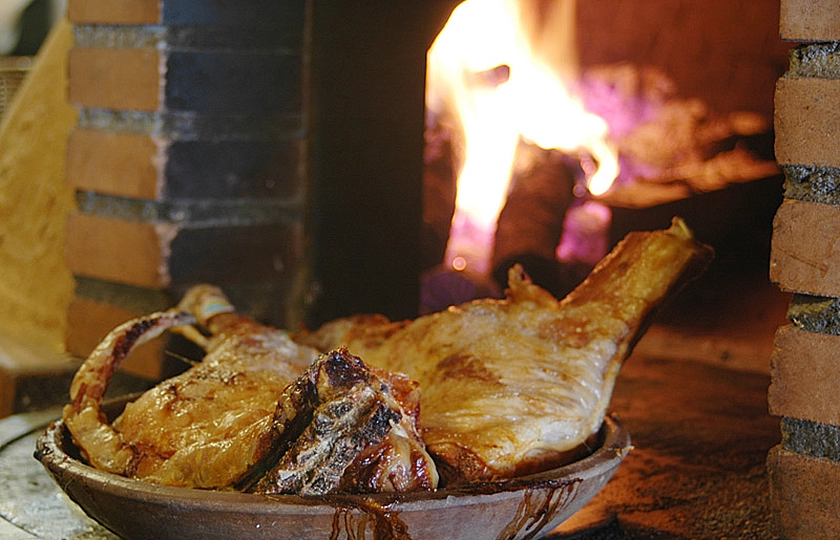
Beyond the religious tradition, the town offers a first-class culinary experience. During this period, the local restaurants and bars showcase their full potential with signature dishes such as wood-fired roast suckling lamb and Aranda black pudding, true icons of Castilian cuisine.
Added to this are well-established initiatives such as the Torrija Route and the Limonada Route, which reinforce the town’s appeal as a gastronomic destination.
A town that lives underground and steeped in history
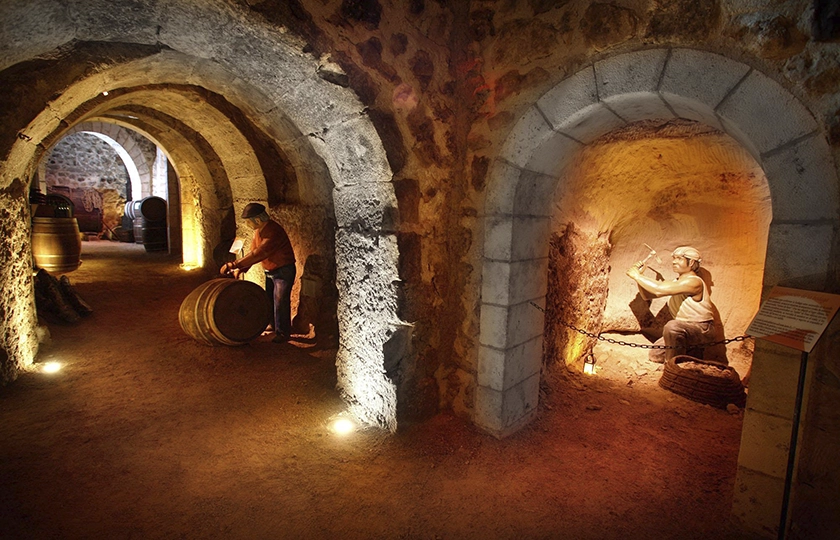
The experience is rounded off by one of Aranda de Duero’s most unique features: its network of underground wine cellars, which, together with its architectural heritage and wine-growing culture, make for a truly comprehensive visit.
Tradition, history, wine and gastronomy thus come together to position Aranda de Duero as one of the most comprehensive and promising destinations in the Spanish interior during Holy Week.
Source: COMUNICACIÓN IBEROAMERICANA