

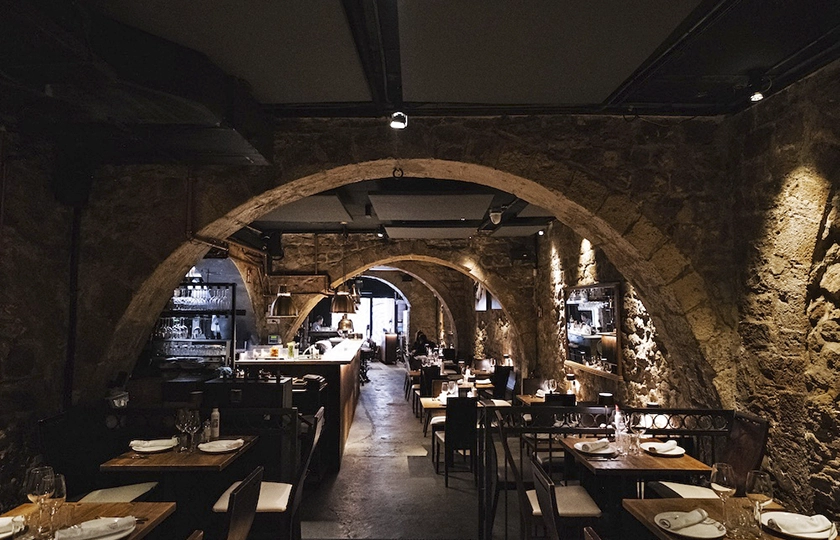
The restaurant, situated in a former 17th-century stable in the Born district, engages with its surroundings to reinterpret culinary heritage through a contemporary lens and offer dishes that pay homage to medieval recipes.
To inhabit and breathe life into a space that served as a stable in the Middle Ages is both a privilege and a responsibility. This is how they see it at Arcano, the only restaurant in Barcelona to occupy what were once the cathedral’s stables in the 17th century.
Located at number 10 Mercaders Street, right in the heart of the Born district, Arcano has learnt to coexist with the history of the place it inhabits, striking a serene balance between memory and modernity. It has not adapted to the past in a contrived or decorative way: it has listened to it. A dialogue that, throughout 2026, will be conveyed and reflected in its culinary offering. A cuisine that looks to the past with respect, not to reproduce or imitate it, but to draw inspiration from it and project itself more meaningfully than ever into the present.
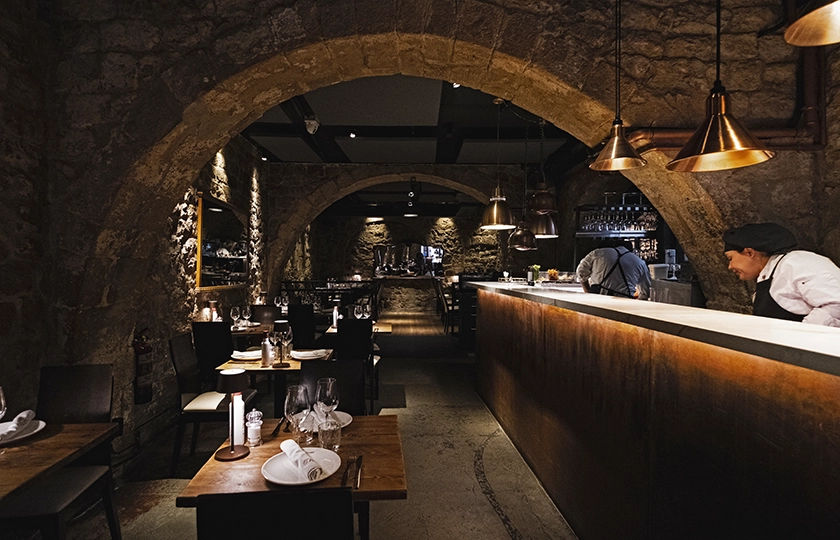
It is not a break with the past—a contemporary Mediterranean cuisine with some fusion touches—but a conscious evolution rooted in culinary memory. A phase in which Arcano will delve into the past to naturally revisit and reinterpret the fundamentals of cooking, always through a contemporary lens and presentation.
“The aim is not to reproduce recipes, but to reconnect with ingredients, combinations and culinary principles that were already in use when this space we now occupy was filled with the mares and horses of knights, nobles and clergy,” says Claudia Quintero, founding partner and co-owner of Arcano.
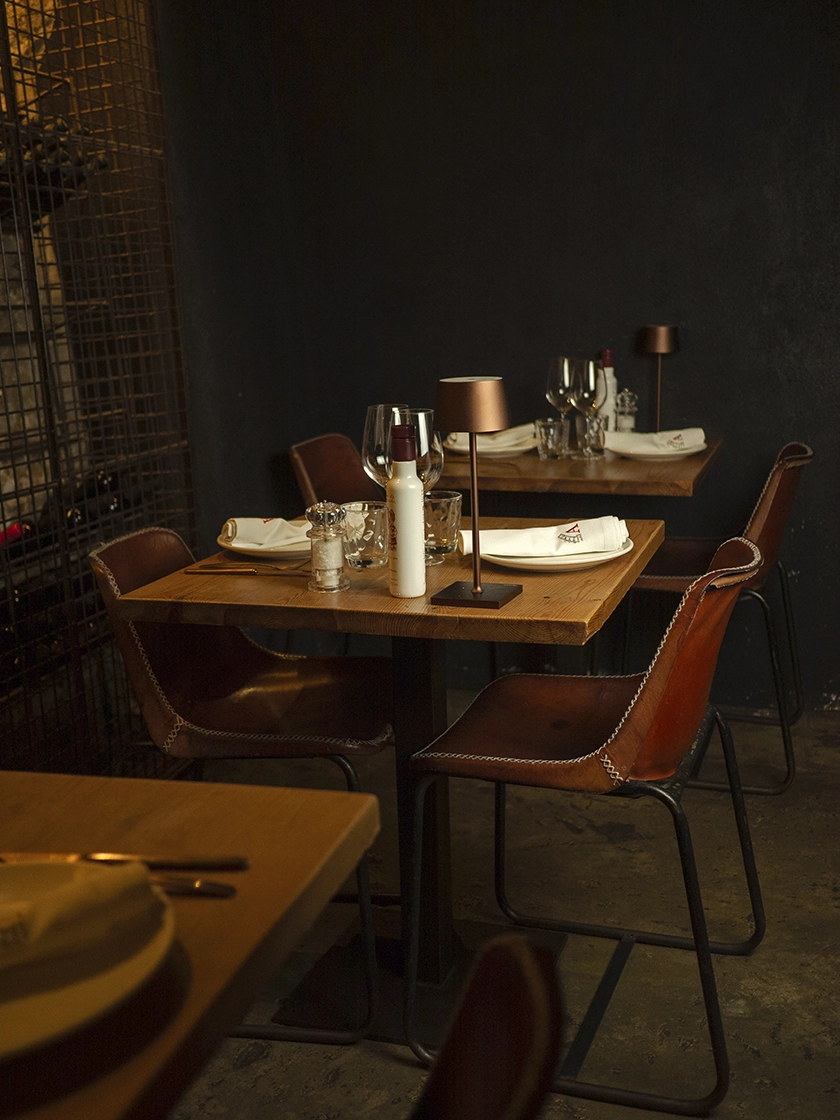
Subtle nods to medieval recipes
Throughout this year, the menu will gradually incorporate subtle nods to medieval recipes, particularly in starters and dishes with a Mediterranean base. This will be evident in the use of almonds as a structural ingredient, in the exquisite and daring contrasts between sweet and sour, in the presence of ingredients such as game meat, mushrooms and aged wines, and in the slow, respectful cooking methods. Elements which, in a way, were already part of Arcano’s DNA, and which also featured prominently in medieval cuisine.
“It’s not about recreating the cuisine of the past, but about understanding how people cooked when this space already existed, and what we can learn from it,” explains Gabriel Buchaillot, also a founding partner and co-owner of Arcano. As Arcano’s executive chef, Nicolás Limarino, adds, “many of the combinations we now consider contemporary were already present in 17th-century cuisine. It’s not a trend: it’s culinary memory”.
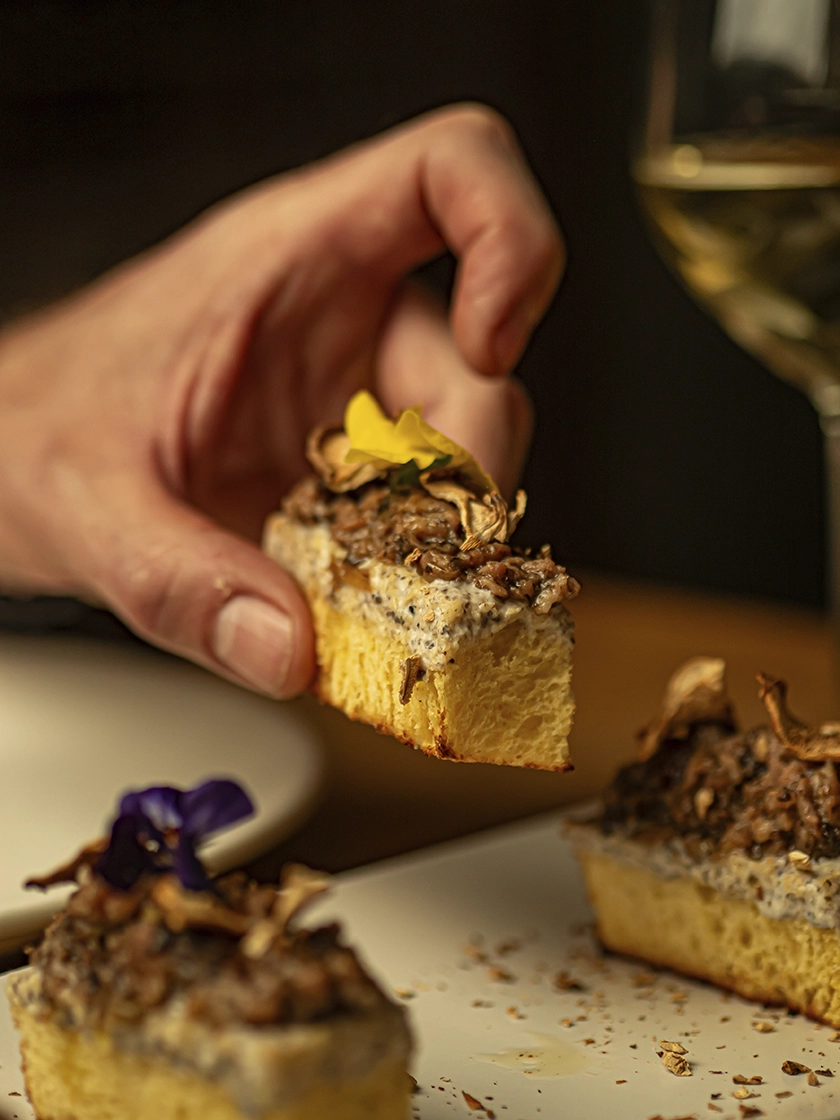
This new approach – which does not, nor will it, entail a radical change to the menu – can already be sampled in dishes such as the brioche with country-style sausage, truffle and mushrooms, which evokes forest cuisine and the traditional use of sausages and mushrooms; the duck salad with a mustard and honey vinaigrette, which recalls the sweet-and-sour sauces that traditionally accompanied poultry in Catalan cuisine; or the slow-cooked egg with turnips and leeks, which connects with the historical prominence of root vegetables.
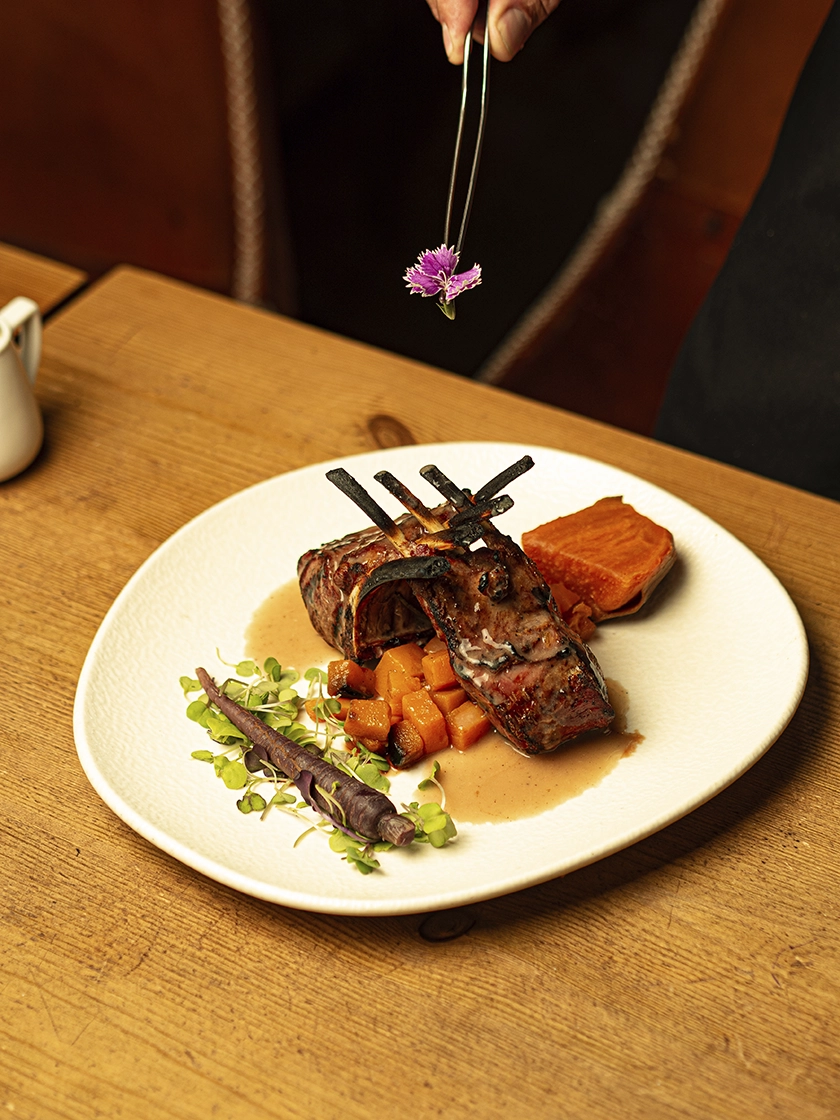
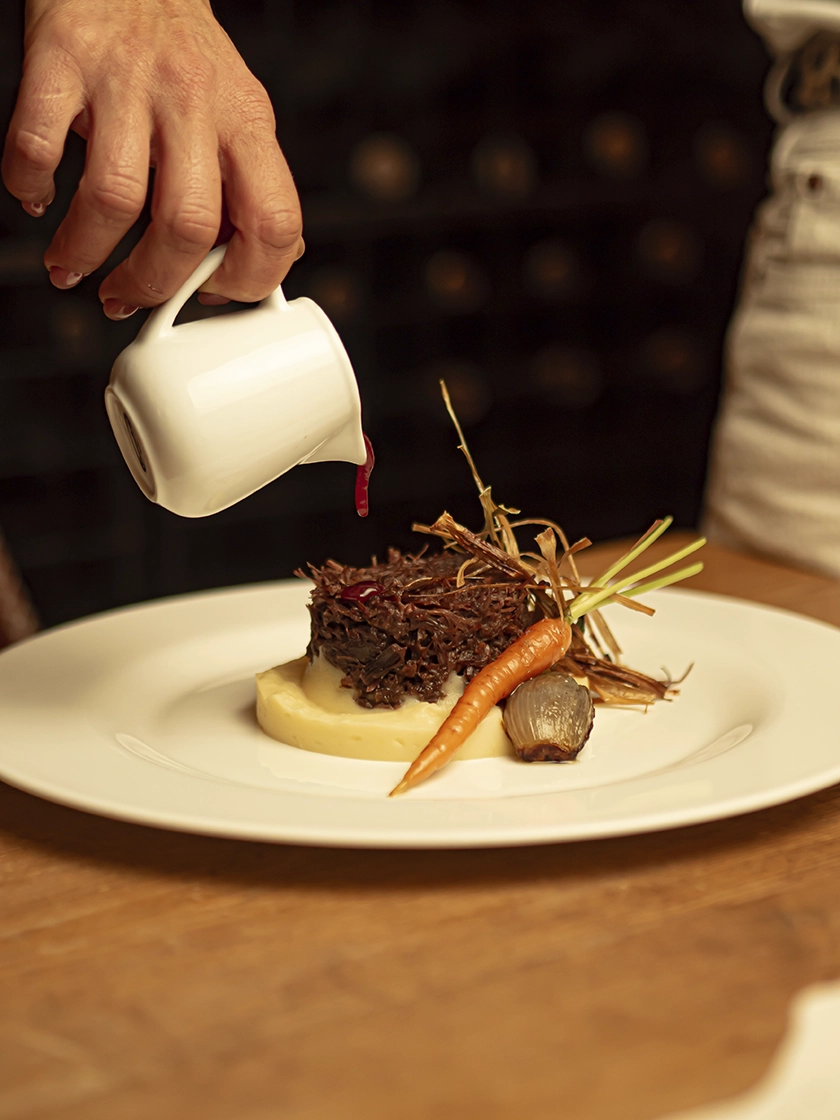
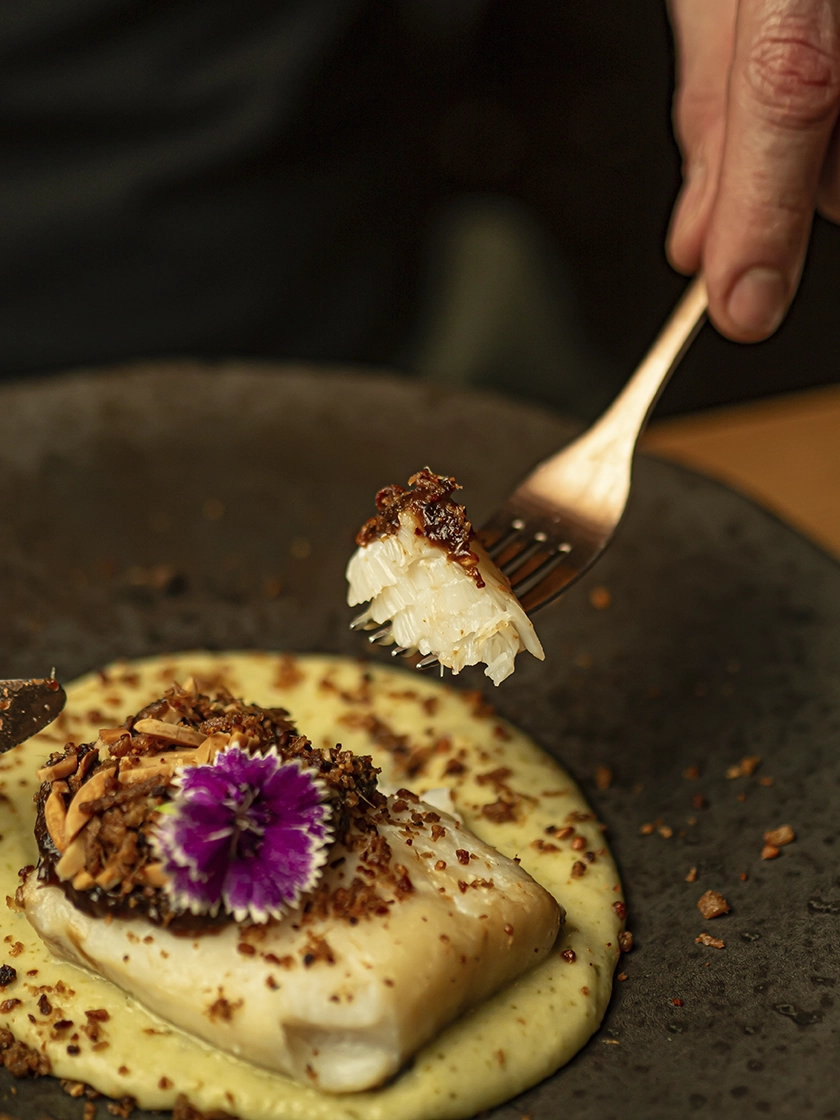
The cod is presented in two different preparations, accompanied by almonds and figs, restoring the prominence of nuts and fruit in Mediterranean cuisine with ancient roots. Dishes such as the melt-in-the-mouth beef cheek in aged wine, cooked at a low temperature, champion the value of time and slow cooking, when a gentle heat was the chef’s main ally; whilst the grilled French rack of lamb with sweet vegetables recalls the presence of prime cuts at medieval banquets.
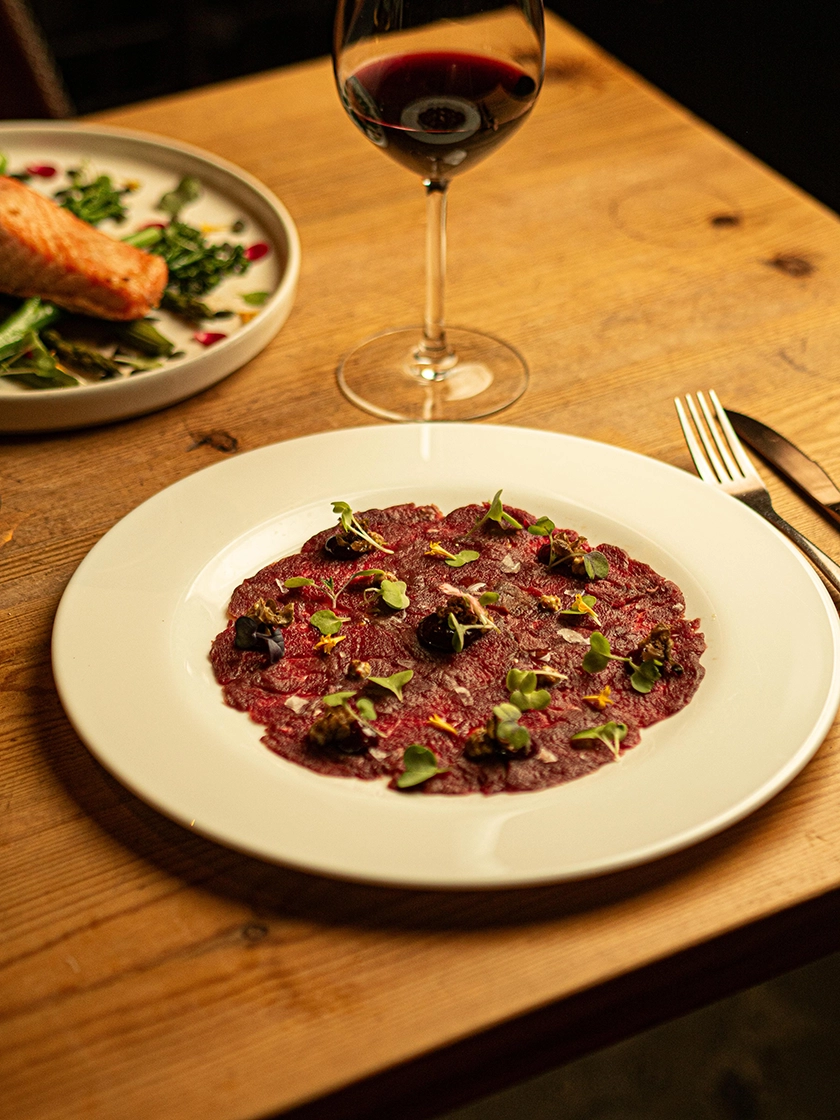
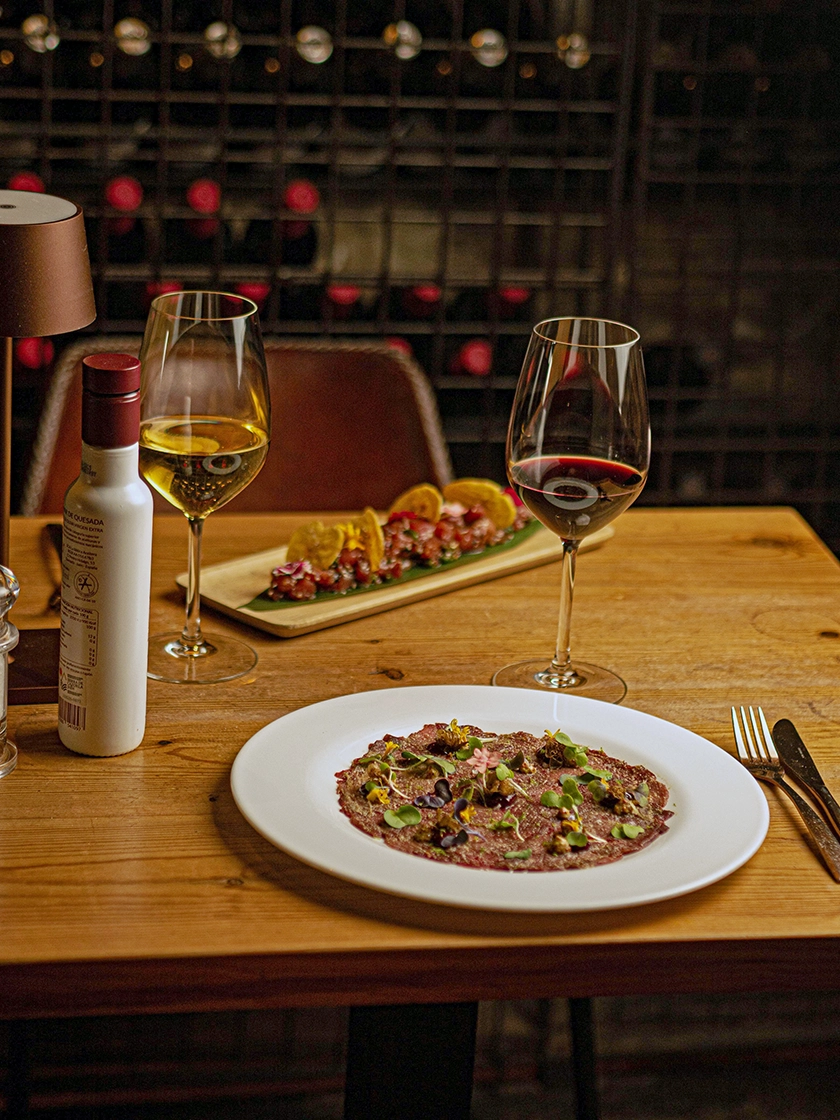
Game cuisine also finds its place in this new phase, with the raw-cured venison fillet accompanied by red berries, mustard and capers, a combination that echoes the medieval taste for sweet-and-salty contrasts. The journey culminates with a contemporary take on “mel i mató”, where honey, nuts and aromatic herbs restore the dessert to its most essential and regional essence, bringing to a close a menu that views culinary memory not as nostalgia, but as a solid foundation upon which to continue building.
What’s more… “The Hidden Gems of El Born”
This new engagement with the past is by no means a one-off initiative. Arcano has been engaging with the past on various levels for years. In 2024, the restaurant launched the cultural and gastronomic experience “The Hidden Gems of El Born”, a tour that invites diners and visitors to delve into the neighbourhood’s history before taking their seats at the table.
It is a dramatised tour of some of the neighbourhood’s hidden corners that tourists and locals usually pass by without a second glance. At each stop, the guides from HL Comedy Tours reveal the most fascinating history and secrets of the Born, offering a unique experience that connects visitors with the soul of the neighbourhood. The tour culminates at Arcano, where participants sit down to enjoy a special menu.
14 years of history under the leadership of the Quibuch Group
In 2026, Arcano celebrates its 14th anniversary under the management of the Quibuch Group (founded by Gabriel Buchaillot, Claudia Quintero and Germán Buchaillot). And it does so by demonstrating that cooking can also be an exercise in active memory. That innovation does not always involve gastronomic flourishes or surprising techniques, because one can also innovate by delving into the past. In 2026, Arcano does not rewrite history: it listens to it, respects it and translates it into the present.
Capacity: 60 diners
Opening hours: Friday to Tuesday, 1pm to 11pm. Wednesday and Thursday, 6.30pm to 11pm.
IG: @arcanobcn
Source: ACEVEDO COM