
Today, 22 April, we’re celebrating International Earth Day with ten destinations recommended by Newlink.
Many of these destinations stand out for their strong commitment to sustainability or their close connection with nature, such as Peru with its green regions of Amazonas and Madre de Dios; the municipality of Calvià, in Mallorca, with sites such as Finca Galatzó, the Les Illes del Ponent Marine Reserve and the new certified routes that follow ancient rural paths, agricultural terraces, historic hydraulic systems, etc.; or Costa Rica, a global leader in sustainability, amongst others.
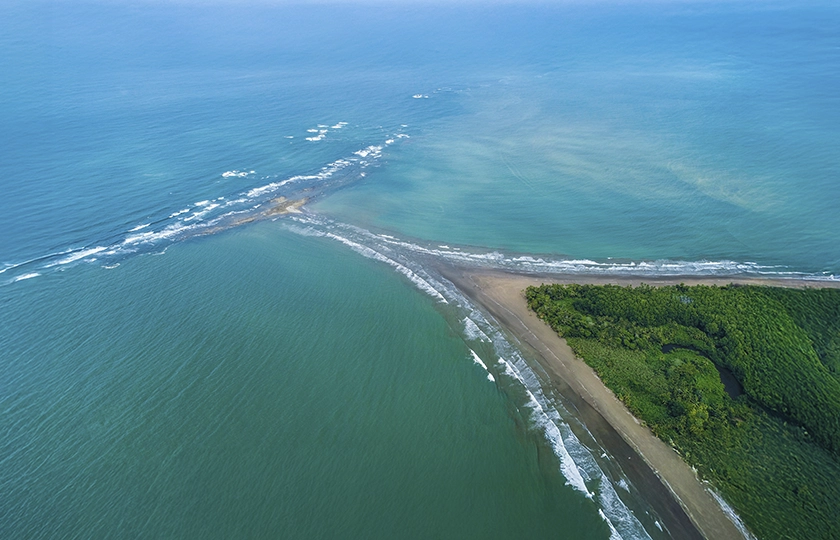
Costa Rica
Costa Rica is a country where nature sets the pace and sustainability is a way of life: energy comes from clean sources, forests are regenerating, and biodiversity is protected as a treasure unique in the world. This leadership is reflected, for example, in the fact that over 90% of its electricity comes from renewable energy sources and in its strong commitment to conservation, protecting over 25% of its land area through national parks and reserves.
Amidst rainforests, volcanoes and oceans, every experience invites you to reconnect with what truly matters, whilst the country moves towards decarbonisation with a vision of long-term sustainable development. From the serene longevity of Nicoya, one of the world’s Blue Zones, to its model of regenerative tourism, Costa Rica demonstrates that travelling can also be a way of caring for the Earth.
Alentejo Region
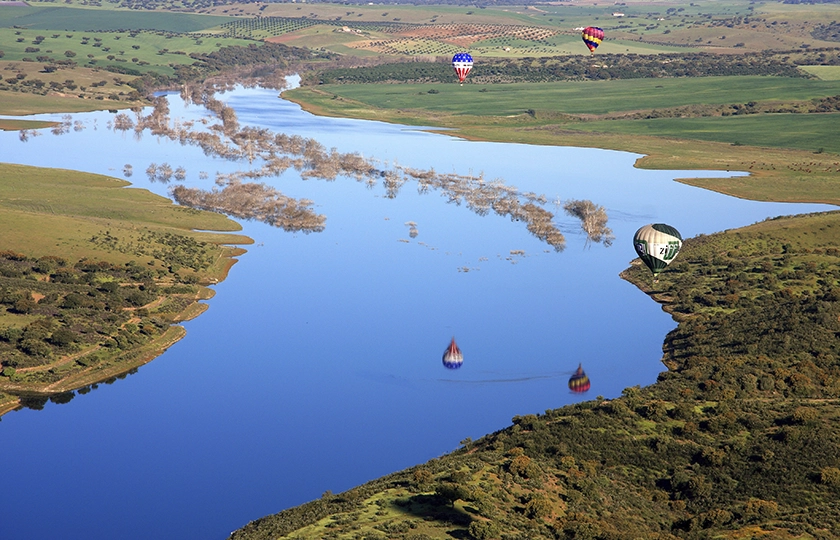
In this peaceful Portuguese region, the birthplace of slow travel, life follows its own rhythm, craftsmanship is a time-honoured tradition, and local produce is treated with the utmost care to create seasonal, high-quality cuisine. The identity and natural beauty of the Alentejo are best experienced in close contact with the land, exploring its unspoilt landscapes on foot, on horseback or by bike; or from above, flying over the plains and local vineyards in a hot-air balloon. Here, even the sky is protected: Dark Sky Alqueva prides itself on being one of the best places in the world for stargazing.
Calvía
In Calvià, a municipality located in the south-west of Mallorca, the landscape unfolds at a different pace, through a network of trails that link the sea with the Sierra de Tramuntana and allow you to discover the truest essence of the inland Mediterranean. Trails such as Peguera–Es Capdellà, Sa Vinya, La Font de sa Cometa and La Vall Verda wind through ancient rural paths, agricultural terraces, historic irrigation systems and traditional estates, in a setting where nature and the history of the land coexist organically.
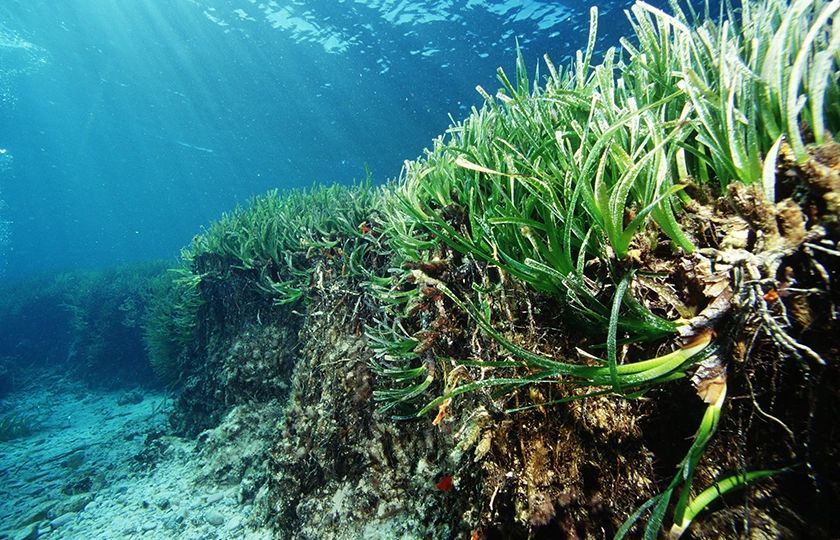
This commitment to conservation is reinforced by the recent expansion of the Les Illes del Ponent Marine Reserve, which extends the protection of the municipality’s coastline to 2,300 hectares and incorporates areas of high ecological value such as El Toro, the Malgrats Islands and Illa del Sec, consolidating, alongside Isla del Toro and the Malgrats Islands, a pioneering conservation system that protects biodiversity and establishes a model of sustainable tourism linked to the land and its natural balance.
Chile
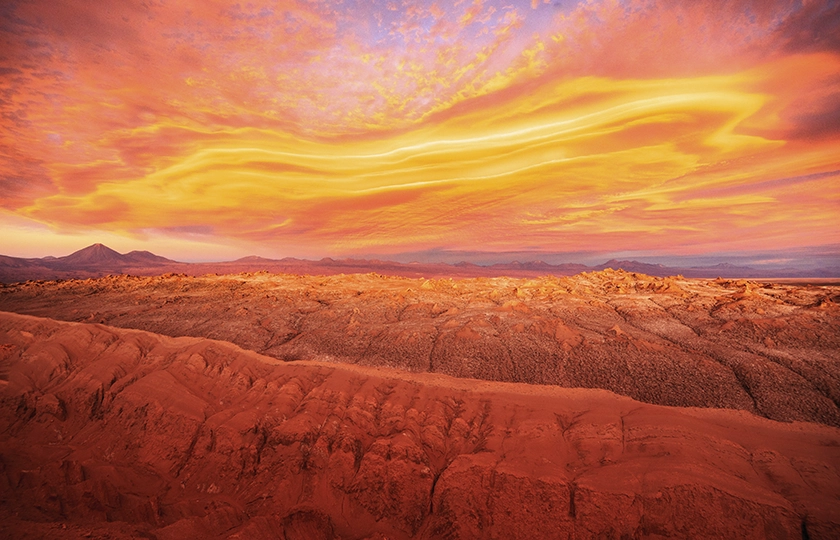
The land of endless journeys combines a landscape of extreme contrasts—from the Atacama Desert to Patagonia—with a firm commitment to certified ecotourism and its local communities. A global leader in adventure tourism, the destination allows visitors to explore unique landscapes through responsible experiences. Added to this is a rich cultural heritage, wellness offerings beneath some of the clearest skies on the planet, and a modern cuisine based on local produce.
Estonia
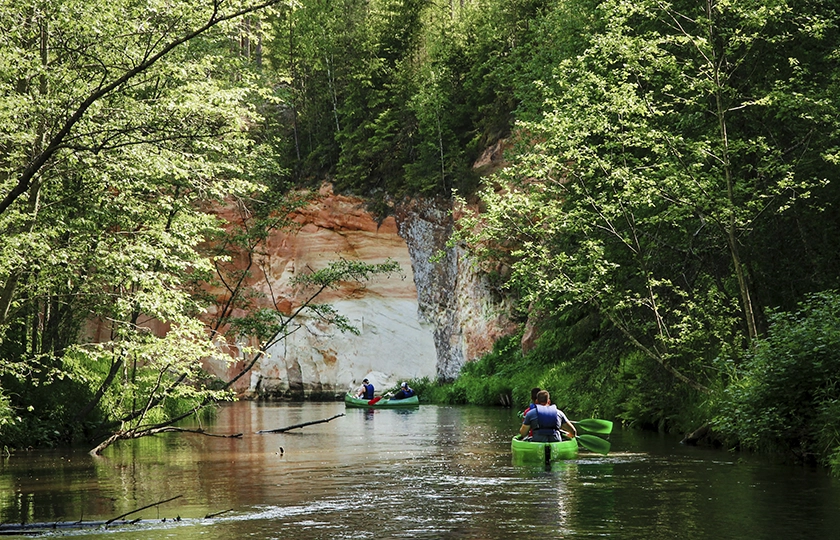
This country on the shores of the Baltic Sea is a true benchmark for sustainable tourism, thanks to the special relationship its inhabitants have with their environment and the numerous initiatives taken to preserve it. Zero-impact activities to explore dense forests and protected peatlands, Michelin Green Star restaurants, Green Key-certified accommodation and opportunities to get involved in experiences that go beyond the usual tourist fare, such as discovering the tradition of the Võromaa smoke sauna or the local culture of the Seto people.
Peru
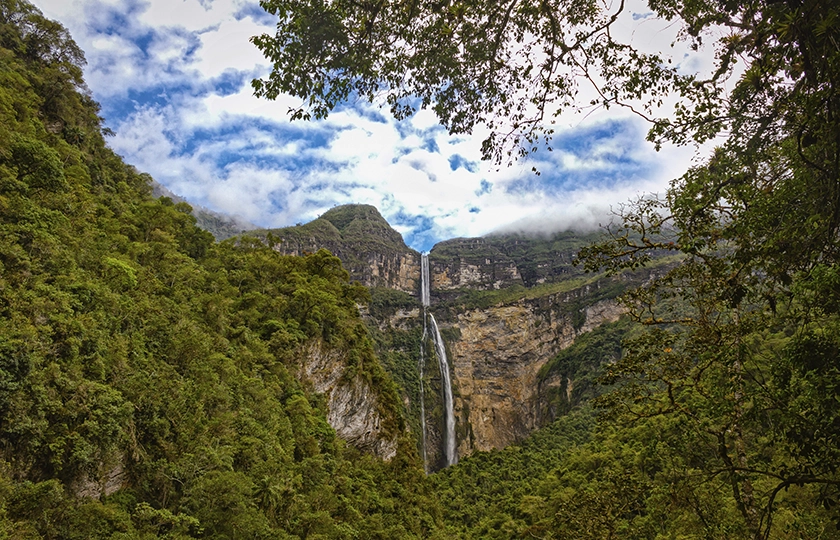
The Peruvian Amazon is a region of exceptional biodiversity where nature, culture and responsible tourism come together to create unique experiences. Regions such as Amazonas, in the north-east, and Madre de Dios, in the south-east, stand out for their ecosystems and activities that bring visitors into direct contact with the jungle. Both embody a model of tourism based on respect for and coexistence with the Amazonian environment.
In Amazonas, with Chachapoyas as the gateway, you’ll find cloud forests, the imposing Gocta waterfall and the archaeological legacy of Kuélap, with trails winding through mountains and lush vegetation.
In Madre de Dios, from Puerto Maldonado, you can access the Tambopata National Reserve and natural gems such as Lake Sandoval, where wildlife spotting and river journeys turn every trip into a living immersion in the Amazon. Both regions reflect a model of tourism based on respect for the natural environment and coexistence with Amazonian ecosystems.
Malta
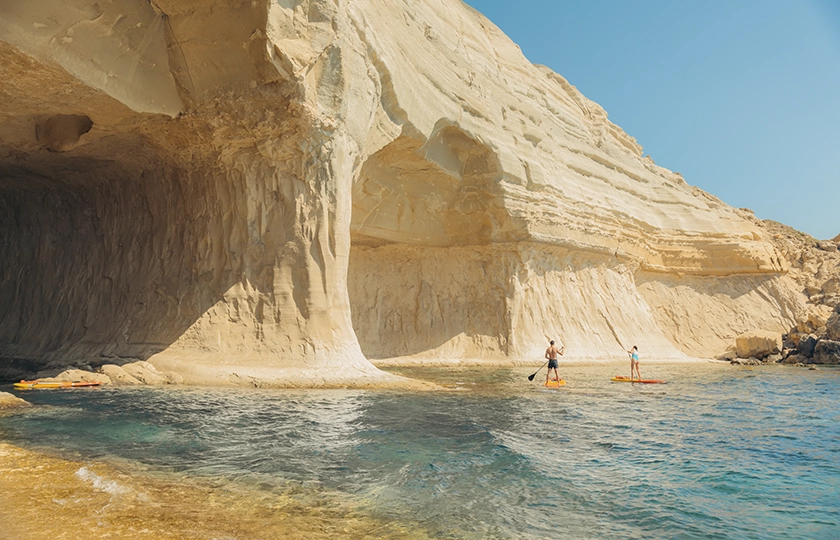
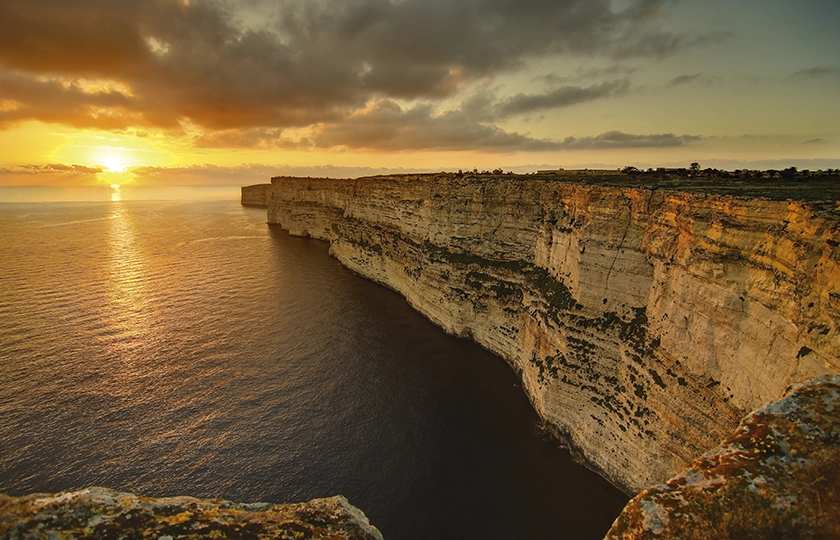
Gozo, the second island in the Maltese archipelago, invites you to discover its true essence through five routes that combine nature, history and rural life. Amidst sea-facing cliffs, agricultural valleys, traditional villages and ancient ruins, the island welcomes travellers seeking more than just a destination: a more mindful, unhurried way of travelling that connects with the landscape.
Exploring Gozo on foot is to delve into its most authentic essence. From the geological landscapes of Dwejra, home to the iconic Blue Hole, one of the Mediterranean’s most famous diving spots, to the heritage treasures of Xagħra and Ramla, passing through traditional salt pans, viewpoints overlooking Comino and trails amongst cliffs and hidden bays. Each route reveals an island to be experienced with the senses, where nature, culture and Mediterranean tranquillity are in perfect harmony.
Hungary
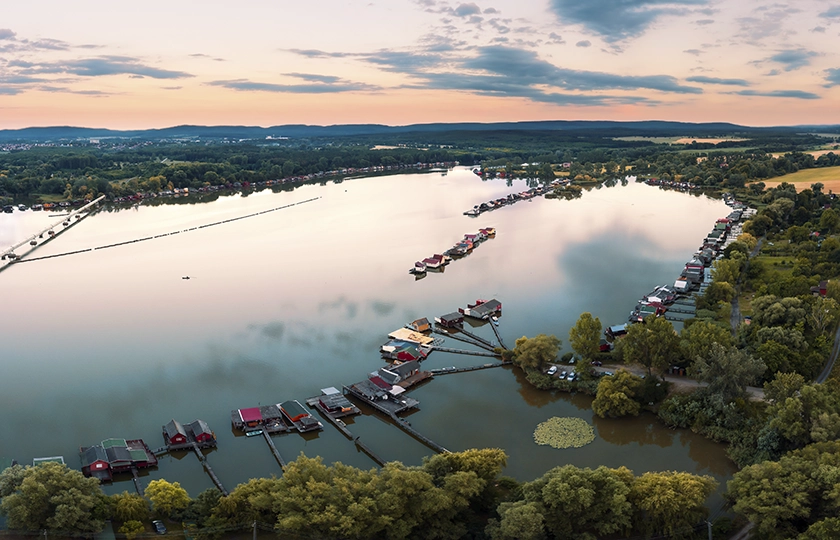
In Hungary, there are places unlike anything typically found in Central Europe. This is certainly true of Bokod, a small village where wooden houses extend out onto the lake via footbridges, creating a scene that is as simple as it is unexpected. A few kilometres away, Lake Balaton takes on a different scale: here the landscape opens up, revealing vineyards, inland beaches and villages that thrive on the water’s edge.
But beyond these two destinations, the country reveals itself in its national parks, on its plains criss-crossed by cycle routes, and in wetlands where birdwatching is part of the journey. A destination best appreciated when explored at a leisurely pace, linking small natural scenes rather than major landmarks.
Balearic Islands
In the Balearic Islands, sustainability has become a shared roadmap guiding the present and future of the destination, where the preservation of the natural environment and the well-being of local communities go hand in hand. This commitment is realised through the Sustainable Tourism Tax (ITS), a pioneering initiative that reinvests directly in the region to drive projects for conservation, heritage restoration, ecosystem protection and the energy transition.
From the restoration of natural spaces and the improvement of water infrastructure to the commitment to clean energy and responsible mobility, the projects funded by the ITS reflect a holistic vision of tourism that is more conscious and balanced. In an archipelago where the sea and the landscape define its identity, every trip also becomes a way of contributing to its care, consolidating the Balearic Islands as a Mediterranean benchmark in sustainability applied to tourism.
Cook Islands
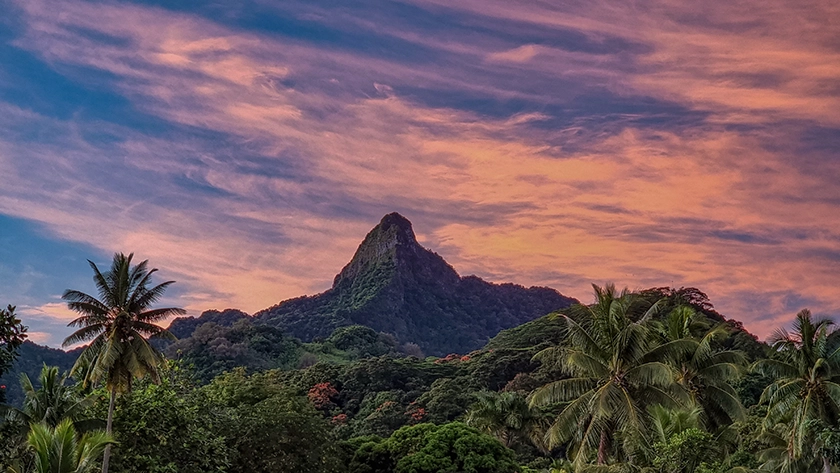
Located in the heart of the South Pacific, between New Zealand and Hawaii, the Cook Islands are an archipelago where the connection to the land, the sea and the community forms an essential part of their identity. Here, travel is guided by the principle of Mana Tiaki, a local philosophy based on respect, care and shared responsibility towards the environment.
More than just an idea, it is a way of life and of welcoming visitors: those who arrive also become part of that balance. This approach is reflected in a conscious model of tourism, where protecting the natural environment and preserving local culture are a priority. Travelling to this paradise means understanding that every action counts, and that discovering the destination also means contributing to its care.
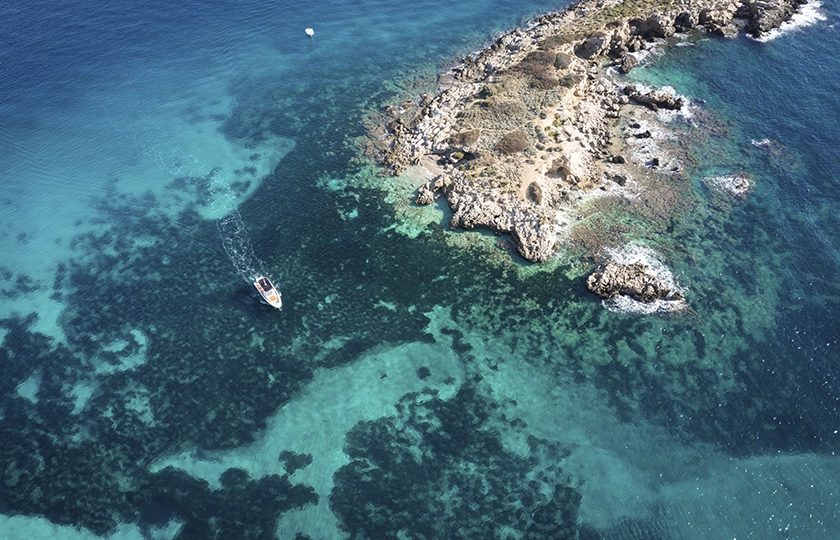
Featured image: The coast of Malta. ©Visit Malta
Source: NEWLINK