

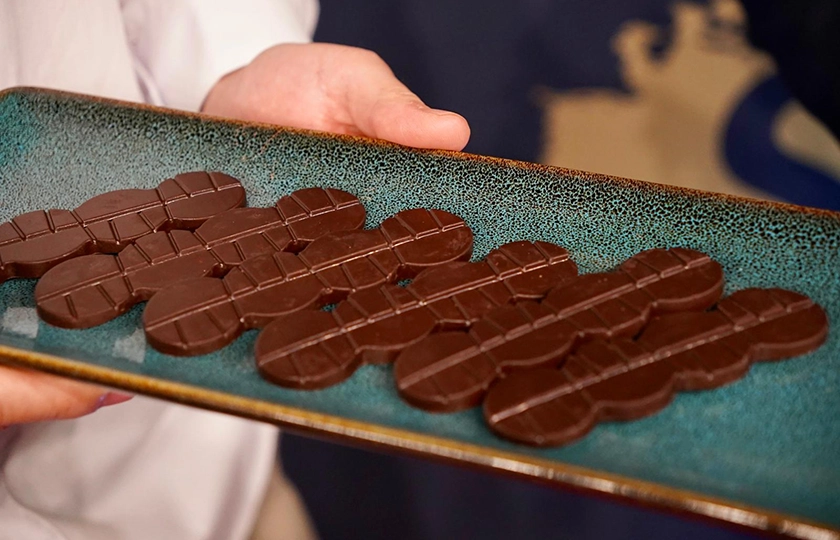
The Hospitality Guild is promoting “Chocolate de Castelldefels 1792”, an initiative that revives the historic tradition of the Can Roca chocolate vats and transforms the town into a meeting point for culture, gastronomy and fine aromatic cocoa.
Castelldefels is looking back to its roots to project itself onto the world through chocolate. The “Chocolate de Castelldefels 1792” project, promoted by the Castelldefels Hospitality Guild, revives a historic tradition linked to the ponds and the Can Roca fountain, inaugurated in 1792 as one of the town’s main social and festive venues.
The story dates back to 1791, when Josefa Sanmartí and her son Josep Roca Sanmartí applied for permission to search for groundwater and construct a mine on the land of the Ca n’Esteve de Puigdegall farmhouses and the Casa de l’Horta. The project, led by the architect and master builder Joan Fàbregas, resulted in the creation of the well-known Can Roca ponds and a public fountain much appreciated by the local population due to the poor quality of the town’s water supply.
Official authorisation was granted on 23 January 1792 and the ponds were inaugurated on 15 August of that same year, coinciding with the celebration of the Virgin of Health. According to historical records, the site was decorated with flowers and garlands and hosted refreshments and a large public hot chocolate party, a common custom in Barcelona but unprecedented until then in Castelldefels.
From that moment on, the Can Roca ponds became a festive and social meeting place throughout the 19th and 20th centuries. On special occasions such as Ash Wednesday, Easter Monday, the Feast of Our Lady of Health or the Feast of the Immaculate Conception, residents and families would gather amongst the pine trees and picnic areas to enjoy music, dancing and communal meals. It was traditional for well-to-do households to offer refreshing drinks such as almond horchata, cinnamon water, aurora water, lemonade and orangeade with crushed ice.
Inspired by this legacy, the “Chocolate de Castelldefels 1792” project brings together the local confectionery, ice cream and catering sectors to revive and reinterpret historic recipes made with chocolate. The initiative also incorporates the traditional cuisine of Castelldefels, where cocoa has been a key ingredient in iconic dishes such as baby octopus with chocolate or prawn fricandó.
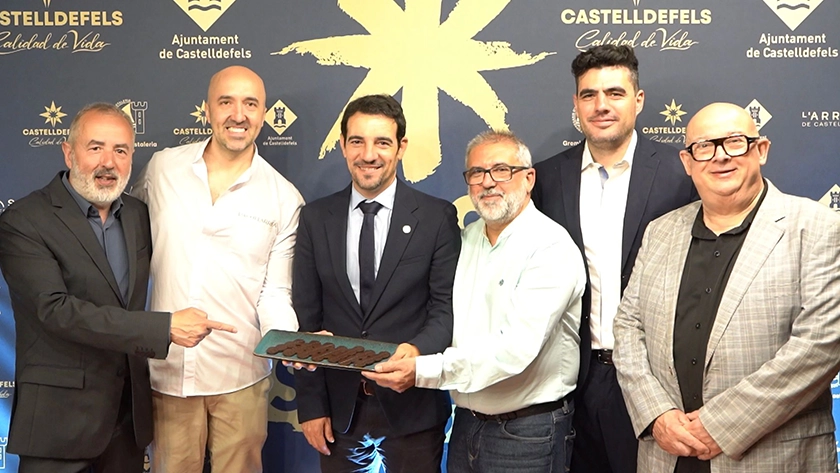
The historical recipe, documented by historian and gastronomic promoter Jordi Tresserras, was made with cocoa from Guayaquil, Magdalena and Caracas, sugar and spices. This recipe has been reinterpreted by master chocolatier Pachi Larrea, ambassador for Ecuadorian fine-aroma cocoa and internationally renowned for his pastry creations.
The new chocolate will be available in bar form, as a traditional drink, and also incorporated into local pastries and dishes. The project draws on the collaborative model previously developed for Castelldefels rice and now aims to promote an international network of cities linked to cocoa.
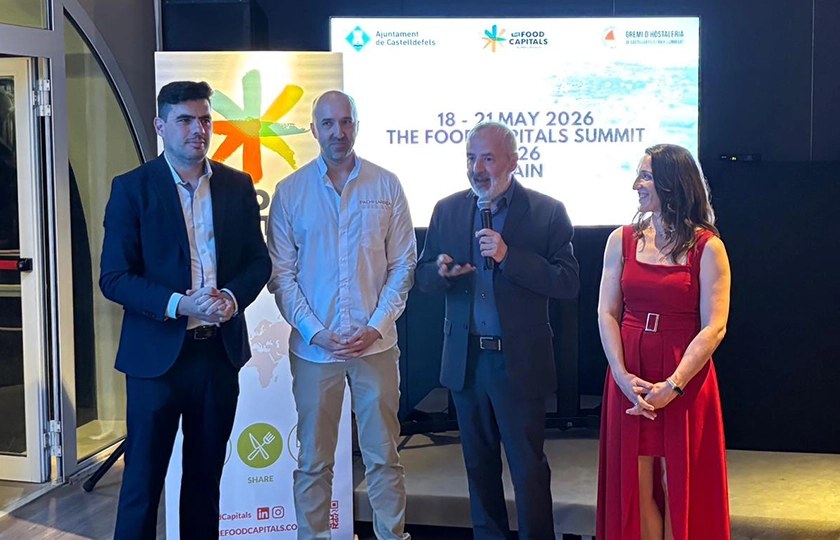
The initiative envisages the creation of the World Capitals of Cocoa and Chocolate working group, initially comprising Castelldefels, Guayaquil and Portoviejo, with the aim of soon incorporating new locations and strengthening cultural, gastronomic and economic ties centred on high-quality cocoa and chocolate.
Source: TRAVEL MEDIA HUB