

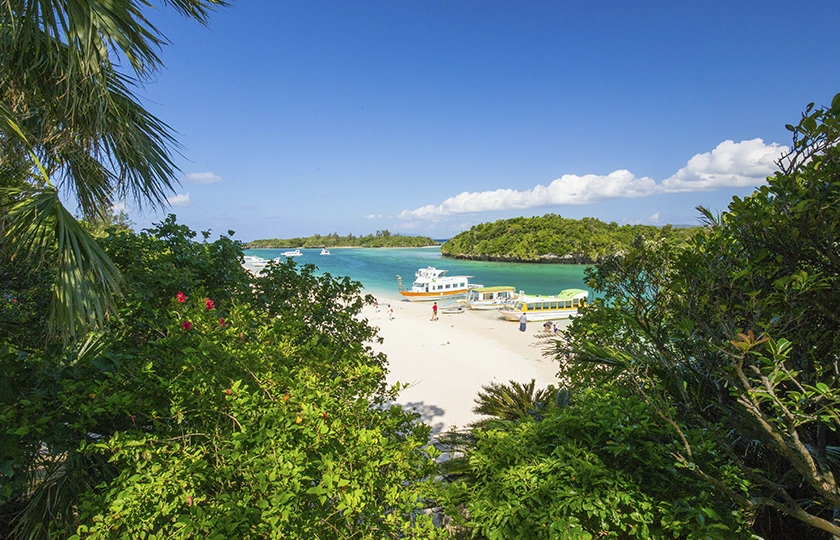
Subtropical beaches, almost untouched rainforests, a historical heritage currently being restored, and a style of travel characterised by island-hopping paint a different picture of a trip to Japan, far removed from its more urban image.
In contrast to Japan’s more metropolitan image, Okinawa emerges as a region where travel is defined by contact with nature, a leisurely pace and a landscape shaped by the sea. Located about two and a half hours’ flight from Tokyo, this archipelago at the southernmost tip of the country boasts subtropical rainforests, mangroves and coral reefs, making it one of the most appealing destinations for rest and relaxation.
Okinawa’s character is also reflected in its way of life: the strong social bonds within its communities, the cultivation of a vital sense of purpose, as well as a healthy diet combined with a discipline that promotes moderation to age with vitality. For this reason, the archipelago forms part of the so-called “Blue Zones”, areas of the world where the population enjoys exceptional longevity.
What is the best way to enjoy both Okinawa’s landscapes and its way of life? island hopping—visiting different islands on a single trip—is the most natural way to discover it. With over 160 islands, mild temperatures all year round and excellent conditions for sailing and diving, the archipelago allows you to combine ferries and domestic flights to travel, in just a few hours, from white sandy beaches to dense forests or virtually unspoilt landscapes.
The main island, Okinawa Hontō, is home to much of this harmonious blend of heritage and nature. In the far north, Yanbaru National Park is home to extensive subtropical forests and mangroves of great ecological value, whilst the Churaumi Aquarium has become one of the country’s leading centres for marine education, featuring iconic species such as the whale shark.
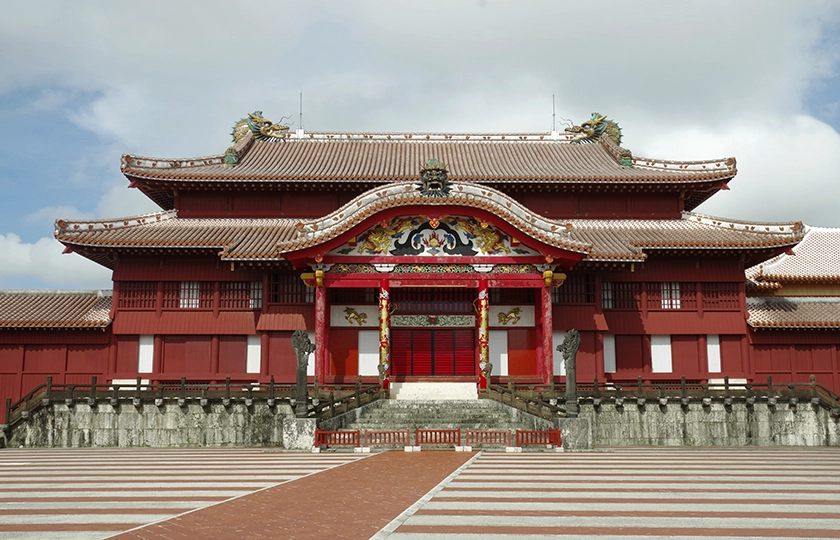
In Naha, the capital, all eyes are on the reconstruction work on Shuri Castle, the jewel of its historical heritage, following the fire it suffered in 2019. With the opening of its main hall scheduled for this autumn, those visiting now will have a unique opportunity to witness the restorers’ work, carried out using original materials and traditional building techniques.
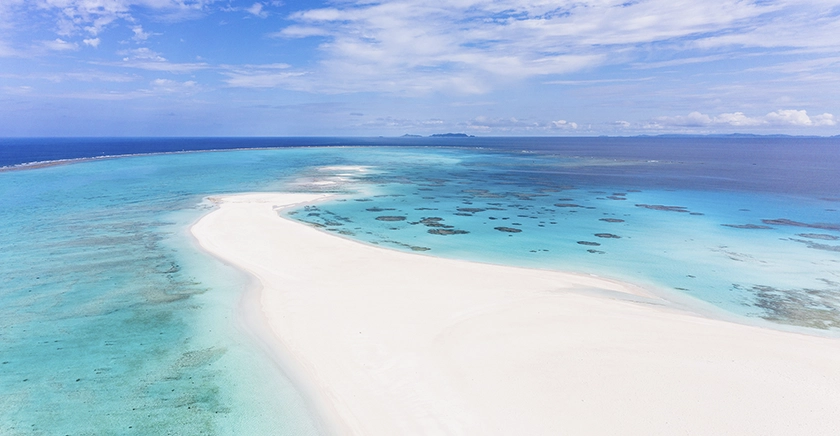
Beyond the main island, island hopping reveals a variety of very distinct landscapes. The islands of Miyako and Kerama stand out for the biodiversity of their waters, teeming with multicoloured fish and sea turtles, and for the distinctive blue hue of their waters, created by the sun’s reflection off white coral reefs, which has established them as leading destinations for diving and snorkelling in Asia.
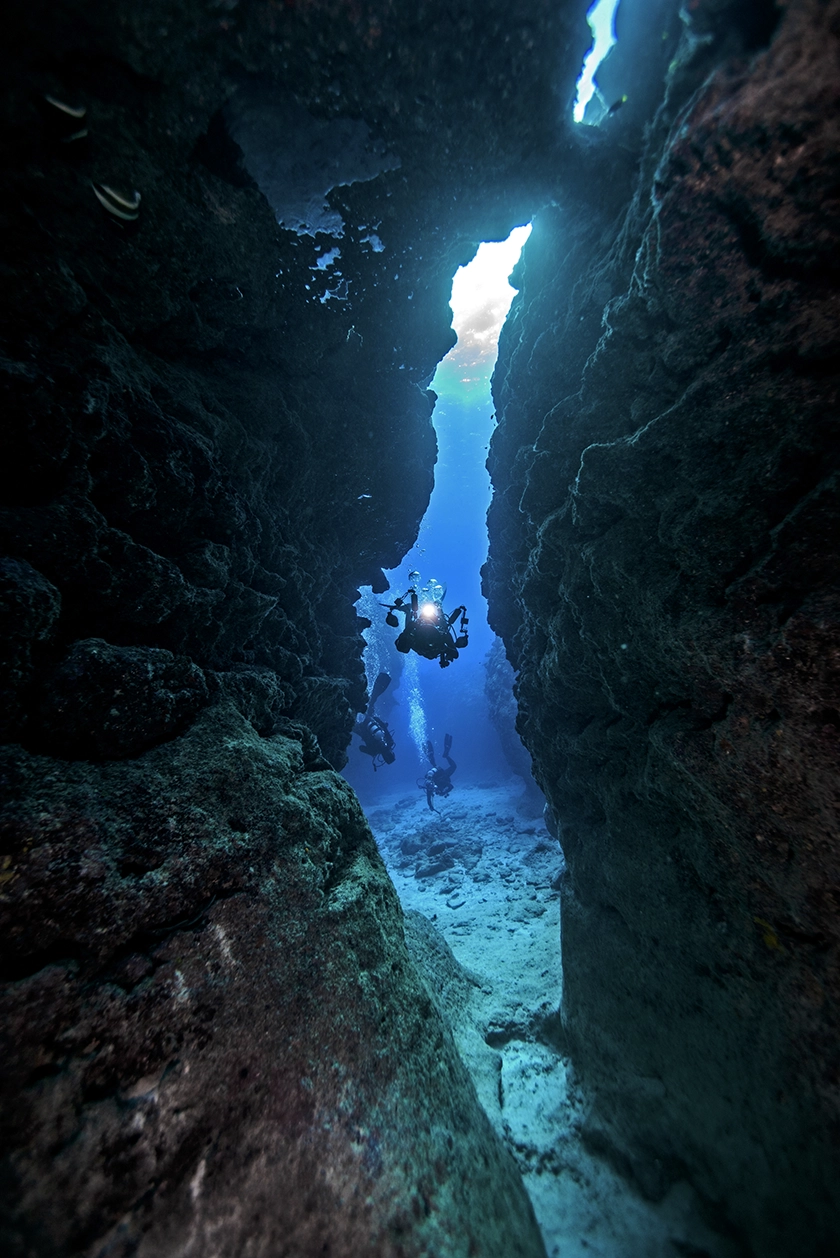
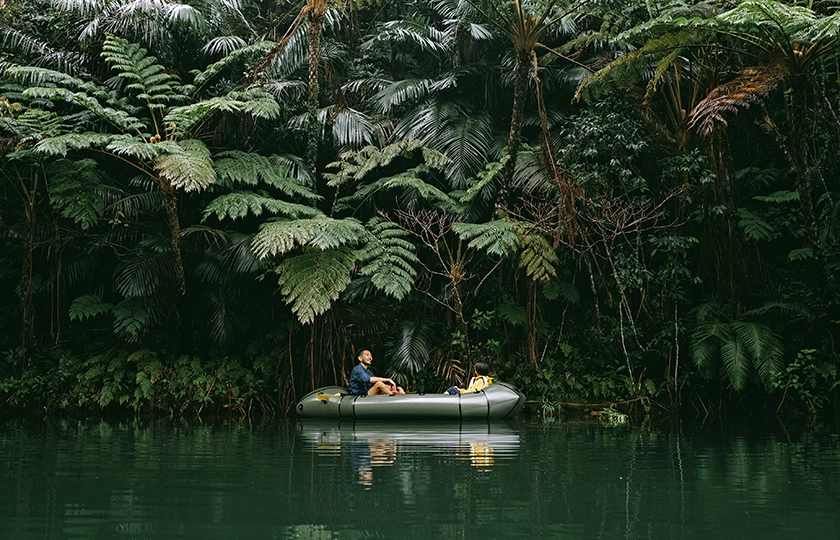
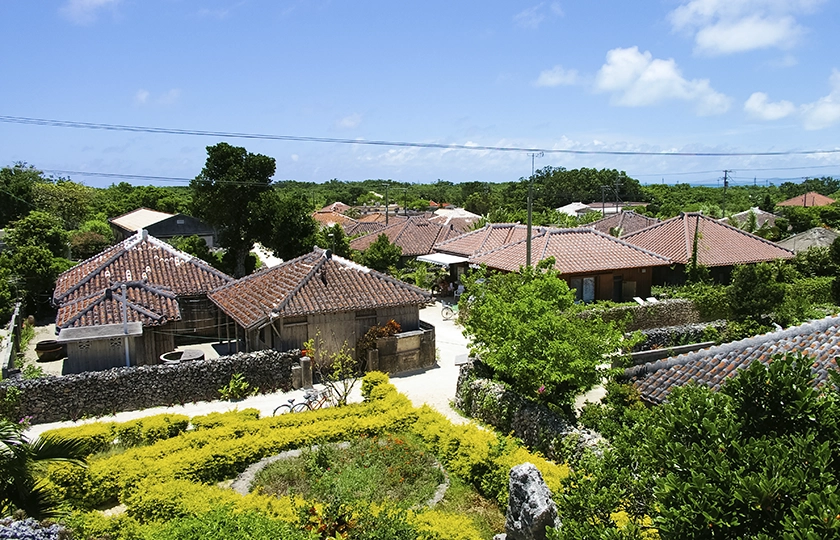
At the westernmost tip, the Yaeyama archipelago boasts some of Japan’s best-preserved landscapes: the island of Ishigaki is one of the country’s leading destinations for diving with manta rays and astro-tourism; Iriomote, designated a Natural World Heritage Site, boasts virgin rainforests and mangroves that cover most of its surface and can be explored on foot or by kayak; and, finally, Taketomi invites visitors on a journey back in time to the purest and most traditional essence of Okinawa, with its streets of white coral sand, stone houses crowned with shiisa figures and the leisurely pace of its ox-drawn carts.
About JNTO
The Japan National Tourism Organisation (JNTO) is an independent administrative agency of the Japanese government whose role is to promote Japan as a tourist destination. In 2024, a total of 182,300 Spanish tourists travelled to Japan (an increase of 57.3% compared with the previous year and 40% compared with 2019, when 130,243 travellers from Spain visited the country). Following the opening of its first office in Spain in March 2017, the JNTO now has 26 offices worldwide and is also linked to the Japan Tourism Agency of the Ministry of Land, Infrastructure, Transport and Tourism. The Madrid office is responsible for promoting tourism to Japan in Spain and Portugal; its functions include assisting tourism professionals in the promotion and development of new destinations and itineraries, and participating in trade fairs and professional tourism events. In addition, it is responsible for providing information and materials to tourists wishing to travel to Japan, collaborating with and providing information about Japan to the media and journalists, promoting the country as a MICE destination, and conducting studies on Spanish outbound tourism to Japan.
Opening image: Ishigaki, Kabira Bay
Source: COMUNICACIÓN IBEROAMERICANA