

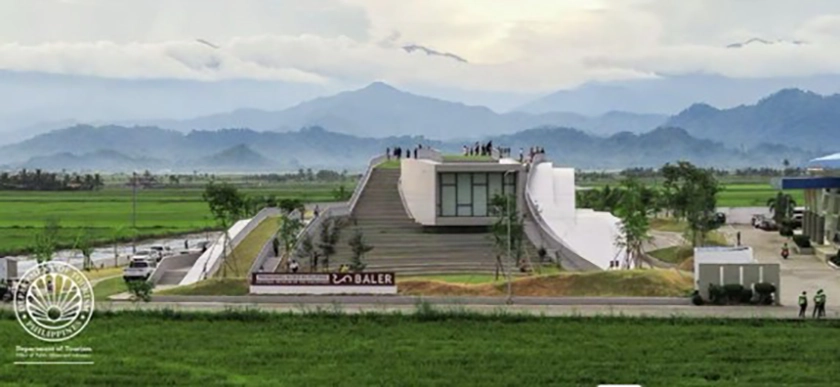
History, culture and tourism come together in a new space that strengthens the ties between the Philippines and Spain.
The opening of the new Spanish-Philippine Friendship Gallery at the Baler National Museum, in the province of Aurora, highlights over a century of shared history, cultural exchange and close ties between the Philippines and Spain. Spearheaded by the Philippine Department of Tourism (DOT), this initiative pays tribute to the shared legacy that unites both countries and invites Spanish travellers to discover a destination where Hispanic heritage coexists with the cultural and natural riches of South-East Asia.
The recent inauguration of this exhibition space serves as a moving reminder of the history that continues to connect Filipinos and Spaniards today. From language, architecture, cuisine and traditions to deep-rooted family and cultural ties, the relationship between the Philippines and Spain remains one of the most unique and enduring between Asia and Europe.
“The history of the Philippines and Spain is not just a story of the past: it is a living relationship based on mutual respect, cultural exchange and friendship. To mark this celebration, we cordially invite Spanish travellers to rediscover the Philippines and enjoy a destination where the mark of the Spanish legacy blends naturally with Asian warmth, the beauty of its landscapes and first-class hospitality”, said Jérome Díaz, the new Tourism Attaché for Europe at the Philippine Department of Tourism.
A family-friendly destination with a deeply Asian essence
For Spanish travellers, the Philippines offers the opportunity to discover a destination where centuries of shared history coexist with the dynamism of contemporary Asia.
Visitors can explore the UNESCO World Heritage-listed churches in northern Luzon, stroll through the cobbled streets of Intramuros, discover the historic city of Vigan, enjoy vibrant Spanish-influenced festivities and sample a cuisine that reflects centuries of cultural exchange.
Beyond its historical heritage, the Philippines comprises more than 7,600 islands boasting unspoilt beaches, spectacular diving spots, nature tourism experiences, wellness retreats, a rich culinary scene and dynamic urban destinations.
Spain ranks among the fastest-growing European markets for Philippine tourism. In 2026, the number of Spanish visitors continues to show a very positive trend, reflecting growing interest in authentic, long-haul destinations in Asia.
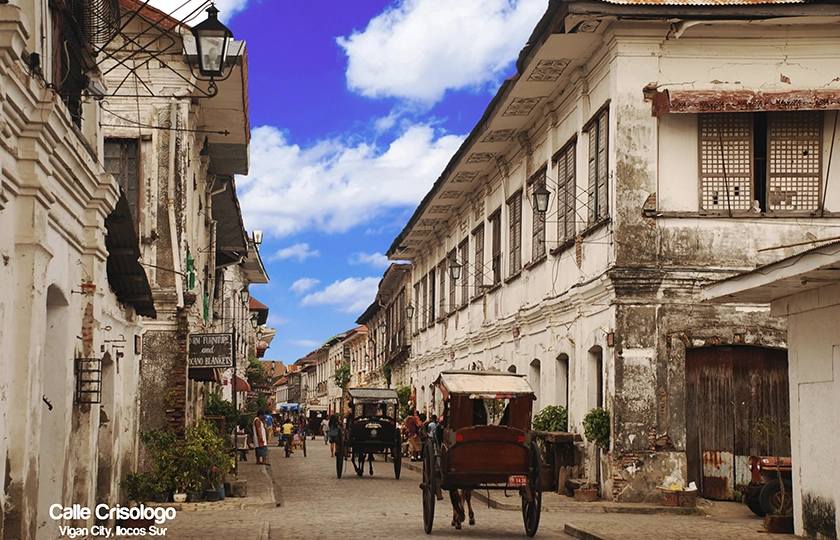
The Philippines, easily accessible from Spain thanks to extensive international air links
The Philippines is a destination that is easily accessible from Spain thanks to the extensive network of international airlines connecting Madrid, Barcelona and other Spanish cities with the country’s main gateways, such as Manila, Cebu and Clark.
Travellers can choose from numerous connections with a single stopover via the main aviation hubs in the Middle East, Asia and Europe, allowing them to enjoy flexible timetables and seamless connections to multiple destinations across the archipelago.
The country’s excellent connectivity facilitates access not only to Manila, but also to some of the Philippines’ most popular island and holiday destinations. Thanks to a well-established network of international and domestic flights, travellers can easily continue their journey to world-renowned destinations such as Palawan, Boracay, Siargao, Bohol, Cebu, Davao and many other up-and-coming destinations scattered across the archipelago.
Major airports in the Middle East play a key role as a bridge between Europe and South-East Asia, offering convenient transit options and extensive connections to the Philippines. Similarly, major Asian hubs provide efficient access to numerous destinations across the country, whilst various European cities offer alternative routes that allow travellers to combine flights via well-established international networks.
With a wide range of travel options available all year round, the Philippines remains one of the most accessible destinations in South-East Asia for Spanish travellers. Whether seeking idyllic beaches, cultural experiences, gastronomy, wellness, diving or nature tourism, visitors can reach the country via a wide variety of routes supported by a robust network of international air links.
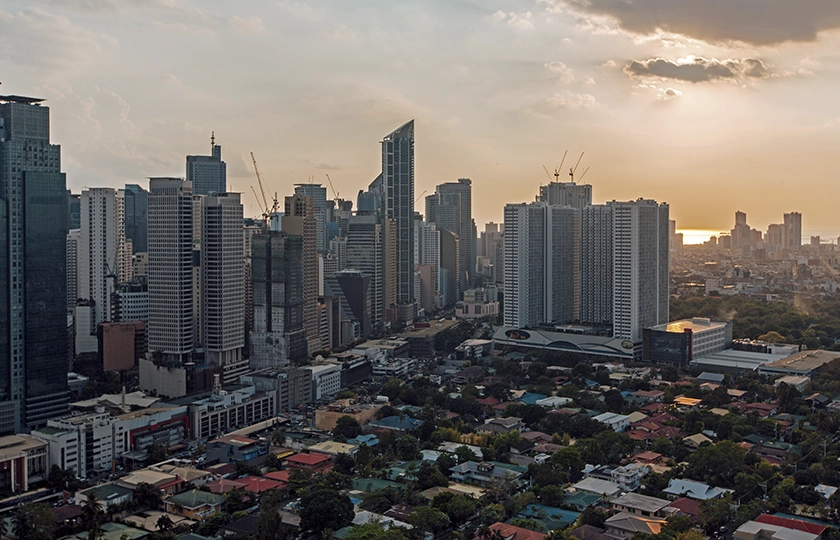
The Philippines awaits you
Whether they are looking for tropical islands, some of the world’s best diving destinations, wellness getaways, culinary experiences, cultural immersion or multi-destination trips, Spanish travellers will find the Philippines to be a country that is both familiar and surprisingly different.
Thus, as celebrated a few days ago to mark Spanish-Philippine Friendship Day on 30 June, the Philippines extends a warm invitation to the Spanish people to discover the beauty, hospitality and warmth that continue to make the country one of the most attractive and enriching destinations in Asia.

About the PHILIPPINES
Comprising 7,641 islands, of which more than 5,000 are not named on international maps, the Philippines presents itself as a destination of endless possibilities, where exploration and discovery are part of the experience. This unique geography, characterised by spectacular natural features such as volcanic landscapes, tropical rainforests and exceptional biodiversity, is complemented by the world’s fourth-longest coastline. A natural privilege that translates into kilometres of idyllic beaches, crystal-clear waters and some of the richest marine ecosystems on the planet.
Source: COMUNICACIÓN IBEROAMERICANA