

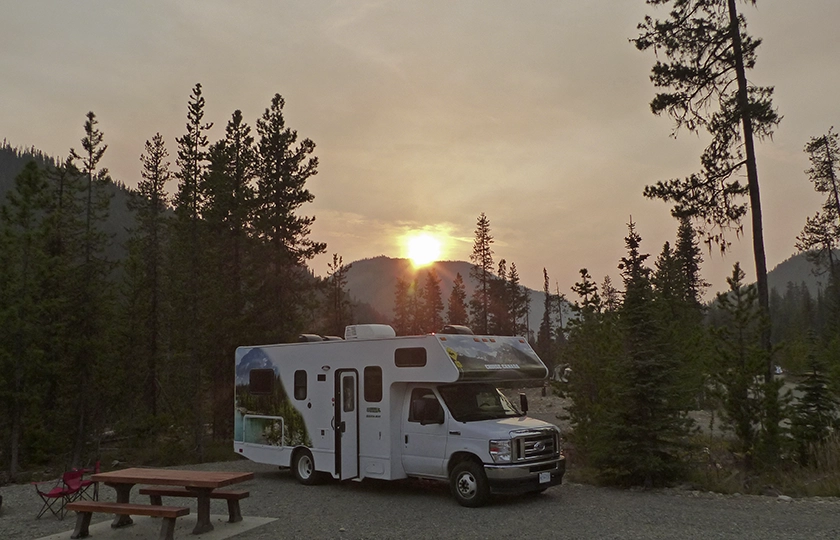
In a summer characterised by high temperatures, dry ground and an increased risk of wildfires, planning routes, the responsible use of fire and respect for natural areas are some of the aspects travellers should bear in mind.
Spain is facing a particularly challenging summer due to the risk of wildfires. High temperatures and dry ground – increasingly influenced by climate change – mean that episodes of extreme heat and conditions favourable to the spread of fire are becoming an ever more frequent reality during the summer months. July 2026, in fact, was one of the hottest months on record in Spain, whilst the fires recorded this summer have once again highlighted the vulnerability of natural areas.
Against this backdrop, the way we enjoy nature also requires us to adapt certain habits. Travelling in a campervan or motorhome allows you to discover natural environments and rural areas, but doing so responsibly means taking extreme precautions and minimising any impact on particularly vulnerable areas during the fire season.
In light of this situation, CamperDays, the leading motorhome hire platform, has compiled a series of recommendations for those travelling by motorhome during the summer months, with the aim of promoting more responsible travel and reducing the risks associated with this type of journey.
Check the fire risk before setting off
Planning your trip can also be a preventative measure. This year, AEMET has launched a new Forest Fire Danger Index (IPIF), which allows you to check the predicted danger level for different areas and anticipate situations of greater risk. The index incorporates meteorological variables such as temperature, humidity and wind, alongside other factors such as vegetation cover, forest land use and soil moisture, and establishes six danger levels: very low, low, moderate, high, very high and extreme.
Checking this information before setting off on a route and whilst travelling can help you make more responsible decisions, adjust your itinerary if conditions require it, and avoid activities that may increase the risk of fire.
This AEMET tool complements the recommendations issued by regional and local authorities and offers travellers an additional guide to enjoying natural areas more safely and with greater respect for the environment.
The use of fire must always comply with the regulations of each region
Barbecues, bonfires and any other use of fire are subject to the regulations of each autonomous community and may be prohibited at certain times of year, in certain areas or where there is a high risk of fire.
During the fire season, the safest advice is not to light fires outside of areas specifically designated and authorised for this purpose, and always to check the current restrictions before doing so. A seemingly minor act of negligence can have serious consequences.
You should also avoid throwing away cigarette ends, using fireworks or carrying out any activity that could produce sparks in areas with dry vegetation.
Leave no rubbish behind and minimise your impact on the natural environment
The golden rule for travelling through natural areas is simple: everything that goes into the camper van must come out with it, especially when it comes to rubbish that could pose a risk to the environment.
Rubbish must be disposed of in the designated bins and must never be left by the side of paths, rest areas or car parks. Particular care must be taken with cigarette ends, glass containers and other materials that could cause damage or act as a source of ignition.
But looking after the environment goes beyond waste management. Not picking plants, not feeding animals, avoiding unnecessary noise and respecting protected areas are also simple actions that help minimise your impact on the places you visit and contribute to preserving the very sites that make this type of travel so appealing.
Managing waste water correctly
When travelling in a campervan, it is also important to make responsible use of the facilities and resources available. Grey and black water must be disposed of exclusively at designated points and must never be discharged into the natural environment.
Planning your route to include authorised disposal points allows you to travel with greater autonomy whilst, at the same time, avoiding unnecessary impacts on the environment.
Consuming less energy
Reducing energy consumption not only extends the motorhome’s range but also helps to minimise its environmental impact.
Using lighting only when necessary, making the most of natural ventilation whenever conditions allow, and using air-conditioning systems sparingly are some of the simplest measures.
Where possible, you can also prioritise the use of solar panels or renewable energy generation systems available on the vehicle.
Always park in the designated areas and respect the environment
Parking in authorised areas is a basic rule of respect for natural spaces and must be observed throughout the year, regardless of the level of fire risk.
Parking only in designated areas helps to protect vegetation, prevent soil compaction and minimise disruption to wildlife and other visitors. During the peak fire risk season, staying within authorised areas also reduces the likelihood of a vehicle coming into contact with dry vegetation or blocking paths that may be needed by the emergency services.
Travelling in a motorhome also means looking after the places you visit. At a time when climate change is leading to higher temperatures and conditions more conducive to the spread of fires, enjoying natural areas also requires us to adapt our habits: with more planning, more prevention and greater respect for the environment.
About CAMPERDAYS
Launched in Germany in 2013, CamperDays is Europe’s leading motorhome tour operator, working with 150 suppliers at over 1,000 stations worldwide.
CamperDays provides access to over 40,000 vehicles available for hire in 35 countries worldwide, including destinations such as Spain, Europe, Australia, the United States, Canada and South Africa. The platform allows customers to choose from a selection of trusted providers worldwide via a simple three-step booking process, with hire rates starting from just 80 euros a day.
Since its launch, CamperDays customers have booked more than 1,000,000 nights in vehicles hired through the site. CamperDays offers access to a wide selection of motorhomes and caravans for all types of travellers, with transparent pricing and no hidden costs. All vehicles come with insurance, so hirers can enjoy a worry-free holiday.
For further information or to make a booking, visit the website: https://www.camperdays.es/
Source: ATREVIA Comunicación