
With daily direct flights between Barcelona and Seoul from September – in addition to the four weekly flights from Madrid – South Korea invites you to experience ‘danpung’ with an autumn programme packed with new reasons to visit the country: Fun Stations, festivals and experiences across the nation.
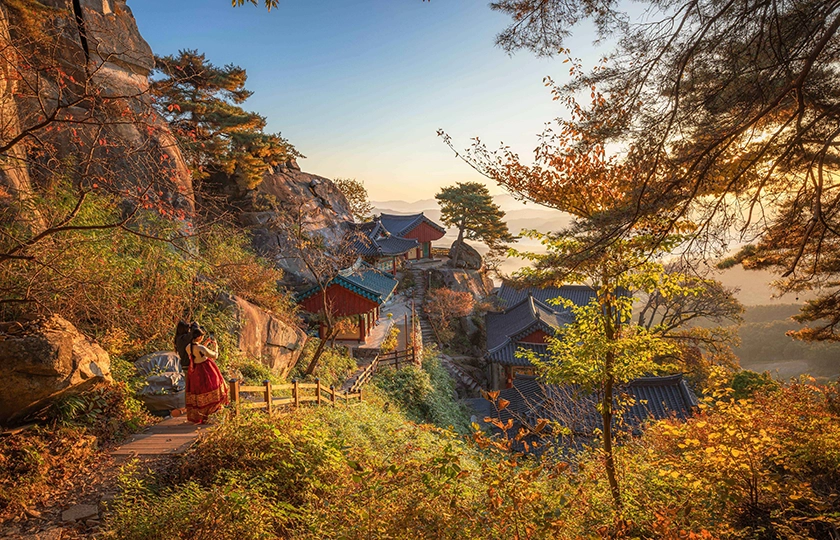
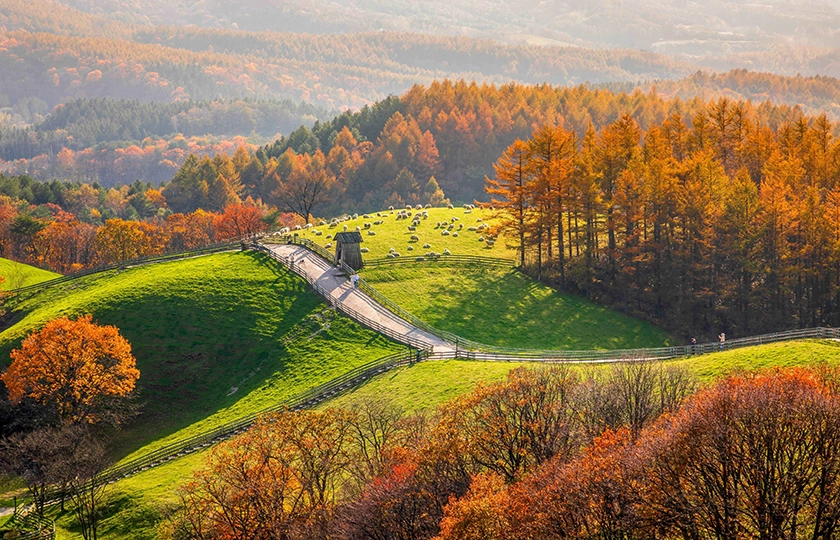
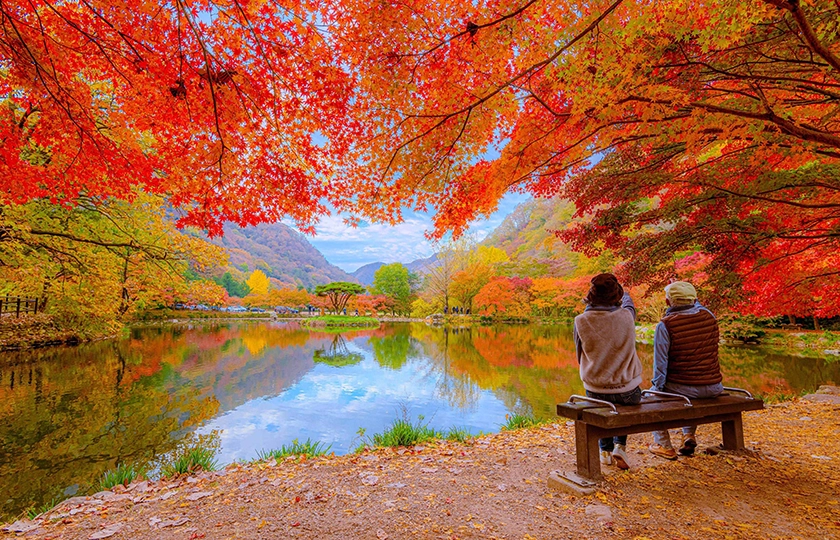
Autumn in South Korea is like a canvas painted with the season’s most vibrant colours. The leaves turn shades of red, orange and yellow, creating a visual spectacle known as danpung. But, as well as its autumnal landscapes, this time of year is brimming with activities, festivals and new experiences that allow you to immerse yourself fully in Korean culture. And this year, Spanish travellers have it easier than ever; as a new development, from September onwards, there will be daily direct flights between Barcelona-El Prat and Incheon International Airport, in addition to the four weekly flights that already connect Madrid with Seoul.
What’s more, the country offers new reasons to travel during one of its most special seasons. In Seoul, from October onwards, visitors will be able to discover the new Fun Station beneath Seoul Plaza – a space that has been closed to the public for 40 years and is set to be transformed into a complex dedicated to K-content. Added to this are major festivals and some of the best spots to enjoy the colours of autumn.
Korea in festival mode
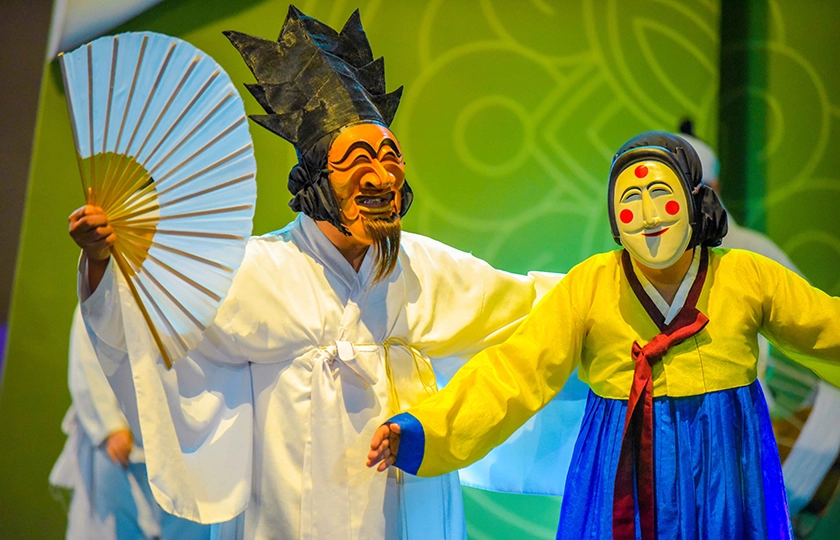
Autumn is one of the peak festival seasons in Korea. Between September and November, the calendar is packed with events that offer an insight into the country through its culture, cuisine and landscapes. In Andong, the Andong Mask Dance Festival, running from 24 September to 4 October, celebrates Korean mask dances – designated as Intangible Cultural Heritage by UNESCO – with performances, parades and hands-on activities. The city is also one of the major cultural destinations this autumn thanks to the traditional village of Hahoe, its hanok architecture and its scenery along the Nakdong River.
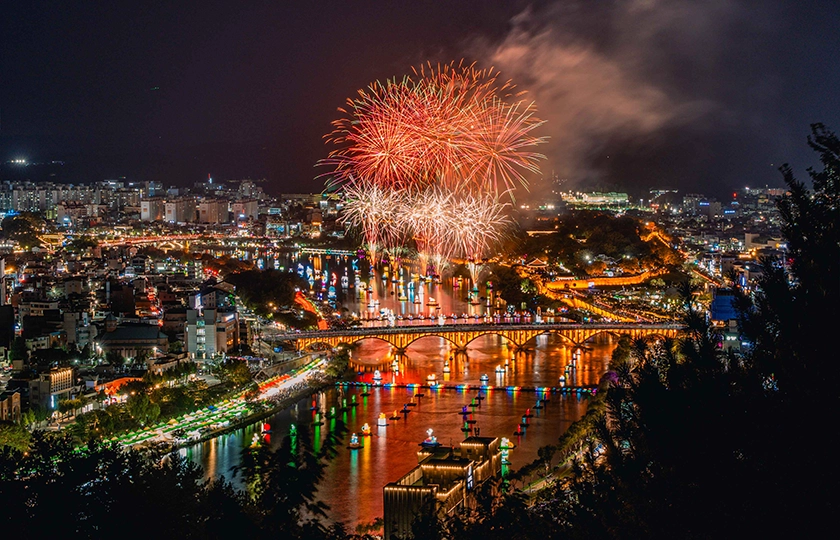
The night also takes centre stage at this time of year. In Jinju, the Jinju Namgang Yudeung Festival will light up the Namgang River from 3 to 18 October with thousands of floating lanterns, light installations and fireworks, whilst the Muju Firefly Festival, running from 4 to 12 September, invites visitors to watch fireflies in a protected natural environment.
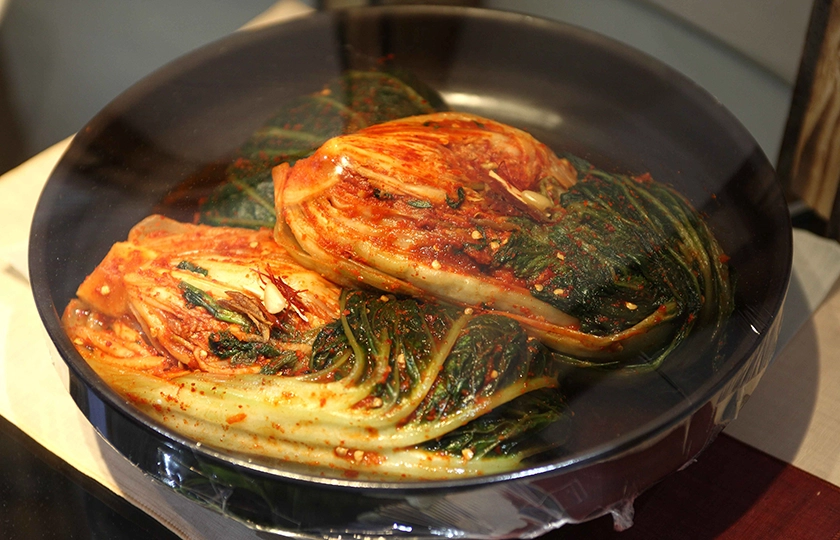
The programme continues with festivals that bring together history, heritage and gastronomy. The Gwangju Kimchi Festival, from 23 to 25 October, offers visitors the chance to discover one of the great icons of Korean cuisine; and the Gangneung Coffee Festival, from 21 to 25 October, makes this coastal city an unmissable stop for coffee lovers.
Beyond Seoul: island culture in Yeosu and Busan, taken at a leisurely pace
Outside the capital, one of the most distinctive events of the autumn will be the World Island Exhibition Yeosu Korea 2026, which will take place from 5 September to 4 November in Yeosu, in the south of the country. More than just a traditional exhibition, the event will transform the city’s islands and coastline into a vast open-air stage dedicated to island culture, marine sustainability and the future of coastal communities.
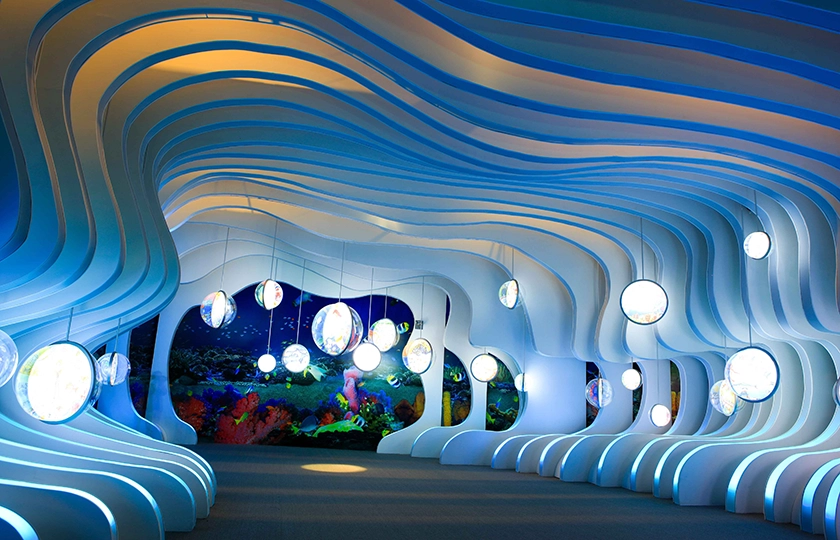
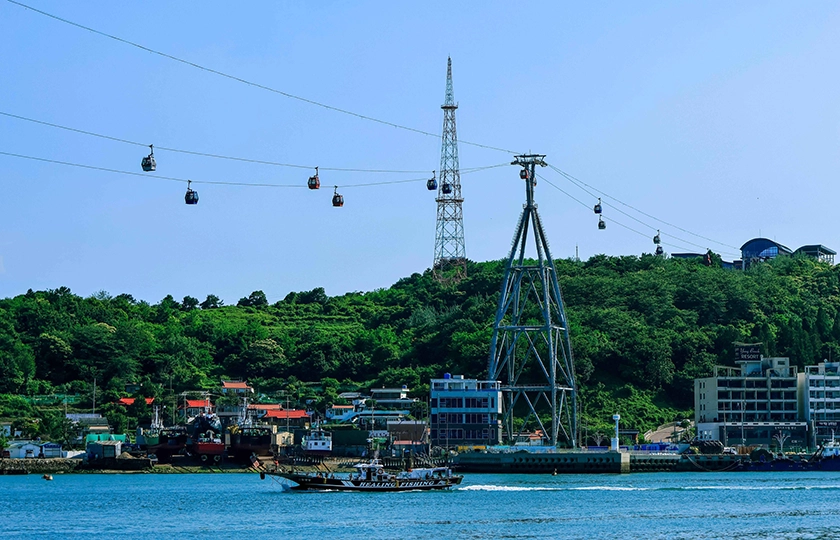
As well as exhibition pavilions, media art and immersive content, the programme will offer visitors the chance to discover some of Yeosu’s major attractions, ranging from coastal walks such as the Bireong Trail on Geumodo to kayaking, camping and the salt marshes on Gaedo, not to mention the maritime cable car that crosses the sea between Dolsan Island and the city.
Busan, for its part, invites visitors to discover a lesser-known side of the city beyond Haeundae and Gwangalli. In 2026, the city has launched new regional tourism programmes to spread visitor numbers more evenly and showcase local neighbourhoods, nature, history and culture. Highlights include wellness trails around Geumjeongsan and Beomeosa Temple, featuring hiking, temple cuisine, meditation and traditional tea, as well as forest healing, aromatherapy and wellness experiences in Gijang, near Ahopsan Forest and Imrang Beach.
The best plans and spots to enjoy the danpung
Between October and early November, the danpung transforms mountains, parks, gardens and temples into landscapes tinged with red, orange and gold. In Seoul, travellers can enjoy it without leaving the city, with walks through palaces such as Gyeongbokgung, urban trails on Bukhansan, and gardens and natural viewpoints offering views of the skyline surrounded by mountains.
Furthermore, until 27 October, the city is also hosting the Seoul International Garden Show 2026, the largest and longest-running edition to date. The event, which stretches from Seoul Forest to the River Han, Seongsu and Gwangjin, brings together 167 gardens created by designers, institutions, companies and members of the public, as well as guided tours, interactive experiences and content available in several languages, including Spanish.
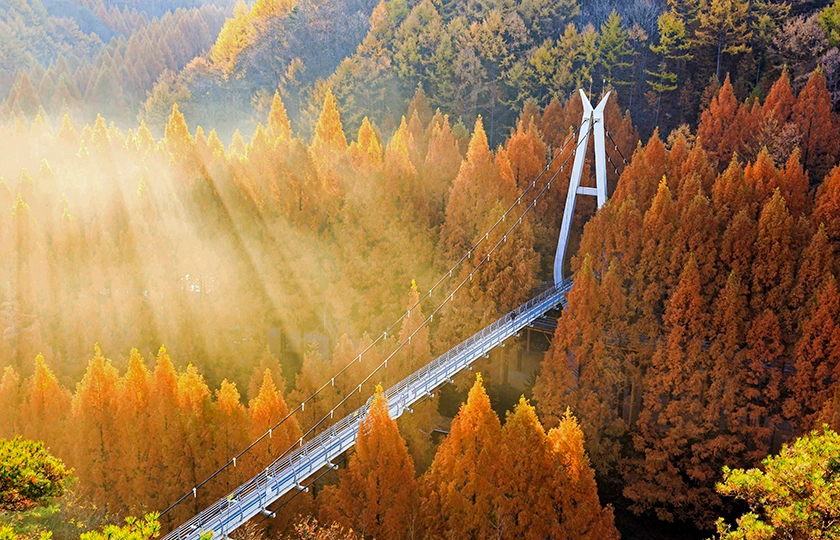
Outside the capital, the journey becomes an invitation to discover some of the country’s most special autumnal landscapes. Seoraksan National Park, one of the first places where the leaves begin to change colour; Naejangsan, known for its tunnels of maple trees; Jirisan, Korea’s largest national park; Nami Island, which is particularly photogenic in autumn; and the tea fields of Boseong are just some of the most special stops for enjoying the season at a leisurely pace, amidst nature, photography, local culture and cuisine.
Experiences to round off your trip
Korea also offers more specific experiences that are closely aligned with the trends shaping travel to the country. Until 30 September, the Korea Beauty Festival Travel Product Exhibition will showcase a range of K-beauty offerings, from make-up and skincare to personalised colour analysis, hairdressing, wellness and specialised treatments. In addition, travellers can take advantage of VISITKOREA Exclusive, the official platform for benefits and discounts promoted by the Korea Tourism Organisation in partnership with collaborating companies. The initiative includes perks on shopping, activities and experiences.
With new flight connections, a rapidly expanding cultural calendar and experiences that blend tradition, technology, nature and lifestyle, Korea is presenting itself this autumn as a more accessible, dynamic and surprising destination for Spanish travellers.
About the KOREA TOURISM ORGANISATION
The Korea Tourism Organisation is the official body responsible for promoting South Korea as a tourist destination internationally. Reporting to the Ministry of Culture, Sports and Tourism, it leads the development and global promotion of the country’s tourism sector, driving international marketing initiatives linked to Korean culture, developing digitalisation and innovation initiatives to enhance the traveller’s experience, and working on the creation and promotion of tourism content in various target markets. It also collaborates closely with the various stakeholders in the sector to strengthen a competitive and sustainable tourism ecosystem.
Further information: https://english.visitkorea.or.kr/svc/main/index.do
Source: KLEBER Group