

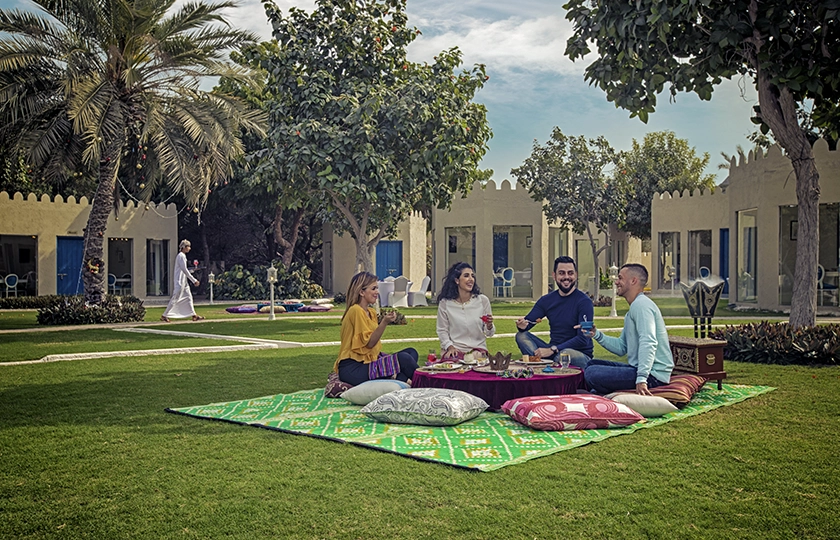
- The Sultanate of Oman ranks third in the world for quality of life and fourth as the world’s safest country, cementing its position as the undisputed leader in the region according to the prestigious Numbeo index.
- Numbeo’s assessment goes beyond economic data: its rigorous methodology measures real well-being through factors such as safety, health, a low cost of living and urban mobility.
- Beyond the figures, Oman reveals itself as an unmissable destination of natural contrasts and cultural heritage, perfect for travellers seeking authenticity.
Whilst most travellers continue to associate the Arabian Peninsula with other, more high-profile destinations, this sultanate has, almost quietly, become one of the safest places in the world with the highest quality of life.
The data confirms this: according to Numbeo’s Quality of Life Index for the first half of 2026, Oman ranks third globally, with 203.9 points, behind only the Netherlands and Luxembourg, and ahead of countries such as Switzerland, Finland and Germany. This represents a significant leap from the fourth place it held a year earlier, and also allows it to retain its position as the highest-ranked country in the whole of Asia and the Arab world.
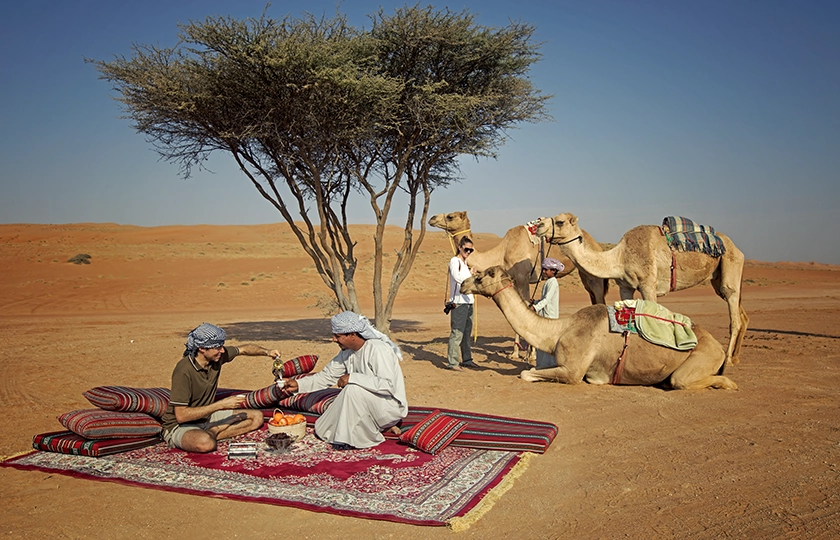
Behind this rise lies a striking statistic: Oman’s safety index stands at 81.7 out of 100, the highest score amongst the ten countries with the best quality of life on the planet. This haven of safety, combined with high purchasing power and short journey times, are some of the key factors explaining why an increasing number of travellers are beginning to take notice of this destination.
Unlike other international indices that base their assessments exclusively on economic performance or GDP, Numbeo’s Quality of Life Index takes a human and holistic approach. Its methodology is widely recognised for its reliability, as it measures residents’ day-to-day quality of life through factors that directly impact their everyday well-being: safety levels, purchasing power, access to healthcare, the housing price-to-income ratio, travel times, pollution levels and climate suitability.
This international recognition merely confirms what the most seasoned travellers are already discovering: Oman is a hidden gem that defies stereotypes. The Al Hajar mountain range features imposing canyons and extensive hiking trails, and in the height of summer, between June and September, the southern region of Dhofar undergoes an almost magical transformation: the mountains are cloaked in green and the landscape takes on a tropical feel during the Khareef, a monsoon that transforms the region into a picturesque landscape of waterfalls and lush vegetation.
About OMAN
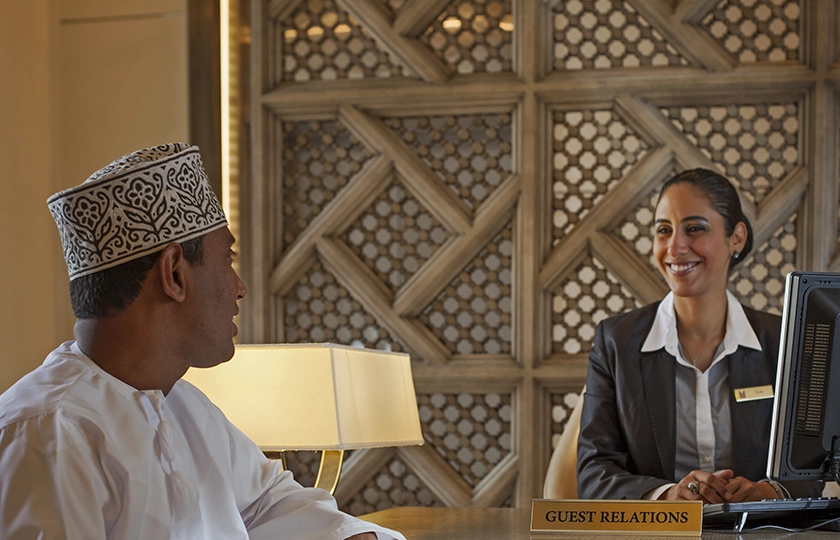
Situated in the south-east of the Arabian Peninsula, Oman boasts more than 3,000 kilometres of coastline along the Arabian Sea and the Sea of Oman. Its territory features a wide variety of landscapes, ranging from deserts and mountains to valleys, wadis, beaches and tropical areas in the south of the country. This natural diversity is complemented by a rich historical heritage that includes sites designated as UNESCO World Heritage Sites. The country boasts an expanding network of tourist infrastructure, international air links and a range of accommodation that combines major brands with establishments seamlessly integrated into the local environment.
Further information at: www.experienceoman.om
Source: THE BLUEROOM PROJECT