

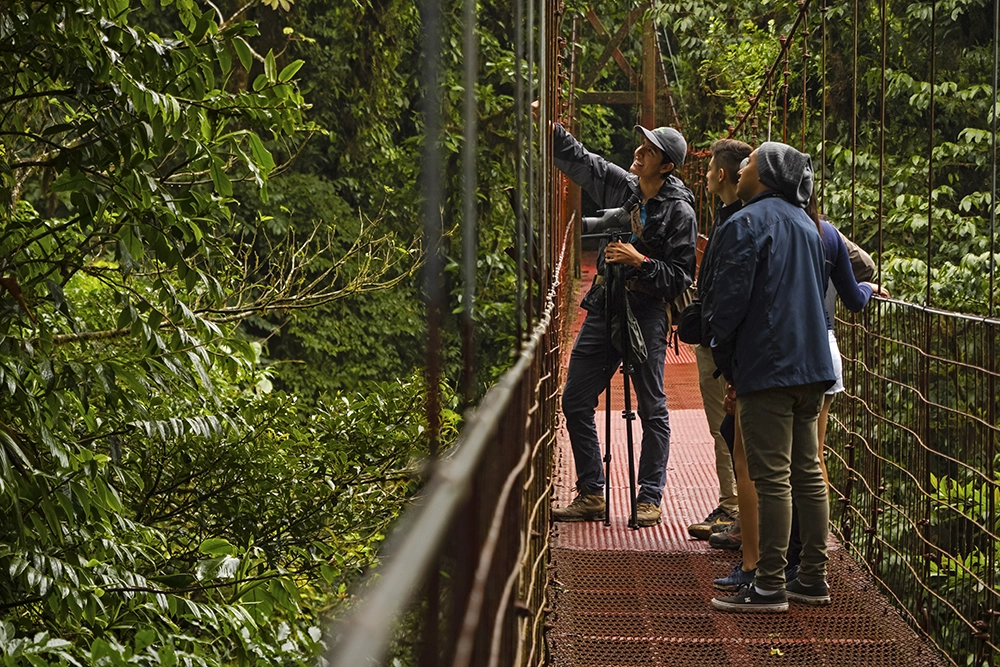
Amidst lush green landscapes, rivers regaining their full vigour and some of the country’s great wildlife cycles, the coming months reveal one of Costa Rica’s most vibrant and surprising sides.
There are moments when nature seems to turn up the volume, especially in a country that is home to 6.5 per cent of the world’s biodiversity. After several months in which the rains have nourished forests, rivers, wetlands and waterfalls, Costa Rica is now reaching one of its most spectacular moments: the vegetation becomes more lush, the rivers regain their full vigour and the landscapes take on a depth of green that is hard to find at other times of the year.
This is the result of what is known in Costa Rica as the ‘green season’ – the period when much of the country receives the heaviest rainfall and nature enters a phase of extraordinary vitality. In September, the full effects of this are evident across the landscape, whilst some of the country’s major wildlife cycles reach their peak: humpback whales migrate along the Pacific coast, sea turtles arrive on various beaches to lay their eggs, and the forests are filled with sound, movement and life.
More than just a season, it is a different way of discovering Costa Rica: greener, more abundant in water and especially vibrant, with the sense that nature is not merely to be observed, but is unfolding before the traveller’s very eyes.
Humpback whales: September, one of the Pacific’s finest months
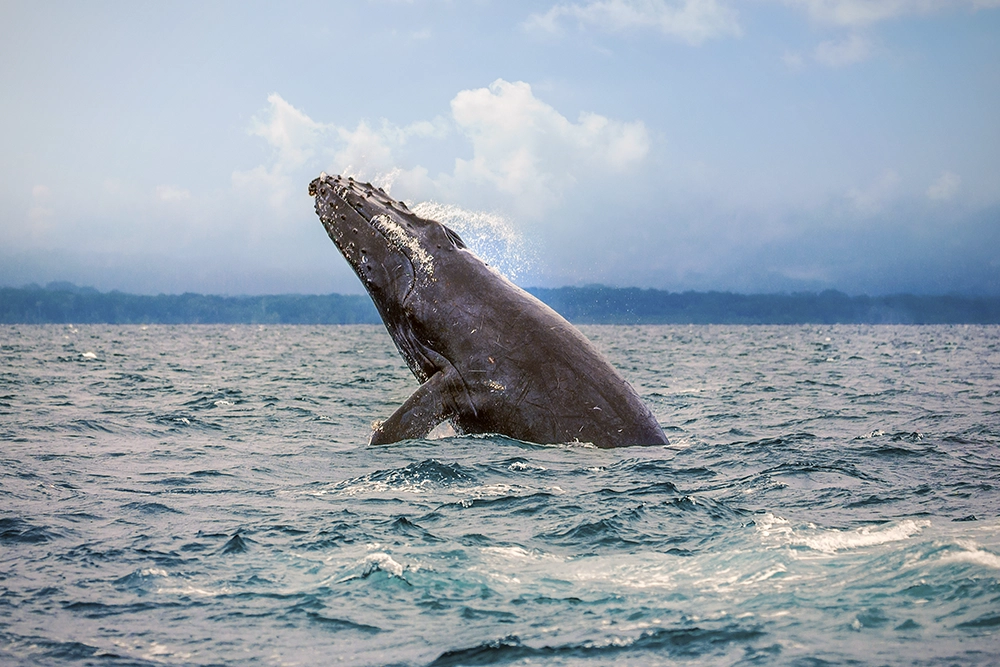
If there is one natural spectacle that defines these weeks, it is the passage of humpback whales through the Costa Rican Pacific. The population from the southern hemisphere travels from Antarctic waters to the coasts of Costa Rica to breed and give birth, after covering one of the longest known migratory routes amongst mammals. Although they remain in the area for several months, September is one of the best times for sightings, making these weeks particularly ideal for observing them alongside their calves.
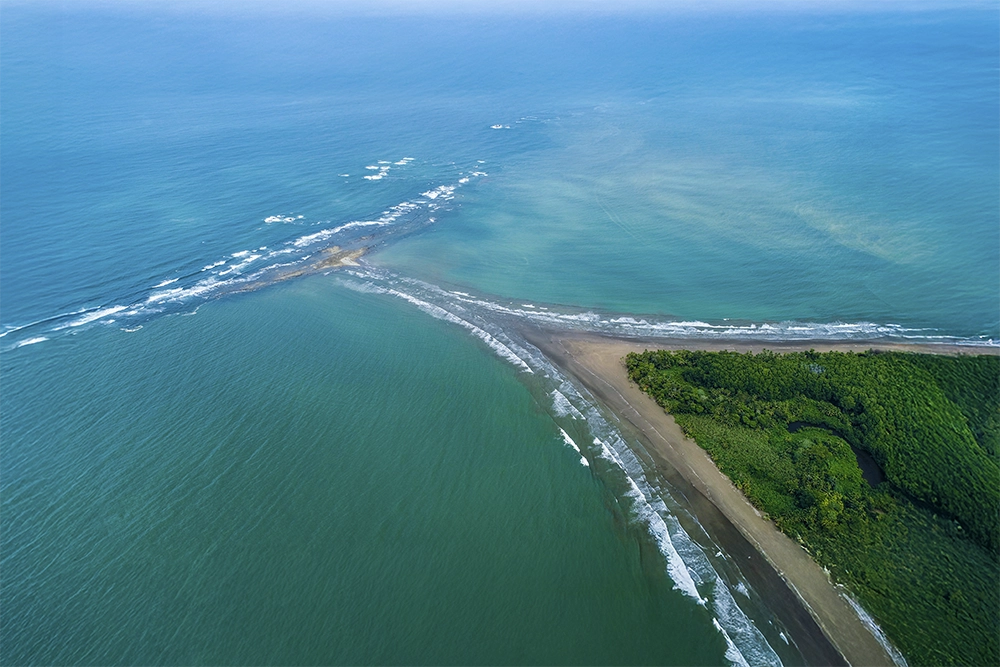
The Osa Peninsula, Drake Bay and Golfo Dulce are some of the most notable spots, alongside the Ballena Marine National Park in Uvita, whose very name – as well as referring to this area’s close connection with cetaceans – features a natural rock formation resembling a whale’s tail. Here, whale-watching trips allow visitors to observe these mammals and dolphins amidst mangroves, tropical coastline and open waters, always in accordance with responsible sighting practices and with authorised operators.
Sea turtles: the beaches also come to life
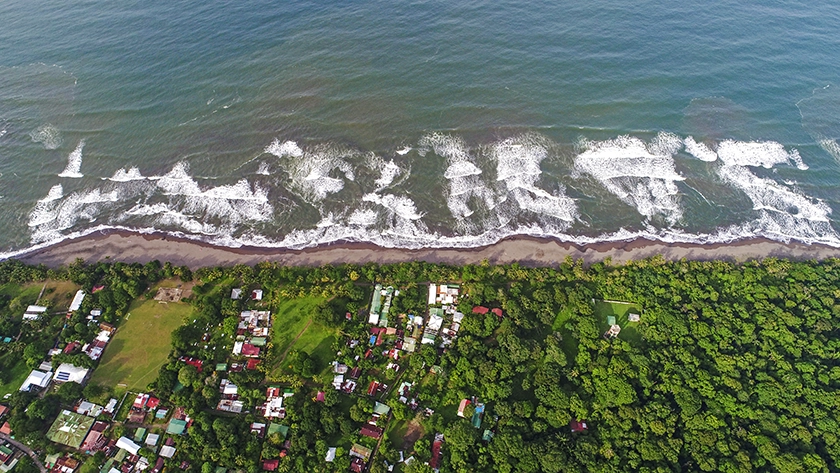
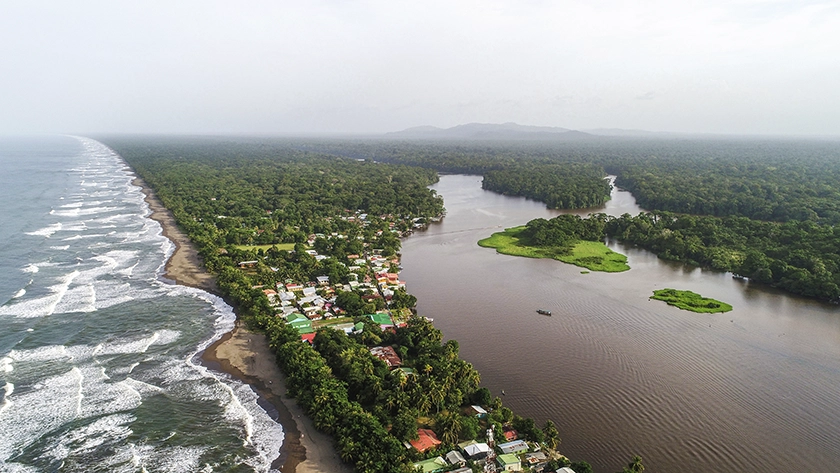
Whilst whales migrate across the Pacific, Costa Rica’s coastline is the setting for another of the country’s most extraordinary natural cycles. Costa Rica protects the nesting sites of five species of sea turtle — leatherback, olive ridley, hawksbill, green and loggerhead — whose nesting seasons take place throughout the year at various points along the coast. In September, two sites take centre stage. On the Caribbean coast, Tortuguero National Park is still in the midst of the green turtle’s nesting season, which runs from July to October. Its guided night-time tours allow visitors to witness this process whilst adhering to strict conservation regulations.
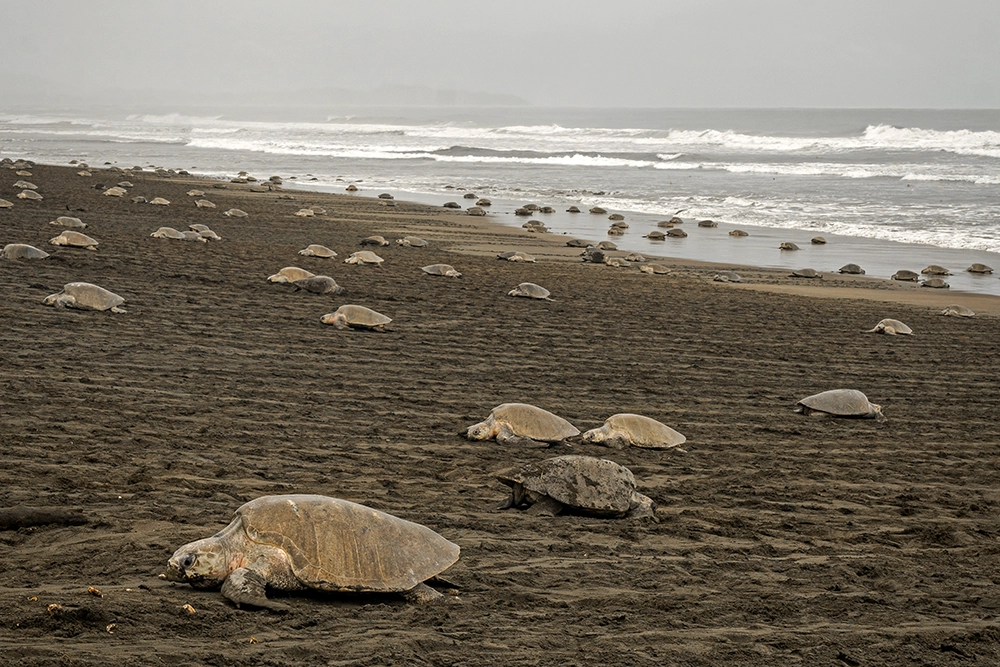
On the northern Pacific coast, the Ostional National Wildlife Refuge is the setting, all year round, for the famous arribadas of olive ridley turtles – massive gatherings of turtles that arrive in unison on the beach to lay their eggs. The local community’s involvement in the protection and management of the area is an essential part of a model in which conservation and responsible tourism go hand in hand.
A greener, more vibrant and livelier Costa Rica
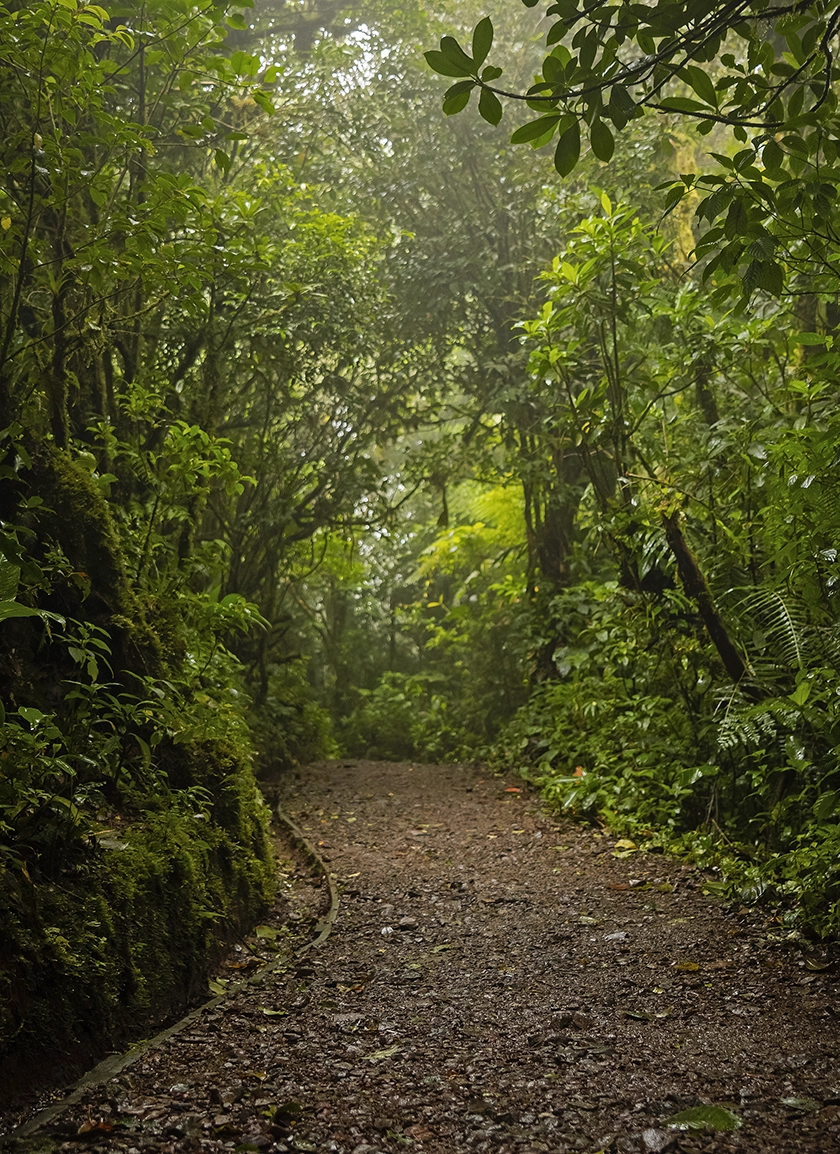
Beyond these spectacular encounters with wildlife, the real appeal of travelling now lies in witnessing how water transforms the landscape. The rainforests and cloud forests reach extraordinary densities, the trails wind through vibrant vegetation, and waterfalls and rivers take on a greater presence.
In places like Monteverde, walking through the cloud forest or crossing its suspension bridges allows you to take in a landscape that seems to stretch on endlessly. In areas such as Turrialba or Sarapiquí, the rivers gain strength and expand the possibilities for adventure activities, from rafting to kayaking or boat trips.
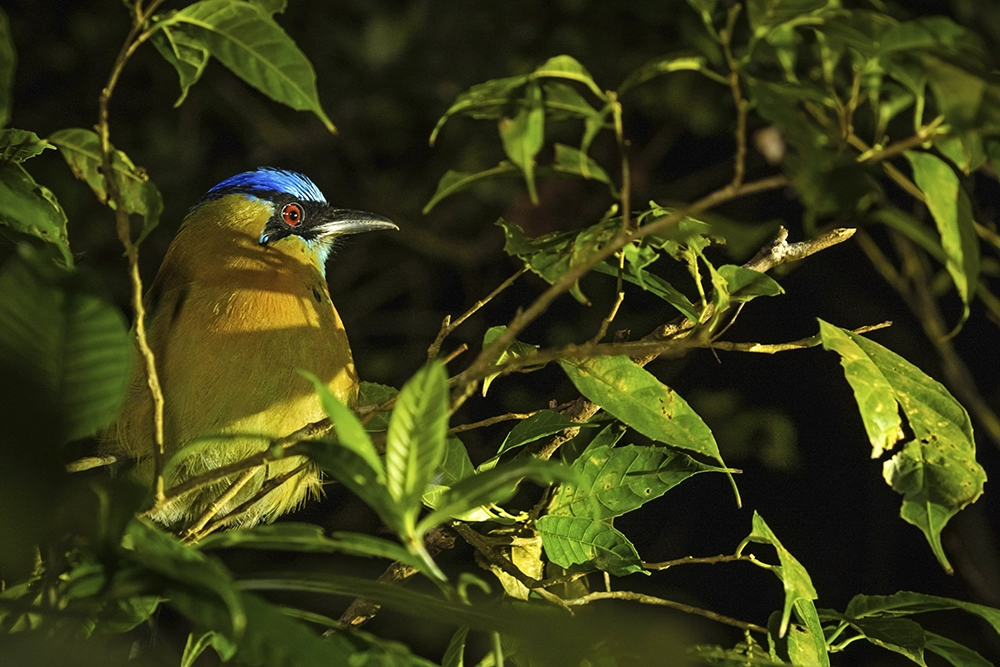
It is also a particularly rewarding time for observing birds, amphibians and small mammals, for exploring mangroves and wetlands, or simply for pausing to listen to a tropical forest in full swing. The experience is not merely about seeing nature, but about feeling how it changes: the humidity in the air, the sound of the rivers, the colour of the leaves and the sensation of being within a fully living ecosystem.
That is precisely one of Costa Rica’s defining features: a country that has made the protection of its natural heritage an essential part of its tourism model and which invites travellers to engage with these phenomena with respect, awareness and curiosity. At this time of year, Costa Rica is not only green, it is particularly alive. And for those seeking to travel to observe, learn and truly connect with nature, few moments reveal the essence of ‘Pura Vida’ so clearly.
About the COSTA RICAN TOURISM INSTITUTE (ICT)
Founded in 1955, the Costa Rican Tourism Institute (ICT), together with its partners in the private sector, leads the vital task of regulating and promoting Costa Rica’s extensive tourism offering.
Source: NEWLINK SPAIN