

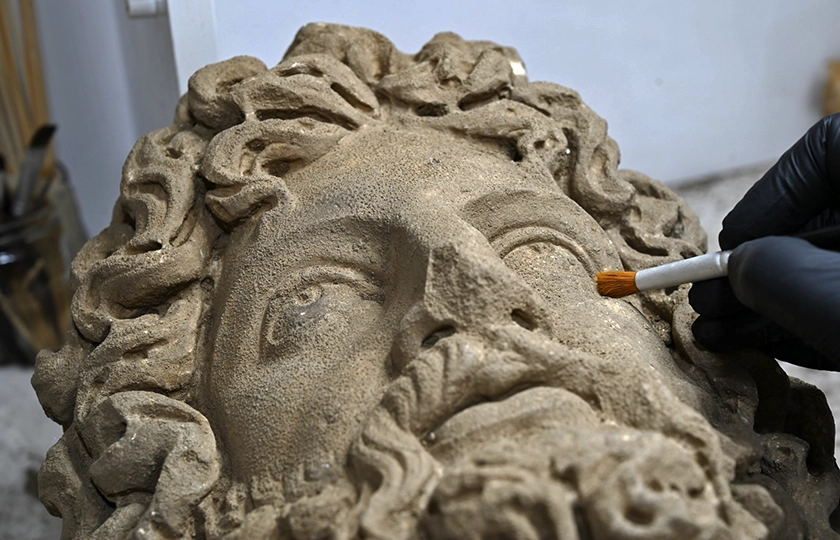
Recientes excavaciones en Kibyra, Sagalassos, Aspendos y Sardes han sacado a la luz estatuas excepcionalmente conservadas y nuevos hallazgos arqueológicos que revelan aspectos inéditos de las antiguas civilizaciones de Anatolia.
The cradle of numerous civilisations over the millennia, Anatolia continues to unveil new chapters of its history thanks to the archaeological excavations taking place across Türkiye. In recent months, several ancient cities on the Mediterranean and Aegean coasts have been the scene of exceptional discoveries, including statues found in an extraordinary state of preservation, monumental reliefs and other remains that shed new light on the region’s past.
Imperial statues and restored monuments at Kibyra
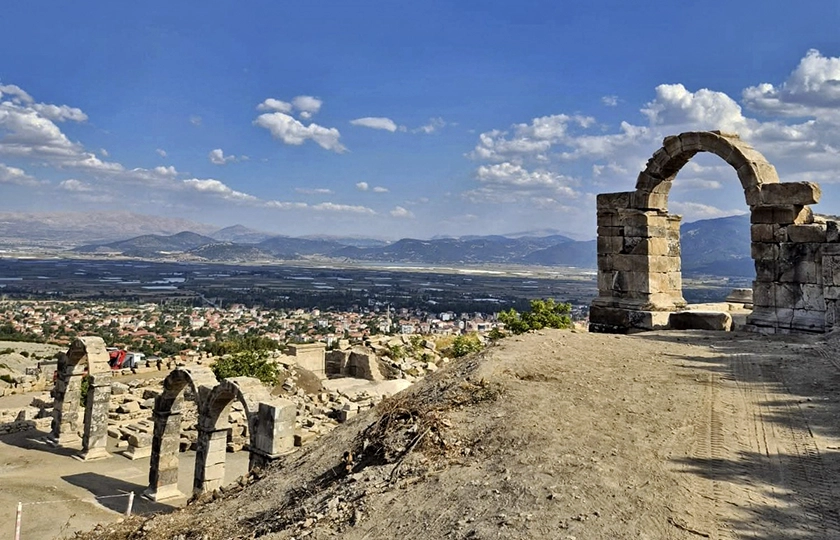
One of the most notable archaeological sites is located in the province of Burdur, in the heart of the Lakes District. There, the ancient city of Kibyra, known for its urban layout designed so that buildings did not obstruct each other’s views, has been the scene of significant recent discoveries.
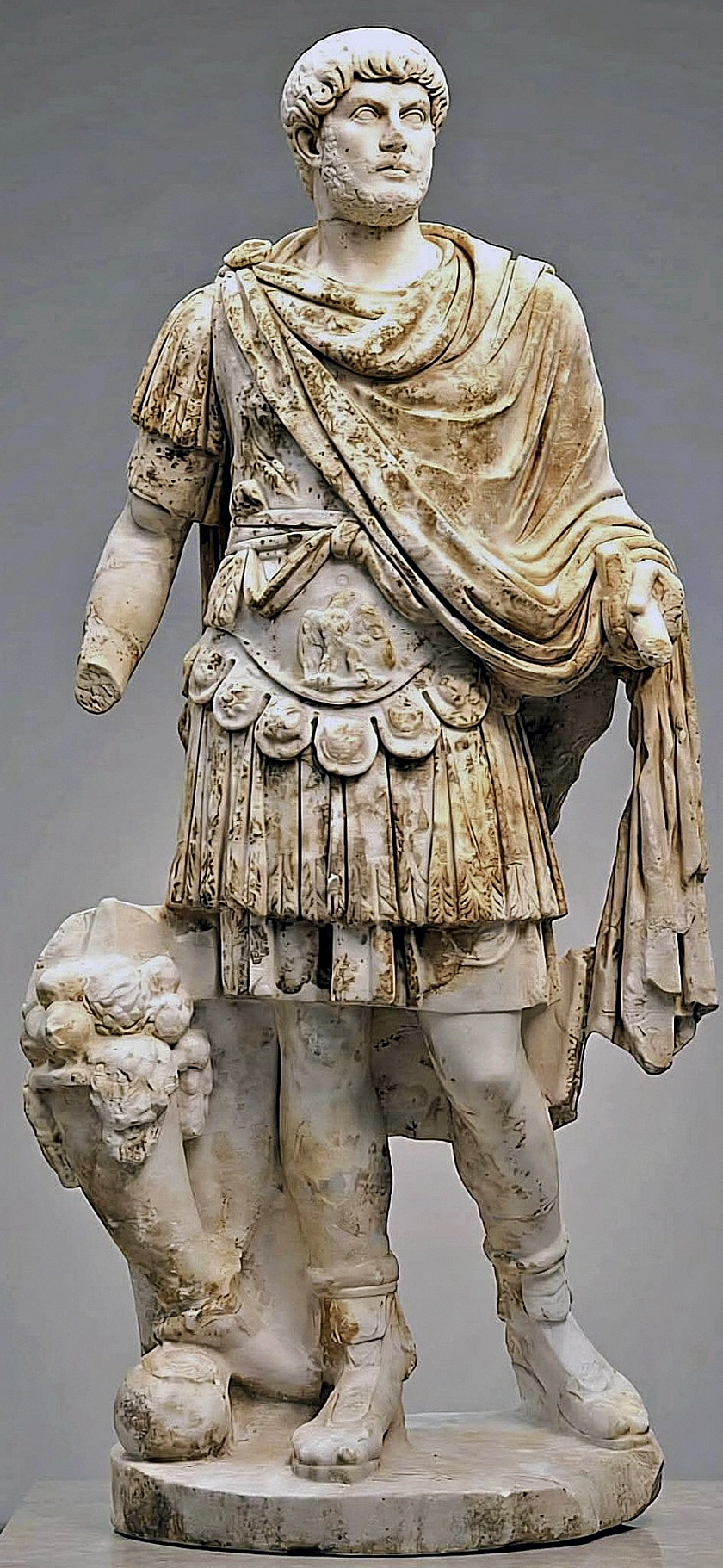
During excavations carried out in 2025 at the propylaeum, the city’s monumental entrance gate, archaeologists discovered two virtually intact statues of Emperor Hadrian. These finds add to the rich heritage preserved at Kibyra, which also boasts one of the most impressive stadiums in Anatolia, with a capacity for nearly 10,000 spectators, and a theatre that continues to provide valuable insights into the Roman period.
Restoration work has also made it possible to recover the three entrance arches to the stadium and a monumental Hellenistic-period tomb situated in its eastern stands. Among the most recent discoveries is also a relief depicting a tropaion, an ancient monument commemorating military victory.
A possible figure of the god Pan emerges at Sagalassos
Also in Burdur, the ancient city of Sagalassos—one of the main urban centres of the Pisidia region during the Roman Imperial period—has yielded another of the great archaeological surprises of recent years.
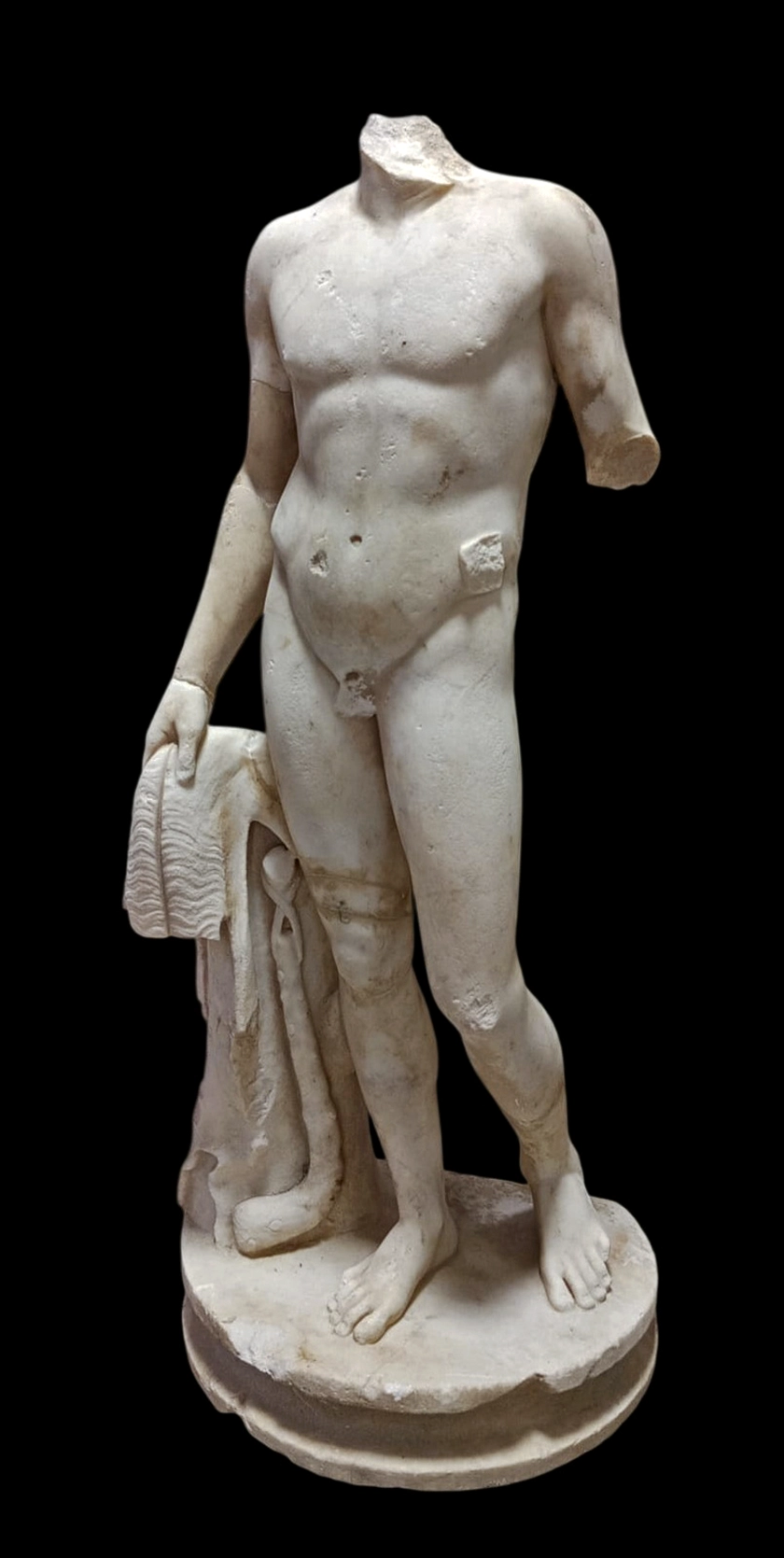
Excavations carried out at the odeon in 2025 led to the discovery of a statue of a young man that retains virtually all its original details, except for part of the head and one arm. Researchers believe it may depict the god Pan, one of the deities most closely associated with nature in classical mythology.
This find joins the reliefs of Artemis, Ares and Apollo discovered in 2024 in a nymphaeum situated next to the South-East Street. In addition to these recent discoveries, Sagalassos attracts visitors with its restored monumental fountains, some of which continue to flow thousands of years after their construction.
Aspendos expands its sculptural legacy
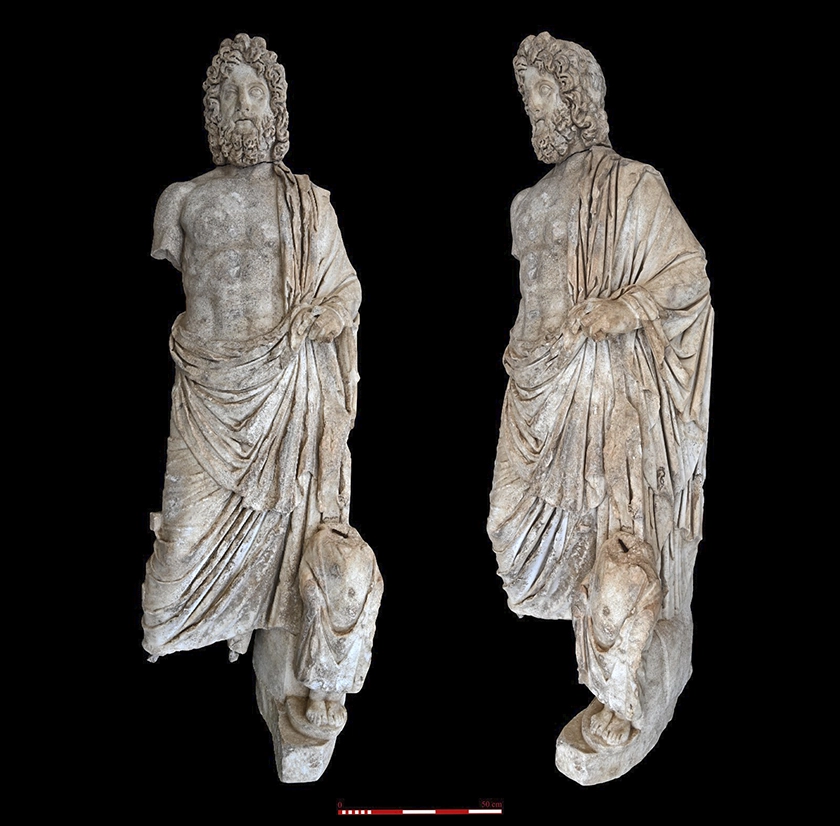
The province of Antalya, at the heart of the Turkish Riviera, has also been the scene of significant discoveries. As part of the archaeological project Legacy for the Future, excavations at the ancient city of Aspendos have unearthed a 2.2-metre-tall marble sculpture depicting Asclepius, the god of medicine, alongside his son and assistant Telesphorus, who is associated with healing.
The sculpture, found virtually intact and dated to the last quarter of the 2nd century, provides new insights into the role of healing cults in the ancient city and the artistic characteristics of Roman sculpture from that period.
Aspendos is particularly renowned for its spectacular Roman theatre, considered one of the best-preserved in the world, which forms part of the ‘Night Museums’ project during the summer months and can be visited under special lighting.
A colossal statue emerges in ancient Sardis
In the Aegean region, the ancient city of Sardis, situated in the province of Manisa and a UNESCO World Heritage Site, has yielded another of the most notable finds.
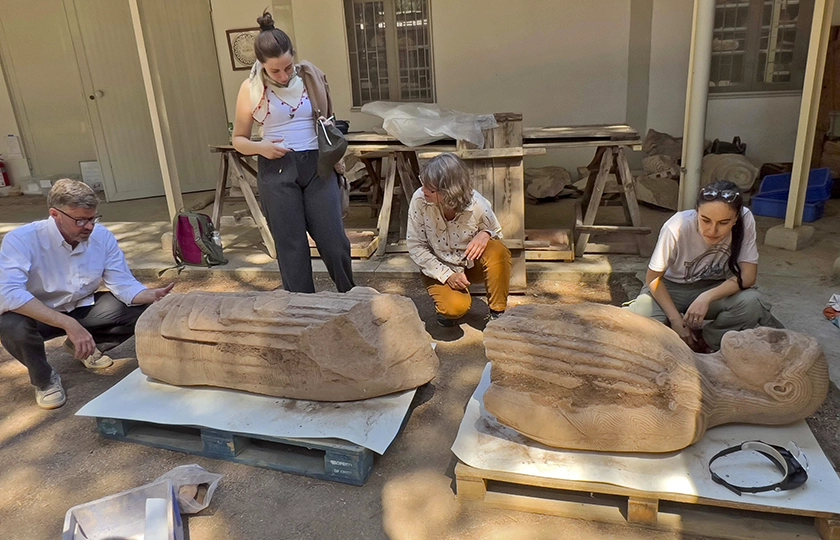
Excavations have unearthed a 2.2-metre-tall marble statue depicting a young man, dating from the first half of the 5th century BC. Discovered in two fragments and exceptionally well-preserved, the piece offers invaluable insights into the art and social life of the ancient Kingdom of Lydia thanks to its monumental size and the details of its clothing.
The sculpture will soon be on display at the Manisa Museum, thereby expanding the exhibited heritage of a city that was the capital of the Kingdom of Lydia and one of the most important centres of the ancient world.
As archaeological research progresses, Türkiye continues to uncover new evidence of the civilisations that flourished in Anatolia. Each discovery not only expands our historical understanding of the region but also offers new opportunities to explore some of the Mediterranean’s most fascinating archaeological sites.
About the TÜRKİYE TOURISM PROMOTION AND DEVELOPMENT AGENCY (TGA)
The TGA works to ensure that Türkiye is a recognised brand in national and international tourism, to promote Türkiye’s tangible and intangible, natural, cultural, biological and man-made heritage, and to engage in short-, medium- and long-term communication and marketing activities, with a view to increasing the contribution of tourism investment to the national economy and improving the quality of service in the tourism sector.
TGA is responsible for carrying out all promotional, marketing and communication activities to help Türkiye achieve its tourism objectives, promote and market existing tourism resources worldwide, and identify, develop and make potential tourism resources available online, in line with the tourism strategies and policies drawn up by the Ministry of Culture and Tourism.
Source: COMUNICACIÓN IBEROAMERICANA