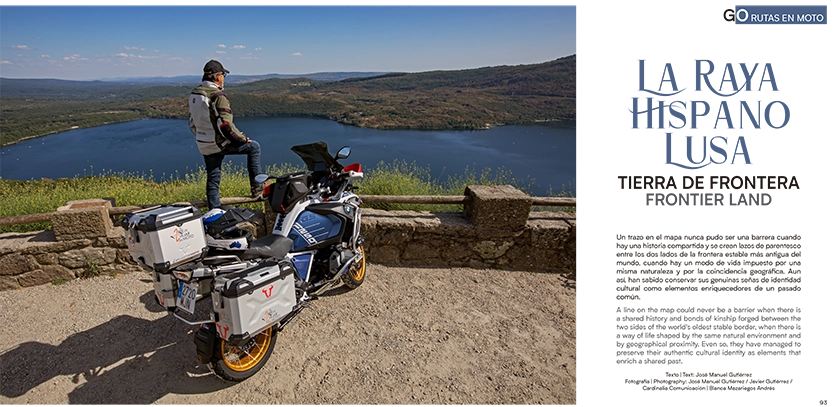
A line on the map could never be a barrier when there is a shared history and bonds of kinship forged between the two sides of the world’s oldest stable border, when there is a way of life shaped by the same natural environment and by geographical proximity. Even so, they have managed to preserve their authentic cultural identity as elements that enrich a shared past.
Ibn Battuta, a 14th-century traveller and explorer, said that ‘travelling leaves you speechless and then turns you into a storyteller’. You’ll no doubt have read this more than once before, and I’ll recall this brilliant reflection as often as a journey takes me into the dreamworld of times gone by. This time, it’s much more than that; it’s about letting myself be swept away by the flood of sensations, memories and emotions that this corner of the peninsula always stirs in me.
A small part of what has come to be known as La Raya Hispano-Lusa forms the backbone of this cross-border region between the Sanabria district of Zamora and the north-eastern tip of Tras-os-Montes in Portugal; a place to be enjoyed at a leisurely pace, to savour every bend at low revs, ensuring the engine does not mar its silences – those that embrace an ancestral intangible heritage and an enviable biodiversity.
The way of life in this region – an inevitable crossroads between Galicia and the Meseta, or between the north of the peninsula and Portugal – has been strongly influenced by the whole of the north-west of the peninsula, shaping its culture, language and customs into a unique blend of traditions.
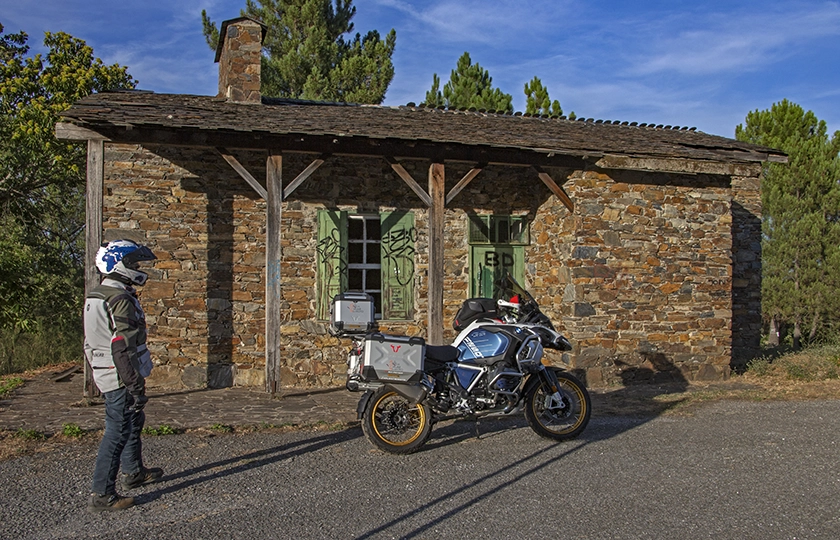
Its location on the border in a formerly isolated corner, combined with periods of scarcity, fostered a subsistence economy based on smuggling – particularly of coffee, tobacco and cotton – as the border crossings were scarcely guarded. A number of watchtowers – small buildings made of slate stone – still stand today in the villages of Calabor and Rihonor de Castilla.
This is the route that will take me to a region where, for centuries, Spaniards and Portuguese have shared roads, trade, work, festivals, customs and even families, as La Raya never prevented the towns from maintaining close and enduring relationships over time, which form part of the collective memory.
Lago de Sanabria and Sierras Segundera y de Porto Natural Park
Before surrendering to the winding charm of that old track – now a road, criss-crossed by carts laden with goods brought from overseas – I begin my journey in the heart of one of Spain’s most beautiful natural areas.
Lago de Sanabria and Sierras Segundera y de Porto Natural Park is a world of waterfalls, streams, gorges, lakes and forests where oaks, holly and yews grow side by side, as well as alders and birches, chestnut, ash, cherry and hazel trees, totalling 1,500 plant species — some of which have adapted to and survived the extreme conditions of the high peaks for ten thousand years — providing a habitat for hundreds of animal species ranging from the golden eagle to the Iberian wolf.
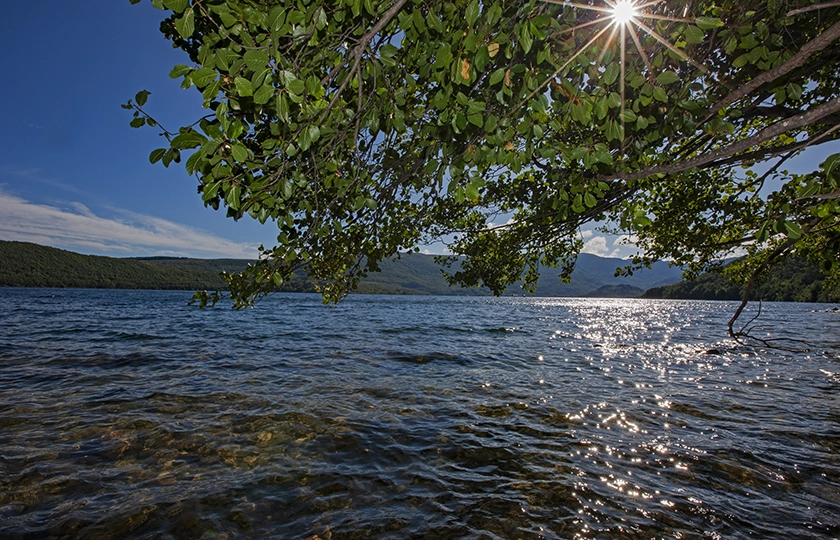
This is a landscape that has been shaped by glacial erosion over the last hundred thousand years; this process has created vast bodies of water in the form of glacial lakes, the finest example of which is Lake Sanabria.
Tradition has it that ‘one fine day, a pilgrim arrived in the village of Valverde de Lucerna, begging for alms. No one paid him any attention, apart from a few women bakers who were baking bread in the village oven. They took pity on him and let him into the bakery so that he could shelter from the bitter cold and satisfy his hunger with some more dough that they had put in the oven. The dough they had placed in the oven rose so much that the bread eventually spilled out of the oven, and the women, taken aback by this, heard from the pilgrim – who turned out to be Jesus Christ – the punishment he was going to inflict on the people for their lack of charity: he would flood the village.
He thrust his staff into the ground and water gushed forth, flooding the village of Valverde; the only thing to escape the floodwaters was the oven, which today forms the small island in the lake.’
The legend goes on to say that ‘the local residents wanted to retrieve the two bells from the sunken church, but were only able to salvage one. And this is the bell that people of good character can hear ringing from the depths of the water on St John’s Eve’.
What is documented, however, is that on this islet – now joined to the mainland by sediments from the River Tera, which feeds Lake –El Llagu in the Sanabrian dialect, derived from Astur-Leonese–, there once stood a small palace built in the late 15th century by the Counts of Benavente as a holiday residence in an idyllic setting and to control the lake’s fishing rights, which were disputed with the monks of the neighbouring Cistercian monastery of San Martín de Castañeda. An interesting aspect of that dispute is that the nobles of Benavente had two fishing boats brought over from A Coruña to put an end to the monastic competition.
The interplay between the breathtaking beauty of Lake Sanabria, the social peculiarities of Spain in the first third of the 20th century, and the deep-rooted medieval legend I have just transcribed inspired our brilliant Miguel de Unamuno to devise the plot of his novel “San Manuel Bueno, Martyr” during his stay at the now-defunct spa resort of Bouzas, nestled in one of the many idyllic spots on the shores of the lake, and his visit to the ruins of the monastery of San Martín de Castañeda.
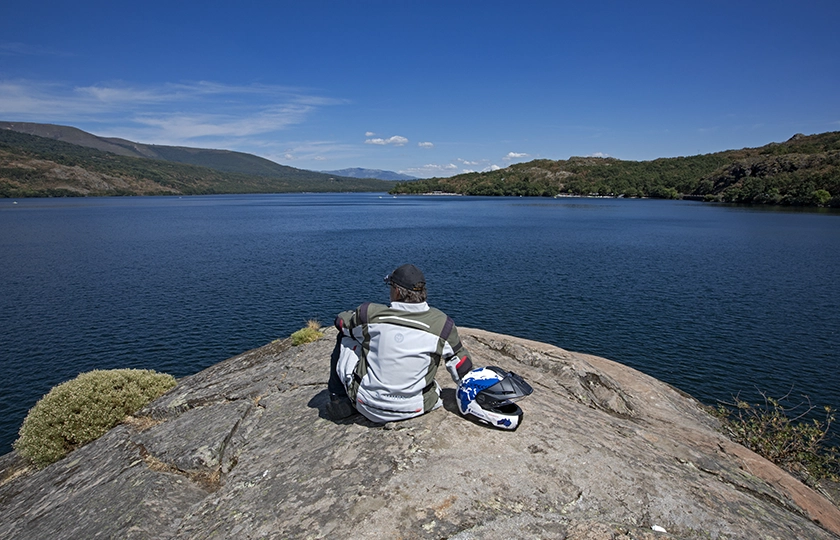
Ten thousand years ago, the glacial ice melted, revealing deep canyons and valleys, more than twenty lakes in the high-mountain areas of the nature reserve, and Lake Sanabria itself. Covering an area of over three hundred hectares and reaching a depth of more than fifty metres, this body of water is the largest natural glacial lake in Europe; but beyond the hard facts, it is in itself a paradise at the westernmost tip of the province of Zamora.
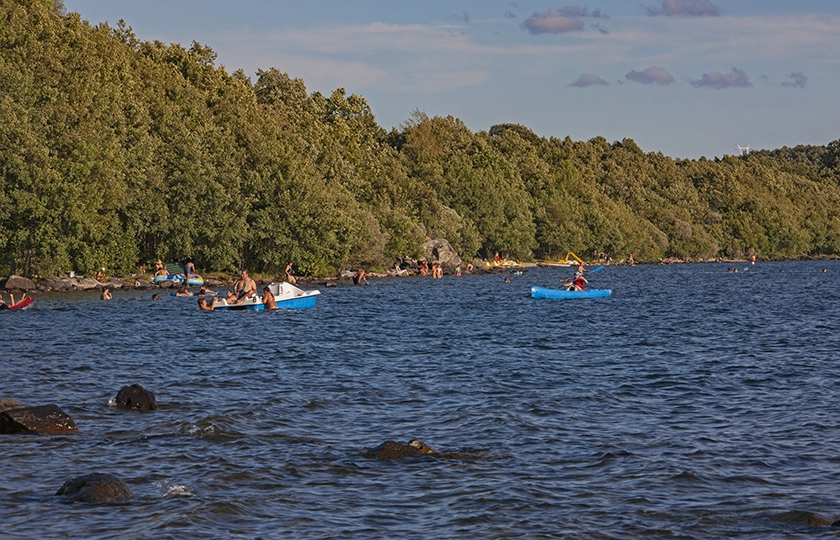
The road that runs along its southern edge, nestled between lush oak groves and this small inland sea, is simply sublime, even during the holiday season when there are far more visitors; people who come from far and wide in search of family-friendly beaches or tranquil coves and their crystal-clear waters – an ideal habitat for fish such as trout, which can grow to a considerable size, and where certain endemic mosses thrive. A truly immersive experience amidst a breathtaking display of biodiversity.
The road ends in the village of Ribadelago Viejo, sadly notorious for the tragedy of 9 January 1959, when it was swept away following the breach of the Vega de Tera dam. A moving memorial honours the victims at one end of the hamlet, right where one of the park’s most beautiful walking routes begins, winding through the Tera Gorge until it reaches great heights, offering panoramic views that are impossible to forget.
On the opposite side – that is, along the northern shore of the lake – the road leading to San Martín de Castañeda and Laguna de los Peces winds its way uphill. Another delightful route to explore by motorbike, winding through the light and shade of the woods, through which glimpses of an increasingly picturesque lake can be seen, serving as a prelude to the magnificent spectacle that awaits further up.
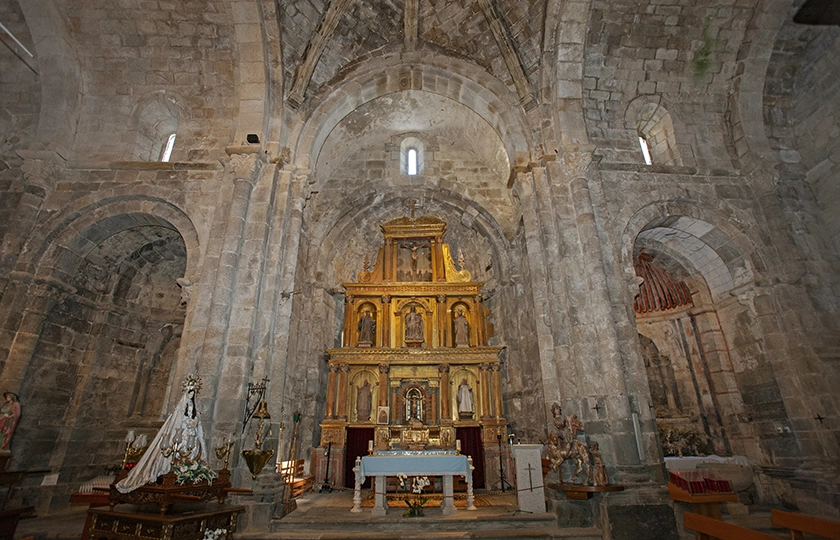
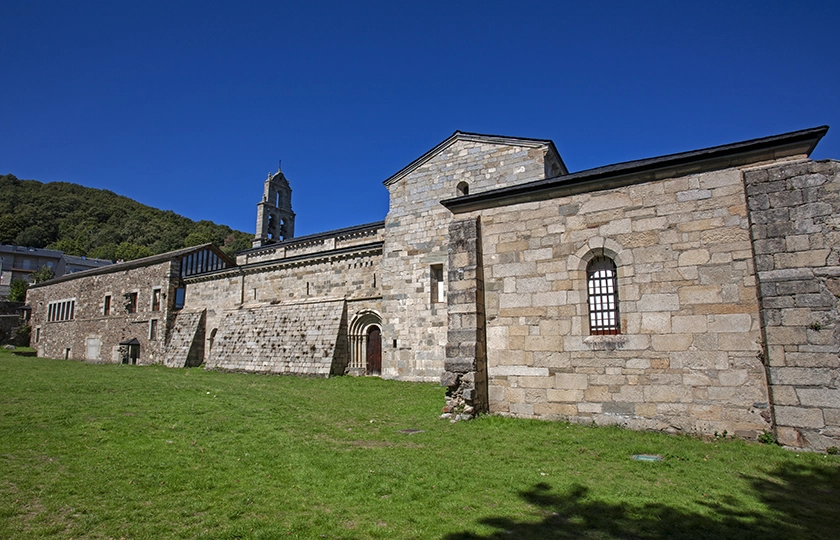
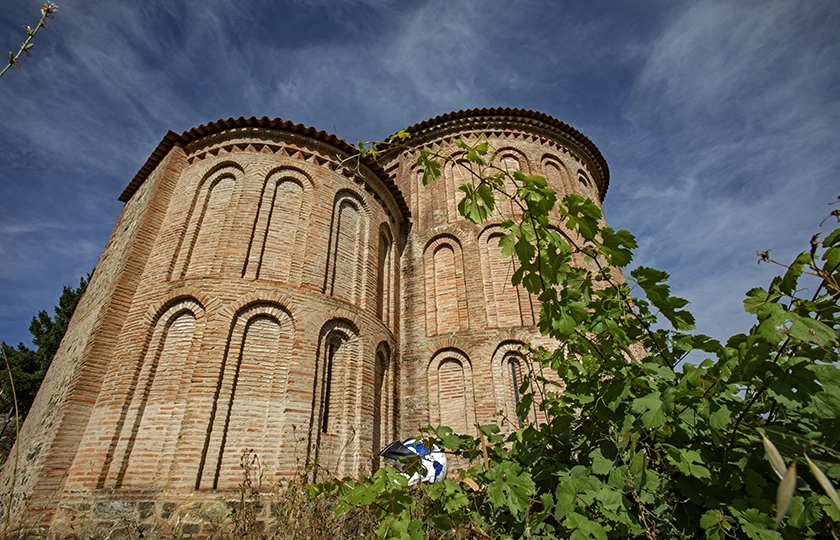
Nestled on a bend in the road, perched on a stunning natural terrace overlooking the lake and sheltered from the cold northern winds, the village of San Martín de Castañeda is the perfect place to enjoy fine Sanabres cuisine and visit the Cistercian monastery. Built in the 10th century on the ruins of an earlier Visigothic settlement, it is one of the finest examples of Romanesque architecture in Zamora and one of the best-preserved monasteries of the Cistercian Order, as well as being the only one built high in the mountains. The church is open to visitors, although the adjoining buildings are no less interesting, housing a permanent exhibition on the ethnography of the area.
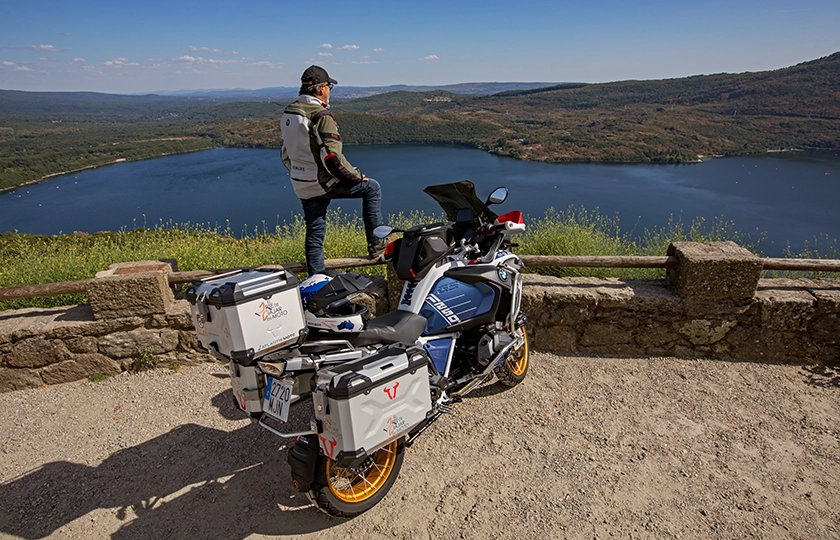
The road gradually climbs, and in the middle of a hairpin bend, the Neveira viewpoint opens up, offering one of the finest and most mesmerising panoramic views not only of the lake but also of the very heart of the nature reserve. Following the uphill route – which is great fun to ride on a motorbike – and passing a number of other picturesque viewpoints along the way, I arrive at the Laguna de los Peces. This glacial gem, situated at an altitude of over 1,700 metres – the only one accessible by road – enjoys a mild climate in summer and extreme conditions in winter, with wind chill temperatures reaching -30 degrees and heavy snowfall, making it a favourite destination for cross-country skiing enthusiasts. However, in spring it is a spectacular display of colour, with the hillsides tinged with yellow and violet as the heather and scrub that carpet the high mountains come into bloom.
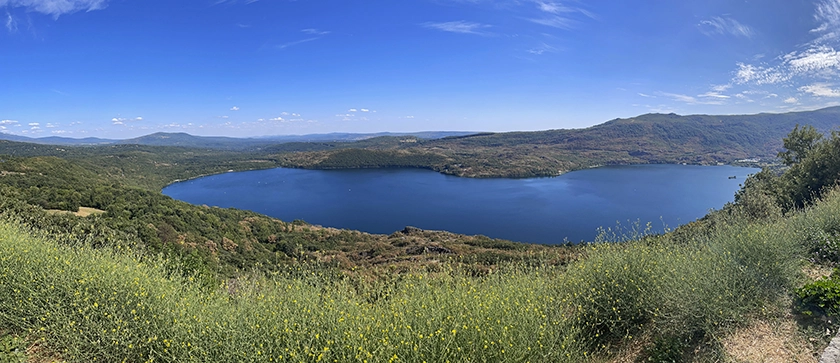
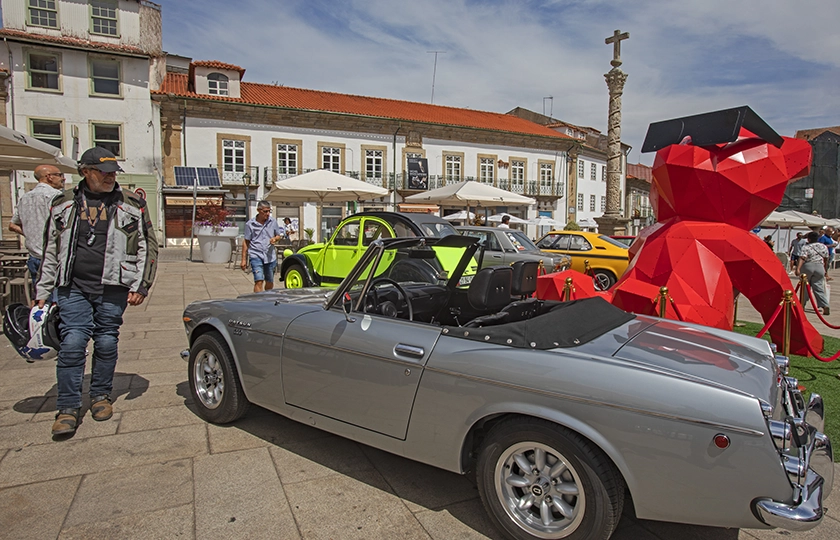
Retracing my steps, I return to the shores of Lake Sanabria in search of my next stop. I arrive in Puebla de Sanabria via the only access road – a fun, well-surfaced route that welcomes thousands of motorcyclists every July as they head to the Lago de Sanabria Motorcycle Rally. The village, which has been designated a Site of Cultural Interest in the ‘Historic Site’ category, can be traced back to the 6th century, but it was not until the 12th century that it gained significance due to its strategic location near the border with the Kingdom of Portugal.
Perched on a hill on the banks of the River Tera, it features the typical medieval town layout of winding, steep streets, with the 12th-century church of Santa María del Azogue and the castle standing out high above.
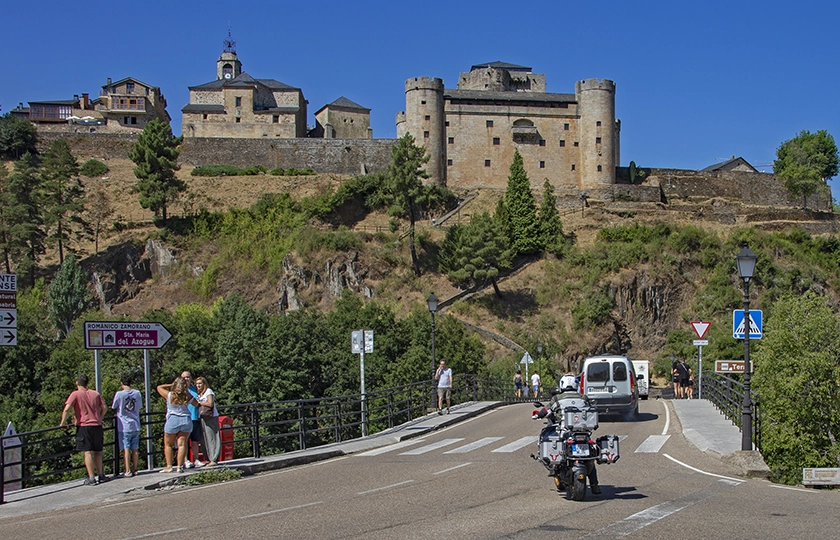
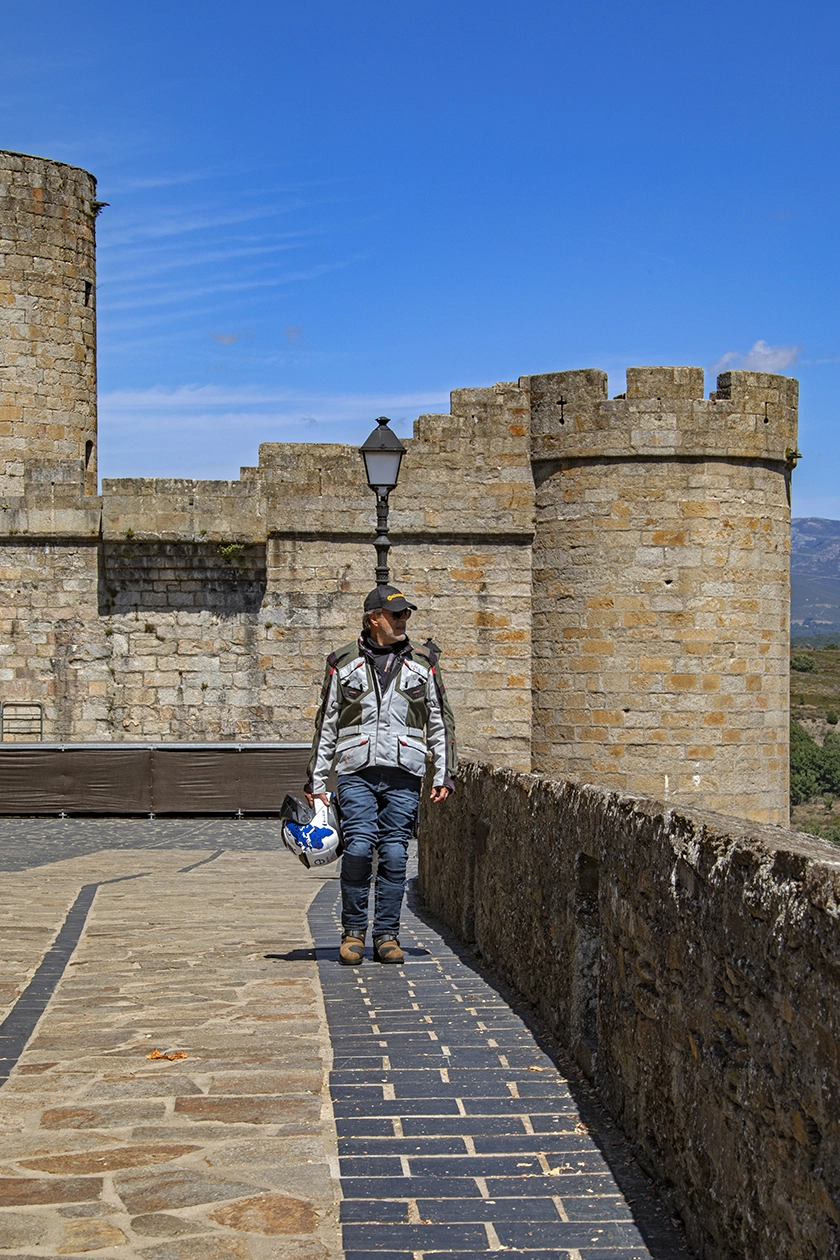
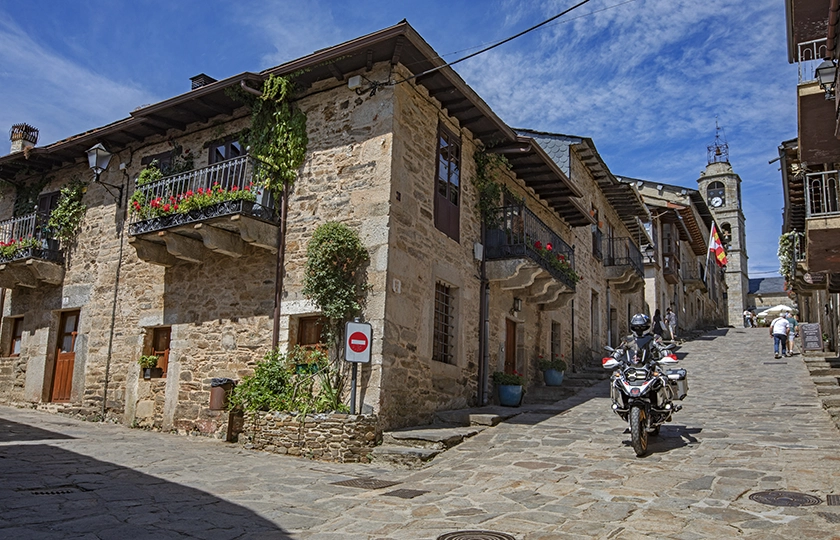
In the past, due to its defensive nature, a wall protected the area within the city walls, although today only several sections of the wall remain in the vicinity of the castle and on the northern and eastern sides of the town. A stroll through its historic centre, with its serene and uniform character, is a delight, offering a showcase of perfectly preserved traditional architecture; a succession of stone façades, wooden balconies, slate roofs, glazed galleries and houses bearing coats of arms that serve as a reminder of the presence of noble families in the past. The Plaza Mayor is situated in the highest part of the town, where the church tower stands out due to its disproportionate height compared with the other buildings. Equally interesting is the Town Hall, which, with its portico of semicircular arches and twin turrets, is one of the finest and most elaborate examples of architecture in the region.
From its commanding position, the castle at Puebla de Sanabria dominates the landscape with its imposing silhouette. Built in the 15th century by the Counts of Benavente for military purposes, with a design that was innovative for its time, it is now in an excellent state of preservation and houses the Tourist Office, the Cultural Centre and the Fortifications Interpretation Centre. It is well worth climbing up to the keep to take in the mosaic of shapes formed by the town’s slate roofs and the beautiful landscape that surrounds it.
The smugglers’ route
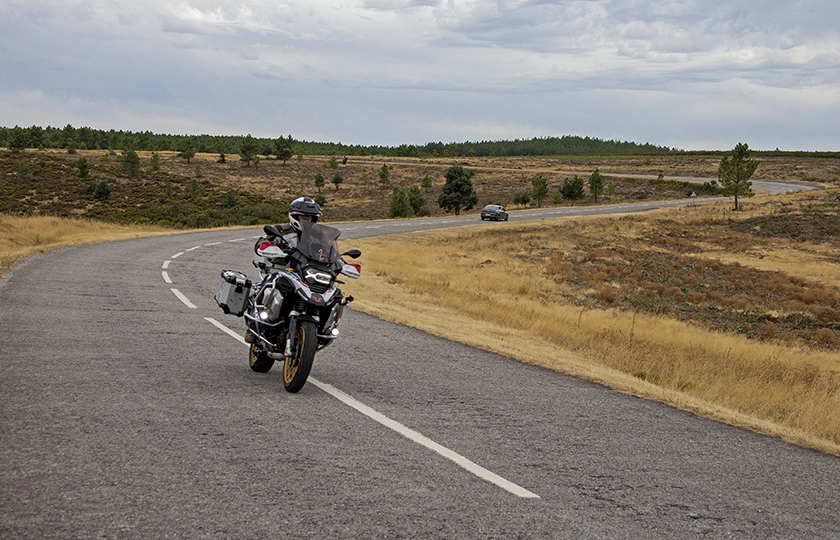
I leave Puebla de Sanabria behind and head towards the border along a road with a winding route; yet, as the kilometres go by, a sense of serene solitude becomes increasingly palpable. There’s hardly any traffic, which is a relief as it means you can tackle each of the many bends with greater confidence. The landscape alternates between scrubland and woodland, but all of it is astonishingly fertile, which explains its rich wildlife and the few villages I come across — the first, Lobeznos, already gives us an idea of who reigns supreme in the hills —; they are small hamlets surrounded by vegetable gardens tended with great care by a very ageing population.
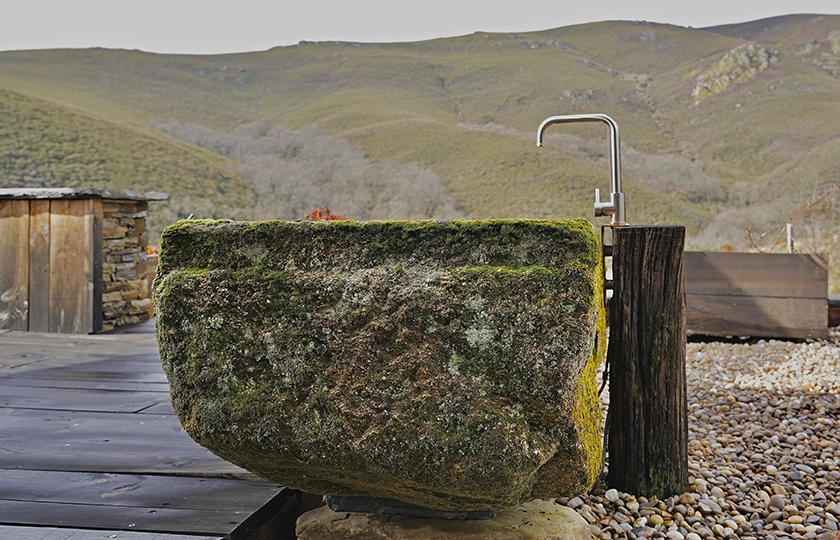
Bend after bend, catching occasional glimpses of the remains of abandoned border posts, I arrive in Calabor, the last Spanish village. Following the closure of the tin mines in the last century, the population has been in clear decline. Efforts are being made to counter this trend through a fledgling push for tourism, following the reopening of its spa – renowned for the quality of its waters since Roman times – which has been completely refurbished and now offers updated facilities and services. The Calabor Spa faithfully preserves its ancestral historical legacy, whilst ensuring the quality of its waters in a serene setting offering complete privacy. Such is their commitment to nature that all their treatments use only water – pure and with all its properties intact – a philosophy that is also reflected in their restaurant service, which features dishes based on organic, seasonal produce from their own vegetable garden.
In addition, there are several cross-border projects aimed at reviving the region’s valuable intangible heritage, particularly that linked to the Iberian Mask, recognised by UNESCO as Intangible Cultural Heritage of Humanity, as well as the restoration of kilns, mills and all manner of cultural resources that enhance the value of this region as a tourist destination.
At the border itself, an abandoned but well-preserved customs building welcomes me to Portugal, with my sights already set on Bragança, which I reach after travelling through the beautiful Montesinho Natural Park.
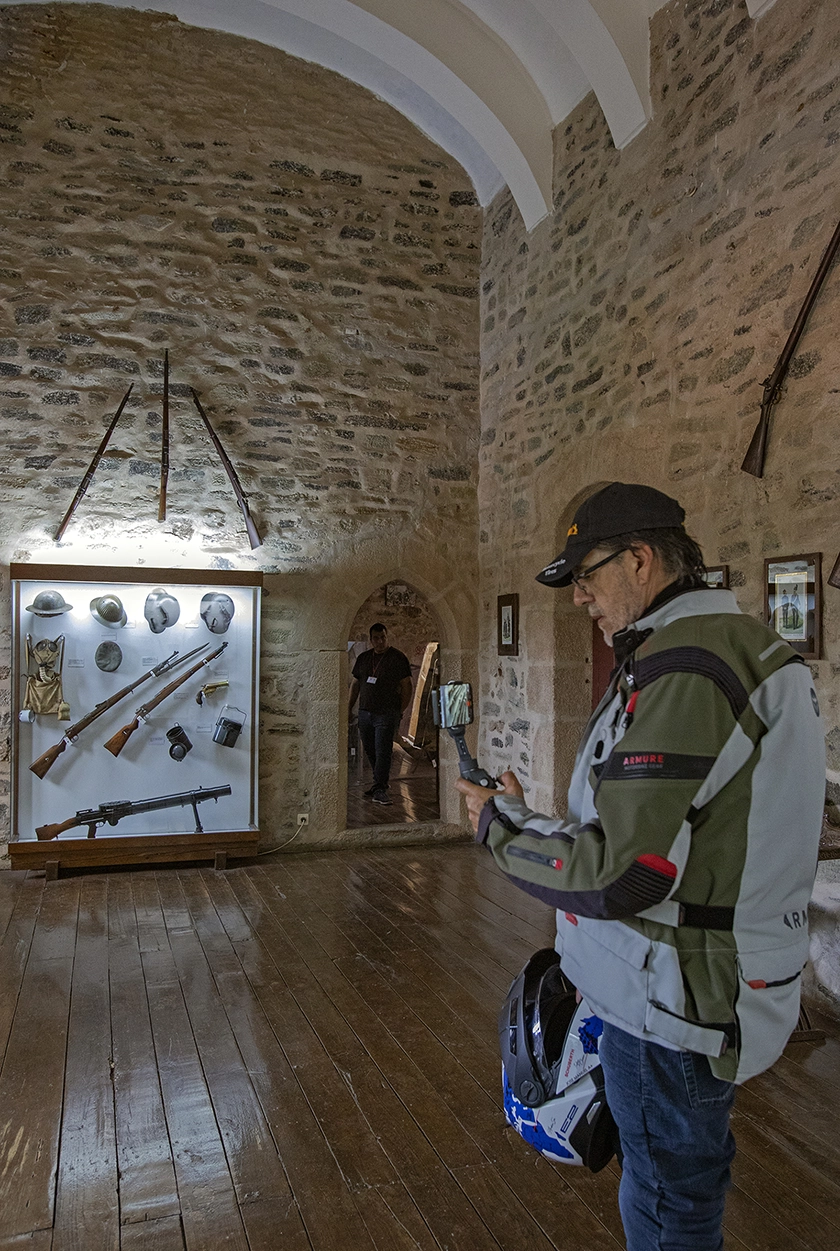
The capital of the Tras-os-Montes region is a beautiful, peaceful and lively city, whose charm extends beyond the city walls. Wandering through the cobbled streets that wind their way through peaceful corners, flanked by palaces and stately homes, churches and convents, each one more beautiful than the last, you reach the fortified area of the citadel, dominated by the imposing castle. The Spanish border was monitored from its enormous keep. It is open to visitors, and inside the Military Museum, it tells the story of the castle and some of the most significant moments in the history of northern Portugal. The exhibition features an interesting collection of weapons dating from the 13th century to the First World War, including items from the Portuguese campaigns in Africa in the 19th century.
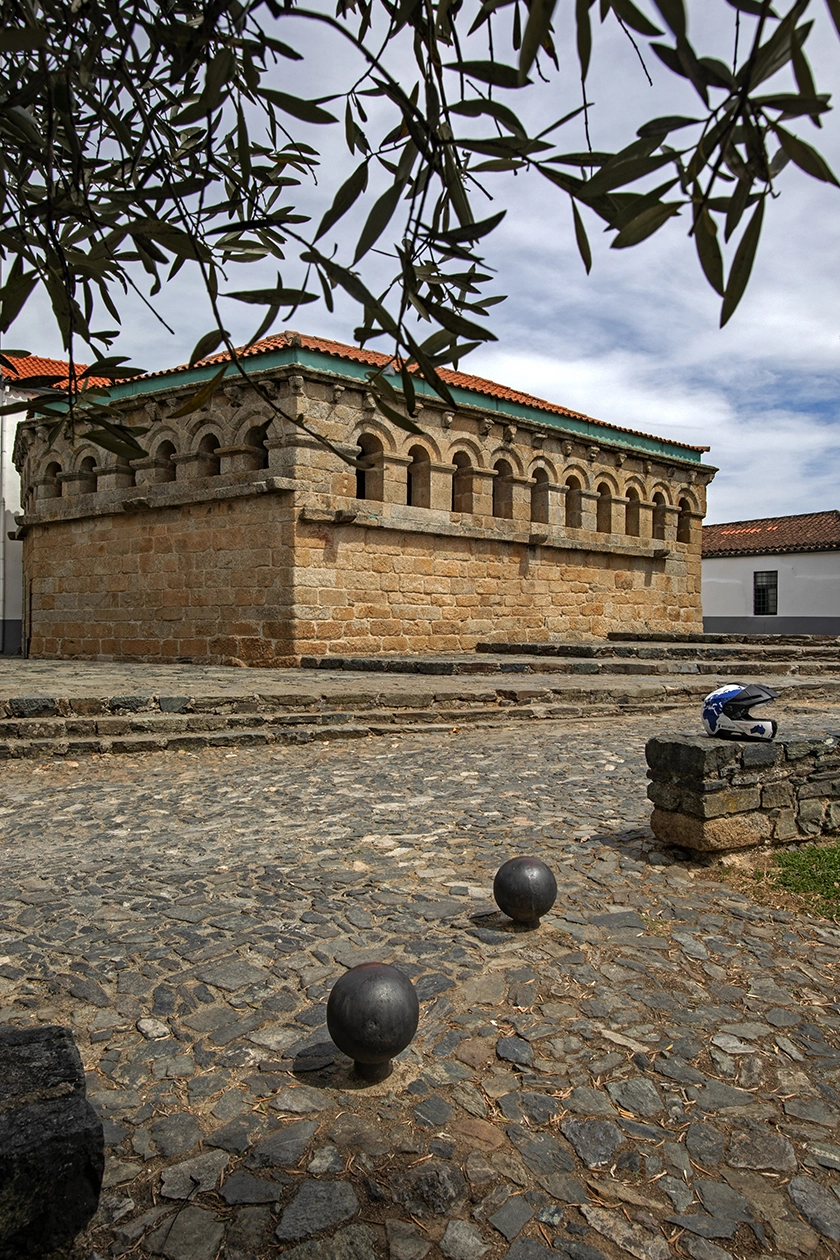
Opposite the fortress, the Church of Santa María is a Baroque gem situated next to the Domus Municipalis, the only example of Romanesque civil architecture in Portugal. This space holds special significance, as it has long been the meeting place for the so-called ‘good men’ of the city council.
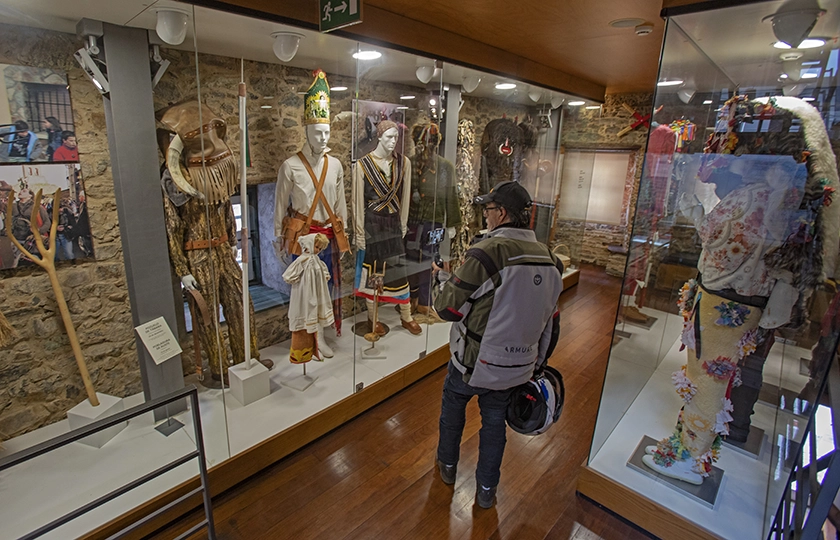
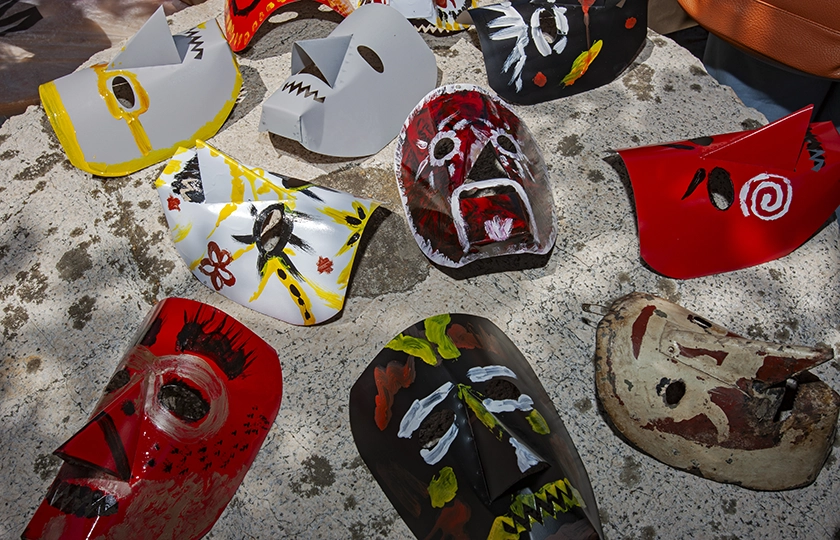
Many of the houses in the citadel date back to mediaeval times, and one of them now houses the Iberian Museum of Masks and Costumes. Despite its small size, it houses a fascinating collection of masks and costumes linked to pagan rituals – in many cases pre-Roman – and to carnival celebrations, from both Tras-os-Montes and towns in Zamora and León.
What particularly caught my attention – given how unusual it is in these parts – were the remains of the monastery of San Salvador de Castro de Avelás. It is surprising to come across an example of Romanesque-Mudejar architecture with such a clear Spanish influence. It was the most powerful in north-eastern Portugal, playing a very important role in the repopulation of the region and serving as a hospital for pilgrims travelling along the Way of St James between the 12th and 16th centuries.
Back to the border
This is where my return to Spain begins, but I’m taking a different route that’s just as interesting. A few kilometres from Bragança lies the village of Varge; it is a haven of peace that preserves one of the region’s most interesting traditions. Coinciding with the winter solstice, the Festa dos Rapaces is celebrated: a pagan ritual in which young, unmarried men don “caretos” – handcrafted masks made by themselves from leather or metal and painted in bright colours – and parade through the streets to drive away evil spirits.
But the village has a few more surprises in store, such as a traditional bread oven – possibly the best bread I’ve ever tasted – a restored flour mill, and the Fonte do Careto de Varge, built in honour of tradition.
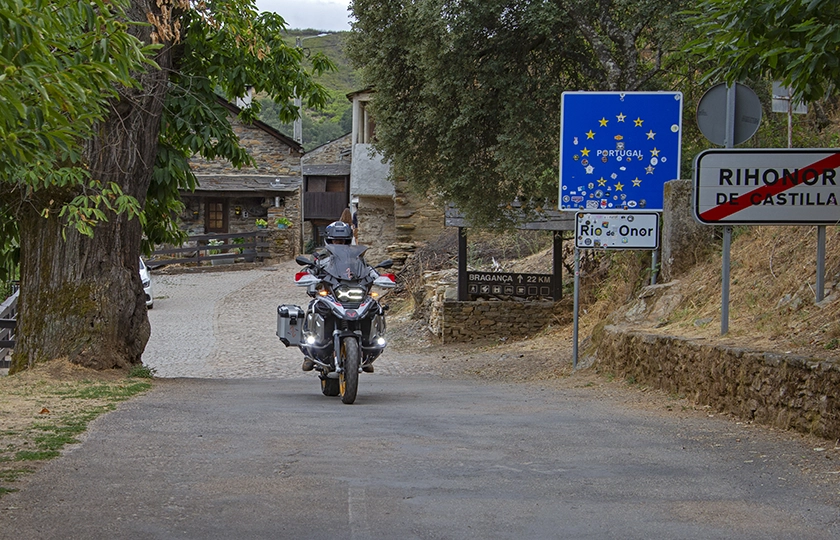
The afternoon is drawing to a close and I want to reach my final stop, perhaps the most picturesque of the whole journey. Travelling through a desolate landscape that invites one to imagine caravans of smugglers heading for the Spanish border, I arrive at Rio de Onor or Rihonor de Castilla, depending on whether it is pronounced in Portuguese or Spanish, respectively.
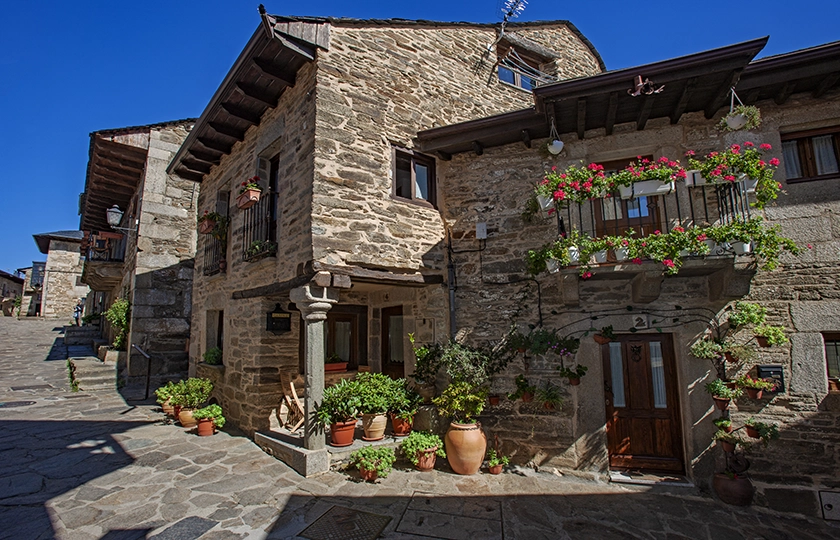
This quintessential village, half Spanish and half Portuguese – where the border is marked by the transition from cobblestones to tarmac – enjoys a model of communal self-government and has its own dialect; but above all, it stands as a model of exemplary survival and harmony in a place that was long forgotten by everyone.
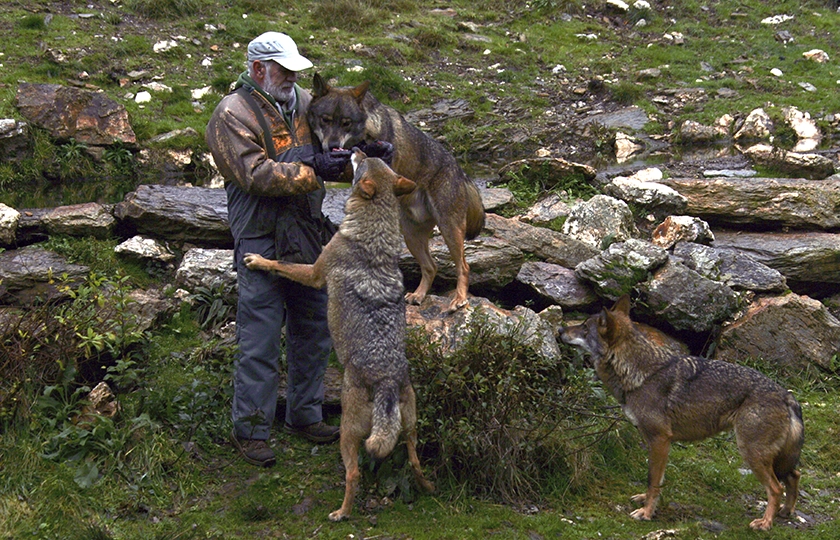
On the way to the end of the route in Puebla de Sanabria, it is well worth taking a detour to visit the Félix Rodríguez de la Fuente Iberian Wolf Centre, a leading national and international centre for the study, promotion and education of this iconic species and the culture associated with it, where you can also see some wolves living in semi-freedom.
This marks the end of a route which, quite apart from the pleasure of travelling it by motorbike, has allowed me to experience at first hand the pulse of a land that has not been treated very well and has sometimes been consigned to oblivion, yet which survives more beautiful than ever.