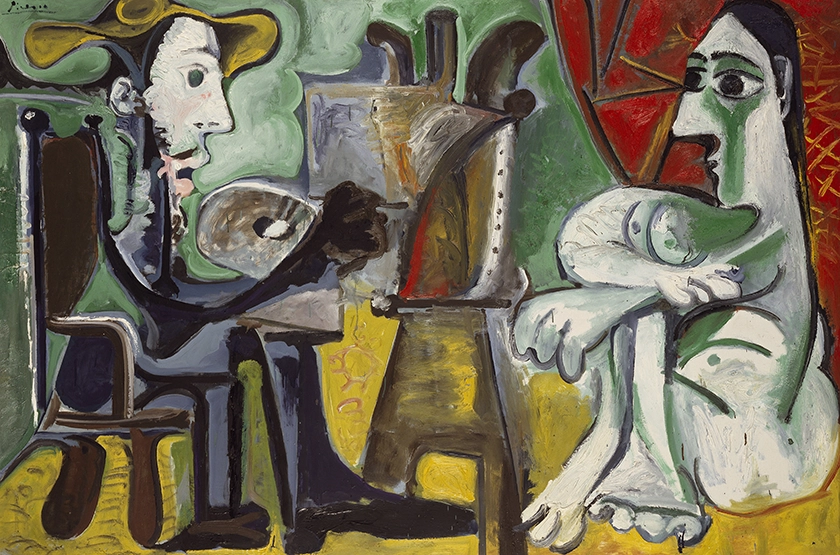
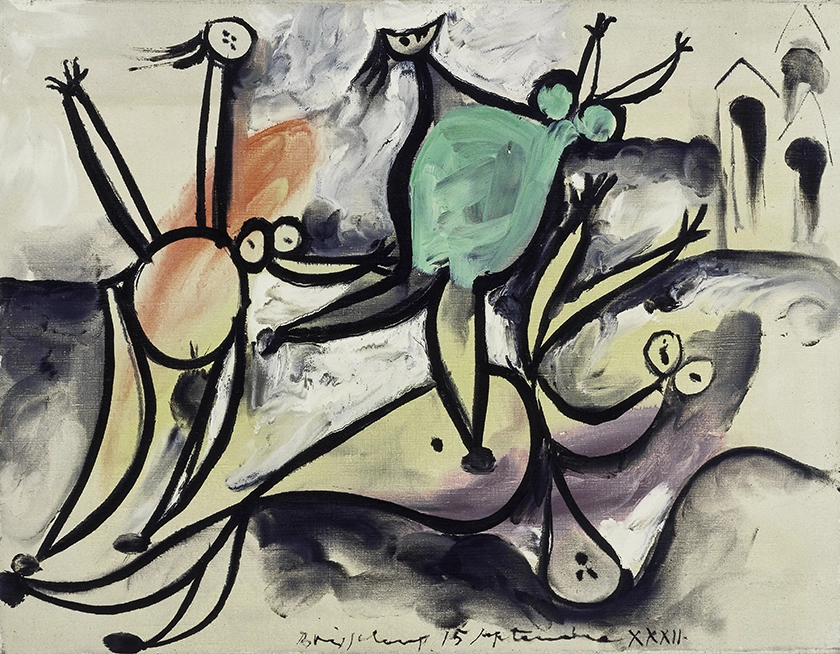
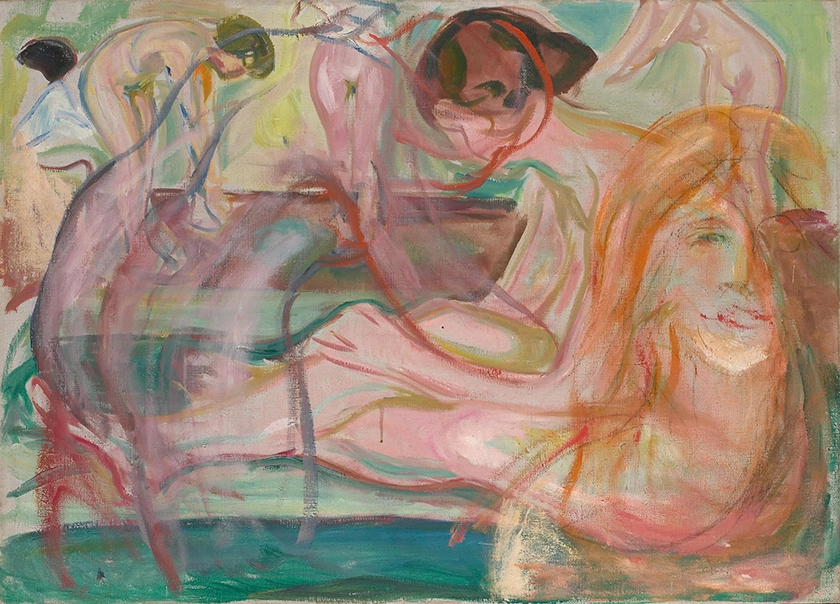
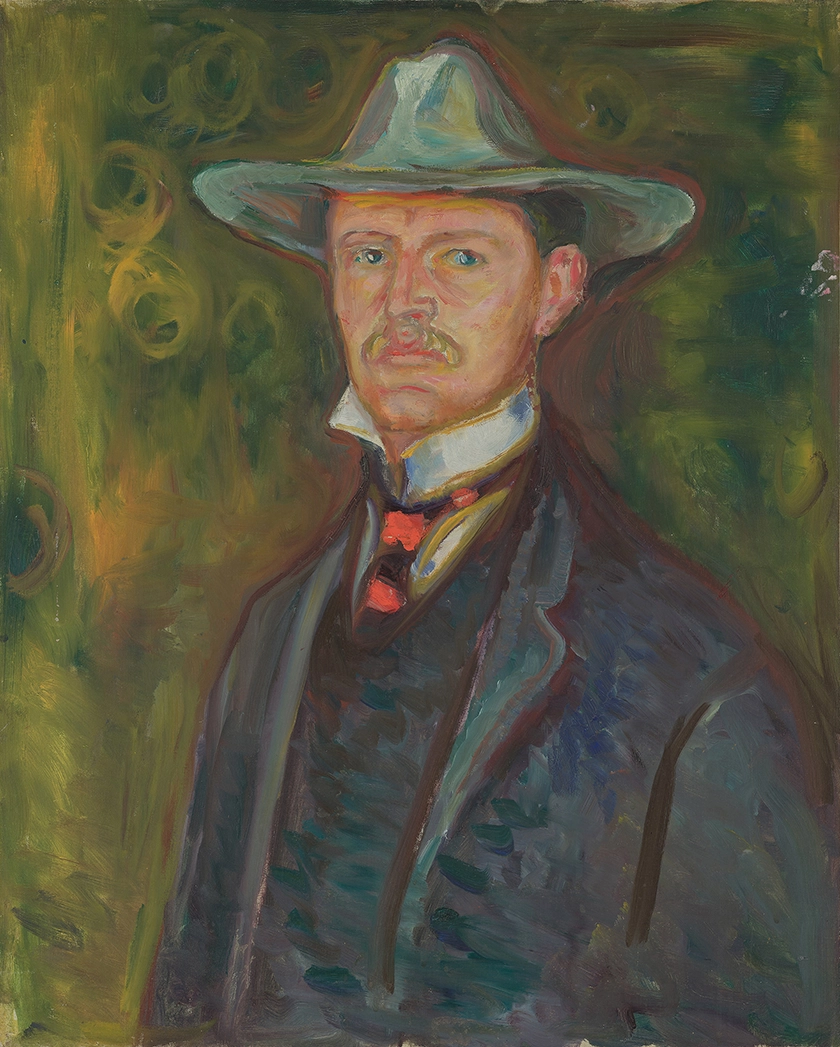
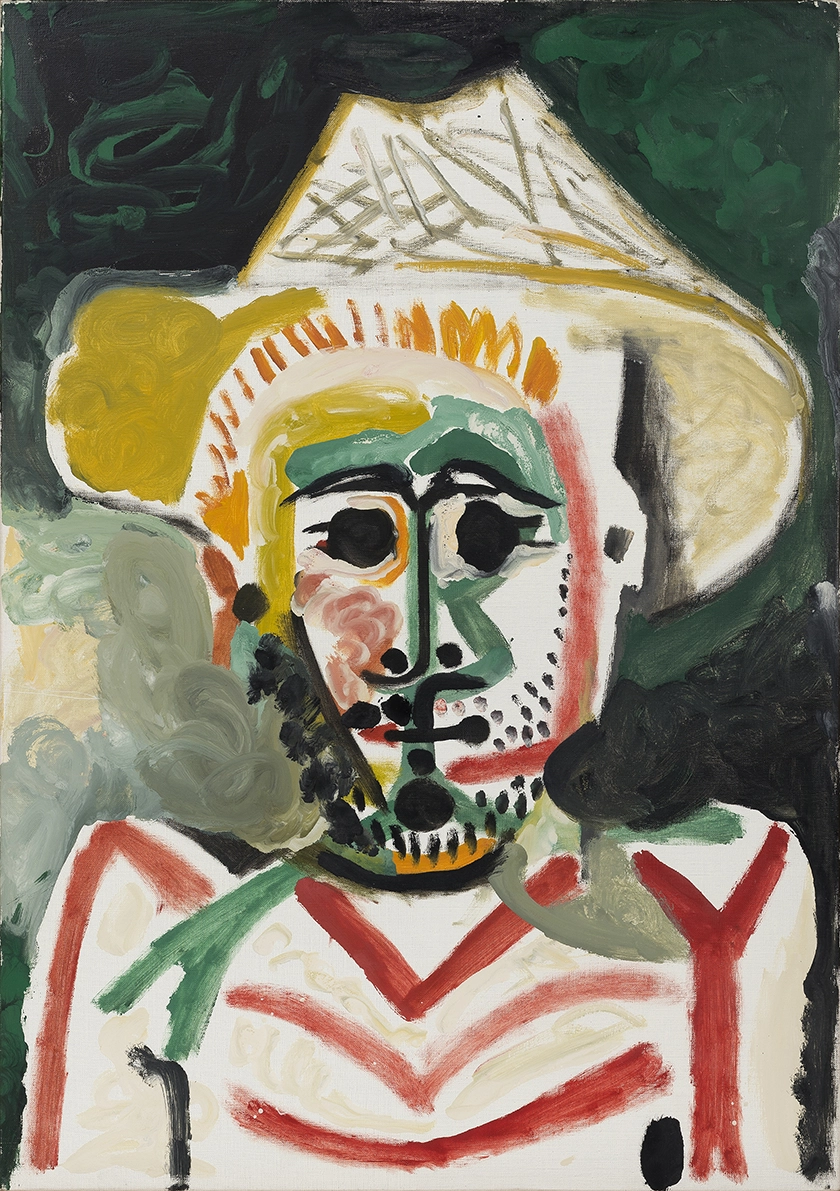
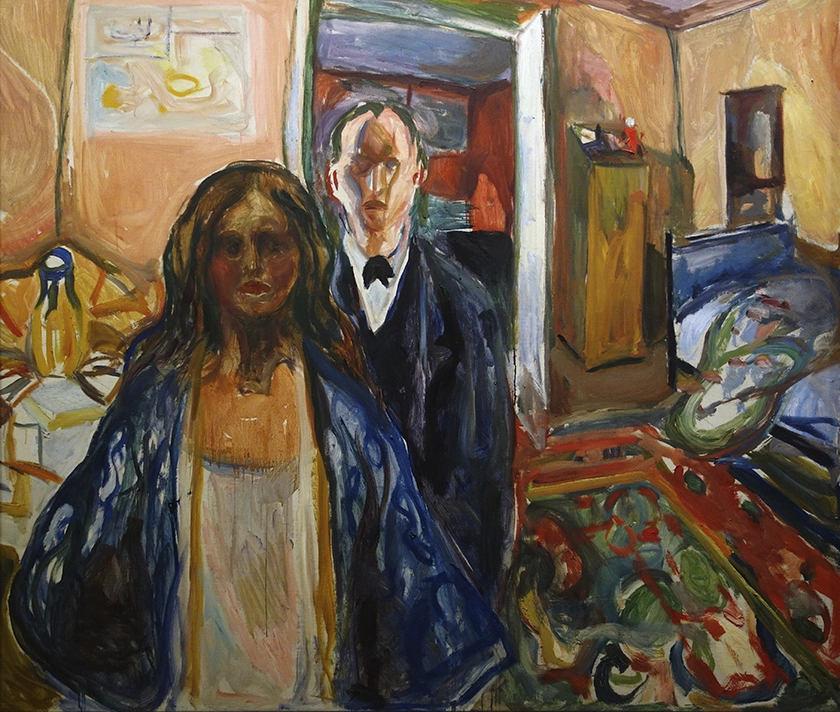
- The Museo Picasso Málaga presents ‘Munch-Picasso’, which, for the first time, establishes a dialogue between the Norwegian artist Edvard Munch (1863–1944) and the Málaga-born artist Pablo Picasso (1881–1973), exploring how both paved the way for modern art through a unique blend of experimentation and the expression of their obsessions and emotions.
- The exhibition, which will run from 30 October this year until 28 February 2027 and bring together over a hundred works, including paintings, prints and drawings, will highlight their mutual influences and numerous thematic affinities, as well as the similar concerns underlying the many facets of these two artists’ work, exploring the extent to which their radical creativity has shaped the way we view the world today.
- Curated by art historian Paloma Alarcó, ‘Munch-Picasso’ benefits from the special collaboration of the Munchmuseet in Oslo and the Almine and Bernard Ruiz-Picasso Foundation (FABA), as well as sponsorship from the Unicaja Foundation and numerous loans from prestigious museums such as the Albertina Museum, the Museo Nacional Centro de Arte Reina Sofía, the Thyssen-Bornemisza National Museum, the Museu Picasso and the Musée national Picasso, the Nasjonalmuseet for kunst, arkitektur og design (National Museum of Art, Architecture and Design, Norway), Tate Britain and The Museum of Modern Art (MoMA), amongst others.
Edvard Munch (1863–1944) and Pablo Picasso (1881–1973), two artists central to understanding the birth of modernity, are coming together at the Museo Picasso Málaga to showcase around a hundred paintings, drawings and prints that explore the affinities running through their respective careers and reveal how they transformed artistic language by making emotional experience one of the main driving forces behind creation.
Without suggesting a relationship of direct influence, the exhibition will explore the shared themes and concerns that shaped the work of these two artists: love and desire, illness, life and death, loneliness and existential anguish. The female figure occupies a central place in this symbolic universe. Admired and desired, women also appear as complex and ambiguous figures, reflecting the emotional and psychological tensions that shaped the imagination of both artists.
Another point of convergence lies in modern life and its social settings – cafés, cabarets and bohemian circles – which, for both Munch and Picasso, served as spaces for experimentation and observation from which to construct a new vision of the contemporary individual. Furthermore, in the sections devoted to the nude, the dialogue between Munch’s and Picasso’s work will enable us to reconsider the scope of a radical creative endeavour that played a decisive role in redefining modern art and our understanding of the world.
For the curator, Paloma Alarcó, the narrative of the exhibition “recounts an imaginary encounter between the two artists and explores impossible dialogues between two disparate personalities who never met. They belonged to different generations and countries, had divergent artistic strategies and sensibilities, and also took opposite approaches to painting, yet they shared a similar obsession with the profound mysteries of life, as well as common interests throughout their prolific careers.” Paloma Alarcó, art historian and exhibition curator, is a member of the programming committee, the Executive Board and the Board of Trustees of the Museo Picasso Málaga. For more than three decades, and until May 2026, she has been chief curator of modern painting at the Thyssen-Bornemisza National Museum, where she led research projects and curated major exhibitions.
‘Munch-Picasso’ benefits from the special collaboration of the Munchmuseet in Oslo and the Almine and Bernard Ruiz-Picasso Foundation (FABA), as well as sponsorship from the Unicaja Foundation.
Source: MUSEO PICASSO MÁLAGA Press Office