

- The number of highly skilled expatriates in Spain has risen from 43,000 to over 163,000 in four years, according to figures presented during Coming Up! 2026, organised by SIE – Spain is Excellence.
- Barcelona accounts for 31 per cent of this group, followed by Madrid (24 per cent) and Málaga (11 per cent). These new international residents are establishing themselves as consumers and influencers of high-value tourist experiences.
- Around 300 professionals gathered in Madrid to analyse the shift from mass tourism to value-based tourism, with new travel models, business partnerships and a gastronomic scene that prioritises authenticity over ostentation.
Luxury tourism in Spain is shifting in terms of its key players and priorities. New international residents with high purchasing power are emerging as a strategic market for hotels, restaurants and destinations, whilst the sector is focusing on more personalised experiences, extended stays and offerings that steer clear of overcrowded tourist circuits.
According to data presented during the fifth edition of Coming Up!, the annual event organised by SIE – Spain is Excellence, the number of highly skilled expatriates has risen from around 43,000 in 2021 to over 163,000 in 2025. This growth reflects the evolution of a group that not only enjoys Spain’s tourism offering but also influences the travel decisions of family members, friends and professional contacts.
The event, held today at the VP Plaza España Design Hotel in Madrid, brought together nearly 300 professionals and representatives from companies and institutions to analyse the trends that are transforming premium tourism.
During the opening address, Ana Alonso, CEO of SIE – Spain is Excellence, emphasised the need to move towards a form of tourism capable of generating greater value for destinations, focusing on differentiation, the quality of experiences and making the most of Spain’s extraordinary cultural, gastronomic and natural heritage.
Expatriates: a new market with high purchasing power that is already influencing travel choices in Spain
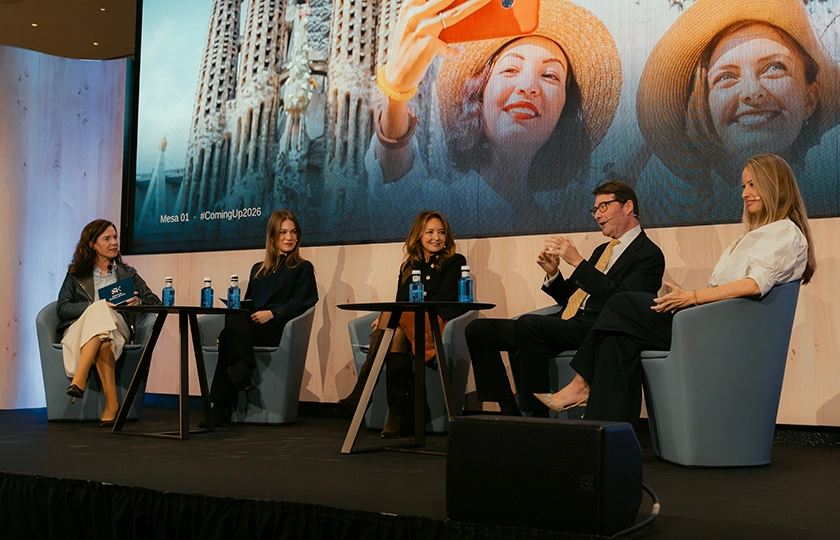
Barcelona accounts for 31 per cent of the highly qualified expatriates analysed, followed by Madrid (24 per cent) and Málaga (11 per cent), according to data presented by Helena Lamers, Director of International Markets at SIE, during the panel discussion ‘Spain as a home and destination. The New Perspective of the Expat Traveller’, moderated by Ana Alonso. Lamers also highlighted the 40 per cent annual growth in digital nomads and the role these residents play in recommending hotels, restaurants and destinations within their international networks.
Alba Lucía Reyes Contreras, Director of Communications, Marketing and PR at Café Juan Valdez Spain, focused on the Colombian community in a country that already had around 980,000 residents born in Colombia in 2025. Reyes highlighted the arrival of entrepreneurs and families who particularly value exclusivity, relationships built on trust and personalised service.
For his part, Roger Cooke, trustee and member of the Executive Committee of the Hispano-British Foundation, noted that today’s expatriates are younger, more diverse and more discerning. Sonsoles González-Ferro, founder of SGF Club, added that a sense of community, security and discretion are fundamental elements for international families settling in Spain.
From a one-hour journey to seven days of experiences: the new formula for tackling overcrowding
Major tourist icons remain essential, but they can serve as a gateway to lesser-known areas. This was one of the conclusions of the panel discussion ‘Escaping overcrowding: the destination begins where the queue ends’, moderated by Noemi Navas, senior economics editor at La Vanguardia.
Núria Perich, head of the Spanish and Portuguese market at the Catalan Tourism Agency, highlighted the Grand Tour of Catalonia as an example of tourism that seeks to spread visitors out and extend their stays: the journey between Barcelona and Tarragona, which takes approximately one hour by motorway, is transformed into a seven-day itinerary to discover the heritage, cuisine and landscapes of the interior.
Fernando Márquez de la Plata, founder and CEO of Inspiring Soho, has advocated a more leisurely way of travelling, one that combines major tourist attractions with local experiences. “Fewer places, but experiencing them more fully,” he summarised, pointing out that the challenge lies in discovering the parts of Spain that lie off the beaten track without transferring overcrowding to new destinations.
Hotels are no longer just selling rooms: culture and fashion are becoming new attractions
Collaboration between companies from different sectors is transforming the tourism experience. During the panel discussion ‘The Power of Partnerships’, moderated by Ana Márquez, journalist and editor-in-chief of COOL, participants analysed how hotels are evolving into cultural and social spaces capable of attracting new audiences.
Andrés Aberasturi, CEO and founder of Pelonio Group, highlighted the growing demand for cultural programmes in hotels throughout the year. Andrea de Juan, CMO of Silbon, championed long-term strategic alliances and presented collaborations with brands such as Multiópticas to develop new products and connect with new consumers.
For her part, Laura del Pozo, Director of Communications and Public Relations at Rosewood Villa Magna, demonstrated how the hotel integrates art, fashion and sustainability through collaborations that enrich the guest experience, including initiatives to reuse textiles
Gastronomic luxury is becoming more relaxed: less formality and restaurants that are in themselves worth the journey
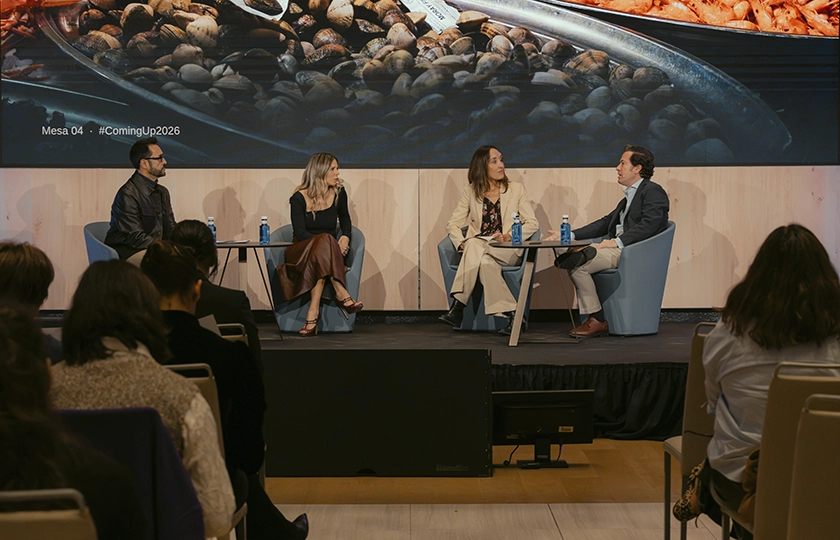
Culinary excellence no longer depends solely on Michelin stars or the sophistication of the dish. Travellers seek hospitality, authenticity and experiences that connect them with people and the local area, as highlighted during the panel discussion ‘Gastronomy as a destination: evolution and trends’, moderated by Germán Jiménez, Director of New Editorial Verticals at EL ESPAÑOL.
Alberto de Luna, a food critic and restaurant entrepreneur, championed the rise of ‘casual luxury’, with more approachable and flexible services, and pointed to a possible decline in the prominence of traditional tasting menus.
Soraia Durán, owner and director of Suite Agency, emphasised that personalised service and the ability to create memories are becoming increasingly important, whilst Mireia Alum, director of Culinary Spain, championed gastronomy as a tool for attracting tourists all year round and raising the profile of lesser-known destinations, by linking restaurants, wineries, local producers and heritage sites.
SIE brings the sector together to promote higher-value tourism
With this fifth edition of Coming Up!, SIE – Spain is Excellence consolidates its annual event as a forum for anticipating trends, sharing knowledge and fostering collaboration between companies and institutions committed to excellence in tourism.
The event was sponsored by the Catalan Tourism Agency (Catalunya Premium) and VP Plaza España Design.
About SIE – SPAIN IS EXCELLENCE
SIE – Spain is Excellence is a tourism excellence club that brings together companies and organisations committed to quality, authenticity and the promotion of Spain as a leading international destination. Through professional meetings, strategic partnerships, certifications and promotional activities, it works to promote excellence in tourism and highlight the diversity of experiences our country has to offer.
Source: SIE – SPAIN IS EXCELLENCE