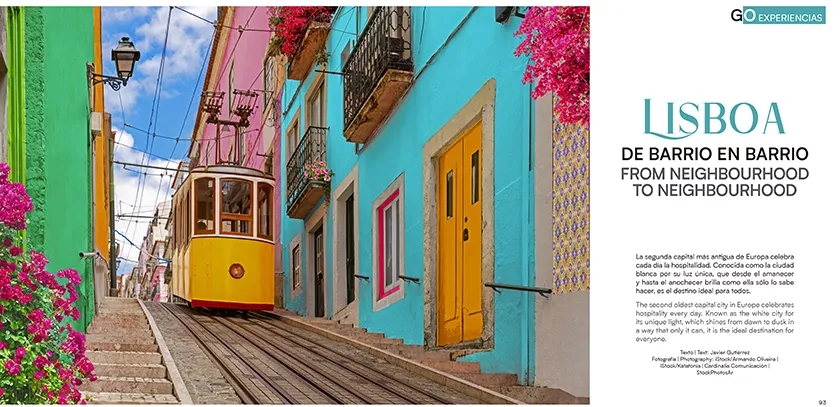
The second oldest capital city in Europe celebrates hospitality every day. Known as the white city for its unique light, which shines from dawn to dusk in a way that only it can, it is the ideal destination for everyone.
For those seeking to discover its rich heritage, admire the panoramic views of the city and the magnificent sunsets over the Tagus River, stroll along its beaches and natural spaces, get excited by its lively nightlife that invites you to dance until dawn, visit the most modern and traditional shops, taste its delicious cuisine and let yourself be carried away by its most universal music, the fado, Lisbon is the unmissable destination, one that you will return to again and again to rediscover.
The best way to experience the culture, history, architecture, cuisine and, of course, the people is by exploring its historic and modern neighbourhoods.
And after the earthquake... the Marquês de Pombal neighbourhood
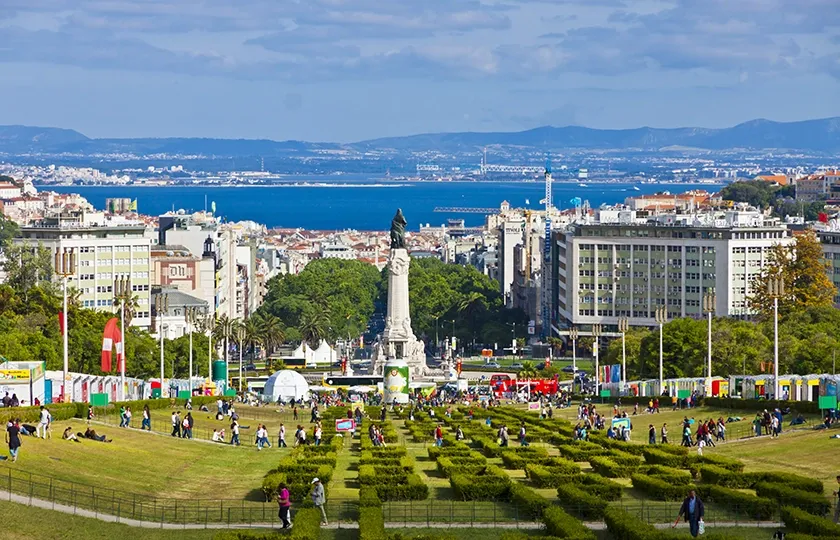
The infamous earthquake of 1755 destroyed numerous artistic and architectural treasures in Lisbon. Thanks to the actions of José I, Marquis of Pombal, a new city emerged from those ruins, and in recognition of his work, a large monument thirty-six metres high presides over the square that bears his name. We are in the Bairro Marquês de Pombal neighbourhood, where Avenida da Liberdade is Lisbon’s luxury district par excellence, thanks to its lively terraces and bars, glamorous shops and refined hotels. And, of course, for its select restaurants such as Cervecería Ribadouro, a temple of seafood and meat that has been delighting palates since 1947.
Avenidas Novas, cerca de Marquês de Pombal
Avenidas Novas is an upper-middle-class residential neighbourhood with numerous shops, offices, academic centres, and the occasional surprise. One of these can be found in Bairro Azul, where excellent examples of Art Deco architecture have been preserved.
Closed until June 2026 for renovations, the Calouste Gulbenkian Museum is another gift from the neighbourhood that allows us to take a journey through 5,000 years of history and discover the works collected by Calouste Gulbenkian. Born in the Ottoman Empire, this philanthropist amassed a vast art collection throughout his life that is unique in the world. Naturalised British in 1902, he died in Lisbon in 1955 and, upon his death, established in his will the obligation to set up the foundation, solely for the benefit of humanity.
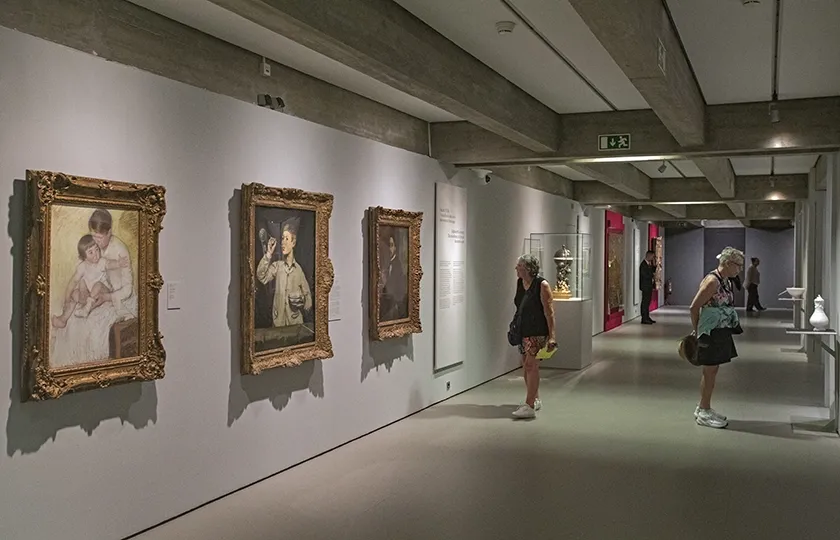
Designed in 1969 by architects Ruy Jervis d’Athouguia, Pedro Cid, and Alberto Pessoa, the building houses a collection of approximately six thousand pieces of Egyptian, Greco-Roman, Mesopotamian, Islamic, Armenian, Far Eastern, and Western art, including sculpture, book art, painting, 18th-century French decorative arts, and works by René Lalique.
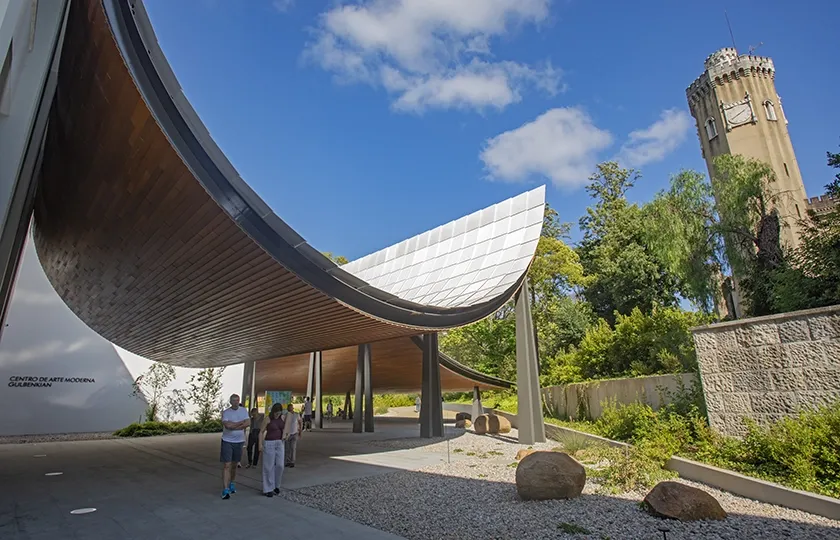
On the other hand, the Gulbenkian Center for Modern Art boasts an extraordinary building, the result of a reinterpretation of the original structure designed by British architect Leslie Martin, inaugurated in 1983, and executed by Kengo Kuma. The collaboration between the Japanese architect and landscape architect Vladimir Diurovic achieved a complete integration of architecture and nature.
It was in 1879 when this former agricultural field was transformed into the residential neighbourhood that we can admire today. A quintessential upper-middle-class residential area, this is where the city’s first shopping centre, the Amoreiras Shopping Centre, was built. For several years now, visitors to the Amoreiras Towers have been able to visit the 360-degree Panoramic Viewpoint, which offers spectacular views of the city, the Tagus River, the castle and Lisbon’s main monuments.
After exploring the streets of Amoreiras and Campo de Ourique, with their cafés, bakeries, offices and shops, Jardim das Moras, the Church of Santo Condestable and the Campo de Ourique market, a visit to the Aqueduto das Águas Livres is a must.
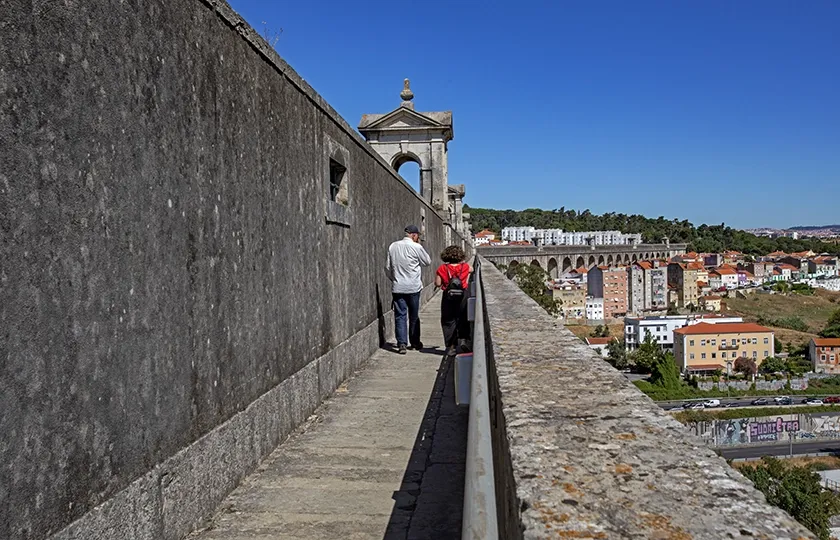
Built in the 18th century with the aim of supplying water to the city, it reaches its maximum magnificence in the Alcântara aqueduct with its twenty-one barrel arches and fourteen pointed arches reaching a maximum height of sixty-five metres. It is so solid that it was one of the few monuments in Lisbon that was not damaged during the 1755 earthquake.
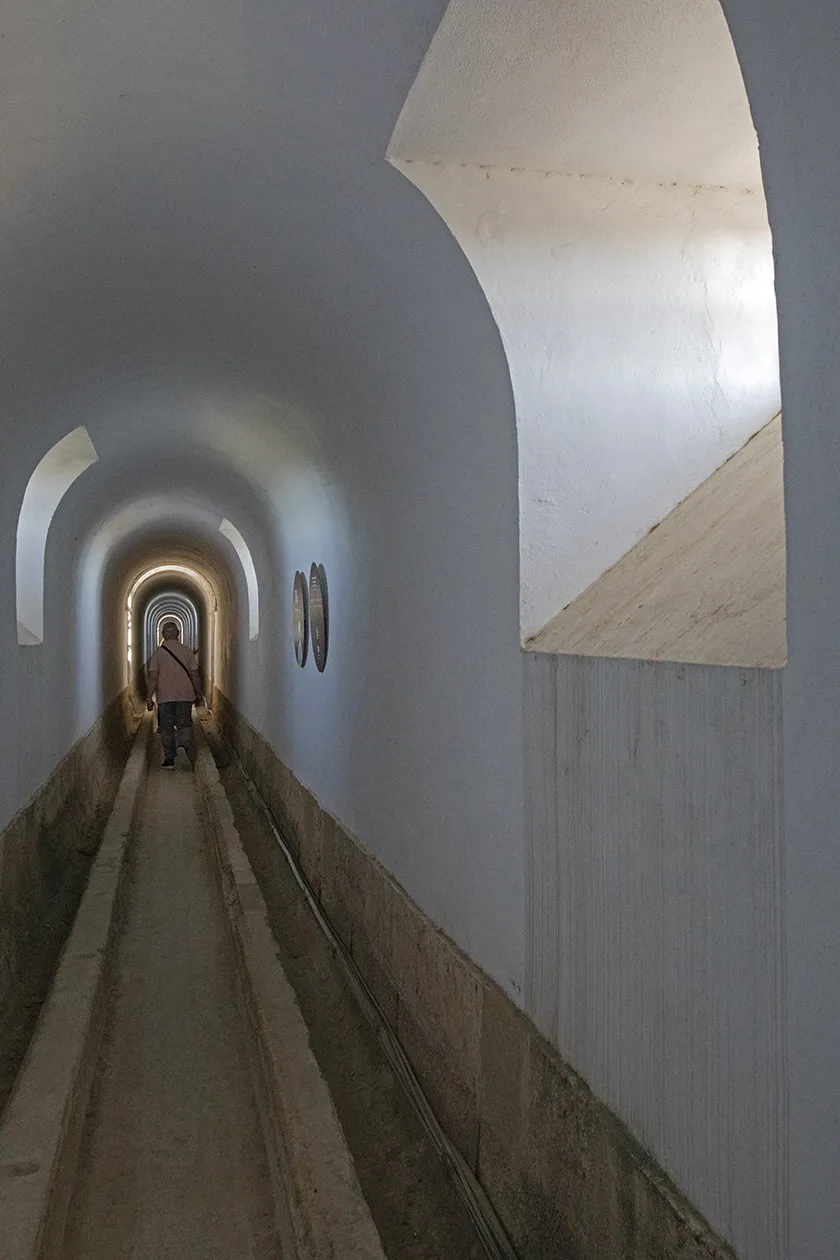
Declared a National Monument in 1910, it has five galleries that connected to various fountains throughout the city. You can explore some of them by taking a guided tour that starts at the Barbadinhos Steam Pumping Station. The tour ends at the impressive Mãe d’Agua das Amoreiras reservoir, built to receive and distribute the water transported by the aqueduct. It was designed in 1746 by Hungarian architect Carlos Mardel.
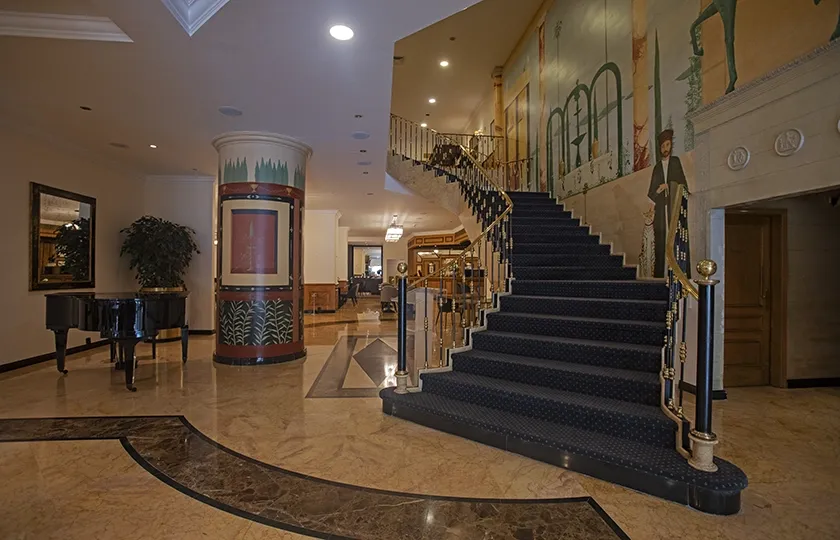
If you are looking for accommodation in the neighbourhood, a safe bet is the Hotel Don Pedro Lisboa. A 5-star hotel where elegance, tradition and attention to detail are the raison d’être, and where the spectacular rooftop offers unforgettable views of the city.
Baixa Pombalina, one of the most popular
Towards the Tagus, downtown Lisbon or Baixa Pombalina begins at Praça do Rosio or Praça Dom Pedro IV. From here, Rua Augusta leads visitors to the famous Triumphal Arch and Praça do Comércio, one of Lisbon’s most iconic landmarks. It is also the starting point for discovering the pleasant surprises that the city has in store.
In one of the arcades of Praça do Comércio, to the left of the Triumphal Arch, is the Café Restaurante Martinho da Arcada, whose origins date back to 1778. Rulers, politicians, military figures, artists and writers have swelled its client list, the most important being Fernando Pessoa, a great figure in world literature and one of the greatest poets of the Portuguese language, who is remembered with the table he used to occupy when visiting this historic establishment.
Also in Praça do Comercio is the Interpretation Centre of the History of Cod, a space dedicated to paying tribute to this food and to the generations of sailors and fishermen who were always willing to travel to the ends of the earth so that we could enjoy this delicious delicacy. It also has a shop where you can buy dried and fresh cod from the cold waters of Iceland and Norway, as well as canned cod, oils, sea salt, spices, local wines, souvenirs and themed books.

Next to it, Selo de Mar is an establishment specialising in Lusitanian garum, whose production was developed by the Romans. What was once the most valuable condiment in the Roman Empire is a fermented fish sauce, bursting with umami flavour, which has been produced for the first time in over fifteen centuries in one of the salting vats of the Roman ruins of Troia.
Before saying goodbye to Baixa Pombalina and Praça do Comercio, it is worth taking a boat trip on the Tagus. Every day, different boats depart from the South and South-East River Station, offering a different view of Lisbon and some of the city’s most important monuments.
And when it comes to dining, a safe bet is Zambeze Restaurant & Rooftop Bar, a modern and elegant space where you can sample the flavours of Mozambican cuisine.
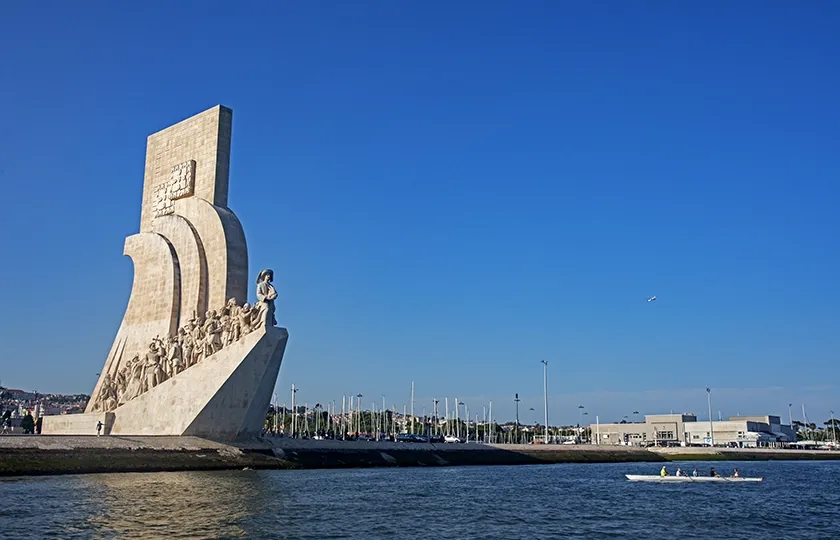
Bairro Alto, bohemian neighbourhood that catches the visitor's eye
Without a doubt, one of the most charismatic neighbourhoods in Lisbon is Bairro Alto. The varied architecture, the small houses that share space with ancient palaces, and its lively nightlife attract the curious gaze of visitors. This bohemian neighbourhood is home to some of the city’s main theatres, which offer a full and varied programme of cultural activities, numerous bars, charming squares such as Praça Luís de Camões and Praça do Príncipe Real, as well as recommended restaurants such as Lisboa a Noite. Located in the former stables of the Counts, it preserves a century-old water well and the original Pombaline arches. Here you can sample a variety of Portuguese-inspired delicacies, always paired with some of the country’s most select and exclusive wines.
Chiado, bourgeois charm in the 21st century
Despite the terrible fire that destroyed the neighbourhood in 1988, Chiado still retains its 19th-century bourgeois charm. A meeting place for many of the leading figures of Portuguese culture in the 19th and 20th centuries, the neighbourhood was the cultural and social centre of the city. Here we find some of Lisbon’s most elegant cafés, such as A Brasileiro. Founded in 1905 by Adriano Soares Telles do Valle, it is the most emblematic and one of the oldest in Lisbon, where you can buy what may be the best custard tarts in the city. It is also a literary, architectural and artistic landmark that has stood out since its inception for its refined architecture, which, both on the façade and inside, reflects the Parisian taste of the time.
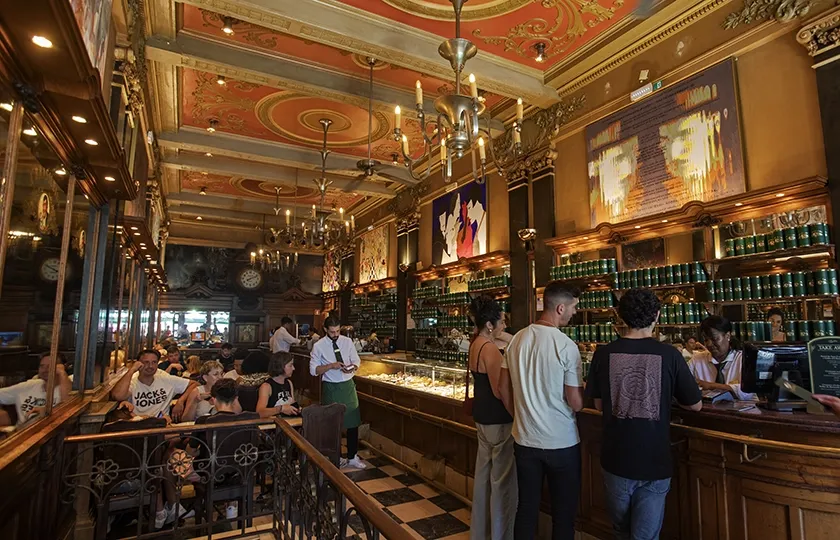
If the emotions experienced while visiting Chiado whet the traveller’s appetite, Bairro do Avillez is the place to go. This establishment is actually four restaurants: a surprising Tavern with delicious dishes to share, a Courtyard featuring Portuguese cuisine, a fun, sophisticated and surprising Mini-Bar restaurant and gastronomic bar with a unique atmosphere and lively nightlife, and finally, Pizzería Lisboa with irresistible pizzas, risottos and pastas. All of them bear the signature of chef José Avillez.
Cais do Sodré, a multicultural neighbourhood
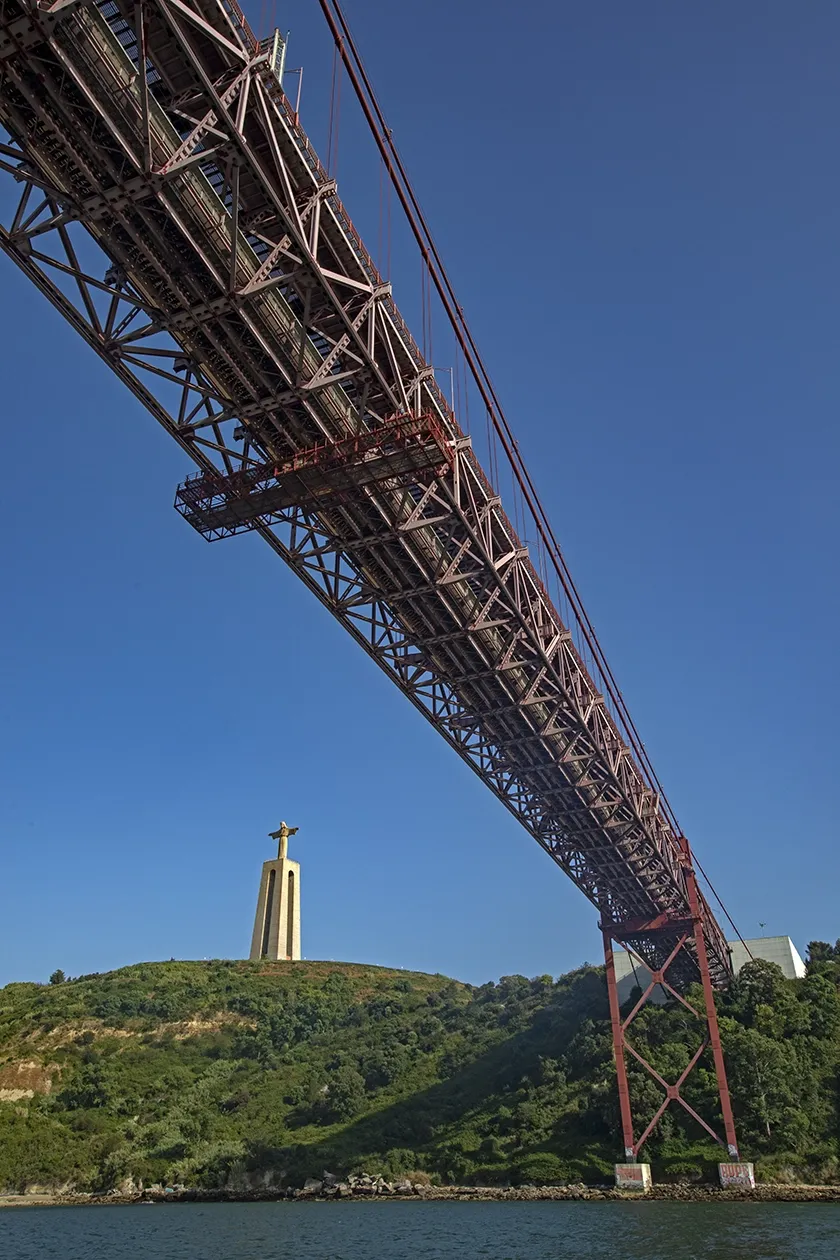
An old neighbourhood on the banks of the Tajo River, Cais do Sodré is one of Lisbon’s main transport hubs. Its river pier connects to Almada via the Cacilhas pier, ideal for a trip to the Cristo Rey Sanctuary and discovering the city from a different perspective.
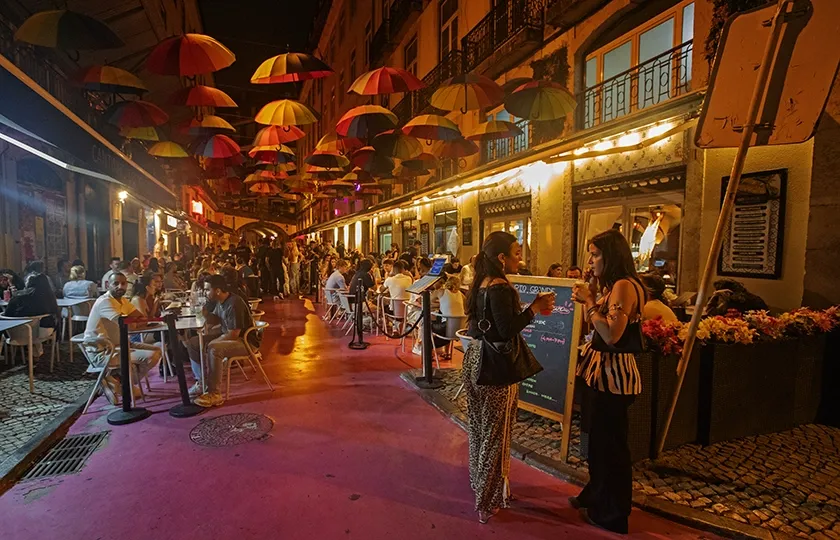
More than thirty years ago, a major transformation began in the neighbourhood, which was completed in 2000 with the renovation of historic buildings and old port warehouses. Today, it is an open and multicultural space. A nightlife spot chosen by Lisbon locals and visitors alike, one of the most famous streets is Rua Cor-de-Rosa, also known as Pink Street, which is home to restaurants and some of Lisbon’s oldest and most famous bars and nightclubs.
In Cais do Sodré, it is worth visiting the Ribeira Market, one of the oldest in the city, the churches of São Paulo and Corpo Santo, the 19th-century Cais do Sodré station, and the Jardim Dom Luís.
Bairro do Alfama, old fishing neighbourhood
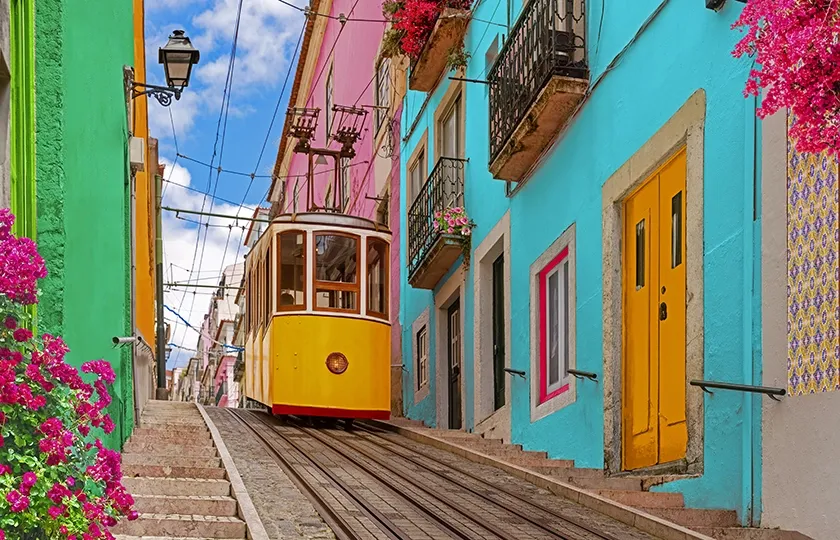
Spread across the slopes of São Jorge Castle, the Alfama neighbourhood is one of the most charismatic in Lisbon and the perfect place to listen to the voices of fado and the sound of the guitar, that universal music that moves the soul. The best way to get there is on the famous tram 28, which you can catch at Martim Moniz Square and get off at the stop in front of the National Pantheon or Santa Engracia Church. If it’s Tuesday or Saturday, visit the Ladra Market, a street market where you can find everything from antiques to clothing, furniture, toys, records, and books.
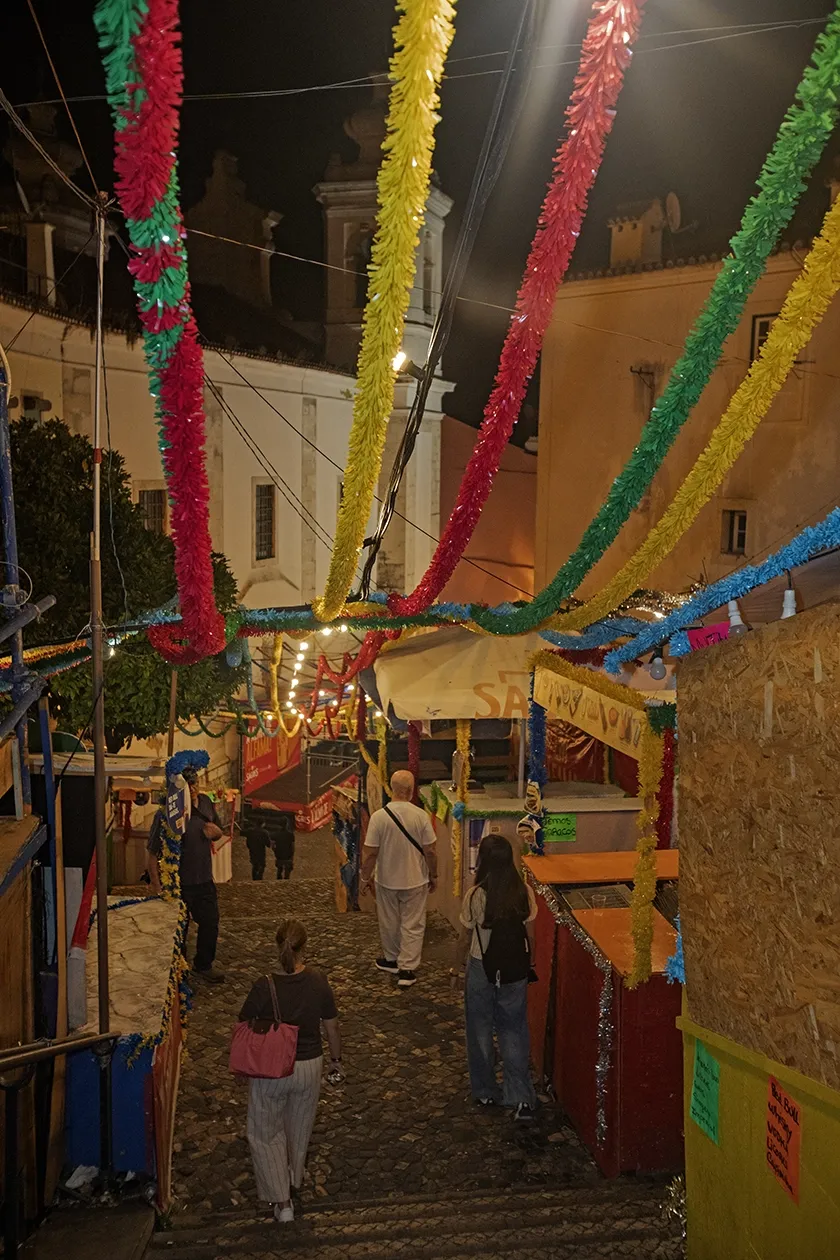
Its small squares, stairways and charming corners bring us closer to the most beautiful places in the neighbourhood, such as the Castle of São Jorge, the small Sé (Lisbon Cathedral), the Fado Museum, the Casa dos Picos and the Botto Machado Garden with its viewpoints, Portas do Sol and Santa Lucía, which offer the most beautiful views of the neighbourhood.
Bairro da Mouraria or La Morería, the birthplace of fado
This neighbourhood, where Muslims settled in the 12th century, has become one of Lisbon’s most fashionable tourist spots in recent years. The birthplace of fado sometime in the 19th century, according to most experts, is the house of Severa, a woman who played the guitar and sang sorrowful, melancholic melodies, songs in which nostalgia, misfortune, love and heartbreak echoed through the neighbourhood’s narrow streets.
Today, Maria’s house is the only Fado House in the Mouraria neighbourhood, known as the Maria de Mouraria restaurant and run by the Fado Museum as a Portuguese tapas establishment. From Wednesday to Sunday, you can sample their delicious creations while enjoying the voices of Hélder Moutinho and Bela accompanied by guitar and viola.
Bairro do Alcântara, eclectic and fascinating
In addition to being an important industrial centre, the Bairro do Alcântara was once the place of choice for the wealthier classes who wanted to escape the hustle and bustle of the city centre. This relocation led to the construction of imposing villas such as the Valle Flôr palace, built in the 19th century and declared a National Monument.
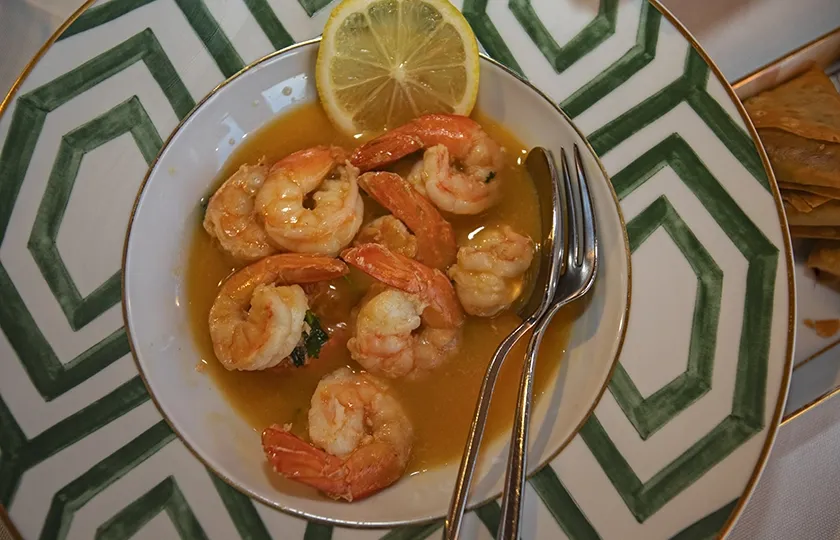
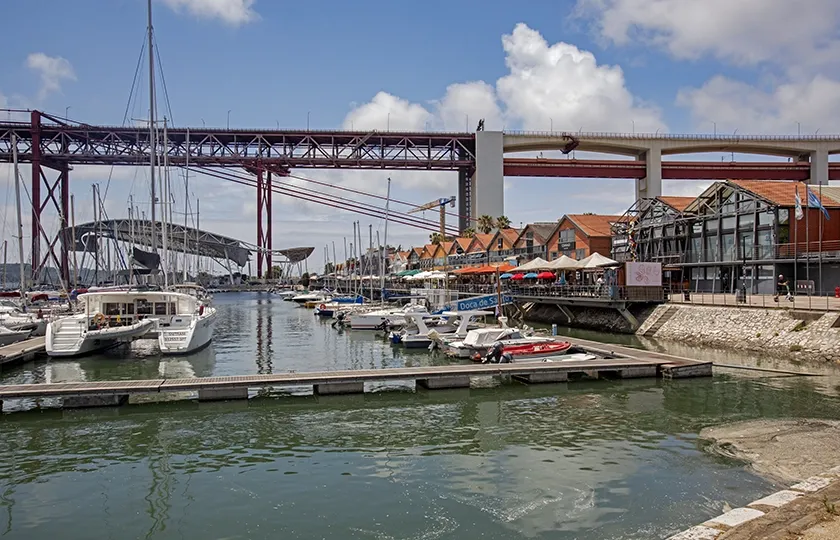
Eclectic and fascinating, Alcântara has undergone a dynamic transformation in recent years, which can be seen in places such as Docas do Alcântara, former warehouses converted into bars and restaurants overlooking the exclusive marina. One such restaurant is 5 Océanos, where the experience, the expertise in preparing the dishes and the fresh ingredients that arrive at the restaurant every day combine to create an unforgettable experience. On the menu, expertly prepared fish and seafood dishes seduce diners with their exquisite flavours.
The metamorphosis that completely changed the face of the neighbourhood now takes us to LX Factory, where brick walls, steel beams and street art murals give it an industrial-chic aesthetic. The origins of this industrial estate date back to 1846 and, after years of neglect, it has been reborn as a factory of experiences where it is possible to participate, think, produce and present ideas and products. Occupied by companies and professionals from different sectors, cafés, restaurants, bookshops, bars and restaurants, it is a space for everyone and a must-see when travelling to the Portuguese capital.
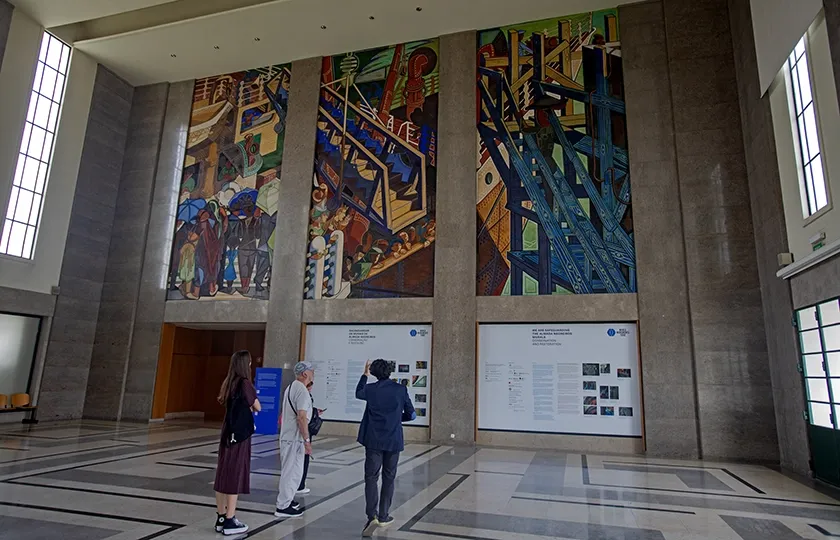
The city of Lisbon has recently seen its catalogue of cultural and tourist centres expanded with the addition of the Almada Murals Interpretation Centre at the Maritime Stations. A space that brings visitors closer to the murals of Almada Negreiros, the largest collection of the 20th century, consisting of fourteen mural panels, six at the Rocha do Conde de Óbidos Maritime Station and eight at the Alcântara Maritime Station. A tour of its new rooms allows visitors to learn about the history of these murals and the context of their creation, the artist and his work throughout the city, as well as the history of the people who passed through these stations during the second half of the 20th century.
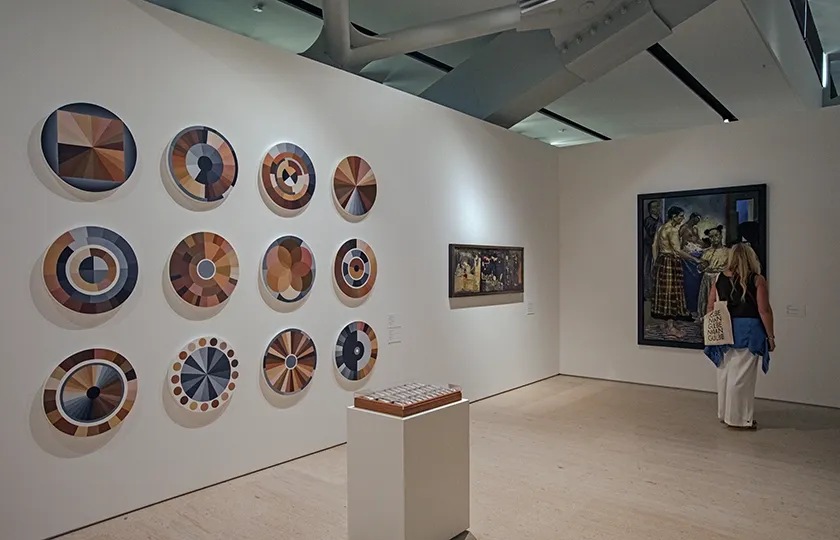
We conclude this fascinating journey through the Bairro do Alcântara at the Armando Martins Museum of Contemporary Art (MACAM), a private collection of modern and contemporary Portuguese and international art. MACAM is one of Portugal’s finest private art collections, which began in 1974 when Armando Martins acquired his first original work of art. With works ranging from the late 19th century to the present day, the collection comprises more than six hundred works of art from different disciplines such as sculpture, drawing, photography, video and installation.
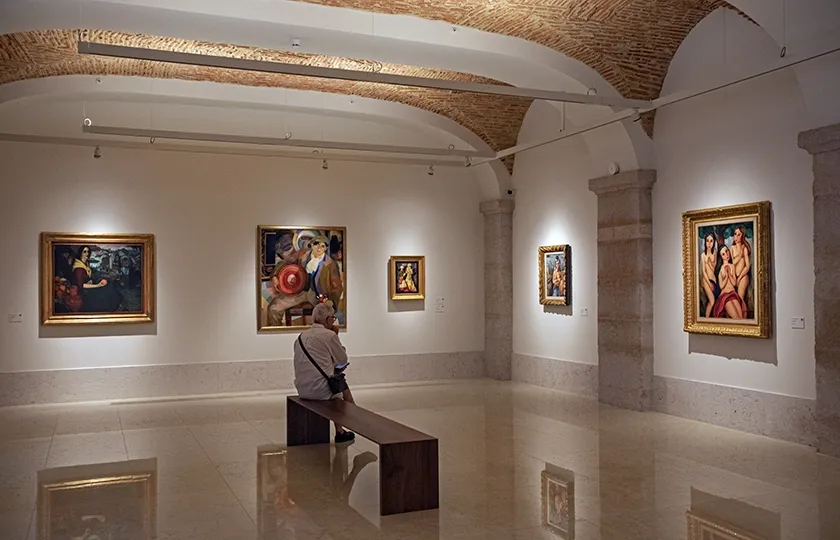
MACAM is complemented by À Capela, a space dedicated to live music and other performing arts located in the former chapel of the Palace of the Counts of Ribeira Grande, and by MACAM Hotel, a modern accommodation with sixty-four rooms, divided between the palace and the contemporary building, and decorated with some of the works of art from the collection, which, added to the elegance and design of the furniture, enrich the guests’ stay.
Bairro da Ajuda, souvenir of old Lisbon
Surrounding the Ajuda National Palace is the Bairro da Ajuda, a network of narrow, sloping streets away from the hustle and bustle of the city centre. The Ajuda National Palace was the official residence of the royal family in the second half of the 19th century until the end of the monarchy in 1910. Currently, it is used to receive international authorities and host important official ceremonies.
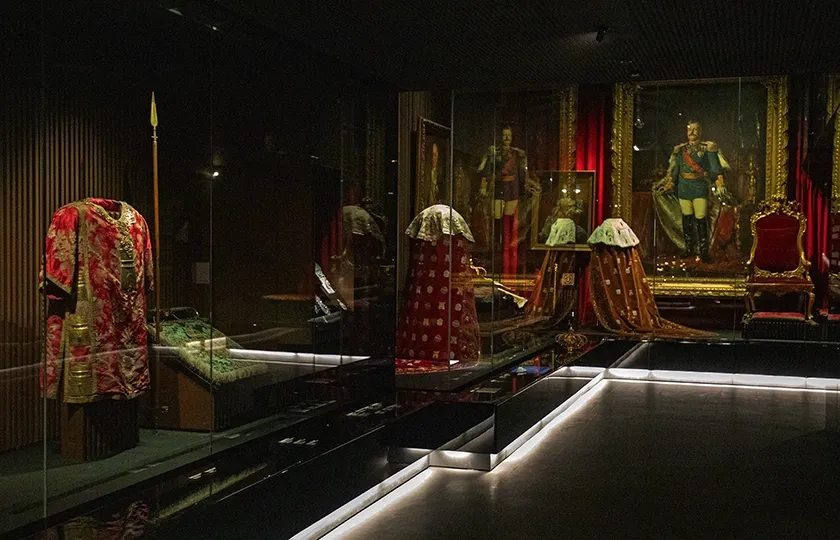
Occupying rooms in the National Palace and divided into eleven sections, the Royal Treasury Museum – Crown Jewels permanently exhibits much of the heritage of the former Portuguese Royal House that was not lost in the fateful earthquake of 1755. From precious stones, coins, crown medals and jewels from different sources to the royal crown, sceptres and surviving mantles, as well as honorary orders and decorations from the Military Orders: Christ, Avis and Santiago; a set of 16th-century Portuguese underplates and plates that were part of the Crown Silver, two papal gold roses and the Germain Tableware, all form part of this impressive collection that brings us closer to the history of the Portuguese monarchy.
The tour ends with the Royal Treasure Journeys, which show the places where the treasure travelled throughout its splendid history.