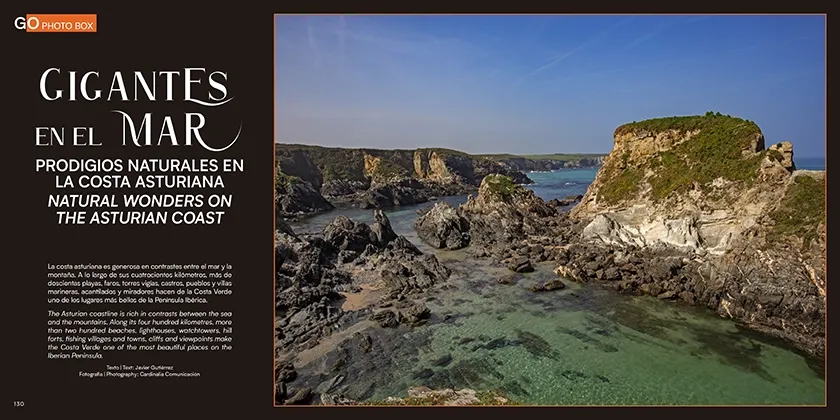
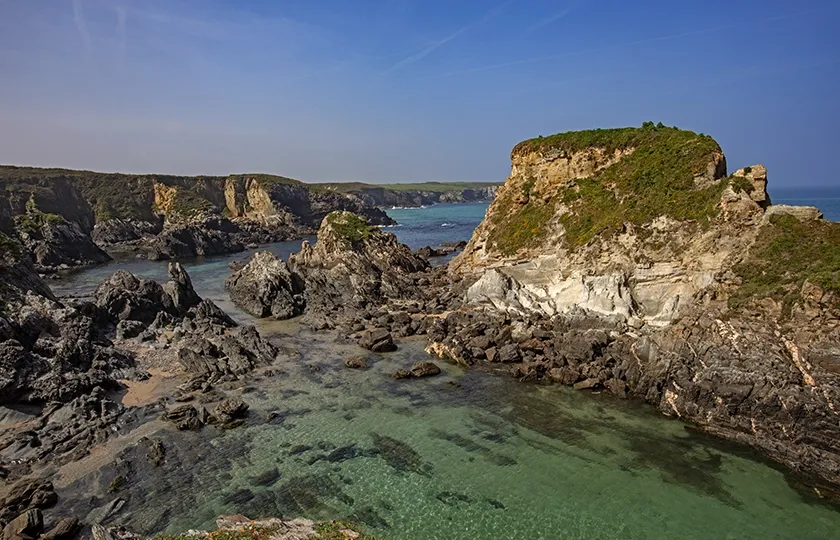
The Asturian coastline is rich in contrasts between the sea and the mountains. Along its four hundred kilometres, more than two hundred beaches, lighthouses, watchtowers, hill forts, fishing villages and towns, cliffs and viewpoints make the Costa Verde one of the most beautiful places on the Iberian Peninsula.
But without a doubt, the west coast has the wildest and most natural beaches. Considered one of the best preserved in Spain, it is ideal for enjoying and connecting with nature in its purest form. From Castropol, with its breathtaking views of the Cantabrian coast, to Cudillero, with its stunningly beautiful sandy beaches protected by awe-inspiring cliffs, passing through Tapia de Casariego, home to some of the most highly rated spots in the area, the western coast of Asturias is a world of natural and cultural wonders.
Mexota Beach, a beautiful haven with crystal clear Waters
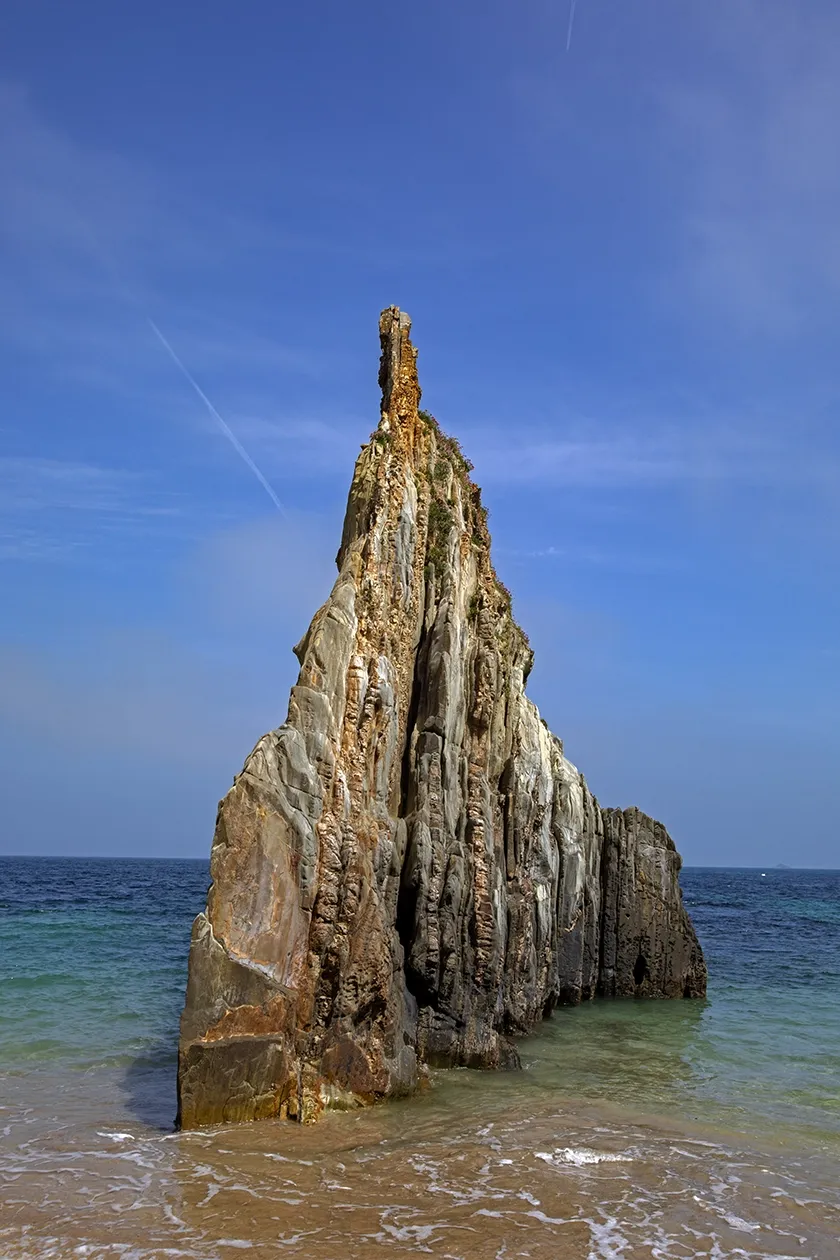
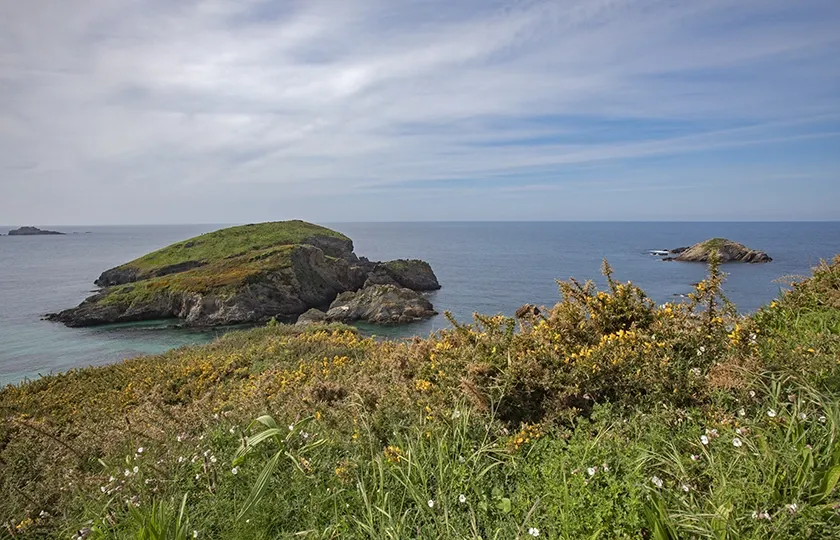
Located in the municipality of Tapia de Casariego, Mexota beach is divided by a rocky islet that gives it a distinctive look and makes it a must-see for photography enthusiasts. Protected by two large cliffs, its fine, golden-white sand makes it a true oasis of peace and tranquillity, where the sea breeze is a relief on the hottest days.
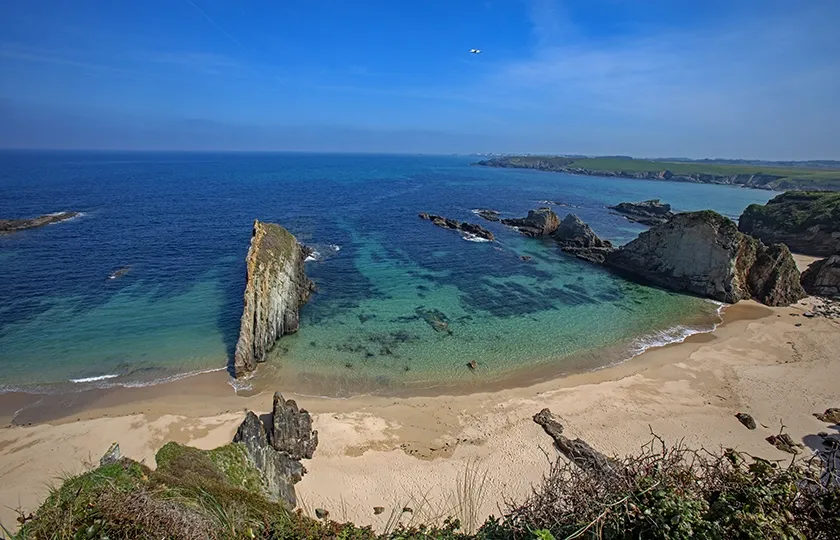
The most renowned Asturian coastline near Castelo del Esteiro
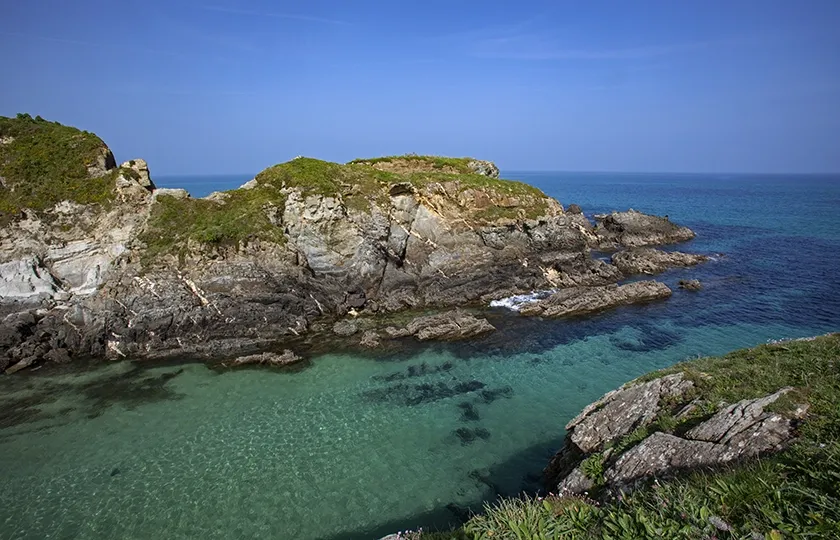
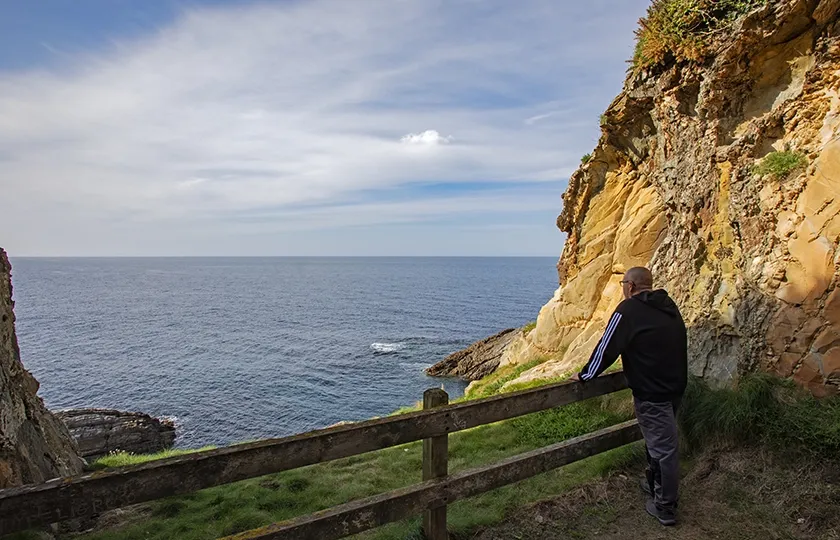
Very close to La Paloma beach, also known as Esteiro beach, and a short distance from Tapia de Casariego, lies the Esteiro hill fort, one of the many fortified settlements hidden along the Asturian coastline. As we approach the dizzying cliffs, we discover a landscape that is both surprising and awe-inspiring, carved out over centuries with infinite patience by the north winds and the waters of the Cantabrian Sea.
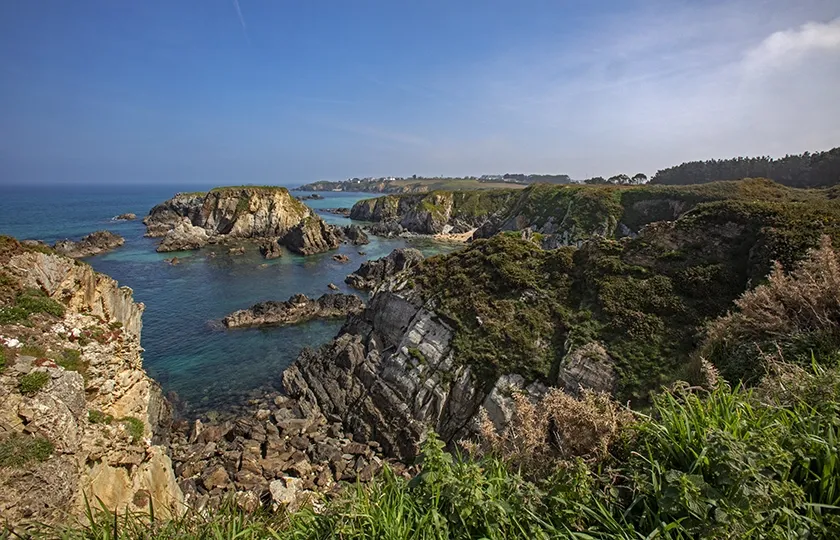
Porcia Beach, sheltered from the harsh sea conditions
This pebble and sand beach is located very close to El Franco. A refuge for migratory birds and an area of high natural and scenic value, Porcia Beach is known for its river meanders and the Boy islets, where there used to be an ore loading facility. In addition, traces of various noyares (anchorage points) in the rocks for mooring boats are still visible. It also has marshes, small dunes and several islands such as Large island, Small island and Gavioteiro island.
It was 1929 when the Dutch freighter Valkenburg sank very close to Porcia beach with a cargo of more than three thousand tonnes of iron ore. This event gave rise to a belief among the inhabitants of the area, somewhere between legend and reality, that the sunken ore attracts lightning from the dreaded storms of the Cantabrian Sea, specifically to a flattened outcrop known as A Pedra Imán.
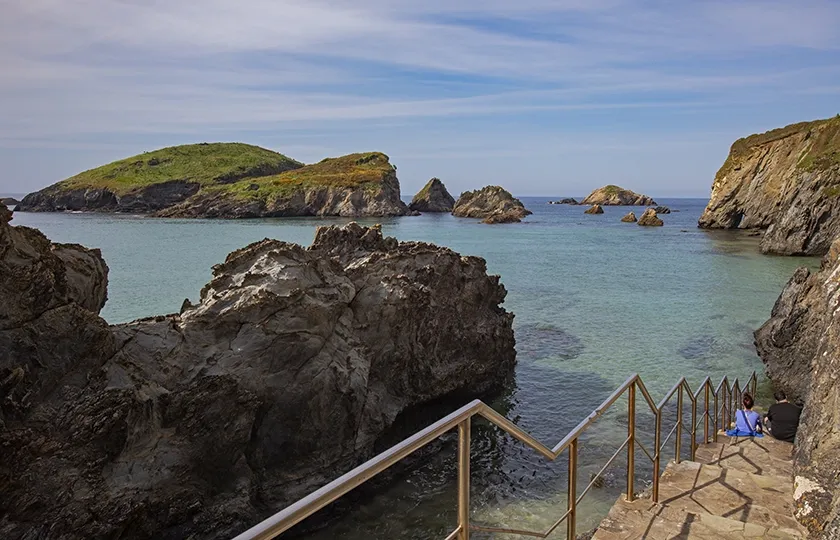
Cabo Blanco hill fort, film set
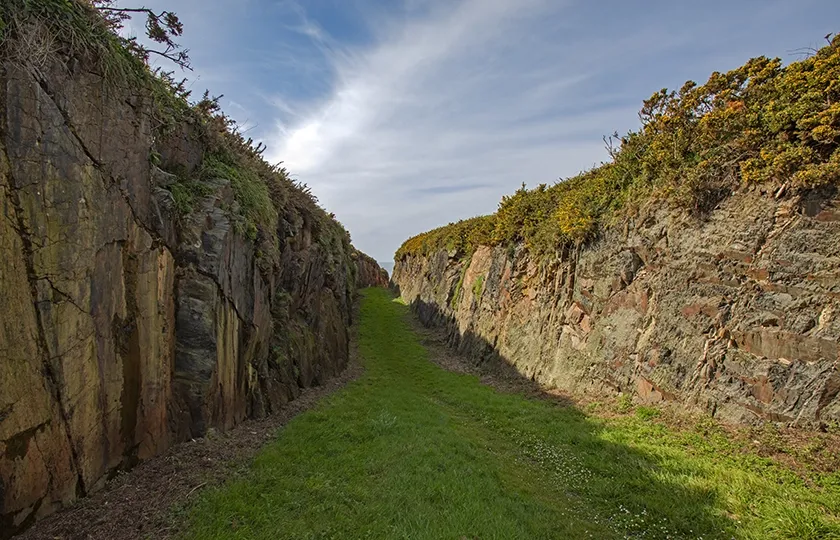
Anyone who has seen The Last Night in Tremor will recognise Cabo Blanco hill fort as one of the locations where a scene from the Netflix series was filmed. In this case, it is not a place created by nature, but rather by human intervention.
By extension, Cabo Blanco is the most important hill fort in the region and one of the most notable in Asturias. Located in Valdepares, in the municipality of El Franco, its origins date back to the Iron Age (8th-1st centuries BC), when it was limited to the narrow strip of land that forms the cape. It was during the Roman occupation that it spread across the continent, forming a vast enclosure defended by a parapet of monumental dimensions. It was during the Roman occupation that it spread across the continent, forming a vast enclosure defended by a parapet of monumental dimensions, as can be seen in the sections that remain, exceeding four metres in height.
Barayo Beach, dunes, marshes and a wild beach
We leave behind the municipality of El Franco, but we do not abandon our The last night in Tremor. Here we find two new locations from the series. On one side, the village of Puerto de Vega, which brings Tremor to life, and on the other, Barayo beach, shared by the rabbits of Valdés and Navia.
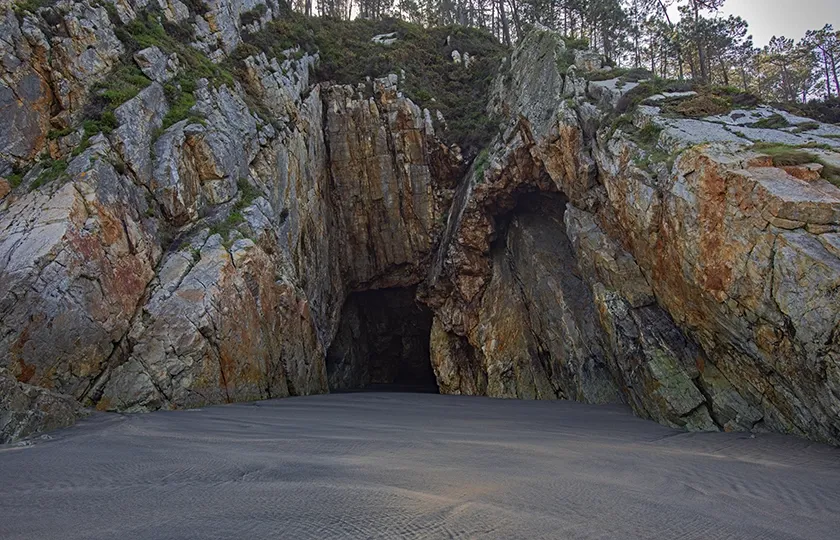
From the Sabugo car park, a path leads us to the beach while we enjoy beautiful and spectacular panoramic views of the blue Cantabrian Sea and the meanders and dunes that characterise this natural enclave. Barayo Natural Park comprises the final stretch of the river of the same name, the aforementioned dunes and marshes, and the wild dark sand beach.
A natural habitat for a variety of birdlife and of great ecological and scenic value, it consists of two sandbars, one covering the coastline and the other serving as a freshwater riverbank.
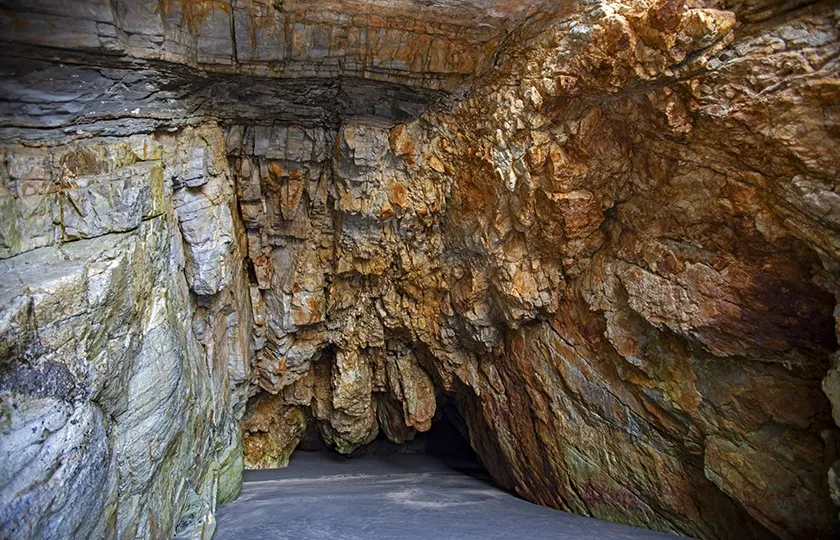
On one side of the beach are the caves known as Las Sántinas, created by the erosive action of the waves breaking against the cliff, where the star of the series filmed a scene with her two children.
Portizuelo Beach, the walk of a Nobel Prize winner
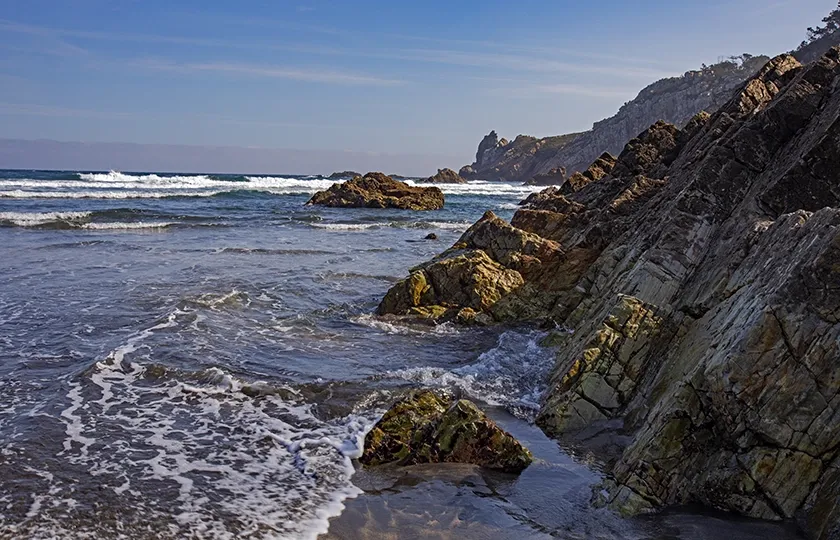
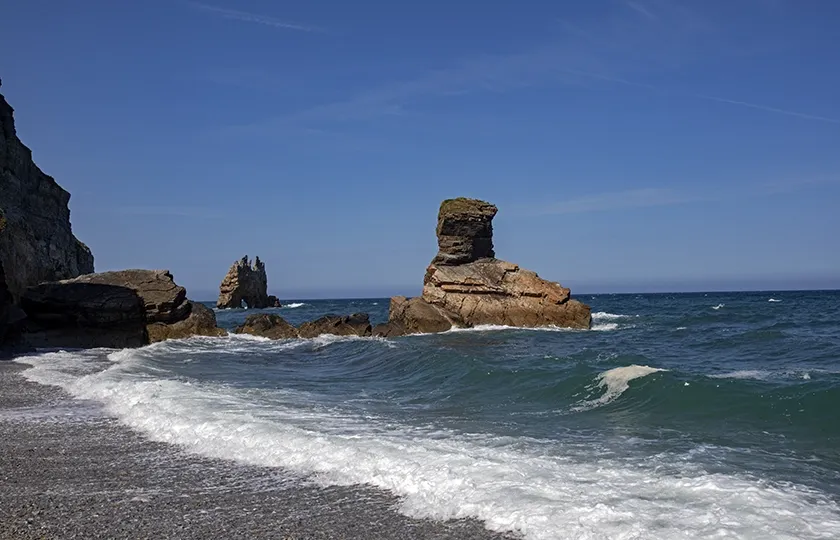
Passable paths from Villar or Barcia make it easy to reach Portizuelo beach. Nestled within the Protected Landscape of the Western Coast, it is rocky, with boulders and unusual beauty. The curious gaze of visitors is drawn to this beach by the whimsical, pointed rock formations that dot the coastline. One of them, and surely the most famous, is known as Piedra El Óleo, an inspiration for artists who have been unable to resist immortalising it on their canvases.
Chosen by Nobel Prize winner Severo Ochoa, born in the nearby town of Luarca, as a place to walk, it was also the meeting point where, in the past, the maruyas, village women who bathed fully clothed, would gather.
Cabo Busto, vastness and tranquillity
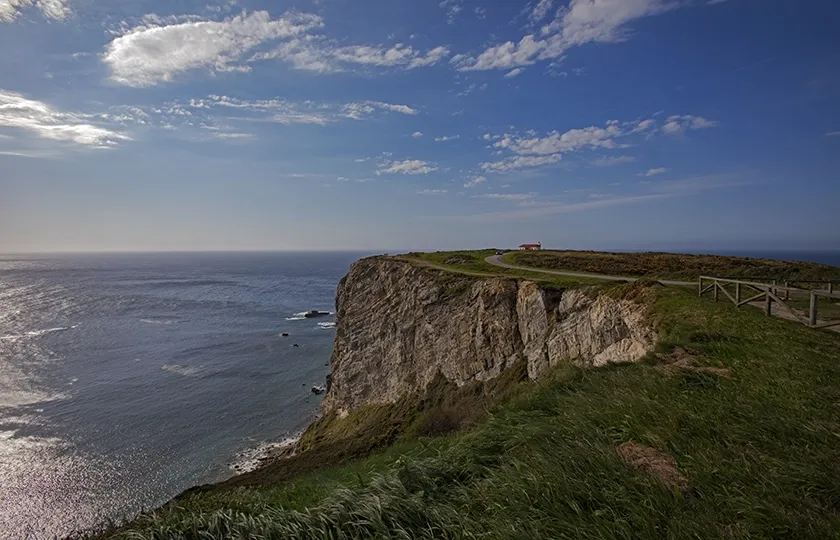
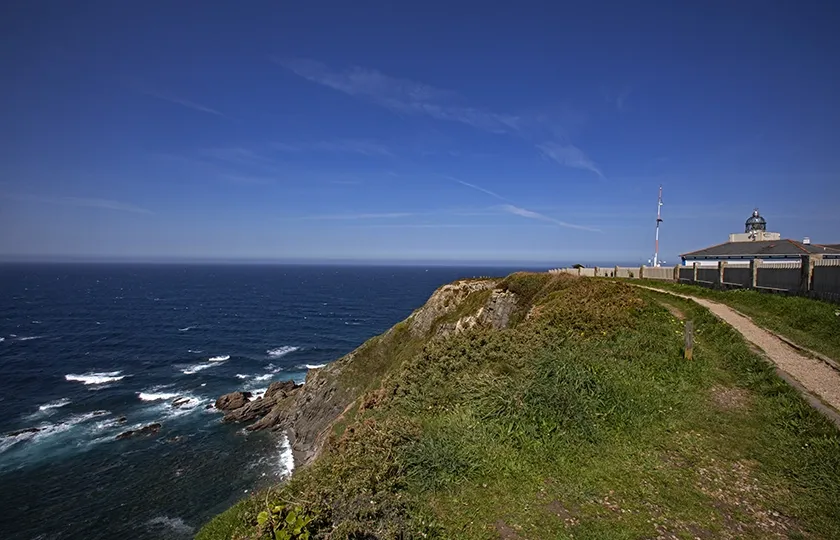
From the village of Busto, passing through farmland, pine forests, oak groves and riverside woods, you reach Cabo Busto, which, together with Peñas and Vidio, is one of the most striking headlands on the Asturian coast. The lighthouse, inaugurated in 1858, is located on one of the most impressive natural balconies on the west coast. From its dizzying cliffs, visitors can enjoy the crystal-clear waters and uniquely beautiful seabed of the Cantabrian Sea. A route that runs along Cabo Busto takes you to numerous viewpoints offering beautiful views of the islands of La Moura, Las Mochas and El Salto, or the beaches of Boxada el Vino, Serrón, Barchinas and Vallino.
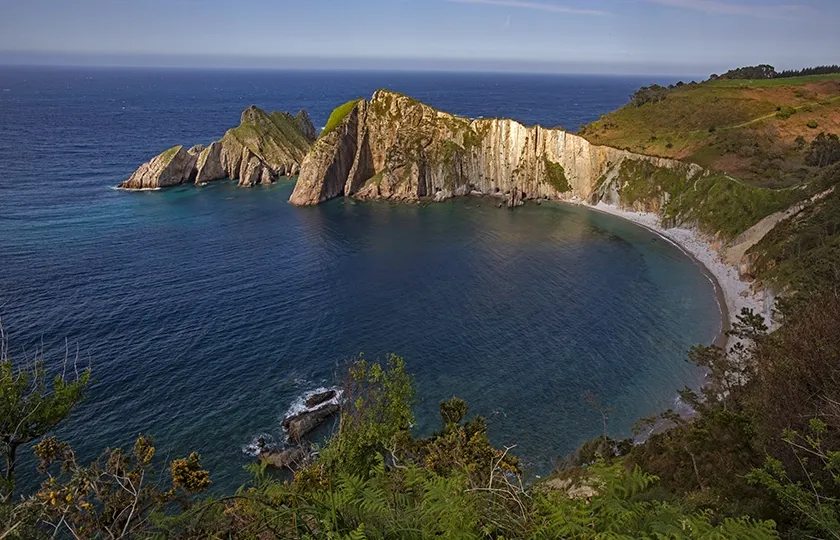
Beach of Silence, the hush of sea
Also known as Gavieiru, it is located in the town of Castañeras and can be accessed via numerous steps covering a distance of approximately five hundred metres. In this imposing natural amphitheatre, protected by cliffs and islets of different sizes that calm the force of the sea, you are overcome by a feeling of isolation and seclusion, with the silence of the sea and the low flight of seabirds accompanying you on this fantastic journey. An almost untouched landscape, although very popular with visitors, it is one of the most beautiful spots in western Asturias.
Cape Vidio, a work of art by nature
Spectacular cliff of quartzite and slate juxtaposed and aligned to form a magnificent rock sculpture. A unique place full of secrets, geographically strategic and the northernmost point of Asturias, from here it is possible to admire Cape Peñas and Estaca de Bares on clear days. Presided over by the last lighthouse built in Asturias, right in the middle of the 20th century, at its feet there is a large natural cavity, known as ‘la iglesiona’, with a large rounded dome that reaches a height of sixty metres. And to the north, a huge, inaccessible rock marks the end of the cape. It is Chouzano Island, where cormorants and seagulls nest.