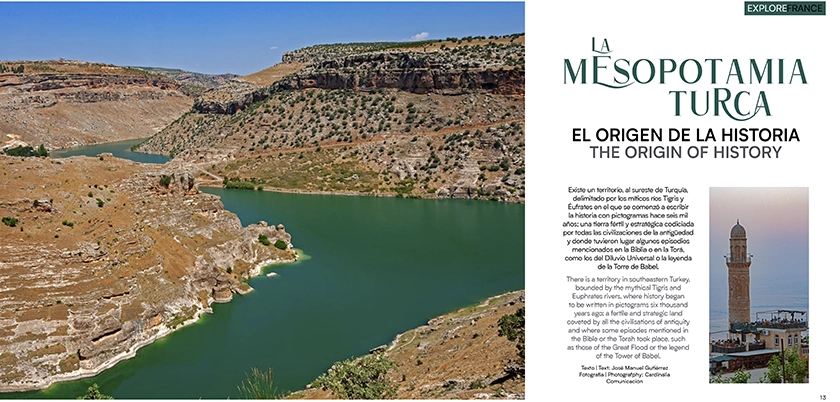
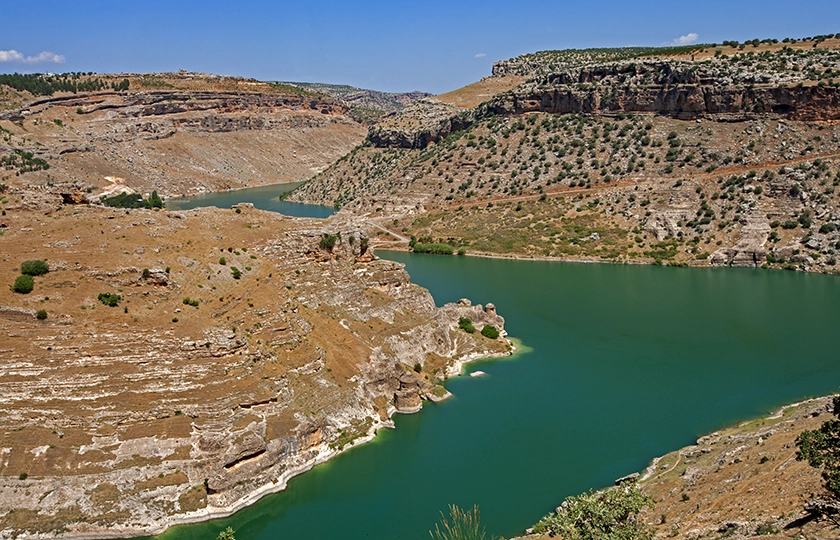
There is a territory in southeastern Turkey, bounded by the mythical Tigris and Euphrates rivers, where history began to be written in pictograms six thousand years ago; a fertile and strategic land coveted by all the civilisations of antiquity and where some episodes mentioned in the Bible or the Torah took place, such as those of the Great Flood or the legend of the Tower of Babel.
Every journey entails expectations and for those of us who, while not experts, are lovers of history as a source of knowledge, arriving in this Turkish region uncovers the vase of daydreams.
Very close to the Syrian border, the horizon becomes more infinite than ever to make room for desired mirages, those that tell us of Turkish Mesopotamia, a fascinating region, the place where the history of civilisation begins, where humanity abandons nomadic life to become sedentary, where the first crops were born, where the first settlements, cities and empires were established. A land whose history is as old as mankind, it witnessed the rise and fall of important civilisations such as the Persians, Greeks, Romans, Byzantines and Ottomans. A colourful landscape and hospitable people that gave birth to the cuneiform writing system, one of the oldest writing methods in history, and at the same time a link between Asia and Europe, so seductive and exciting that it has captured the emotions of true travellers for centuries.
Civilizations between two rivers
Mesopotamia never had natural boundaries, although it has always been associated with the fertile plains watered by the Tigris and Euphrates, rivers that are also kept alive in the collective memory by their link to passages in sacred Christian and Judaic scriptures.
From here the seeds of universal knowledge were spread, and it matters little which way we look, for our senses are constantly stimulated by the monuments, the aromas, the sounds and the very essence of a legendary land. As it is impossible to cover the entire territory in a single trip, we will focus on the Mesopotamian north, specifically on the Turkish area and its three most important cities.
Diyarbakir, once the most important city in Mesopotamia and the economic and military capital of the ancient kingdom of the Hurrians, is vibrant and friendly. To walk through it is to jump from surprise to surprise, as its monumental heritage, characterised by the black tone of the basalt stone that supports these legendary lands, takes us to serene mosques and churches, to palaces and museums and to the secluded streets of its old town.
The Grand Mosque of Diyarbakır, with a capacity for five thousand worshippers, stands out among the secluded streets where life flows in spurts. Built in the 11th century by the Seljuk Sultan Malik-Shah I on top of an older one, the complex is considered to be the fifth holiest in Islam, housing up to four different Islamic traditions and emulating the design of the Umayyad mosque in Damascus, but with its own distinctive feature: the black colour of the basalt stone from which it is built. With the passing of the centuries and the different peoples who dominated the city, the mosque was not unaffected by these events and still retains some evidence of this, such as the Byzantine spolia, which include Greek carvings, for example. Ottoman rule left very visible traces such as the minaret and the fountain in the central courtyard, not to mention the central stone of the “giblia”. The Great Mosque of Diyarbakır was transformed into its present face with the restorations made by Suleiman the Magnificent.
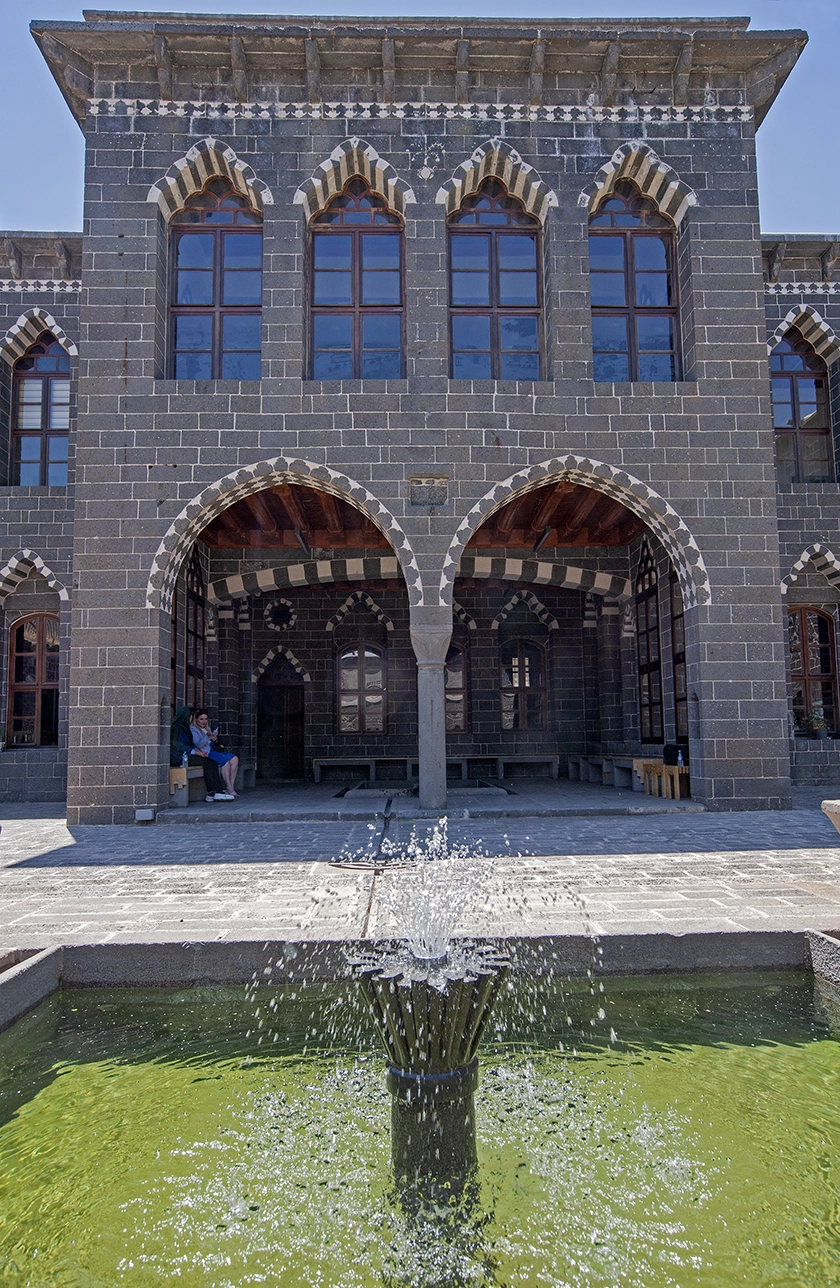
Leaving the Great Mosque behind, we enter the labyrinth of narrow streets of the old town, where traces of the more recent turbulent past can still be seen, until we reach the Cemil Pasha Mansion, the huge palace complex built at the end of the 19th century. In keeping with the tastes of the upper classes, the mansion is divided into large courtyards, harem rooms and rooms reserved for the men. In the near future it will become the city’s museum after completing the extensive restoration process it is currently undergoing.
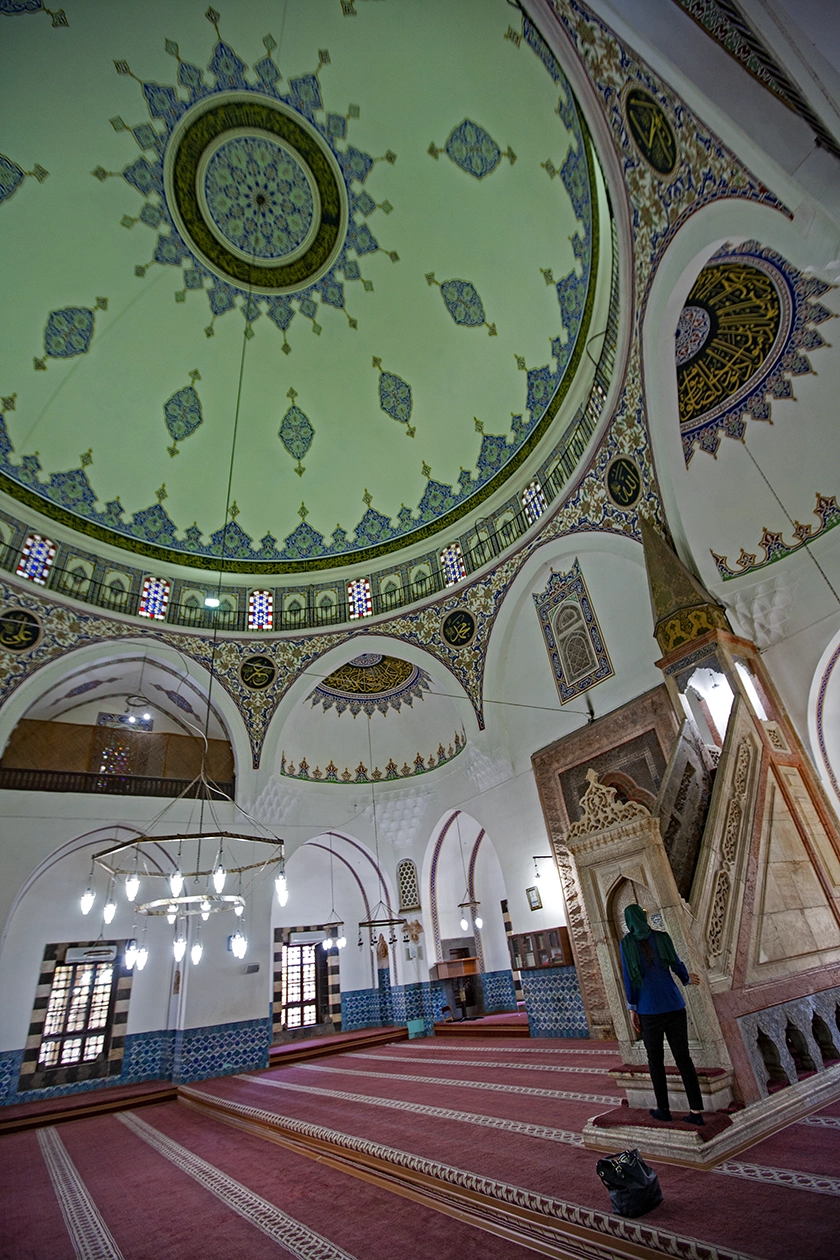
The Behram Pasha Mosque is a clear example of the Ottoman presence in the city. Commissioned in the 16th century by Governor General Behram Pasha. The exterior features an octagonal fountain that aligns with the central portal of the north façade, while the pyramidal roof of the fountain is supported by black and white composite columns with braided central sections. The mosque itself is in the form of a domed cube without layers, the dome sitting on a sixteen-sided drum with windows on each side. The interior is particularly interesting because of the 15.9-metre diameter dome that rises above eight pointed arches. Los dados de la sala de oración están decorados con grandes azulejos policromos bajo vidriado. The tiles are believed to have been produced locally in Diyarbakır.
The mosque’s design has been praised by architectural historians such as Godfrey Goodwin who wrote in 1971: “It is, in fact, the prince of provincial mosques, as splendid in its decoration as in its proportions within the limits of the severe local style”.
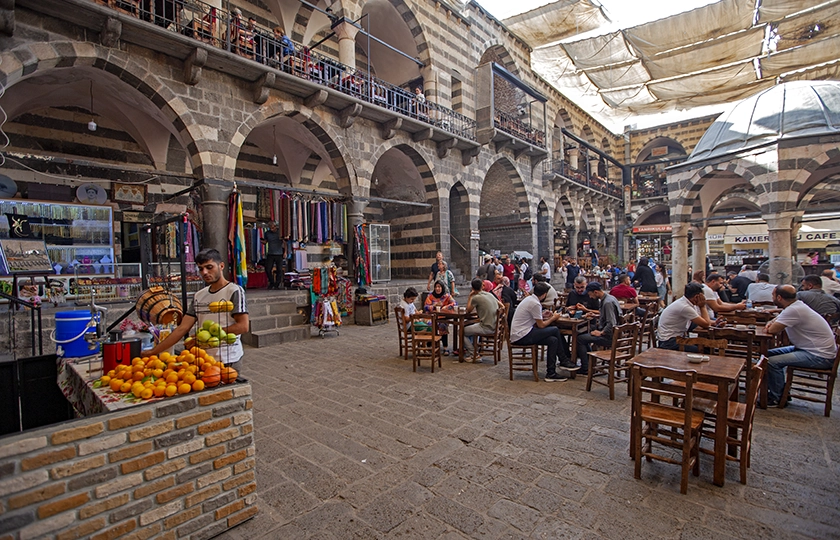
We wander through the commercial heart of the city, where life beats at a frenetic pace in colourful streets full of surprises and colourful shops, and where there is never a shortage of charming corners in which to enjoy a cup of tea in one of the lively cafés.
Nearby, the Minaret of the Four Feet is particularly striking for its slenderness and the deep black of the basalt from which it is built. Popular belief says that by passing seven times between the four columns you are guaranteed good luck.
Another very interesting heritage landmark in Diyarbakir is the Syriac Orthodox Church of St. Mary. Its origins date back to the 1st century BC when it was a pagan temple, although its present appearance dates back to the 3rd century AD. Under the imposing dome of its interior are kept, in addition to important manuscripts, the relics of the Apostle Thomas and St. Jacob of Sarug.
The walls of Diyarbakır, now a World Heritage Site, are the longest surviving defensive structure after the Great Wall of China. Five thousand eight hundred metres long, twelve metres high, and five metres wide, the walled space is accessed through four main gates located at the corners. It is possible to cross them on foot, and doing so at sunset gives it a magical light that enhances its imposing appearance, while allowing you to enjoy the infinite landscape surrounding the city.
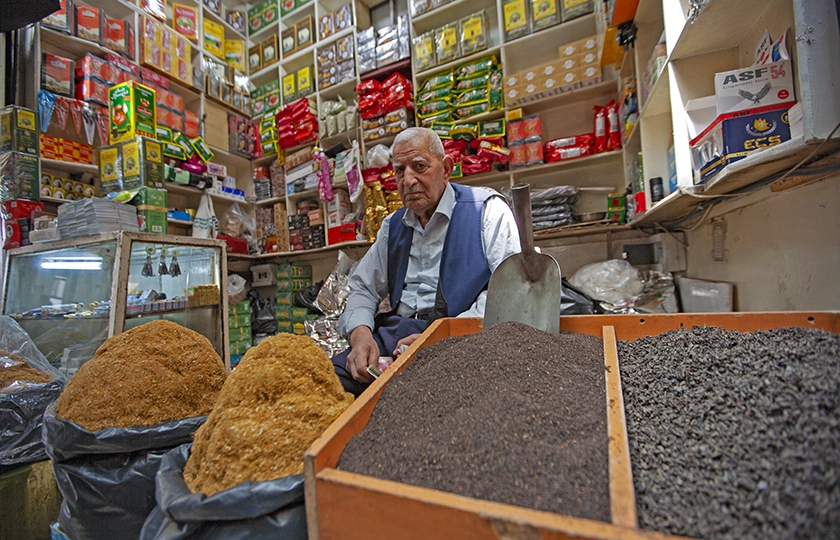
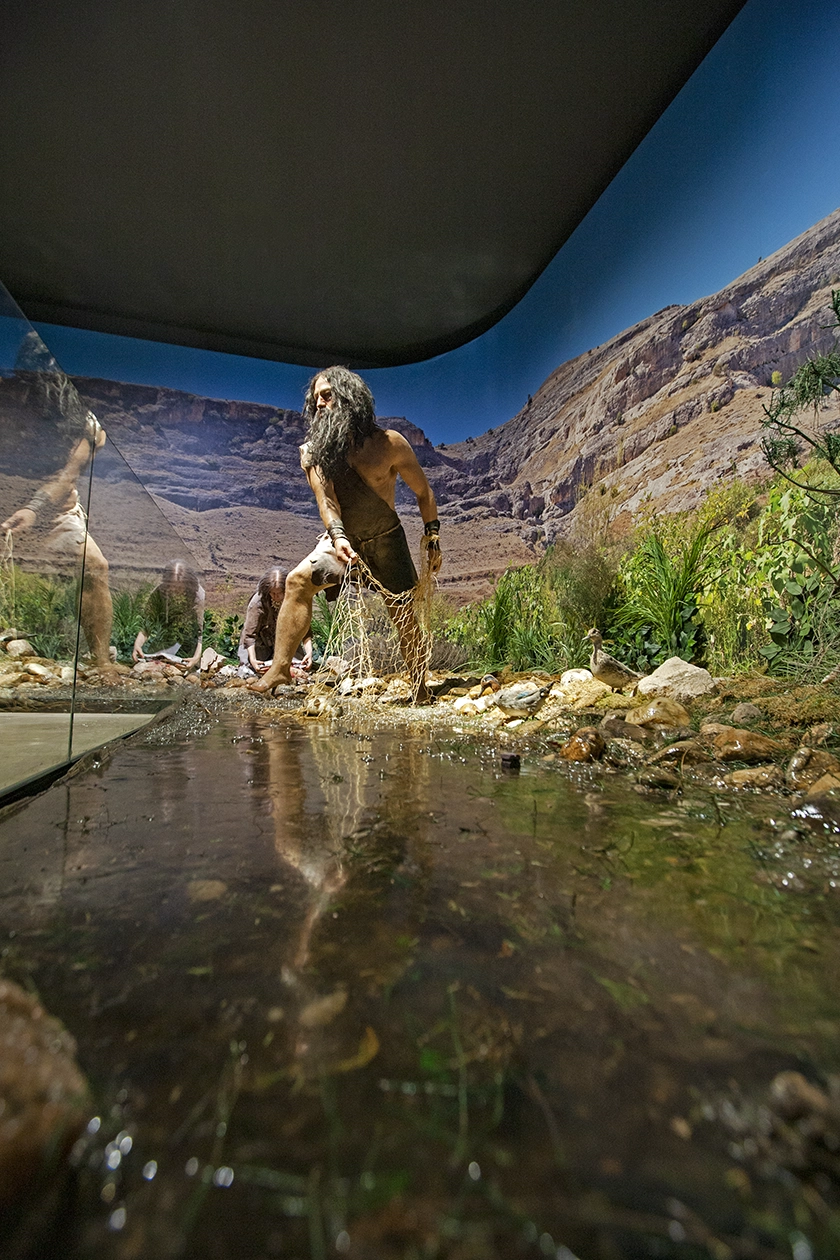
In this protected setting is the site of the former castle, which today is a pleasant garden area that many newly-wed couples use to immortalise their wedding day, but which is also shared by the Archaeological Museum, where the history of the last ten thousand years in these lands is recorded.
Nearby, the remains of the Armenian Apostolic Church of St. George take us back to splendid and turbulent times in history, but it is undoubtedly a cultural legacy of the city’s important past.
Built in 1518, its magnificent bell tower was destroyed in 1915, shortly before the fall of the Ottoman Empire. It was later used in World War I as a German army base. In 1960, it was finally handed over to the Armenian community and after a massive restoration project, St George’s Church has once again become the largest Armenian church in the Middle East.
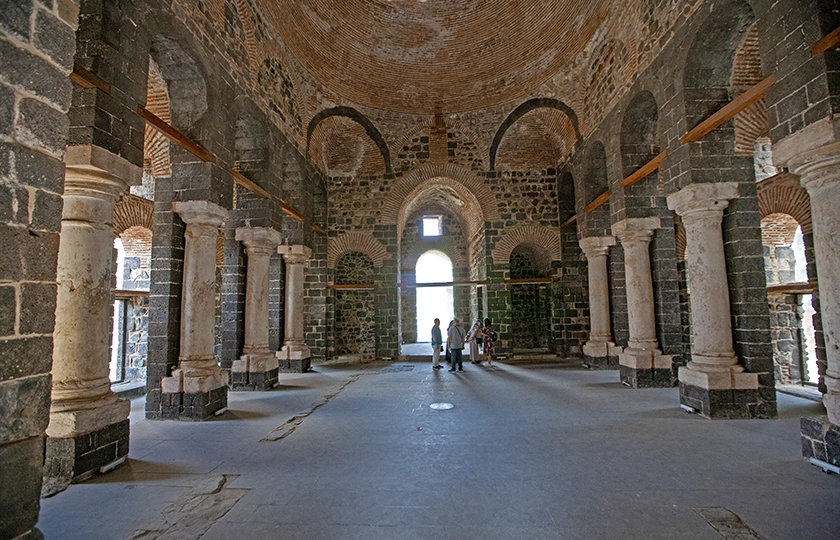
We headed towards the outskirts of the city, specifically to the banks of the legendary Tigris River, whose banks are connected by the Ten Eyes Bridge. It is understood by the flowery two-line kufic inscription on the south façade, between the arches and the balustrade, that it was built by an architect named Ubeyd in 1064 during the reign of Nizâmüddevle Nasr of Mervânoğulları. Researchers agree, however, that this is a repair inscription, so the theory that construction took place at a much earlier date is gaining momentum.
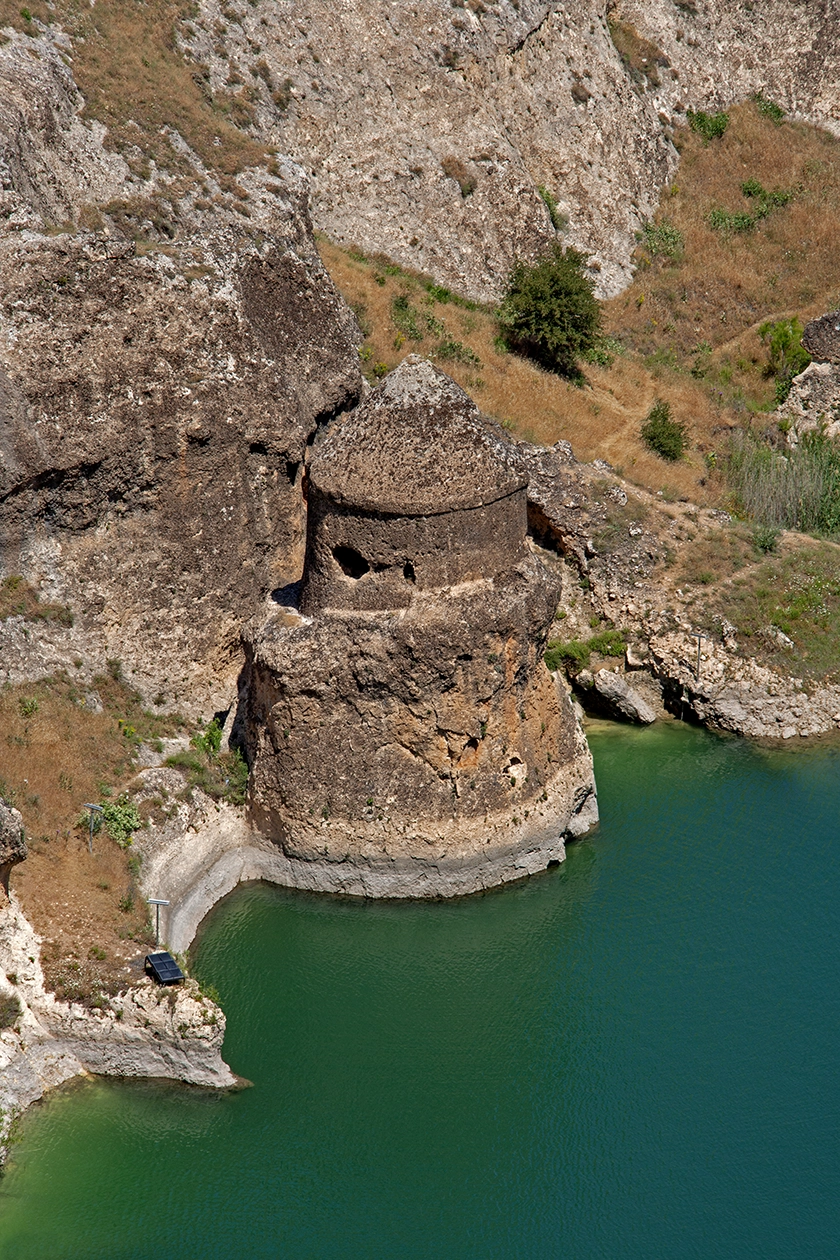
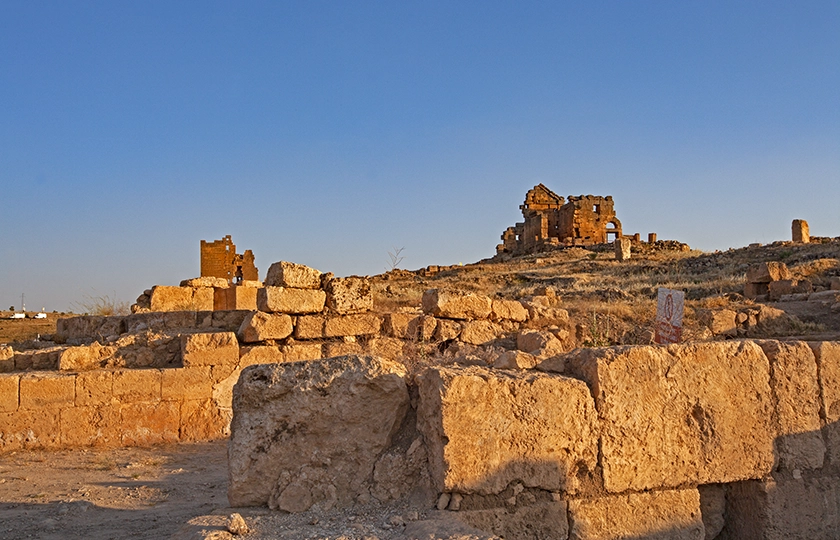
Not far from the city the remains of Zerzevan Castle, the Roman fortress that defended the eastern frontier of the Empire, stands imposingly on the mountain, harmonising pages of history and the advanced technology of the many telescopes gazing at the sky amidst archaeological remains. In addition to the historical importance of the site, its magnificent geographical location and pollution-free skies have placed the enclave on the map of the best places in the world for stargazing and studying the firmament.
We continue our journey through Turkey’s interesting Mesopotamia following the meandering Tigris River until we reach the Assyrian castle of Egil built in the 5th century BC. Defiant on the cliffs overlooking the river made it almost impregnable and the complex network of tunnels dug into the rock allowed it to maintain its water supply and food storage to withstand any siege. It is said that one of Jesus’ followers came to this church in the 1st century, making Egil a centre for bishops and building one of the largest monasteries in the Middle East.
Infinite horizons
Our journey continues south into Anatolia to the Syrian border. Dara, an important fortress city of the Eastern Roman Empire in northern Mesopotamia built by Emperor Anastasius I, on the border with the Sassanid Empire, awaits us there. Because of its great strategic importance, it figured prominently in the Roman-Persian conflicts of the 6th century, with the famous Battle of Dara taking place outside its walls in AD 530. The Byzantine Emperor Justinian I undertook important defensive and infrastructural improvements, even diverting the course of the River Cordes to run through the centre of the city, thus guaranteeing the water supply.
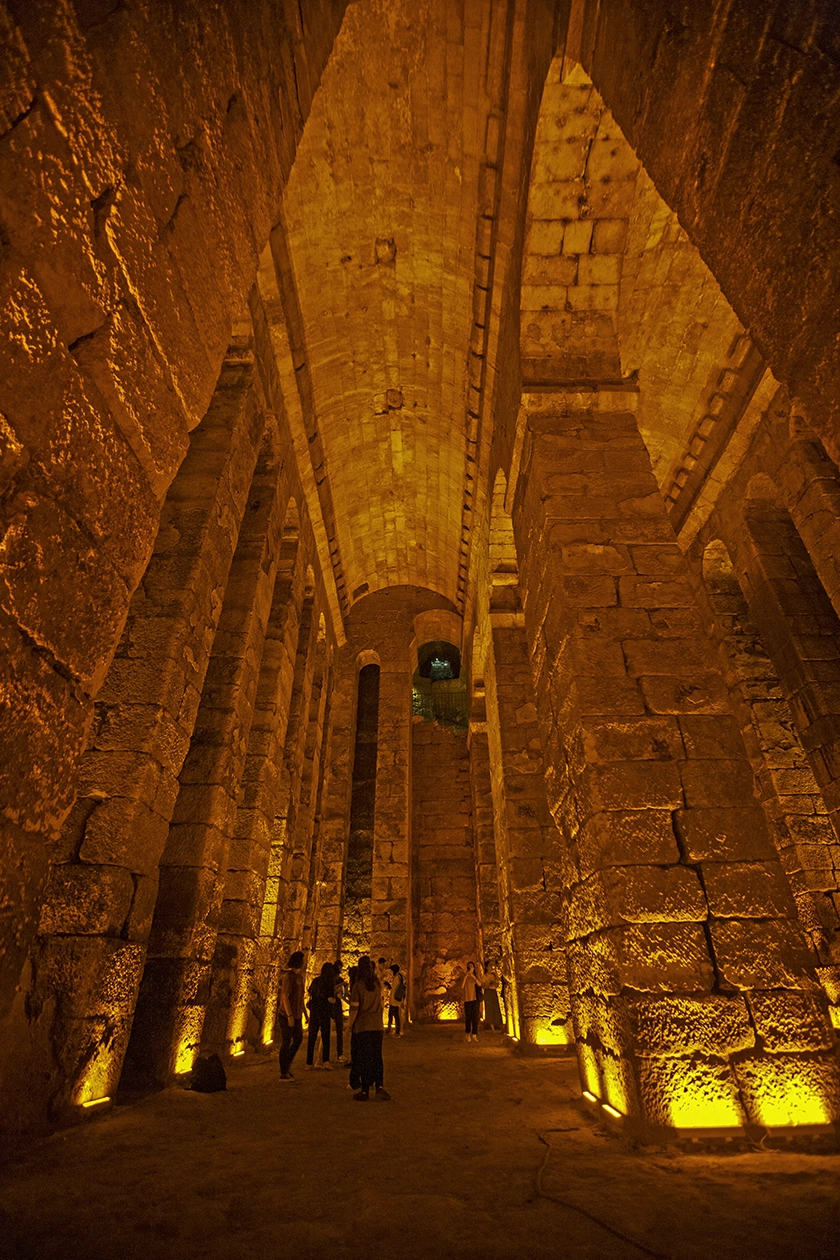
Dara, always on the frontier, always unstable, always dependent on water that they knew how to store in gigantic vaulted cisterns or, even more spectacularly, in cathedral-like underground cisterns, comparable only to those of Constantinople. Today it looks like a beautiful archaeological enclave of whimsical shapes and dwellings carved into the rock. It is a magnificent example of a troglodyte habitat that writes its history in stone.
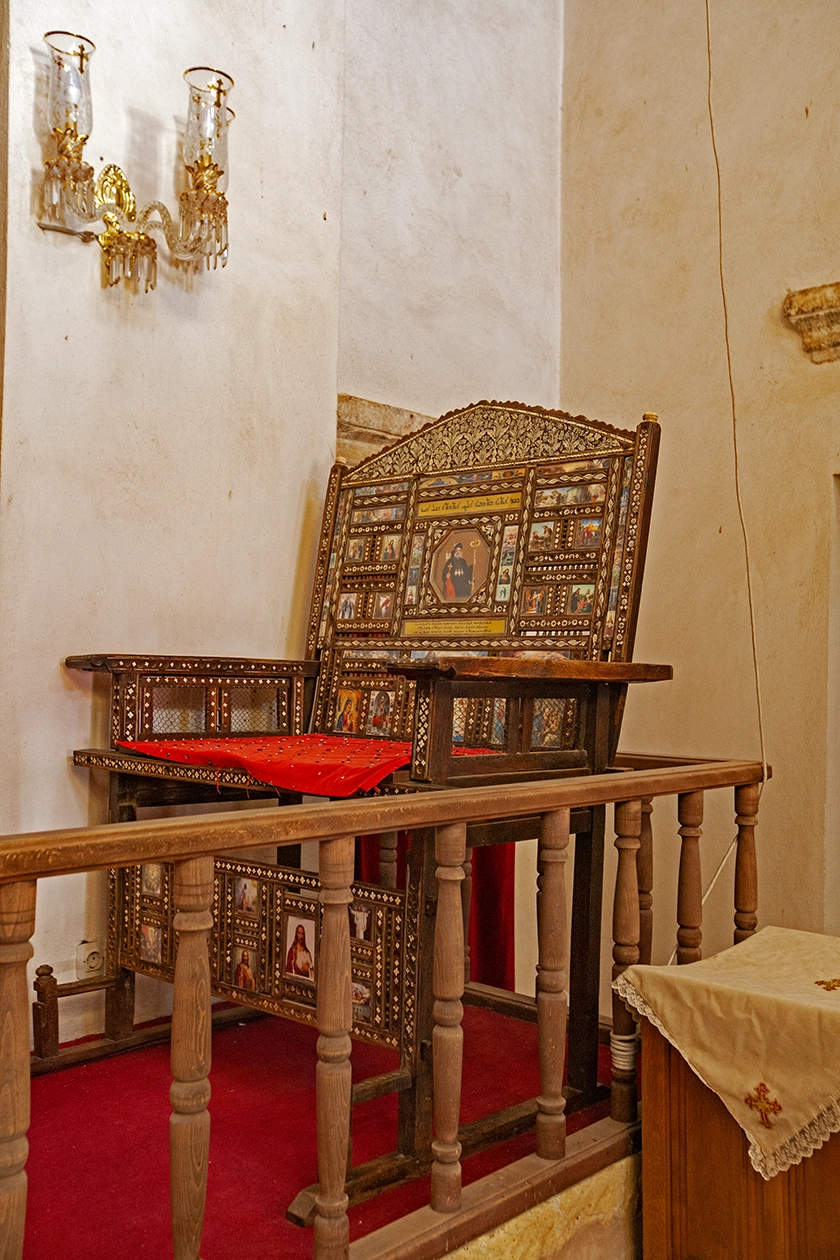
Not far from here, in the midst of a landscape that invites us to dream of all the events that have taken place in these lands, the Syrian Orthodox monastery of Deyrulzafaran surprises us with its symbolism and monumentality. It was originally a temple dedicated to the worship of the sun, but was later used as a citadel by the Romans. Founded in the 5th or 6th century, it was re-founded in 793 as the seat of the bishopric of Mardin. It was later the seat of the Patriarchate of the Syriac Orthodox Church from 1293 to 1924, housing the tombs of fifty-two patriarchs of the Eastern Syriac Autocephalous Orthodox Church. Its two churches, the Chapel of St. Mary and the Church of St. Ananias, built by the Syrian architects Theodosius and Theodore between 491 and 518, are particularly noteworthy, not to mention the exquisite friendliness of the monks who live there.
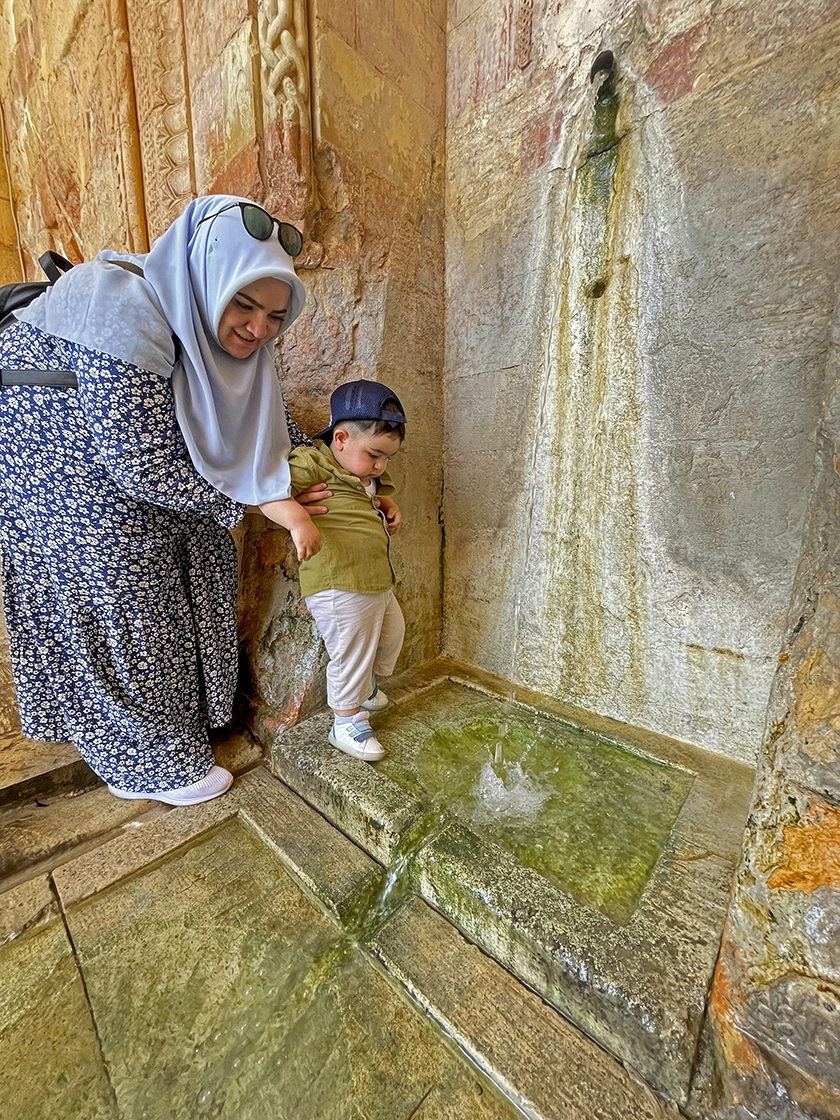
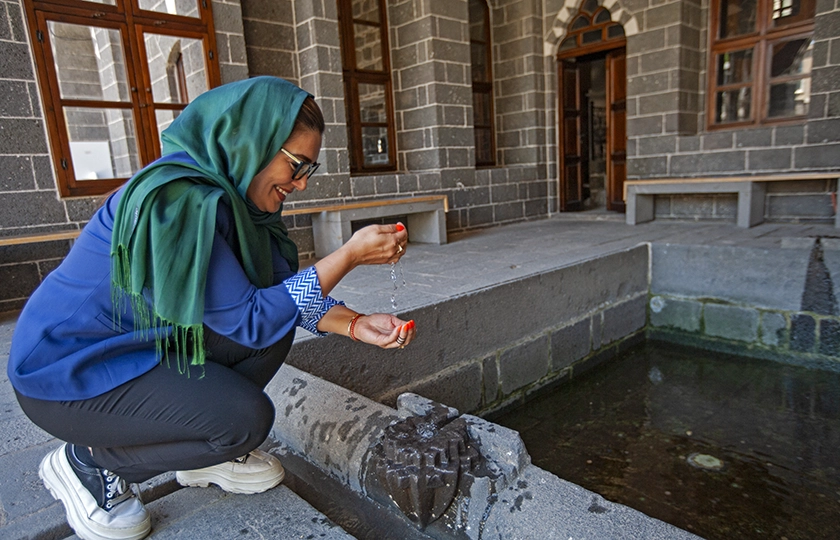
On the way to Mardin, we could not resist the curiosity of visiting the Kasimiye Madrasa. It was commissioned in the 14th century by Sultan Al-Zahir Majd al-Din of the Artuqid dynasty, rulers of an Anatolian beylik. However, he was killed in a battle against Karakoyunlu in 1407, before the building was fully constructed. Construction resumed after the city fell to the Turkmen of Akkoyunlu and was completed in 1445. The entrance through a beautifully ornamented gateway is from the south, leading to a courtyard with a swimming pool. The water fountain is a funnel in the wall representing the birth. The water in the pool drains through a narrow slit representing death and the “sirat” which, in Islamic belief, is a narrow bridge over hell leading to paradise. Classrooms surround the pool and their doors are deliberately kept low to ensure that students bow reverently to their teachers as they enter.
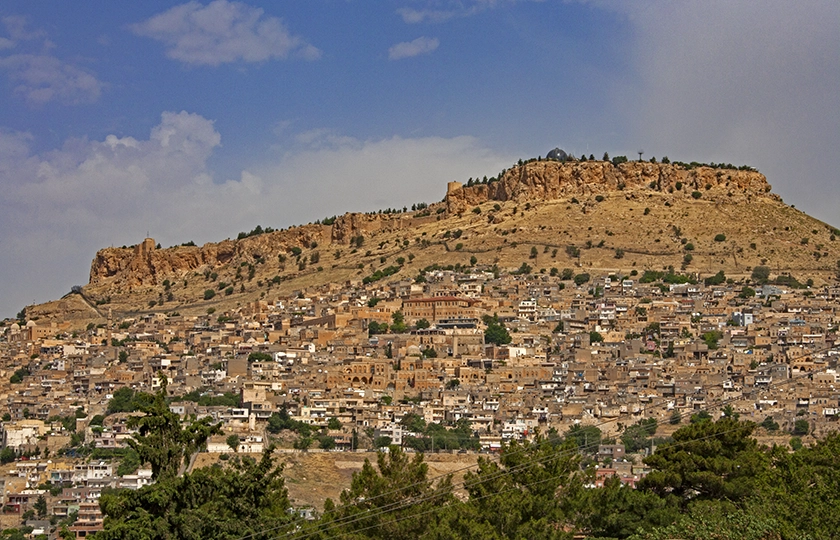
Mardin is undoubtedly one of the most beautiful and evocative stops in southeastern Turkey, just a few kilometres from the Syrian border. Earth-coloured houses, a labyrinthine layout, a very traditional, cosy and lively atmosphere, as well as some of the most epic corners of Turkish Mesopotamia. A walk through its ancient bazaars, a visit to the Great Mosque, the old post office or enjoying the panoramic views of the incredible plains that are lost in Syrian territory makes the experience unforgettable, reaching the romanticism of the great travellers of history, especially in the magical light of the sunset.
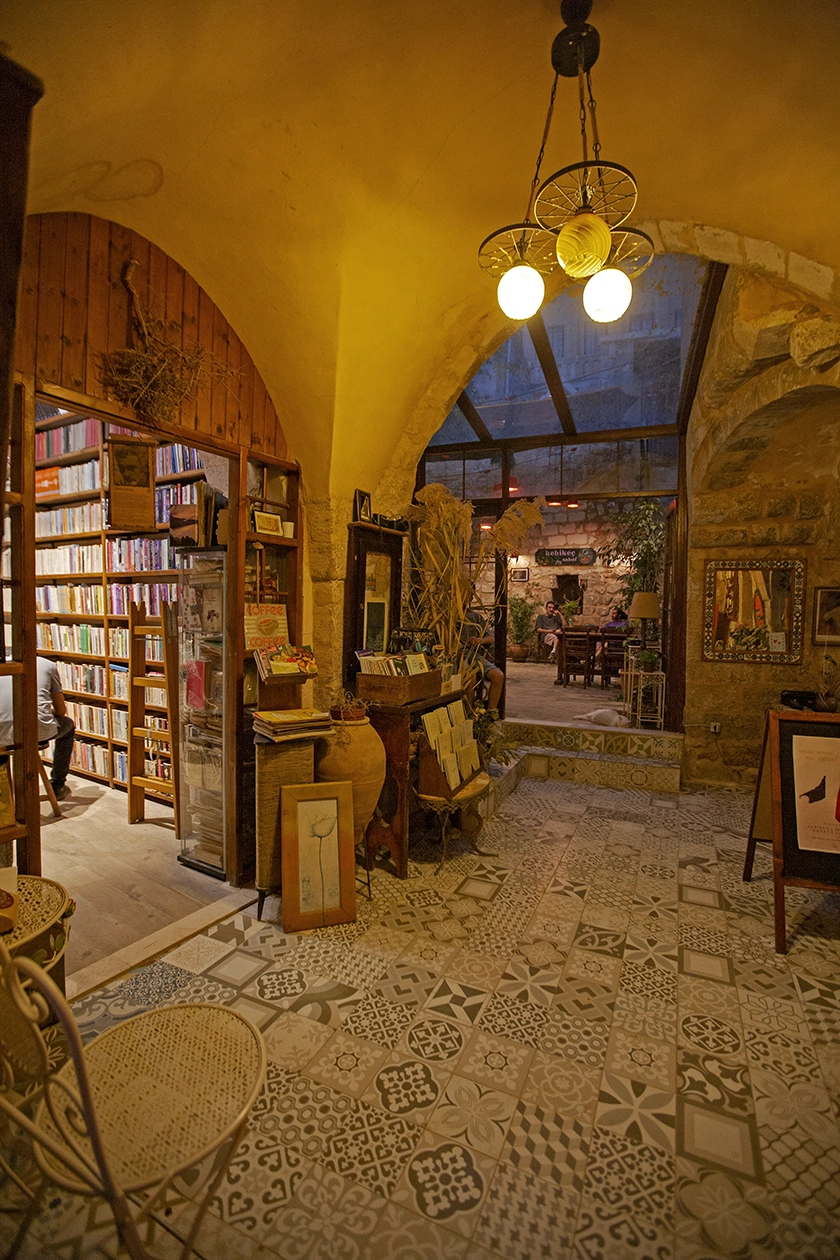
We complete this interesting and educational journey through Turkish Mesopotamia in Hasankeyf on the banks of the symbolic Tigris River. This important archaeological site stands as living evidence of the many cultural facets of the Arabs, Seljuks, Mongols and Ottomans who settled here, housing a wealth of magnificent testimonies of the past, many of which are housed in the modern archaeological museum. During its golden age, Hasankeyf was the capital of the Seljucks Artuklu. A large fortress with limestone structures was built during that time and its remains are a sight to behold. Other points of importance in Hasankeyf include the Broad Bridge over the Tigris River, the Ulu Mosque, the Cizre Bridge, the Carsi Mosque, the Tombs of Veysel Karani, Zeynel Bey and Koc Eyyubi, the Rizk Mosque and the Koc Mosque. Most of these historical representations are symbols of the architectural and aesthetic tastes of flourishing civilizations.
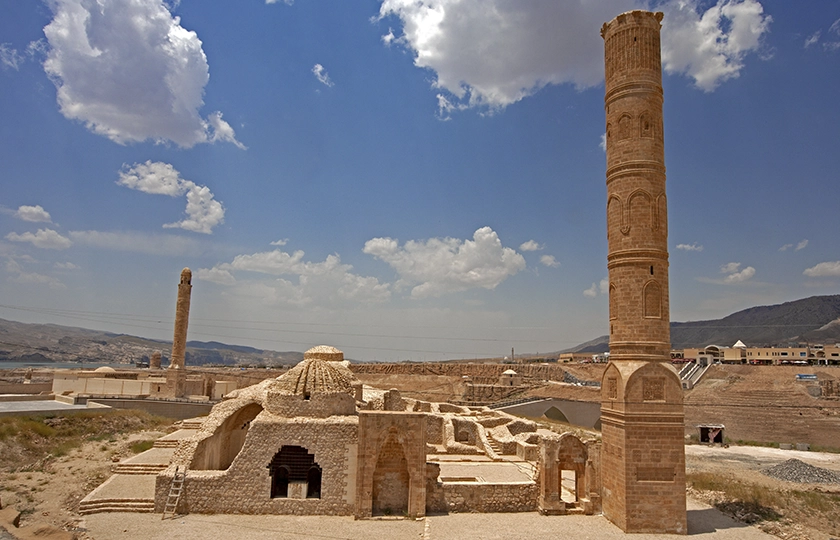
The Romans built the Cephe Fortress here, which became the fortress of Kiphas during the Byzantine Empire, and was conquered by the Arabs in 640 BC and renamed Hisn Kay. Subsequently, in the 12th century, the city was captured by the Arthurians, reviving its golden age. The Arthuquids built the old Tigris Bridge, the Small Palace and the Great Palace. The city’s powerful infrastructure, location and importance helped to increase trade, which is why Hasankeyf became a stopping point on the Silk Road. In 1232, the Ayyubids, descendants of Saladin, captured the city and built a large number of mosques, making Hasankeyf an important Islamic centre. Following the Ottoman ascendancy established by Suleiman I the Magnificent in the 16th century, the city became part of the Ottoman Empire in 1515.
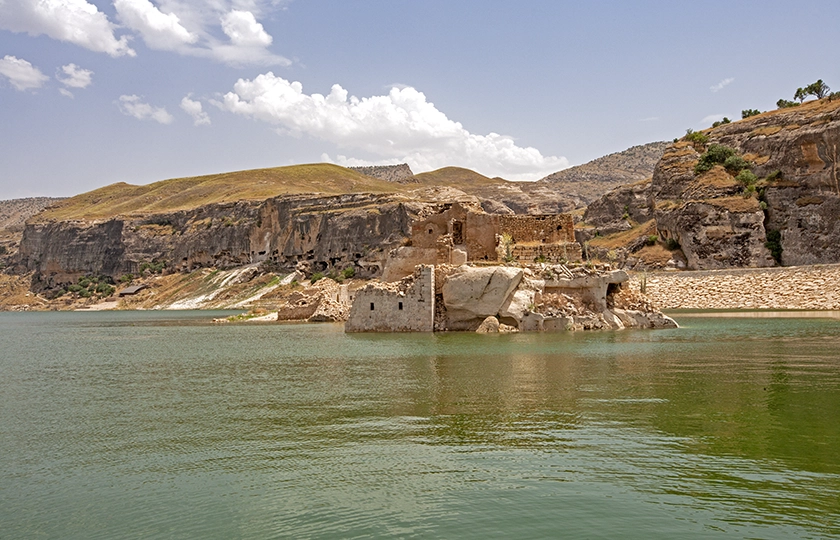
Here ends a journey that has changed the historical concept we had of Mesopotamia, as we have given it faces, names, shapes, smells and tastes. All these sensations exponentially magnify the importance that we already had culturally, understanding much better the role that this land played in world history.