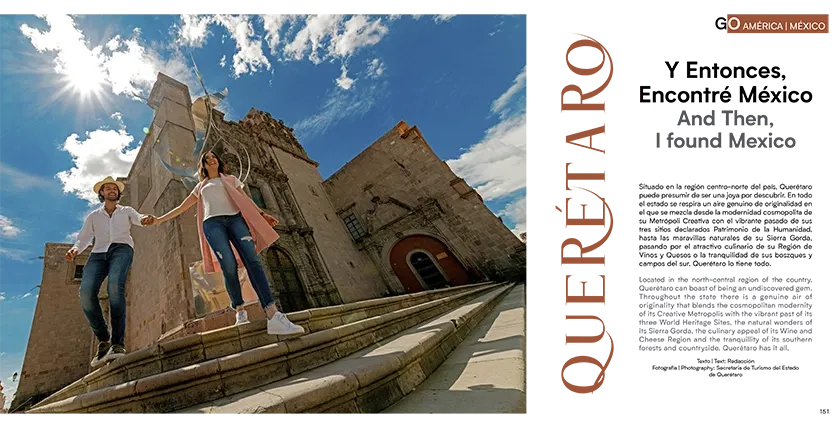
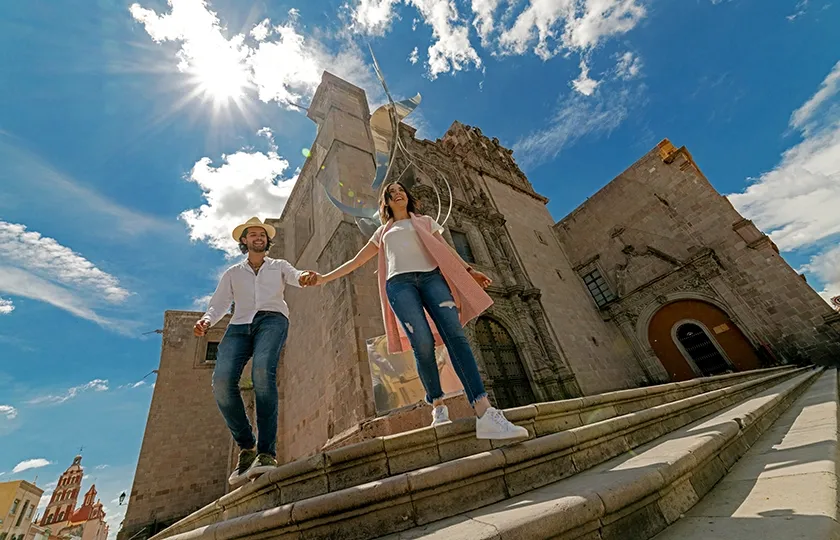
Located in the north-central region of the country, Querétaro can boast of being an undiscovered gem. Throughout the state there is a genuine air of originality that blends the cosmopolitan modernity of its Creative Metropolis with the vibrant past of its three World Heritage Sites, the natural wonders of its Sierra Gorda, the culinary appeal of its Wine and Cheese Region and the tranquillity of its southern forests and countryside. Querétaro has it all.
Even when you have travelled and visited different places, both in the south and in the north of the country, you suddenly realise that you have never asked yourself this question before. Sometimes the social networks come up with the answer without you saying, Why Querétaro?
The answer is not so easy, but not because you have to choose something good, but because there are so many things that it is difficult to sort out the ideas you would have to tell. The phrase “in Querétaro I found Mexico”, the tourist slogan of the state of Querétaro, sums it up.
Its location and connectivity are basic. You can fly into a first class airport or travel overland to one of the country’s best bus terminals. Roads criss-crossing the state criss-cross extraordinary landscapes throughout the state.
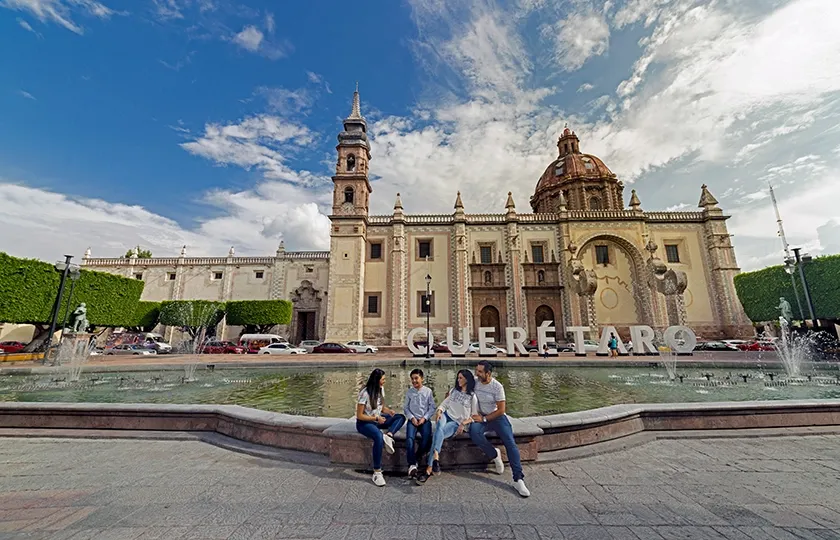
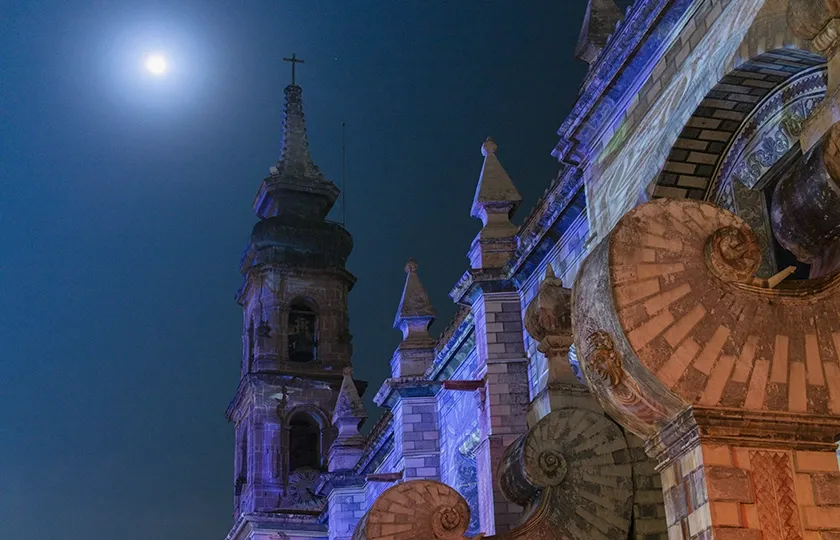
And do you really find Mexico? Past and present. Here we have one of the most important cities in the country, a creative metropolis that has brought its vice-royal essence to the demands of any cosmopolitan city that boasts modernity. Its beauty is part of the secular centre that can still be seen in the architecture, where the pink quarry stone paving of the streets is also striking. Its historic centre has been a World Heritage Site for more than 25 years, both for its sites and monuments of great value for local and national history. This is where the spark that ignited the struggle for Mexico’s Independence was born, where the last attempt to establish a foreign empire in the country ended, and where the Political Constitution of Mexico was promulgated, one of the most modern of its time and whose legal framework is still in force after more than 100 years; a centre full of promenades, gardens and squares to enjoy especially the changing light on the colonial façades at sunset.
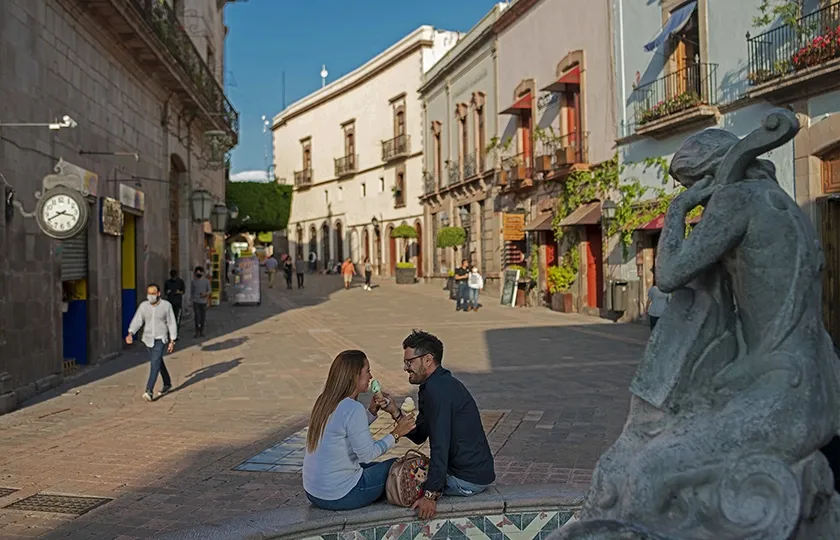
Whether you eat an “antojito” in the markets, or taste a signature dish that fuses Mexican and international cuisine, your palate will always be satisfied; your good rest is always guaranteed whether you stay in a comfortable hotel chain, or enjoy the design of a boutique hotel with its own style; such is the diversity that you can walk through a modern shopping plaza with exclusive brands, or visit an ancient pre-Hispanic pyramid. And it’s hardly the most developed area in the state.
Wine Region
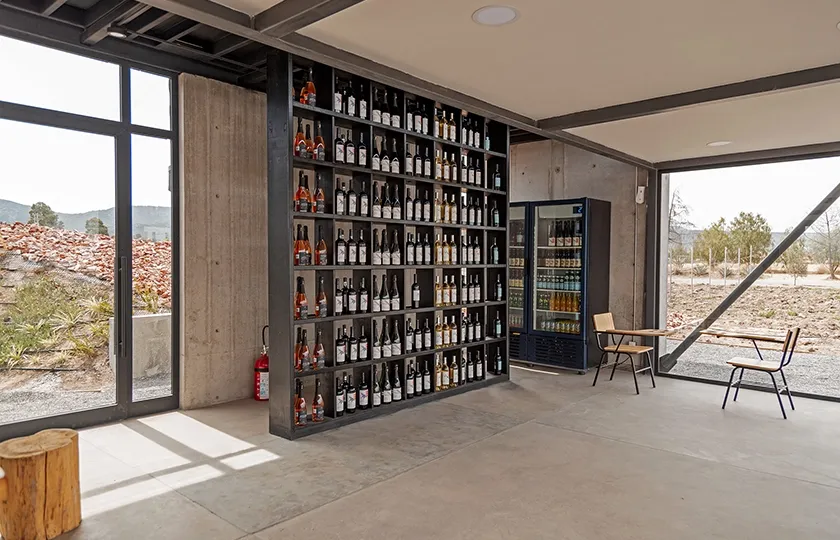
Querétaro is the second most important wine tourism region in the country, where Mexico’s famous sparkling wines are produced and exported under the concept of extreme viticulture due to the unusual characteristics of the land for planting vines. Most of the more than 30 wineries that exist in the state are now luxurious establishments that offer tours of their vineyards and winemaking plants, but also tastings and pairings with gourmet cheeses from the region and dishes of Mexican and international haute cuisine.
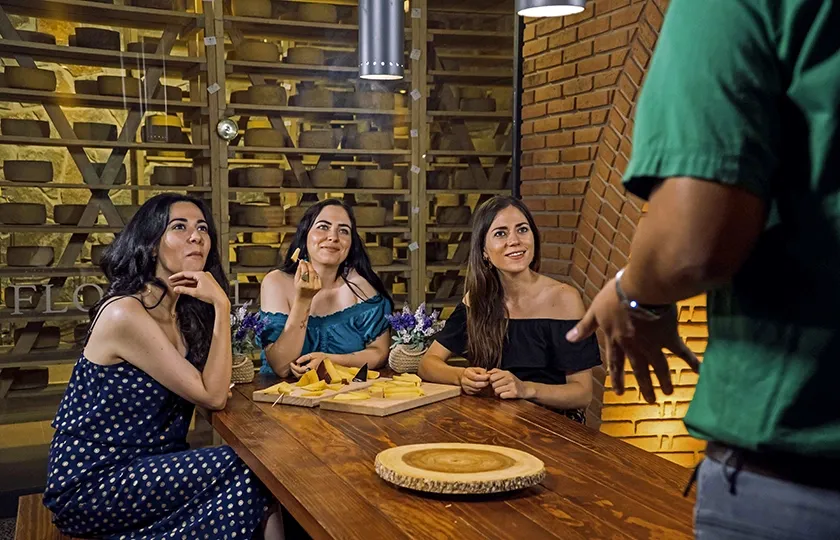
And not just wine. The same region has also seen the emergence of excellent projects that produce artisanal and gourmet cheeses, or even artisanal beers to refresh the afternoon. Rancho Santa Marina, Finca VAI, Cava Bocanegra and Flor de Alfalfa are the most important cheese dairies in the area, but you cannot miss the opportunity to try the craft beers of Norte B or La Cirquera, in the Piedras de Sol tourist complex, located in Tequisquiapan.
Creative Metropolis
The capital of Querétaro is undoubtedly one of the most beautiful in the country and one of the most economically developed at present. Its Historic Centre was named World Heritage in 1996 for its monuments and sites of great relevance in both local and national history.
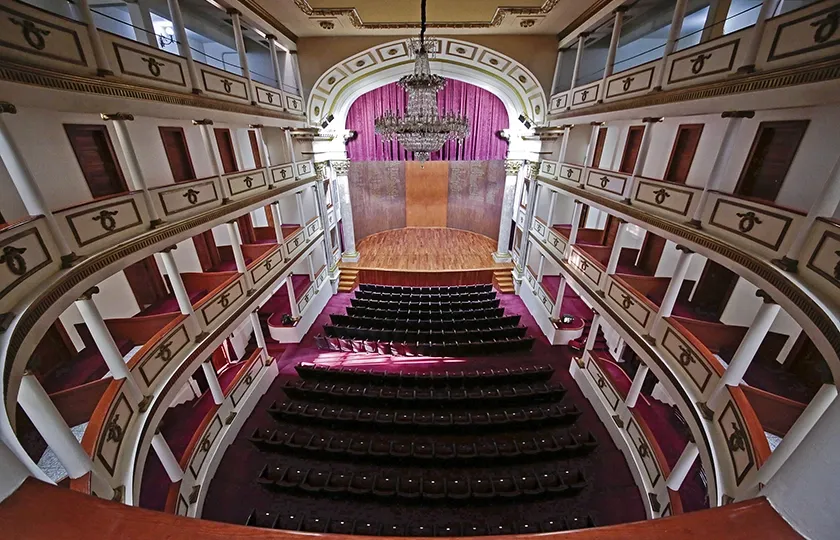
Important scenes of the country’s history took place in this city, such as the last Conspiracies that led to the Independence of Mexico, the fall of the Second Empire and the Promulgation of the Mexican Constitution, passages that remain in the memory in places like the Casa de La Corregidora, the Cerro de las Campanas and the Teatro de la Republica; However, the importance of this viceregal city for more than three centuries is also tangible in the architecture of numerous colonial mansions and religious temples that are magnificent architectural examples, such as the Temple of Santa Rosa de Viterbo or the old convent of San Agustin, for some the most beautiful in Latin America.
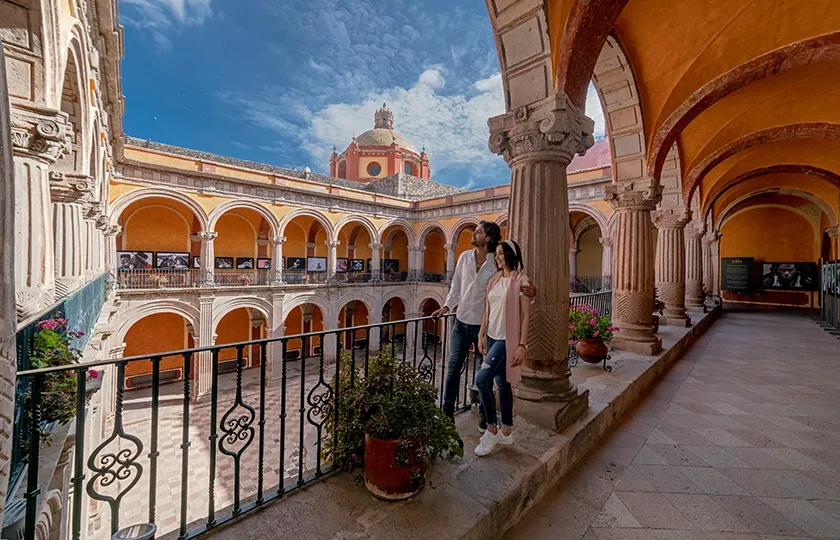
Visit the more than 15 museums in the capital and the “conurbation” municipalities with which it shares growth. In Corregidora, you will also find important religious temples from the 18th century, but, above all, an important area of archaeological monuments in which an impressive pre-Hispanic pyramid, the largest in the region, stands out in the middle of the urban stain of the metropolis; while in El Marqués you will find some of the most beautiful colonial haciendas in the state.
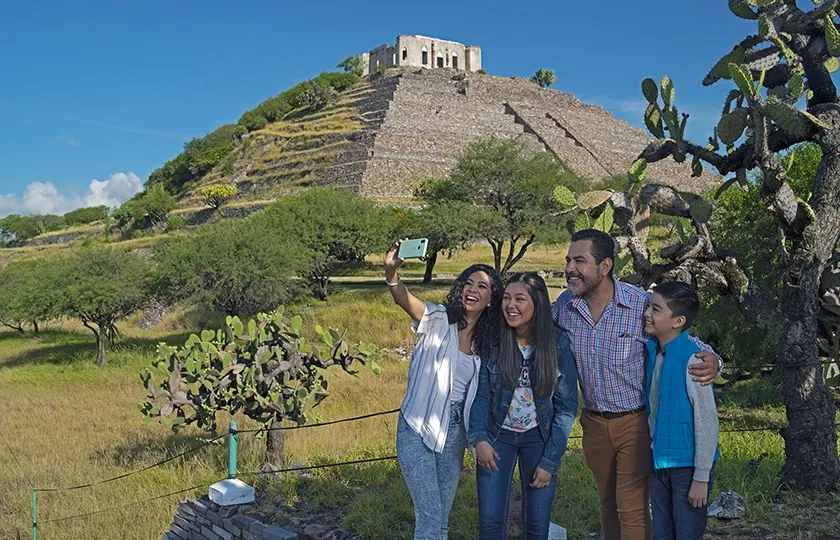
The Creative Metropolis is the cradle of the most outstanding art, culture and history of Querétaro. Imposing viceregal temples plagued with details in pure baroque style; more than 10 museums in the heart of the Queretaro capital, which house works of art from the XVII century as well as from artists of the XXI century. A great metropolis from which emerge a colossal pre-Hispanic pyramid, innovative culinary proposals, public cultural festivals, small stages for theatre, boutique hotels with authentic designs and styles, as well as diverse commercial plazas as a modern public space of conviviality. Creativity breathes and excites you in a space where you can knock on the door of some of the heroes of the Independence and a few steps away enjoy a coffee or drink a beer in one of the many terraces, as well as take photos of yourself on a suggestive walk to share them on your Instagram.
This is the Metrópoli Creativa, which includes the capital city and the suburban areas of the municipalities of Corregidora and El Marqués.