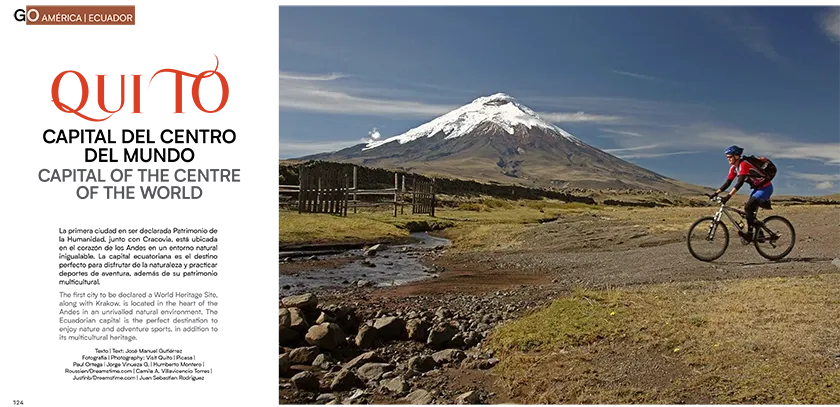
The first city to be declared a World Heritage Site, along with Krakow, is located in the heart of the Andes in an unrivalled natural environment. The Ecuadorian capital is the perfect destination to enjoy nature and adventure sports, in addition to its multicultural heritage.
Quito is a pioneering city in the development and promotion of the quality of its tourist services, a destination that opens up its quintessence with a host of alternative plans. The climatic variety, as well as its natural areas make the capital of Ecuador one of the key points to enjoy the richness and biodiversity of its ecosystems such as dry forests, cloud forests, volcanoes and moorlands. The latter are home to the wetlands, a resource that offers one of the most unforgettable experiences as it means close contact with its flora and fauna. Wetlands, as well as being a natural wonder, are key to the provision of freshwater, food, raw materials, biodiversity and climate change mitigation.
Culturally, Quito is a fascinating mix of tangible and intangible heritage. Its colonial centre, where you will find religious temples from the 16th and 17th centuries and other buildings with European, Moorish and indigenous influences, has made it one of the most attractive tourist destinations in Latin America. This extensive and rich artistic and monumental catalogue is largely due to the Quito School, which experienced its greatest splendour in the 16th, 17th and 18th centuries. Its prestige made the leap to the European continent, turning Quito into one of the world’s most important cultural centres.
This recognition is clear in this statement by King Charles III: “I don’t care that Italy has Michelangelo, in my provinces of America I have the master Caspicara“, one of the most important of this artistic movement.
The roadmap that determines the guidelines to stay at the top of the world’s best rated destinations, the “Distintivo Q” tourism quality programme was implemented more than a decade ago, thanks to which today the offer and infrastructures are of quality, varied, safe and sustainable.
Biodiversity for all tastes
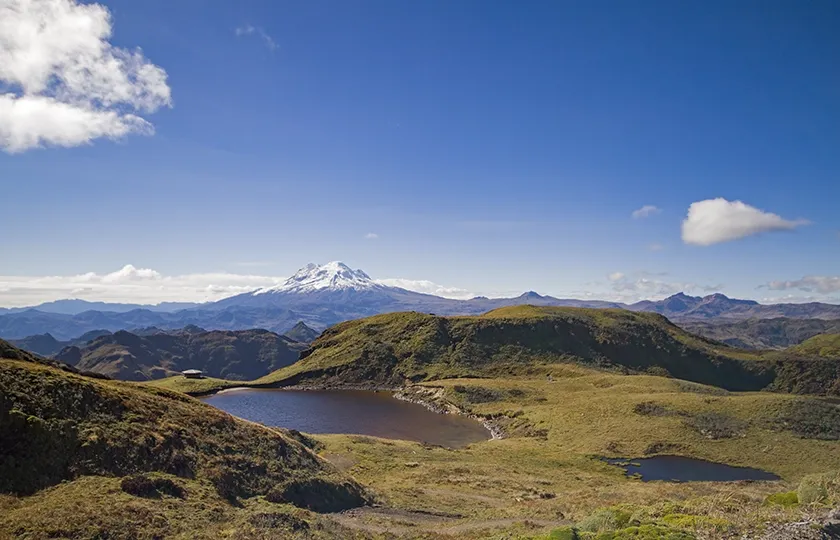
There are several wetlands in Quito that invite you to discover other biodiversity landmarks of high ecological value. The Chakana-Hacienda Antisanilla Reserve, located in the buffer zone of the Antisana National Park, is a complex of wetlands ideal for hiking, camping and watching wildlife such as the Andean condor, the spectacled bear, the mountain tapir, the peregrine falcon, among others. Here you will find the Isco viewpoint, an obligatory visit to see the nest of the most prolific pair of condors in the country. The Chakana reserve, declared a “Condor Sanctuary” in 2012, is home to more than 40% of the country’s wild condor population.
The Ñucanchi Turupamba wetland complex is located in the Quijos and El Chaco cantons of Quito. The area is home to three hundred and sixty-four species of fauna, including the spectacled bear, the páramo wolf, pumas, the Andean monkey, tapirs and the silvery grebe, among others. This wetland supplies 75% of the water for the city of Quito and is located within the Cayambe-Coca National Park. Within this protected area, the Water and Life Route is very interesting, a route of just over seven kilometres, ideal for understanding the wetland and the lagoon complex. It starts at the Antenas de Papallacta and ends at the Termas de Papallacta, offering panoramic views with Andean lagoons in the background, including Parcacocha, Anteojos and Baños, in some of which you can go sport fishing. Along the route it is very likely to see the spectacled bear, as well as other animals of the area such as moor foxes, wild rabbits, deer and a great variety of birds.
Forty-five minutes separate the capital of Chocó Andino from Pichincha, one of the natural paradises on earth. Declared a Biosphere Reserve, this protected area is located in a magical setting of exuberant nature, descending the western slope of the Pichincha. It is Ecuador’s main ecotourism destination due to its proximity to the capital and its rich fauna, as well as the presence of communities such as Nono and the pre-Columbian ruins of Tulipe.
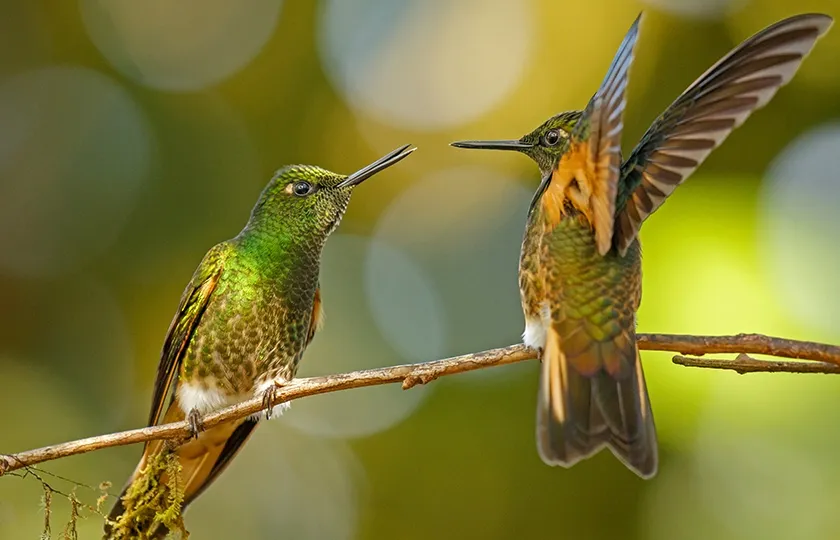
Quito’s natural heritage offers many more things to enjoy. A very interesting one to visit is Santa Lucia, the cooperative run by local people who aim to protect the reserve and provide a sustainable income for its members. Maquipucuma, one of the densest and best preserved primary forests in this corner of Ecuador. Angel Perez Bird Refuge, known as the “tororois charmer”, is a celebrity in the birding world for developing a way to lure these elusive birds to his hand. Yancocha, a unique forest that stretches over what was once an ancient pre-Inca irrigation system, is also an easy mountain walk and a good opportunity to see the beautiful Hummingbird and with a bit of luck, an Andean Condor or a Caracara. The Mashpi Reserve is one of the most biodiverse places in the world, where the crystalline waters of the rivers Mashpi, Guaycuyacu, Chalpi and Sahuangal, the red, white and yellow orchids that bloom among the trees, the butterflies that flutter and where restless hummingbirds fly, as well as the archaeological remains of the Yumbos people, are the real protagonists.
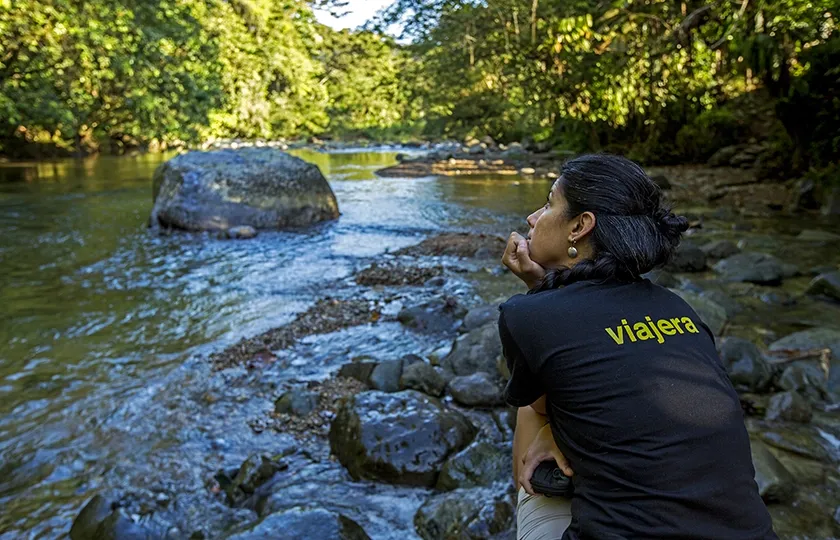
The Pahuma Orchid Reserve is a cloud forest with more than three hundred species of orchids and is home to spectacled bears and Andean toucans. A network of enveloping trails winds through the forest leading to dazzling waterfalls and a breathtaking view of the Andes.
Another suggestive proposal comes from the Rucu and Guagua Pichincha volcanoes and other peaks such as Cruz Loma, Cerro Unguí, Padre Encantado and Cóndor Huachana, which can be enjoyed on any of the established hiking routes.
Quito’s natural environment is an endless source of inspiration for outdoor activities. From trekking through extensive forests and imposing mountains with short or multi-day routes, to mountain biking with routes such as El Chaquiñán or great challenges such as the Santa Rosa Pact, to sport fishing, bird watching or camping in truly magical places such as the geo-botanical reserve El Palulahua are a sample of the vast array of ways in which you can have that contact with nature that is only possible in the most special places on the planet.
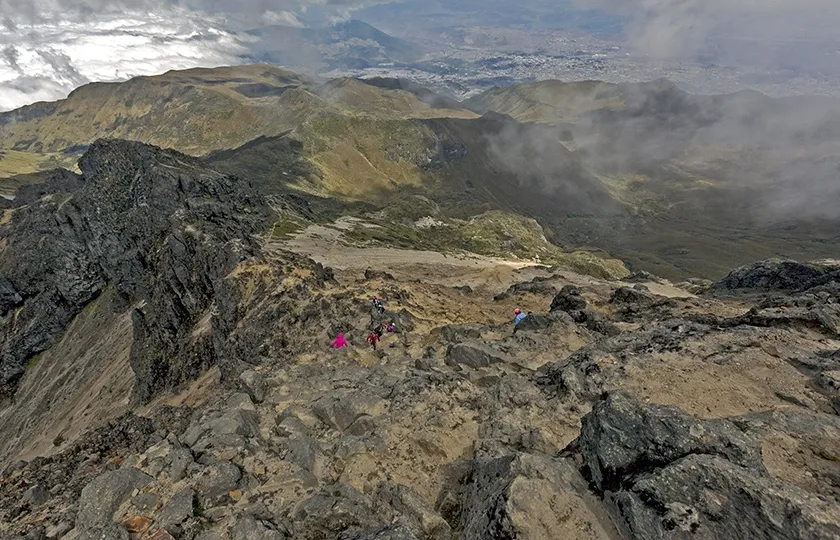
At the centre of the world
Ecuador’s capital is the closest to the sun and the only place where it is possible to put one foot in the northern hemisphere and the other in the southern hemisphere. In Quito, the pre-Hispanic, the colonial, the traditional and the modern converge. As well as being the cultural and artistic centre of the country, it offers exceptional gastronomy and is the gateway to Ecuador’s four worlds: Galapagos, Pacific coast, Andes and the Amazon.
Quito’s historic centre includes the Plaza Grande and the area around the churches of Santo Domingo, La Merced, La Compañía, the Cathedral, San Francisco and the Basilica, as well as the Bolívar and Sucre theatres. This important shopping and tourist area is also home to numerous museums, restaurants and hotels.
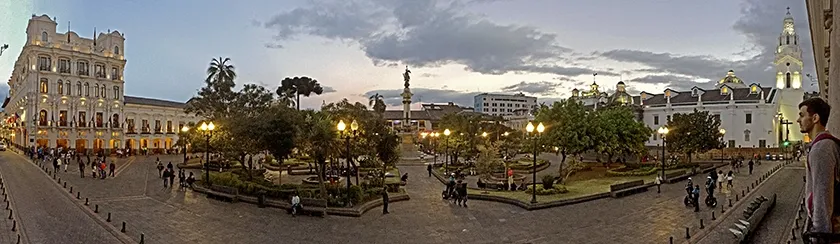
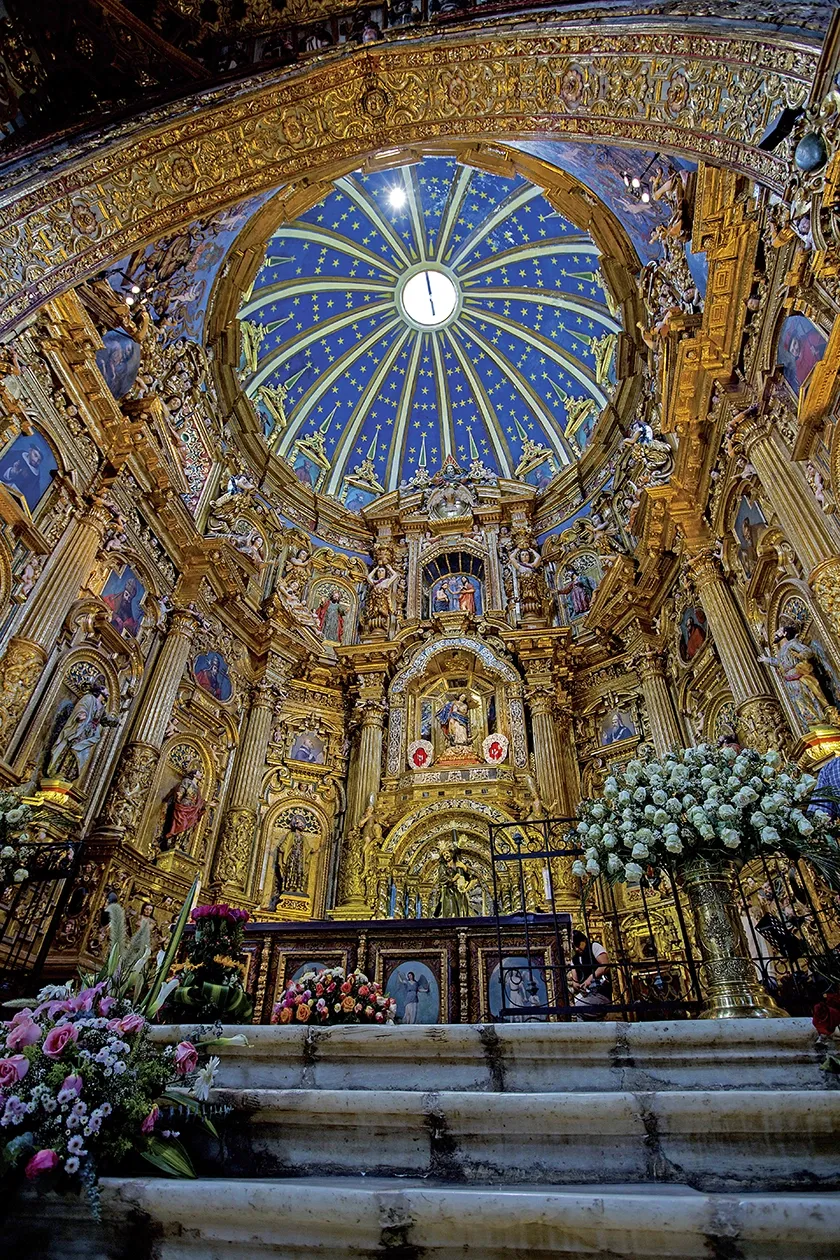
The Plaza Grande or Plaza de la Independencia is home to some of the most symbolic monuments such as the Cathedral, considered the oldest in South America; the Archbishop’s Palace; the Carondelet Palace, seat of the Government and the Municipality. The first great architectural work of the Quito School was the Church and Convent of San Francisco, the largest architectural complex in all of Latin America and known as “The Escorial of America”. Every step through the historic centre brings you closer to a church, convent or chapel that reaffirms Quito’s beauty. Such is the case of churches like Santo Domingo with the scarlet-coloured Chapel of the Virgin of the Rosary decorated with gold leaf; the Monastery of Nuestra Señora de la Merced, in baroque and Moorish style with important sculptural and pictorial works; that of La Compañía de Jesús perfectly decorated with gold leaf or the Basílica del Voto Nacional, a monumental structure in neo-gothic style erected on the Huanaucari, the sacred hill in pre-Columbian times. These are just one example of Quito’s exceptional heritage.
Culture is also important in the city thanks to spaces such as the Teatro Sucre, named after the Pichincha hero, Mariscal Sucre; the Teatro Bolívar, a symbol of Art Deco; the Capilla del Hombre, Fundación Guayasamín, a cultural centre that invites reflection on history; the Centro de Arte Contemporáneo; the pre-Inca art museum La Casa del Alabedo or the Centro Cultural Mama Cuchara, a public space for the different artistic expressions of Quito. Neighbourhoods are emblematic spaces that also speak of the essence of the city. The colonial La Ronda is the most traditional of Quito’s neighbourhoods. Its narrow cobbled streets, wooden balconies and old colonial houses create a unique atmosphere that transports visitors to another era. A place to enjoy Quito’s cuisine and colonial handicrafts. Another neighbourhood that offers activities and experiences for tourists is La Loma Grande, where you can live legends, enjoy Quito’s gastronomy or a hot drink on the roof top of the Mama Cuchara Hotel or taste a delicious cocoa at La Cuchara Ecuadorian Gallery. San Marcos, the most bohemian quarter of the historic centre, is characterised by its streets, colonial mansions and small squares. Famous for its artists’ studios, art galleries and antique shops, which showcase the creativity and talent of Quito’s artisans and artists. Here, colonial and republican architecture and the aura of culture intermingle with the everyday life of the locals, creating a welcoming atmosphere.
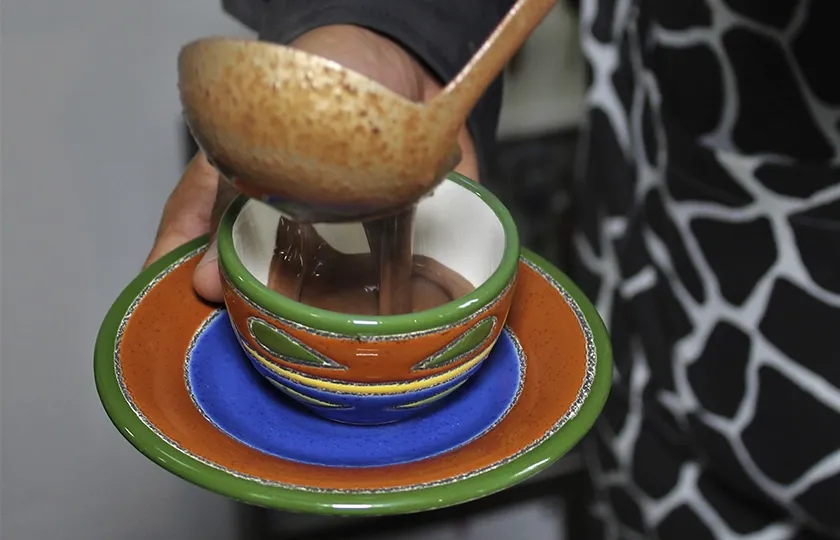
QuitoNómika aims to approach gastronomy as a transversal axis in the productive and touristic development of Quito, fusing ancestral knowledge and flavours that coexist with the most avant-garde creations. And finally, a delicious finish in the form of dulce de leche, fritters or rice pudding. Not forgetting chocolate, since Ecuador is the largest producer of fine aroma cocoa with more than sixty percent of the world’s production.