
A bastion of secular culture, both for its history and heritage and for its way of life, which remains in harmony with its fascinating biodiversity, Galicia exudes a magic that captivates those who discover and visit it, making them feel that they need nothing else, that they have everything they need right there.
A land of legends and fire worship, where the Romans believed the world ended, it is in itself a universe full of surprises; a mosaic embraced by a coastline with idyllic beaches that give way to broken and twisted profiles, according to the description of the Roman geographer Pliny the Elder in his work Natural History. But this is only one side of the coin, because inside, the stage is set by its rivers, by the wine from its challenging vineyards, by the blue-tinged horizons and greens that break the sky, by the architectural heritage that boasts its own splendour, by the paths that run through little-known landscapes, by the purifying roads, by the feeling of true home that is reborn when sitting at the table, by the eyes that never tire of admiring the Galician landscape, and by the healthy envy towards those who can enjoy its tranquillity and calm by tearing off the pages of the calendar.
That is the essence of the Galicia Calidade concept, a symbiosis between landscape, culture, population and way of life that characterises the community; the experience, the different moments, flavours and corners that make Galicia a unique destination.
From inland to the coast
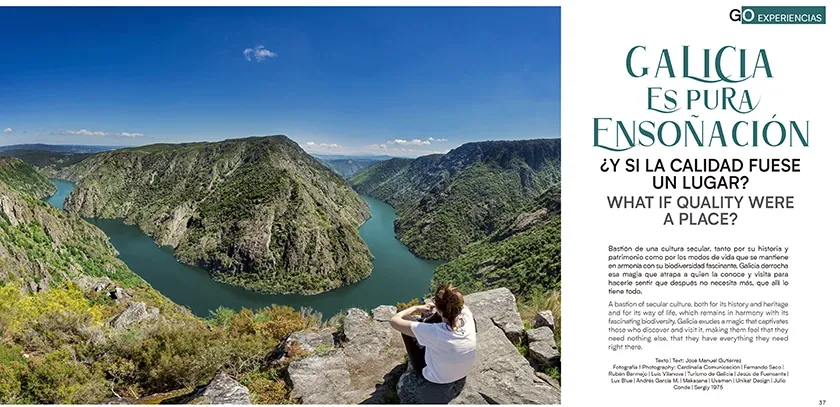
Legend has it that one day Jupiter gazed upon beautiful Galicia and fell in love. While he was thinking about how to make her his own, his wife Juno, who was walking nearby, discovered Jupiter’s new desires. Enraged by such beauty, she wanted to destroy it and caused such a deep wound in Galicia that it formed dizzying canyons. The enamoured Jupiter decided to cover this scar with the waters of a beautiful river, the Sil, and punish his jealous wife by condemning her to wander eternally across the land she had tried to destroy. Jupiter forgave his wife and from Olympus he contemplates the earth he could not possess, the same earth that, thanks to Juno and her jealousy, boasts one of the most wonderful landscapes that can be contemplated and enjoyed.

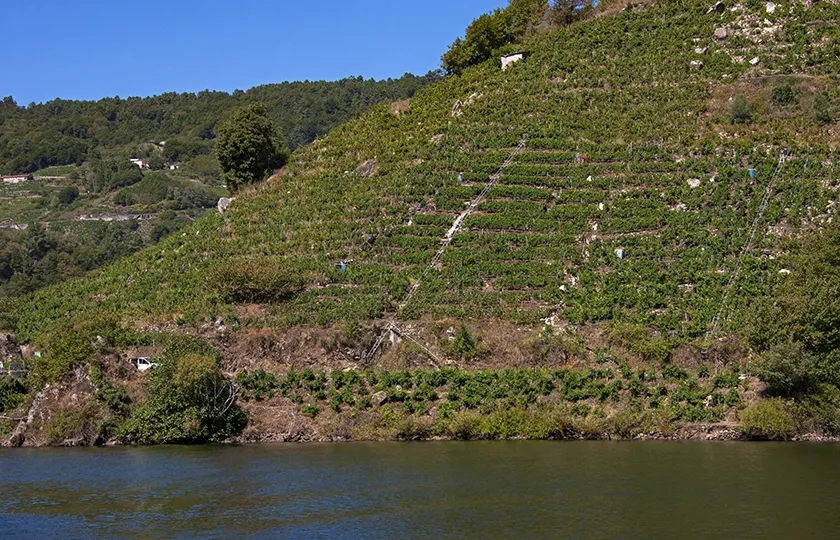
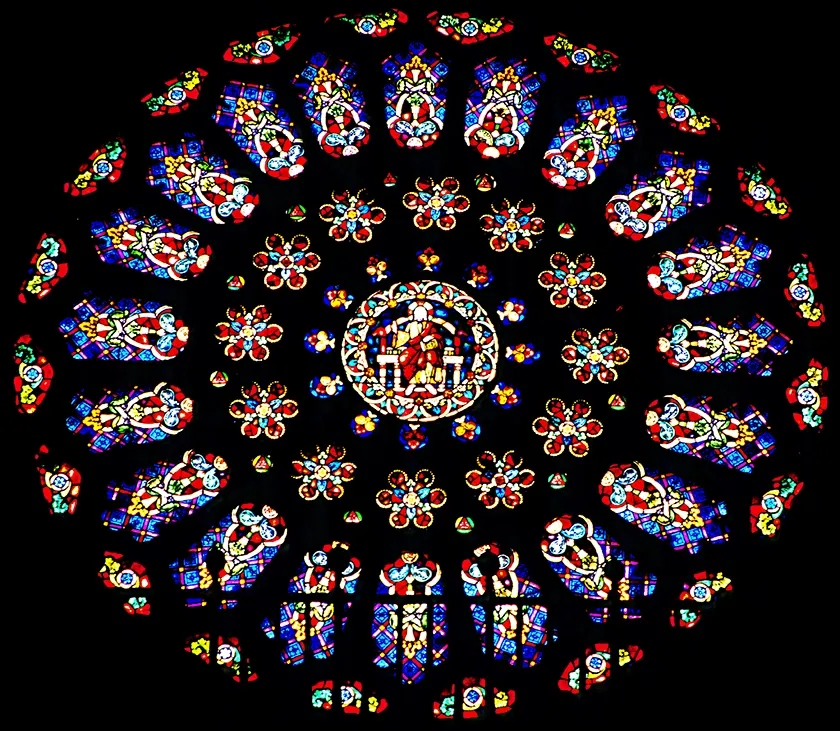
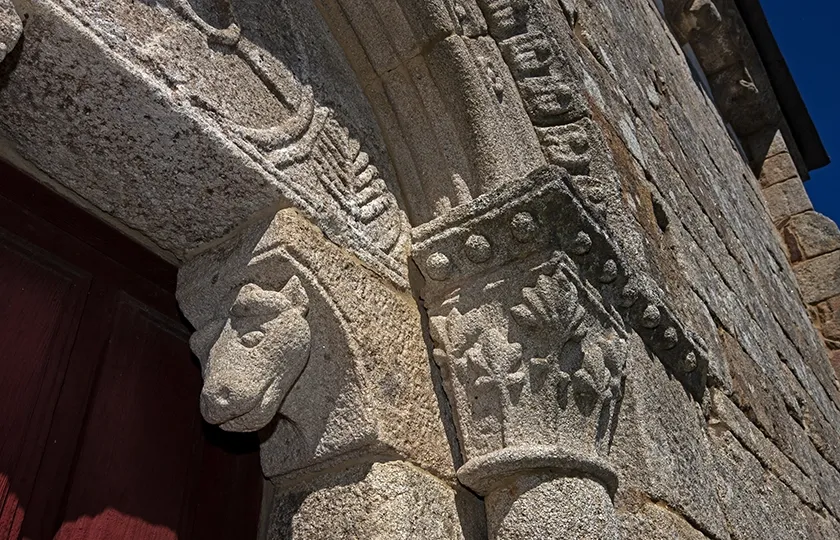
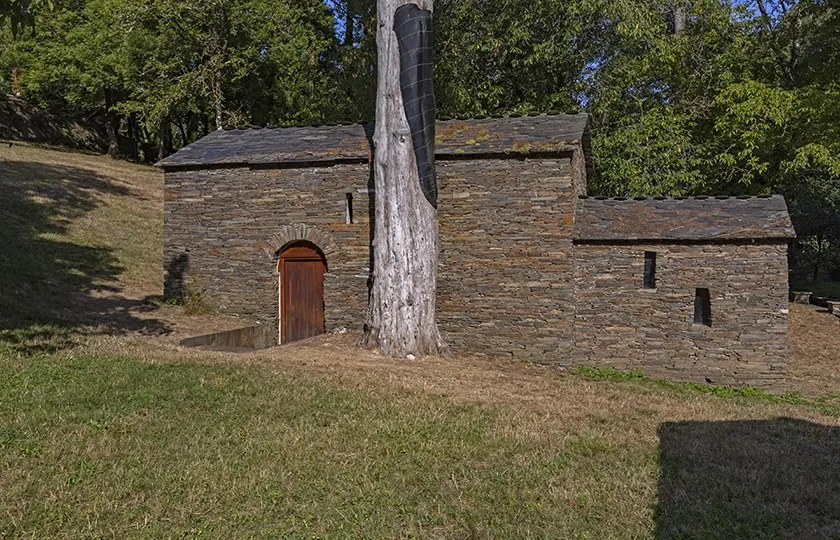
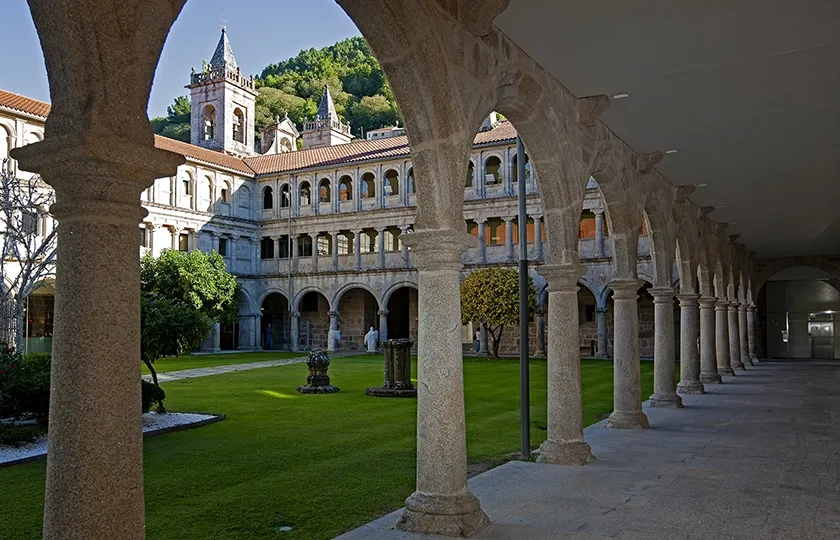
The Ribera Sacra is a setting that straddles the real, the mystical and the mythological, impossible to forget, so sublime that it stirs our emotions with the aromas of lavender, wild oregano and bay leaves, with the hypnotic and dizzying sight of thousands of heroic vines, with the tranquillity of sailing the waters of the Miño and Sil rivers, with its magical and inspiring corners, and with the spiritual magnetism of its eighteen monasteries, among which the monastery of Santo Estevo de Rivas de Sil, now converted into a Parador hotel, the monastery of Santa Cristina de Ribas de Sil and the Baroque Santuario das Ermidas in O Bolo stand out, forming the quintessence of this mixture, in which centuries of history and tradition are intertwined with a natural setting that boasts the largest concentration of Romanesque architecture in Europe.
However, it seems that the monks, in addition to building monasteries, also devoted themselves to other tasks and continued the work begun by the Romans of using these lands for the cultivation of vines. It turns out that the best way to get the most out of the land is through a system of terraces or socalcos, terraces carved out of the cliffside that fill the slopes with vineyards perfectly integrated into the landscape with almost vertical planes.
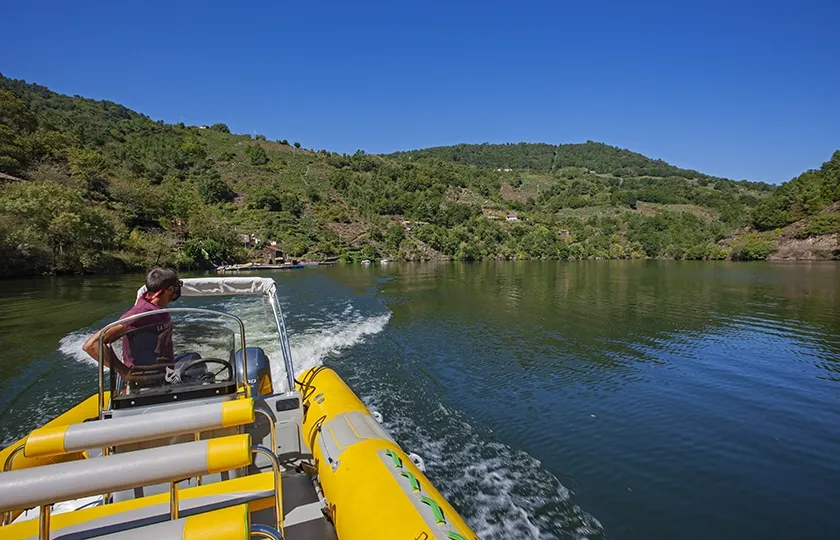
To sail the waters of the Ribeira Sacra is to enter a setting of bucolic corners steeped in romance, where the sounds of nature spring from waterfalls and leaves swaying in the wind. The winding riverbed, where we pass from steep gorges, with drops of up to five hundred metres, to a gentle landscape of Atlantic forest, is a magical string of dreams verging on ecstasy, while skirting Cabo do Mundo, one of the most symbolic landmarks of magical Galicia, is a truly unforgettable experience. From above, the silhouette of Santa María de Nogueira de Miño, the ‘Galician Sistine Chapel’, watches over our journey without neglecting the custody of its inner treasure, a magnificent Renaissance collection of 16th-century mural paintings that make this modest enclave an exceptional heritage gem.
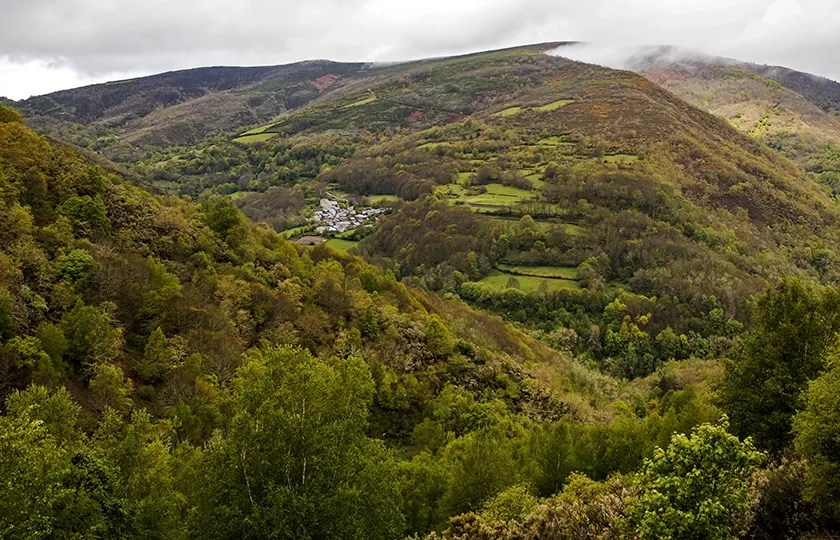
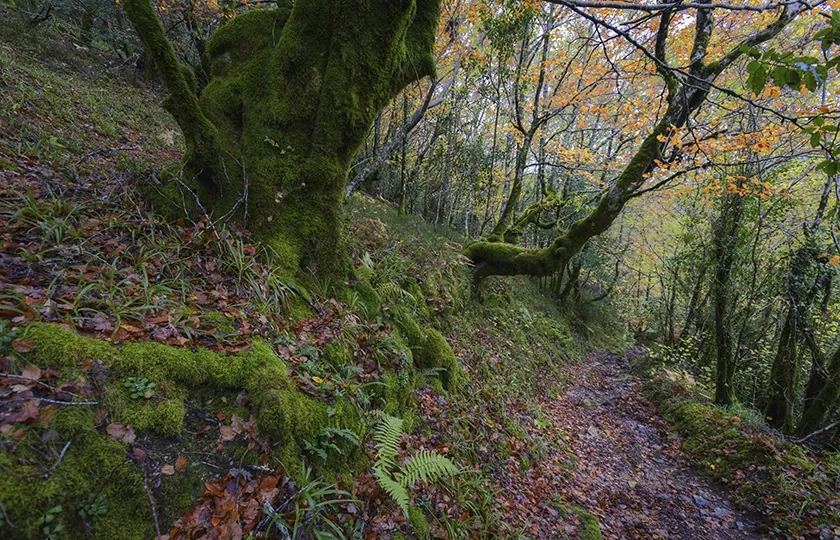
They know nature well in the O Courel mountains or in the Dos Grobos forest in Lugo. O Courel is home to some of Galicia’s highest peaks, with glacial lakes and forests such as Devesa da Rogueira.
Stretching from O Cebreiro and crossed by the River Lor, it is one of the most beautiful natural landscapes and one of the oldest territories on the peninsula. Its highest peaks are Formigueiros, Montouto and Pía Paxaro, where a metal eagle from the Roman imperial period was found. These mountains are ideal for hiking and enjoying nature in its wildest and most vibrant state.
In addition to being a magnificent example of the transition between the Atlantic and Mediterranean climates, where lush forests alternate with pastures such as Rogueira, one of the most beautiful and richest botanical reserves in Galicia, it is a wonderful geological paradise full of living caves, crevices and folds such as Campodola. The vegetation cover is very abundant and rich, covered with heather and oak trees before giving way in the higher areas to forests of holm oaks and other native trees.
An appealing way to discover the O Courel mountain range is to start at the village of O Cebreiro and enjoy its magnificent traditional architecture, its symbolic sanctuary and its authentic Jacobean atmosphere. You can also start in Samos, where it is very interesting to visit the monastery of San Xulián, founded in the Visigothic period by San Martiño de Dumio and built in different periods with Romanesque, Gothic, Renaissance and Baroque structures. The O Courel mountain range is Galicia’s most significant natural treasure, as it is home to the greatest biodiversity in the west of the peninsula.

The Os Grobos forest, with its characteristic karst rocks, is home to some of the most typical examples of native forests, with chestnut trees, oaks and other species native to the region that cover the sky and play with the light that manages to penetrate between the branches of the tall trees.
Located at the foot of the Agüeira chestnut grove, between the municipalities of Becerreá and As Nogais, it is rich in imposing limestone outcrops shaped by moisture, giving this place a magical atmosphere. In this labyrinth of karst rocks, you can enjoy a colourful spectacle of contrasts between the passageways and the dense vegetation that invites you to enter a parallel universe.
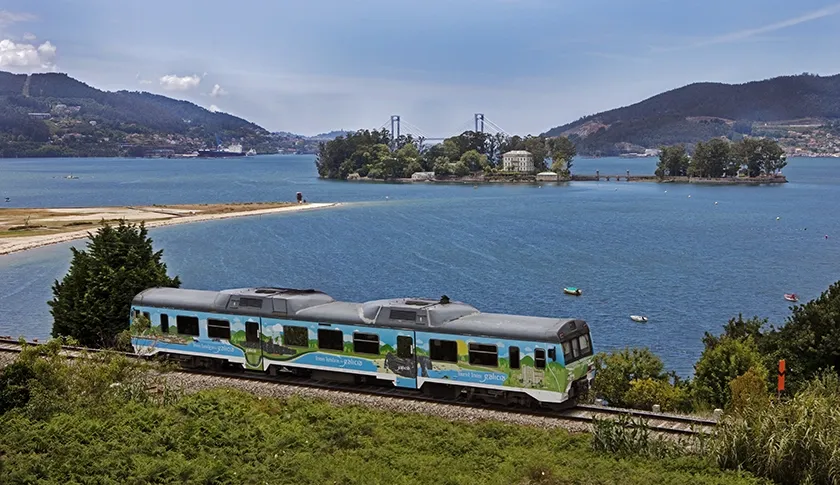
Galicia’s architectural heritage is also an important cultural and tourist asset, with the characteristic pazos standing out in their own right. Some of these authentic historical sites, closely linked to the region’s past, are open to visitors, such as the Pazo de Ribadulla in A Coruña and the Pazo Rubianes in Pontevedra. Galicia Tourism has launched products such as the Tourist Train Route, in collaboration with Renfe and Inorde, with routes such as the Ruta dos Pazos or the Ruta da Camelia to visit the beautiful and romantic gardens that surround many of these magnificent buildings.
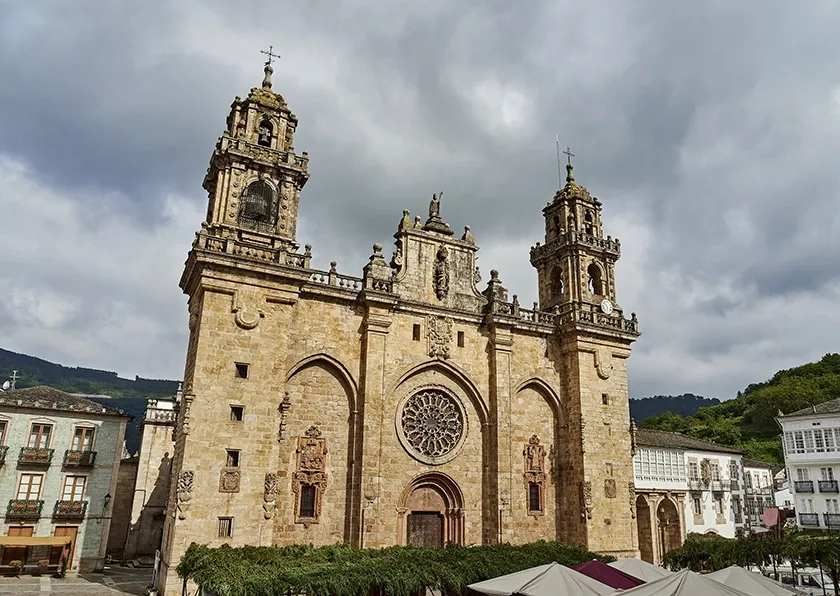
In Galicia, it is fortunately impossible to forget the combination of nature, architecture, history and intangible heritage, one of the best examples of which is the Camino de Santiago in all its routes. In other words, in addition to the popularly known Camino Francés, there are other Jacobean routes that criss-cross the region from all points of the compass, each with its own unique features, but all with a common denominator: adding another experience of authentic Galicia through lesser-known gems such as the cathedral of Mondoñedo, among many others.
Already on the coast
If we pause and observe the Galician coastline, preferably the part bathed by the Atlantic, on a map spread out before us, we will have the sensation that its contours have been torn apart, that the sea has been tearing away pieces of land that it has swallowed up without a trace, but creating one of the most beautiful natural settings in the world, where the ferocity of the sea seems to be tamed by the beauty of incredible sunsets and the selfless romanticism that still lingers in the seafaring culture.
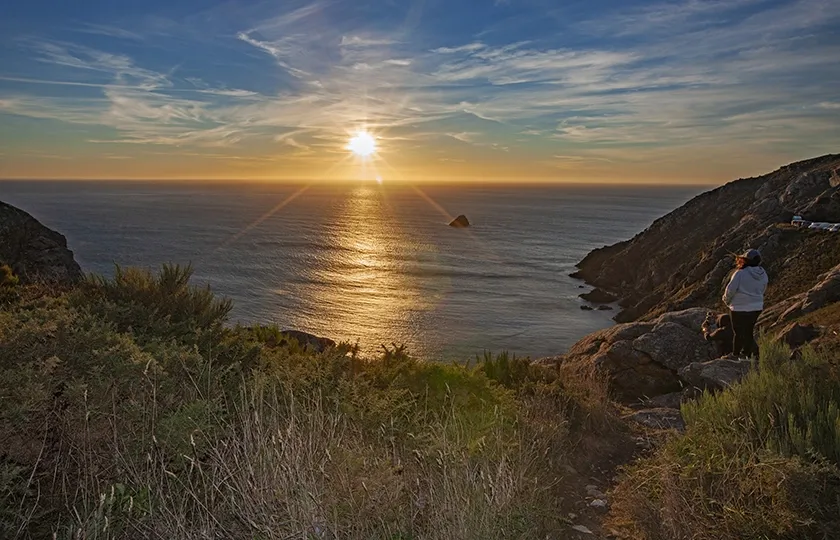
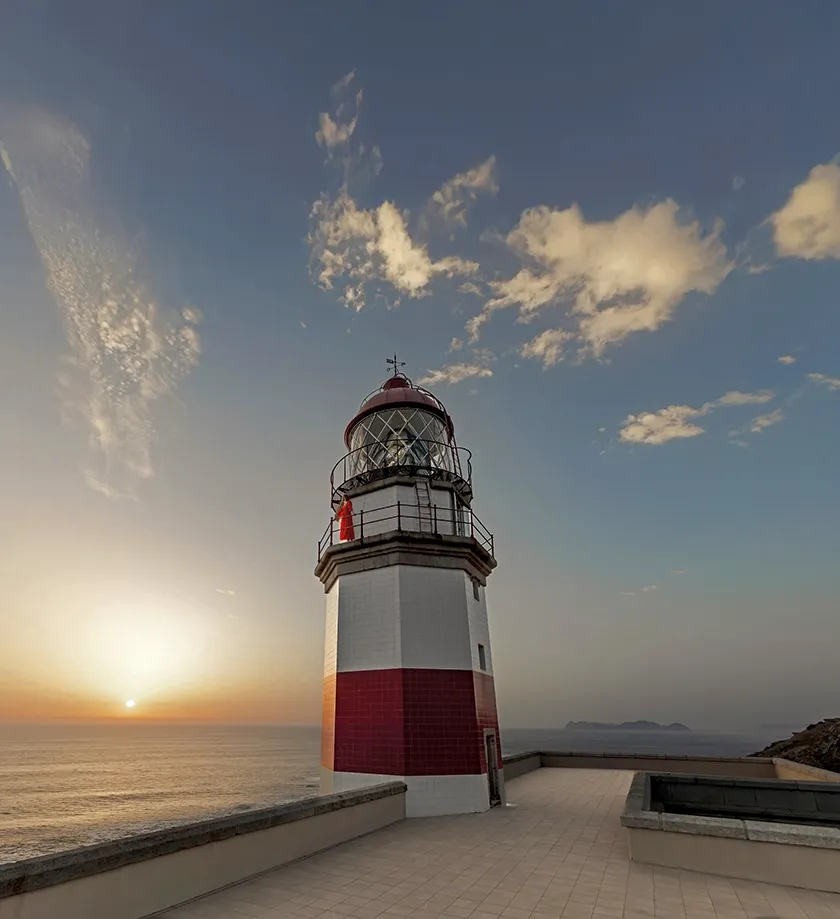
Galicia has almost 1,500 kilometres of coastline, making it the Spanish region with the longest coastline. Beyond universally known enclaves such as Cape Finisterre, there are others with a unique magnetism, such as Silleiro, where the sea breaks harmoniously on calm days and where you can appreciate its full force when there is a storm. Very close to Baiona, this cape has two lighthouses that were responsible for guiding ships as they passed through the Vigo estuary: the Pequeno lighthouse, located on the coastline, and the Silleiro lighthouse, inaugurated six decades later and located on a promontory eighty-five metres above sea level.
Currently, the Pequeno lighthouse houses an Atlantic tavern where you can enjoy delicious dishes, either on the terrace or inside the old premises. For those who want to complete the experience, the Silleiro lighthouse, still in operation, is now a boutique hotel with rooms from which to admire the sea in all its glory.
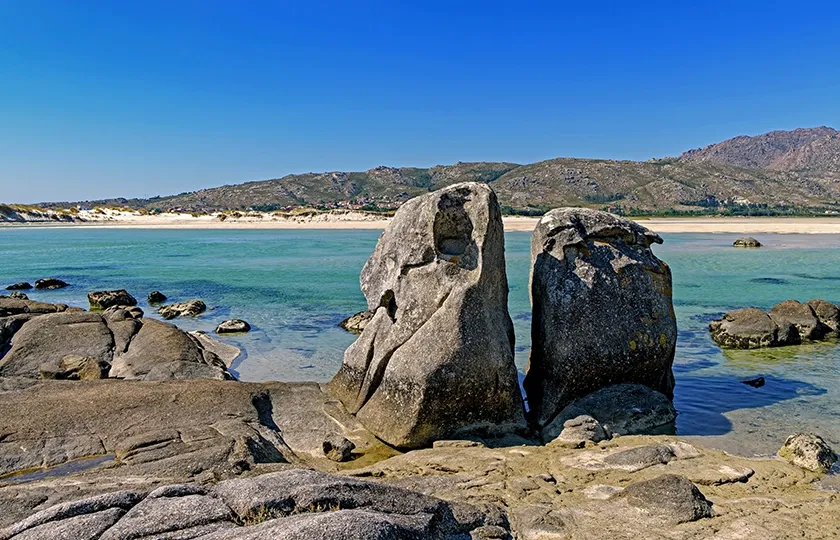
Carnota beach, with its golden sand, is another place worth visiting and enjoying. With its crescent shape and seven kilometres in length, it is an internationally recognised area of high ecological value that is home to a unique set of dunes, marshes and an inland lagoon; a magnificent place for bird watching, such as the Kentish plover.
The Pontevedra estuary with Tambo Island is another of those places that we sometimes overlook. Mysterious until recently and the source of many legends, it was the site of the founding of a small monastery by Saint Fructuosus in the 7th century, plundered by the pirate Sir Francis Drake in the 16th century, and used as a lazaretto until the 19th century to enforce mandatory quarantine for overseas sailors and ensure prevention against contagious diseases. It ended up housing an extension of the Marín Naval School until 2002, when it was demilitarised.
Today, it is a fantastic natural landscape of great purity, home to some of the oldest eucalyptus trees in Galicia and carpets of giant ferns, surrounded by pristine sandy beaches and crystal-clear waters.
In response to the question posed in the subtitle of this article, yes, quality is a place, and it is in Galicia.
Galicia is in itself an inexhaustible source of experiences, inspiration and good living. So much so that it has been very difficult to choose the locations for this report, as these and other corners of Galicia are the focus of this year’s destination promotion campaign by Turismo de Galicia, ‘What if quality were a place? Galicia Calidade’, with the aim of reaching 84% of the Spanish population.