

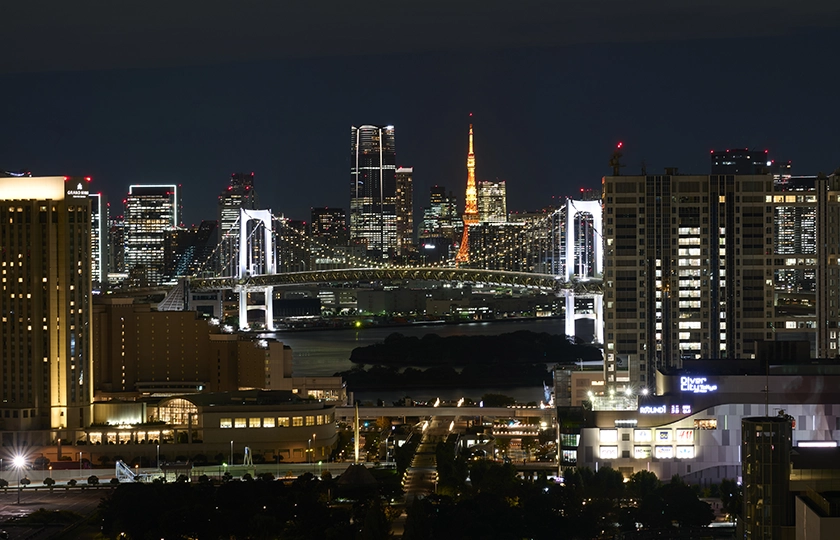
- One of the best ways to do this is to explore the legacy of Edo – the former name of Tokyo – whether by strolling through the streets that still retain their historical charm or by visiting the newly refurbished Edo-Tokyo Metropolitan Museum.
- Making a fabric daruma, attending a tea ceremony, visiting a sake brewery… these activities allow you to discover Tokyo from a hands-on perspective, where the visitor takes centre stage.
Tokyo, the cosmopolitan city that embraces tradition and modernity, offers – beyond its major landmarks – numerous opportunities to gain an in-depth understanding of its history, customs and craftsmanship through experiences where you can learn, create and participate.
One of the best ways to discover this cultural dimension is to explore the legacy of Edo, the former name of Tokyo. The Edo period, which spanned from the early 17th century to the mid-19th century, was an era of peace, economic growth and significant development in Japanese arts and traditions, many of which are still practised today.
A journey into the past at the Edo-Tokyo Metropolitan Museum
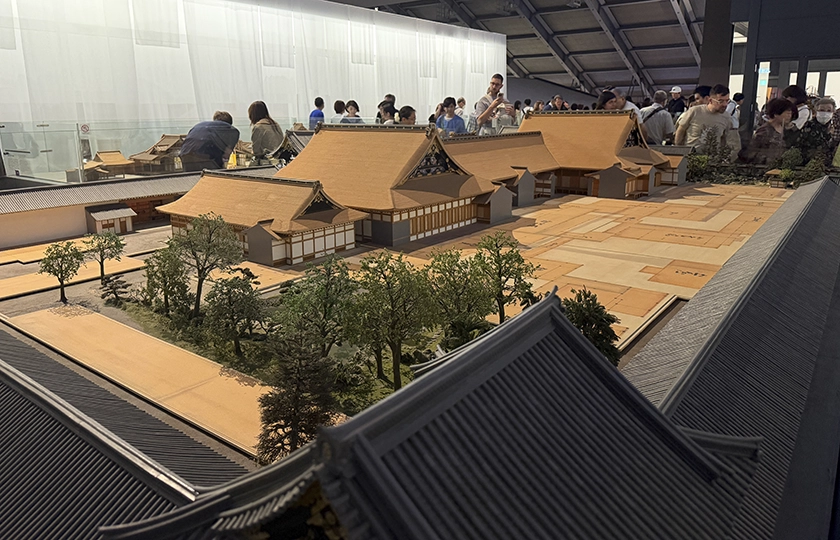
Reopened on 31 March 2026 following years of renovation, the Edo-Tokyo Metropolitan Museum is one of the best places to start if you want to understand how a city called Edo eventually became the Tokyo we know today. Its permanent exhibition uses large-scale models, life-size reconstructions, artefacts and audiovisual resources to illustrate the city’s evolution and the daily lives of its inhabitants.
Following in Edo’s footsteps through the streets of Tokyo
But Edo’s history isn’t confined to museums; some neighbourhoods, gardens and historic sites in the Japanese capital still preserve traces of that era. Nihonbashi, for example, was one of Edo’s main commercial centres and remains today a place where traditional shops, shrines and contemporary architecture coexist.
Make your own fabric daruma
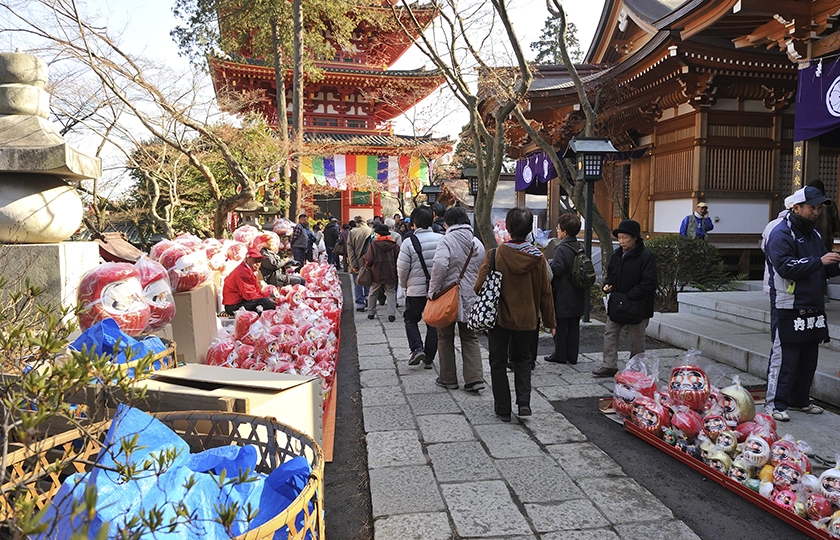
Among the most original experiences for taking home a souvenir from Tokyo is the chance to make a fabric Chofu-daruma. Daruma are traditional Japanese amulets associated with wishes and perseverance. At Daruchan no Ouchi, near Jindai-ji Temple, visitors can choose the fabric, write their wish on the doll, attach the fabric and finish by drawing its face.
Turning Japanese craftsmanship into a unique souvenir
As an alternative to conventional souvenirs, Tokyo offers another way to take a little piece of the city home: by making it yourself. The Japanese concept of monozukuri reflects the value that Japanese culture places on craftsmanship, materials and the relationship between the creator and what they produce. Travellers can take part in various traditional craft workshops and make their own items, ranging from decorative pieces to works involving Japanese dyeing techniques and other disciplines.
Discovering sake from its origins
Tokyo also offers the chance to explore one of the drinks most closely associated with Japanese cuisine and culture: sake. The city is home to several long-established sake breweries, some of which date back to the Edo period. Visiting one of them gives you an up-close look at how sake is made and helps you understand the importance of elements such as rice, water, fermentation and koji – a filamentous fungus – in the final product. Furthermore, some breweries offer guided tours and experiences to learn about their production process.
Appreciating sake through a tasting
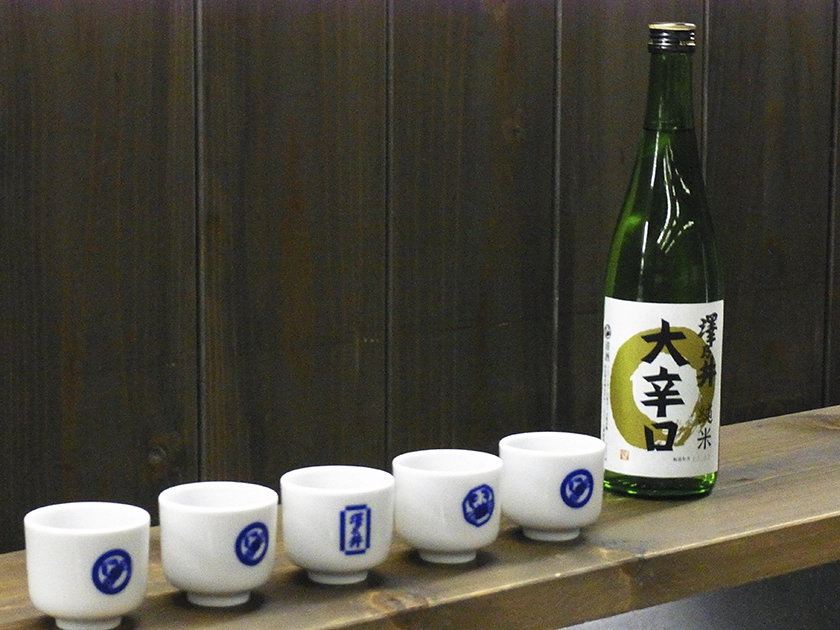
The experience can continue with a selection of different types of sake. Restaurants, bars, specialist shops and izakayas in Tokyo offer numerous opportunities to discover the different characteristics of this drink. More than just a simple tasting, it allows you to discover how factors such as the type of rice, the water, the degree of polishing or the fermentation temperature influence its flavour.
Take part in a tea ceremony
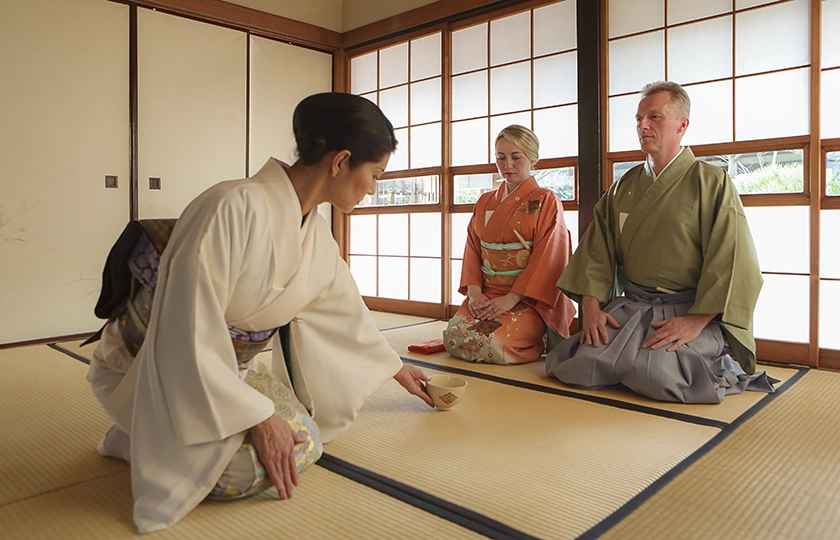
Few experiences better represent the connection between Japanese culture, aesthetics and tradition than the tea ceremony. In Tokyo, there are options that combine this practice with a stroll through some of the city’s historic gardens. One such experience involves a walk through Shinjuku Gyoen, followed by a tea ceremony at the Imperial Hotel Tokyo, where you can learn about the philosophy and traditional forms of hospitality.
Step into the shoes of a ninja
For those wishing to explore another of the best-known figures in Japanese history, Tokyo offers hands-on ninjutsu experiences. At MUSASHI NINJA CLAN, participants can don a ninja outfit and put to the test some of the skills traditionally associated with these warriors, such as throwing shuriken or using darts.
Wielding a replica katana like a samurai
Another of the most iconic figures in Japanese history is the samurai. Some experiences allow you to immerse yourself in this tradition by wearing a hakama, the traditional formal outfit, and learning to handle a training sword. In addition to other activities, this can be complemented by hands-on workshops on sword-fighting techniques, offering a participatory way to discover a part of samurai culture
Learning to cook a culinary speciality
Cuisine is also an integral part of Tokyo’s culture and history, and there are numerous opportunities to discover it from the inside, such as taking part in a soba-making workshop, where you can learn the process that transforms buckwheat flour into one of the most iconic dishes of Japanese cuisine. These kinds of experiences round off the cultural tour by allowing visitors to discover not only what Tokyoites eat, but also the techniques, knowledge and traditions behind some of their most popular dishes.
Source: REAL Marketing and Communication