From east to west and north to south, Türkiye is a veritable open-air museum showcasing the civilisations that have shaped human history. Located in Anatolia, the cradle of ancient cultures, the country continues to unearth a world heritage that has remained hidden underground for centuries.
In this context, the Legacy for the Future Project aims to highlight these treasures, expanding archaeological work throughout the country and ushering in a new, more dynamic and ambitious phase for archaeology in Türkiye. Over the past year, this initiative has led to the discovery of numerous artefacts belonging to different periods and civilisations.
These findings offer new perspectives on the history of humanity and its relationship with the environment, making 2025 a key year for improving the visitor experience at archaeological sites and enhancing the visibility of cultural heritage. Below, we review some of the most notable discoveries.
Major discoveries from the Neolithic period
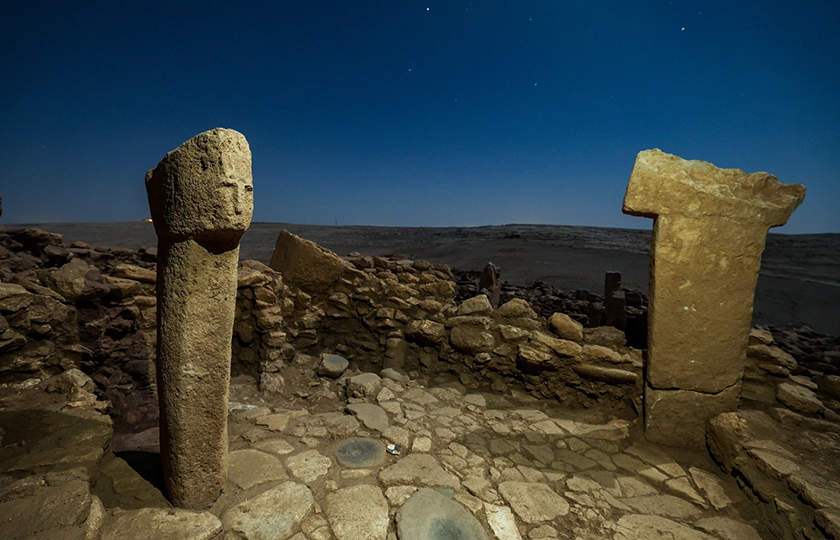
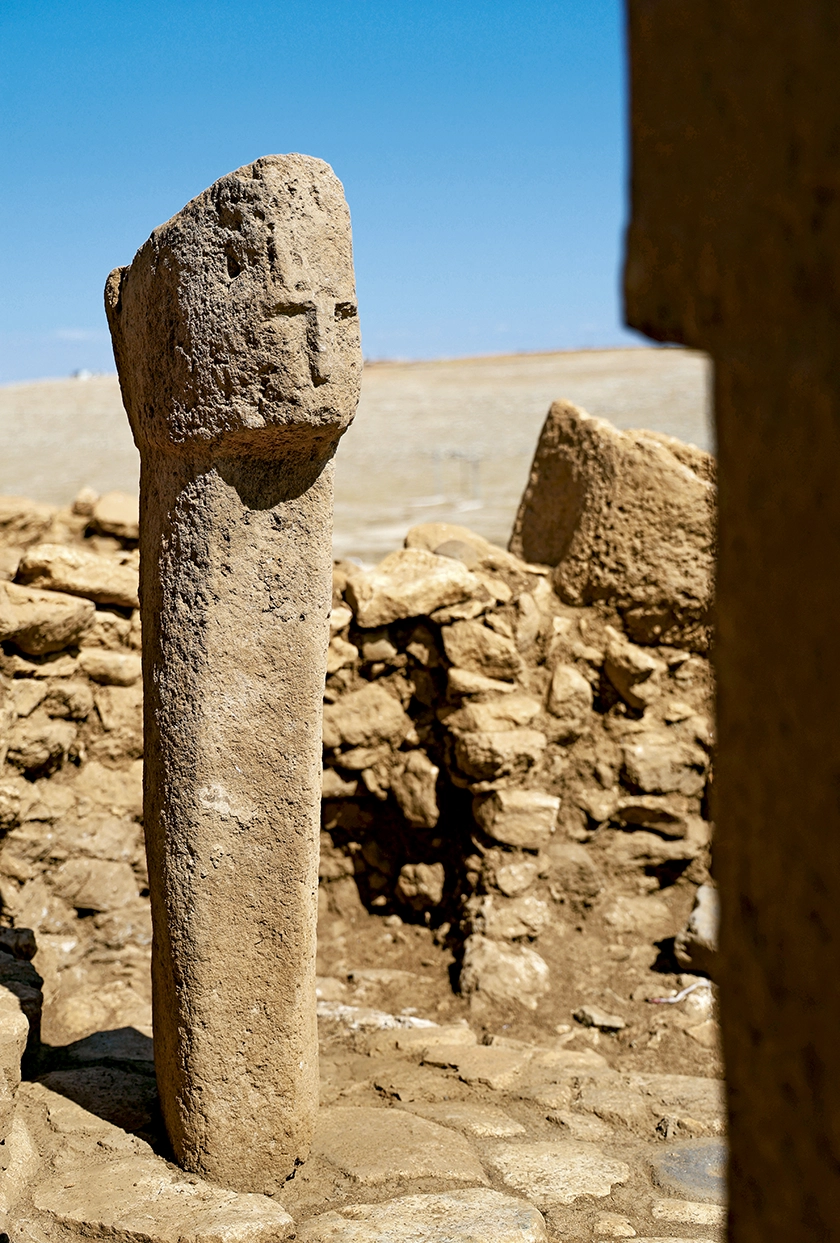
The Taş Tepeler Project, which brings together Neolithic sites in the province of Şanlıurfa, was responsible for some of the most significant discoveries of the year. At Karahantepe, a small vessel with three animal figures was found, the oldest three-dimensional mythological representation known to date. A T-shaped pillar carved with a human face was also found at the same site.
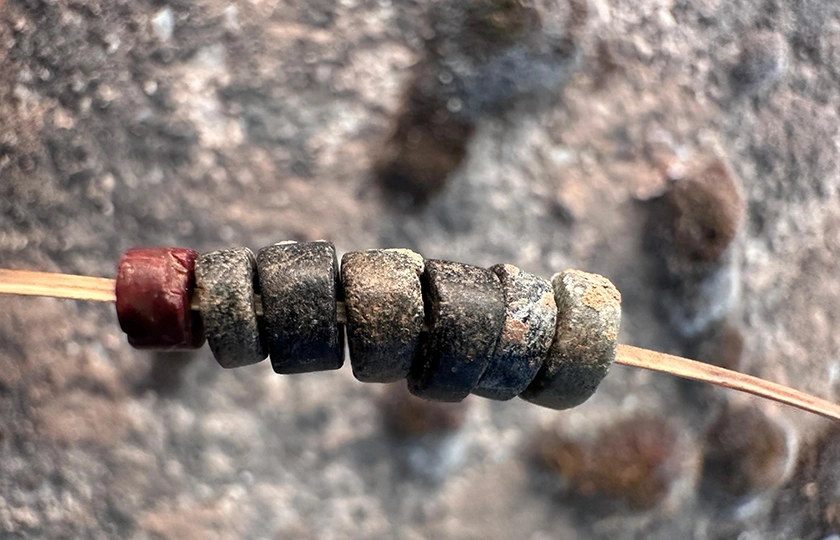
At Göbeklitepe, a UNESCO World Heritage Site, archaeologists discovered a human figure embedded in a wall, interpreted as a votive offering. At Sayburç, a human sculpture was found representing a deceased person with a sewn-up mouth, while Sefertepe yielded two reliefs of human faces and a double-sided bead.
Symbols of luxury and power in ancient Troy
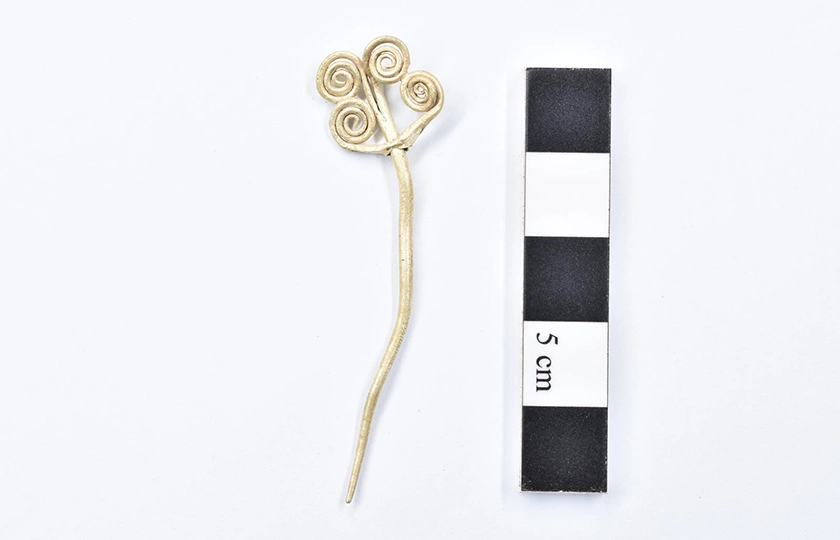
Excavations in Troy, in the province of Çanakkale, have unearthed a gold brooch dating from the Bronze Age (c. 2500 BC), along with a rare jade stone that was probably part of a luxury item.
This brooch, a symbol of social status and power, is the best preserved of only three known examples in the world and is considered one of the most important typological and historical discoveries of the last hundred years.
New insights into Ottoman maritime history
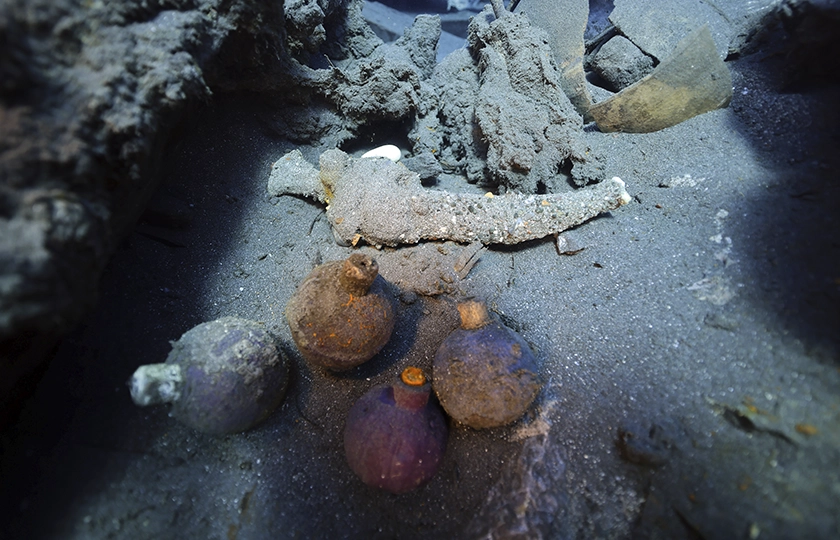
Underwater excavations of the Ottoman shipwreck at Kızlan, near Datça in Muğla, have shed new light on the naval history of the Ottoman Empire. This is the only known Ottoman shipwreck from the 17th century in Türkiye and has yielded more than 30 rifles, over 50 grenades, thousands of bullets, the largest collection of tobacco pipes from the Ottoman period and pieces of Chinese porcelain.
Idols from 4,500 years ago
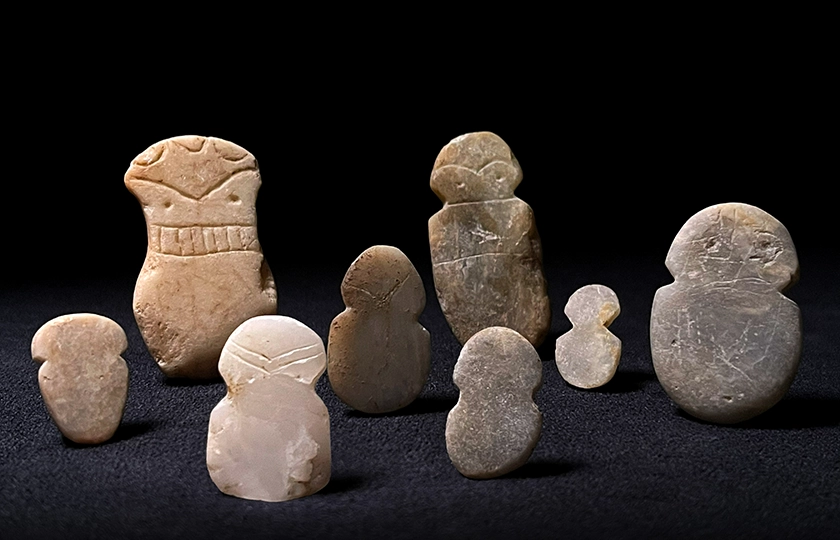
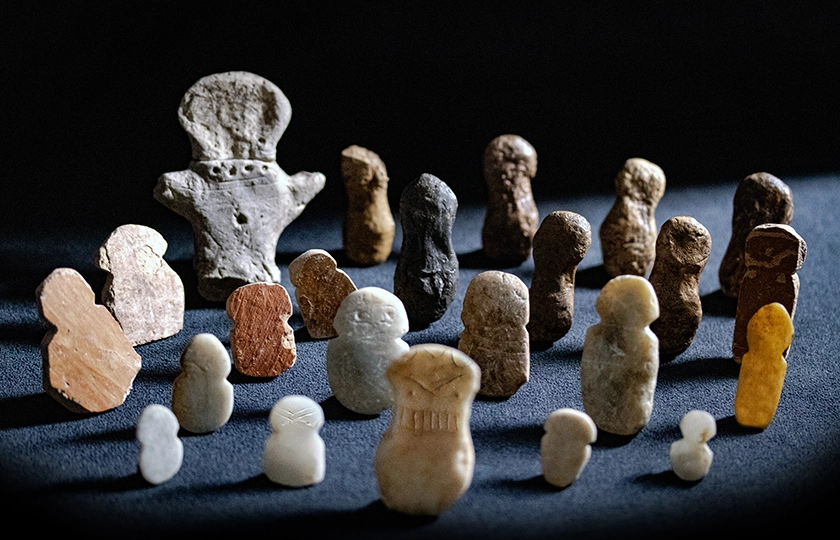
At Tavşanlı Höyük in Kütahya, one of the largest Bronze Age settlements in western Anatolia, archaeologists discovered idols dating back 4,500 years. Made of marble, bone and terracotta, the idols were found arranged around a hearth, providing valuable information about the religious beliefs and practices of the time.
A smiling Gorgon Medusa in the Black Sea
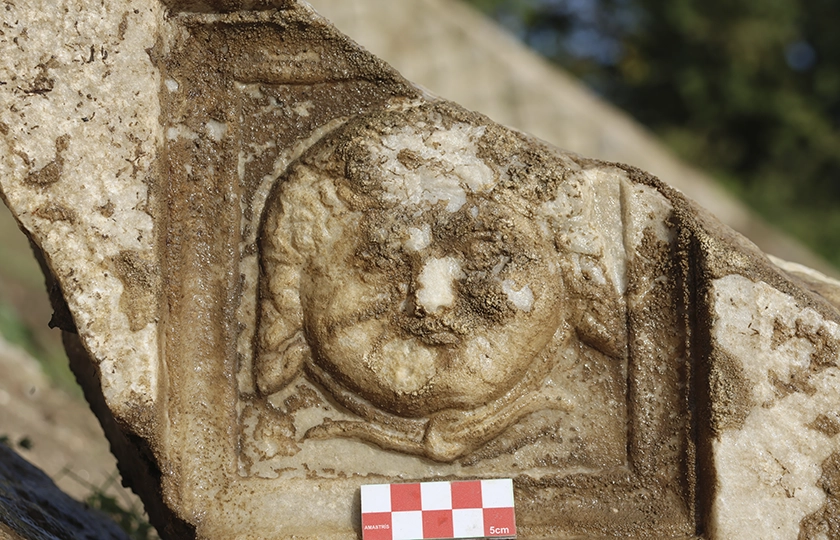
During restoration work on the nearly 2,000-year-old stoa in the ancient city of Amastris, in the district of Amasra (Bartın), archaeologists discovered a rare smiling representation of Medusa. In mythology, Medusa is the figure with snake hair capable of turning anyone who looked at her to stone.
A new discovery in Ephesus dedicated to Serapis
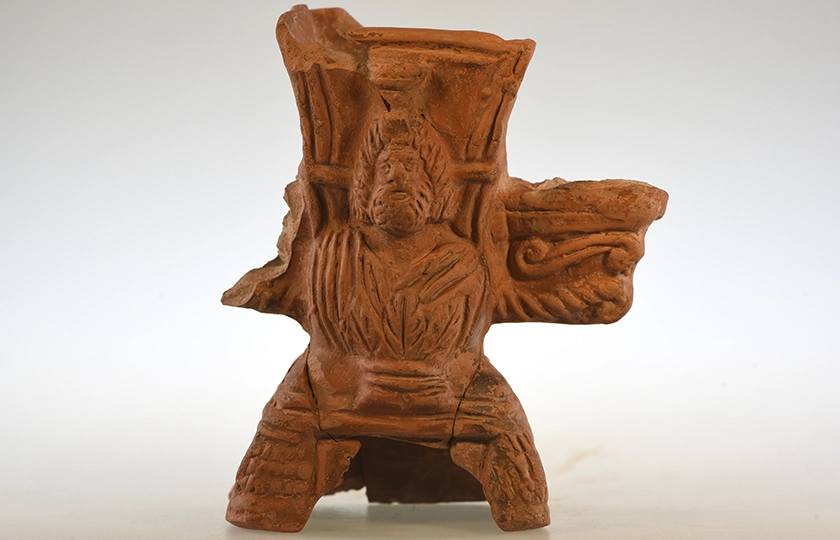
At the site of Ephesus, a UNESCO World Heritage Site located in İzmir, a terracotta censer decorated with a relief of the Egyptian god Serapis was discovered. Thanks to the inscription preserved on its back, the object could be linked to another identical incense burner previously found in the Terrace Houses, which points to the existence of a local workshop or regular trade in this type of piece in the ancient city.
Ritual breads of early Christianity in Karaman
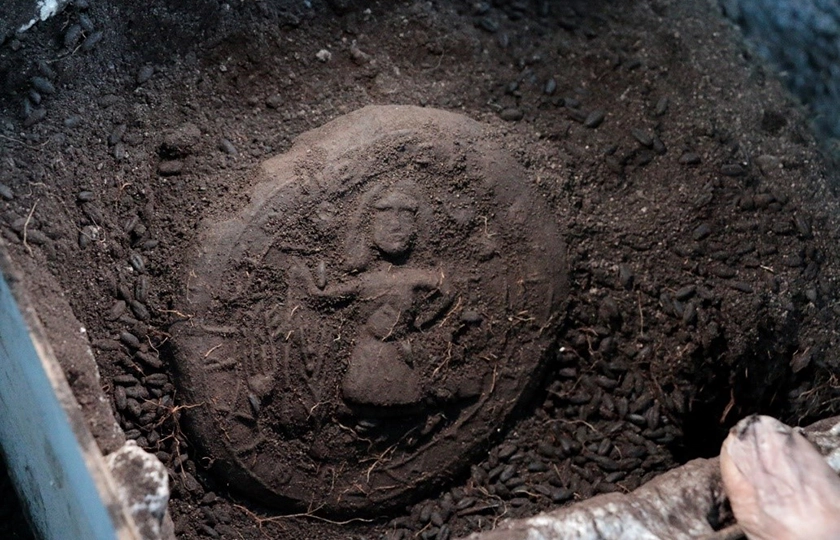
Excavations at Topraktepe (Eirenepolis), an ancient city located in Karaman, unearthed five charred loaves of bread dating from between the 7th and 8th centuries AD. Experts believe that these loaves, decorated with Maltese crosses and an image of Jesus, may have been used as sacramental bread in early Christian rituals.
The largest storage complex discovered in Van
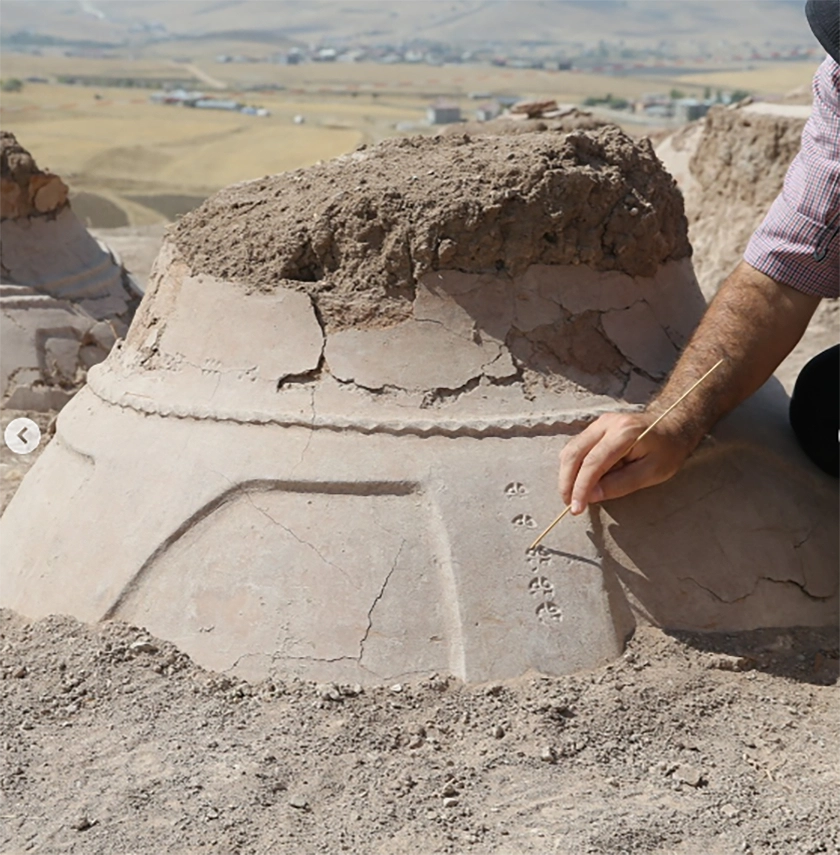
In the ruins of Kevenli Castle, in the foothills of Mount Erek, in the İpekyolu district (Van), archaeologists discovered 76 pithoi, large storage vessels with cuneiform inscriptions. Used by the Urartian civilisation to store oil, grain and beverages, this complex is the largest storage complex identified to date in the Van region.
About the Türkiye Tourism Promotion and Development Agency (TGA)
TGA operates to ensure that Türkiye is a recognised brand in national and international tourism, to promote Türkiye’s tangible and intangible, natural, cultural, biological and man-made heritage, and to engage in short-, medium- and long-term communication/marketing activities to increase the share of tourism investments in the national economy and improve the quality of service in tourism.
TGA is responsible for carrying out all promotion, marketing and communication activities to help Türkiye achieve its tourism objectives, promote and market current tourism resources worldwide, and discover, develop and make available potential tourism resources online, in line with the tourism strategies and policies developed by the Ministry of Culture and Tourism.
Opening image: Taş Tepeler Project. Karahantepe
Source: COMUNICACIÓN IBEROAMERICANA