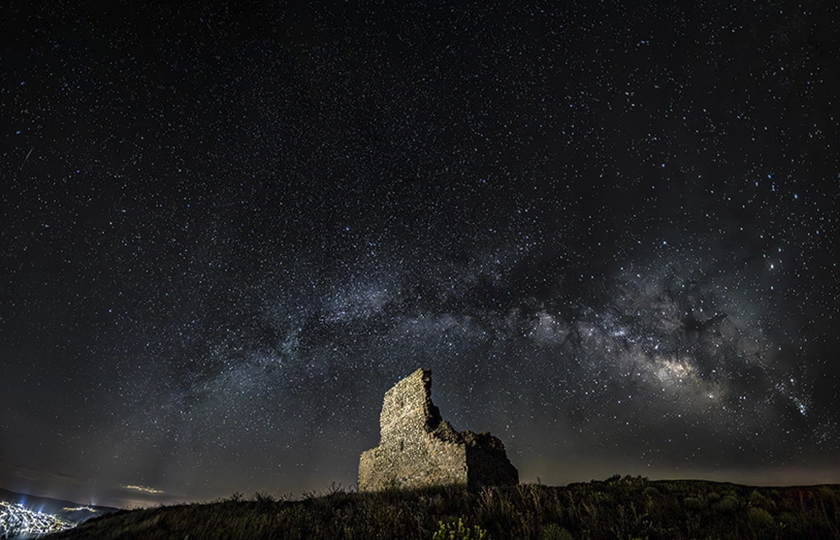
- In 2024, it became the first province in the world to have all its districts certified as a Starlight Tourist Destination, an international accolade that recognises the exceptional quality of its night skies and its commitment to sustainable tourism.
- From the vast plains of La Mancha to the mountainous landscapes of the south of the province, Albacete offers an extensive network of stargazing spots and experiences that combine nature, heritage and stargazing.
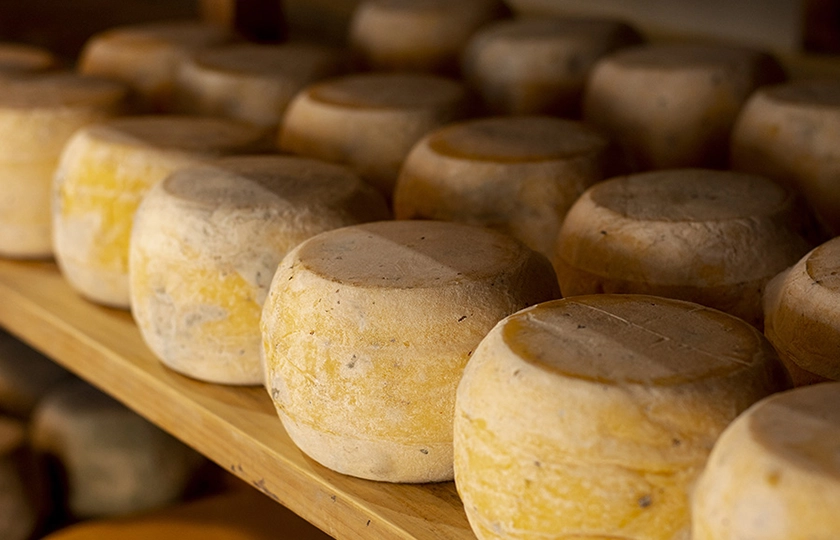
- A journey that is rounded off by its cultural and gastronomic riches, with iconic specialities such as Manchego cheese and saffron, migas, its distinctive gazpachos, ‘atascaburra’ and the Miguelitos sweets from La Roda.
It is probably one of the least well-known parts of Castilla-La Mancha, but the province of Albacete offers hundreds of reasons to visit and discover every corner of it: nature, heritage, culture, cuisine, the warmth of its people… and, moreover, it boasts exceptional conditions for astronomical observation and the development of astro-tourism. Low light pollution, the vastness of its horizons and the diversity of its natural spaces make the night sky one of the region’s greatest tourist and environmental assets.
In 2024, during the FITUR tourism fair, Albacete became the first province in the world to be designated a Starlight Tourist Destination* across all its districts, culminating a process initiated by the Provincial Council in 2019. Since then, all six of its regions have held this certification, which recognises the extraordinary quality of their night skies and the commitment to their conservation and sustainable use for tourism.
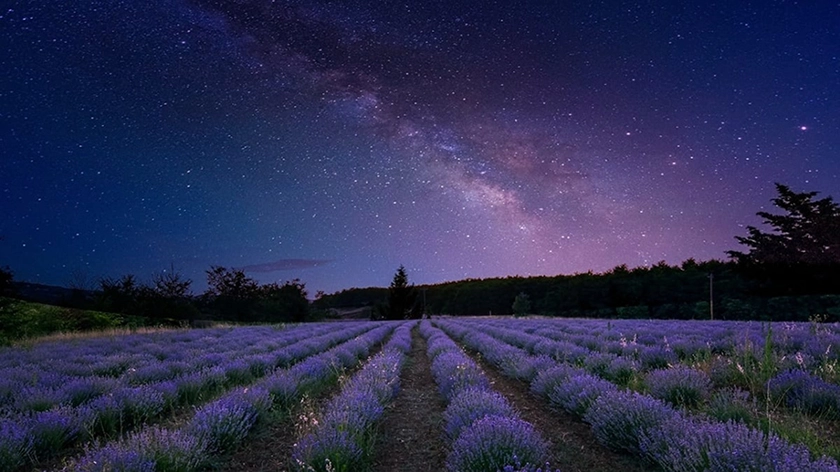
An entire province, with its six regions and 86 municipalities, to discover the universe
From the vast plains of La Mancha to the mountainous landscapes, Albacete offers exceptional settings for gazing at the Milky Way, identifying constellations and planets, and observing meteor showers.
In La Manchuela, a place to gaze at the sky amidst gorges and plains, the certification was awarded in 2022 to its 24 municipalities. Among its viewing points, Las Eras in Alcalá del Júcar—overlooking the spectacular river gorge—and Villa de Ves, where the stars are reflected in the reservoir, stand out. Meanwhile, the Sierra de Alcaraz and Campo de Montiel, certified in 2020, boasts 25 viewing points that combine astronomy, nature and heritage, such as the one in the Lagunas de Ruidera Natural Park or the one at Peñas de San Pedro, next to its imposing fortress.
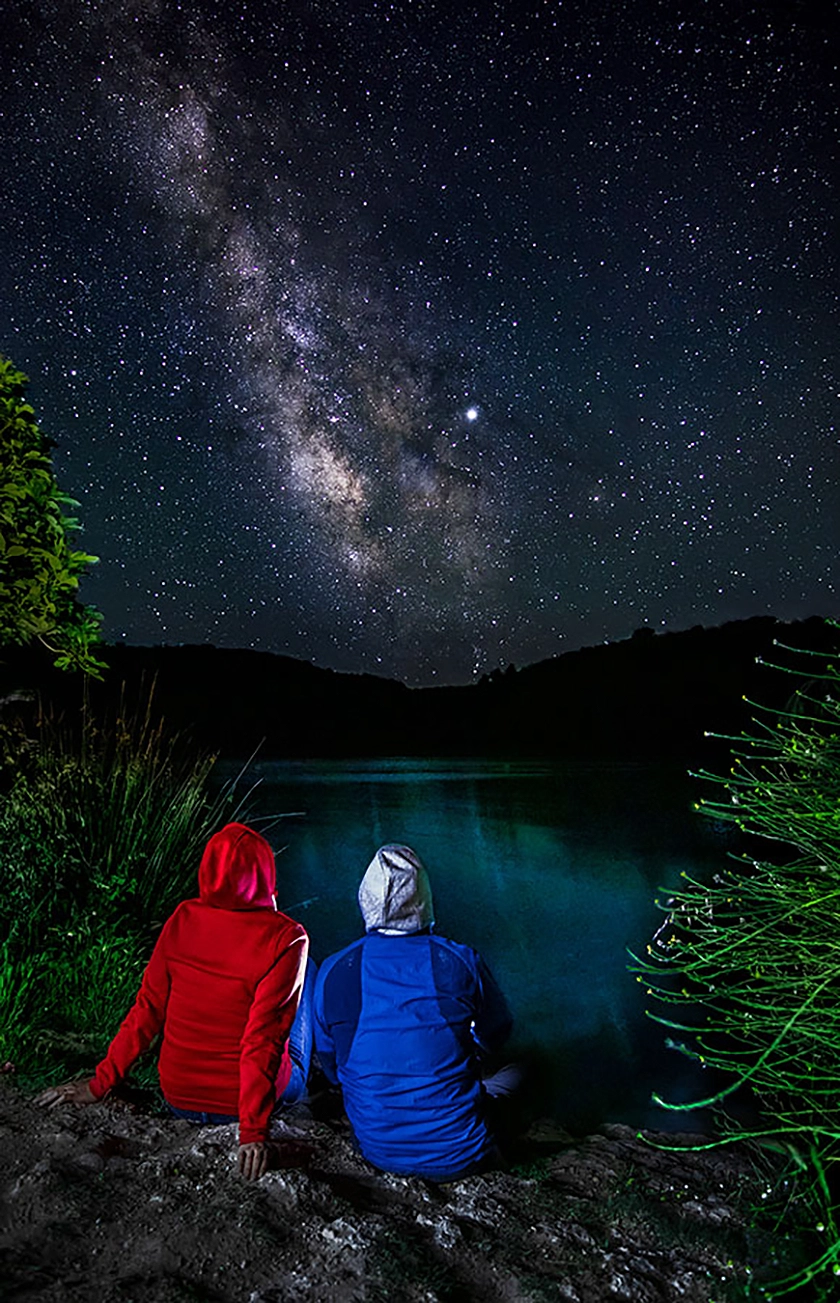
The Sierra del Segura, which cradles the sky amongst its mountains, received its certification in 2021. Its deep valleys, vast forests and small rural villages provide exceptional spots such as Riópar Viejo and Nerpio. In Campos de Hellín, where the earth and sky date back millions of years, stargazing is combined with an extraordinary historical and geological heritage, from the Tolmo de Minateda to the Cancarix volcano, with viewing points in Agramón, Fuente-Álamo and Ontur.
The central region of La Mancha-Júcar offers endless horizons from which to gaze upon the Universe. It was the last region to be certified, in 2024, featuring sites such as Villarrobledo, set amongst vast plains and vineyards, and Villalgordo del Júcar. Finally, Monte Ibérico and the Corredor de Almansa – a land steeped in history beneath an endless sky, recognised in 2023 – boasts eleven viewpoints set amongst vast horizons, mountain ranges and wetlands, with the areas around Chinchilla de Montearagón and the Laguna Salada de Pétrola standing out in particular.
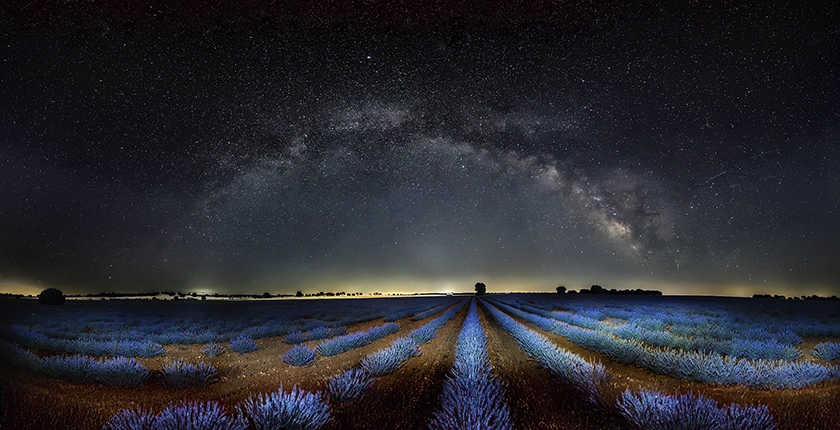
In addition to its extensive network of Starlight viewing points, the exact locations of which can be found on the tourism website, the province boasts specialised facilities for astronomical observation, research and outreach, including the Villatoya Astronomical Observatory, AstroCamp in Nerpio, the Los Pradillos Observatory in Férez and the Liétor Astronomical Observatory. There are also companies that organise photography workshops for professionals and beginners in these exceptional settings. This infrastructure complements the beauty of Albacete’s exceptional skies and allows visitors to explore astronomy from a tourist, educational and scientific perspective.
From astronomy… to gastronomy
Any experience in Spain is enhanced by its flavours, the ingredients and recipes from every corner of the country, and Albacete is no exception. Saffron is one of its most prized treasures, as are olive oil, honey and Manchego cheeses, which could serve as symbols representing the whole country; its wines, from Villarobledo to the world, with four unique Designations of Origin: Almansa, Manchuela, Jumilla and La Mancha; hearty dishes such as Migas, Atascaburras or Gazpachos manchegos (which, incidentally, are nothing like the Andalusian versions), served on their own flatbreads; and irresistible sweets such as Miguelitos de La Roda are just a taste of what you mustn’t miss in this delicious province.

Finding the ideal plan for a magical weekend, whether as a couple or with the family, is easy with the help of the APEHT: first, choose a region; then plan an itinerary taking in the must-visit villages in the area, and let yourself be enchanted by the most characteristic flavours of each place; and look for accommodation near any of the Starlight viewpoints or notable astronomical observation points. Because when night falls, a whole new way of discovering Albacete begins.

*The Starlight Foundation is an organisation dedicated to protecting the night sky and promoting astronomy, championing astro-tourism as a model of sustainable development. This foundation’s international accreditation recognises regions that pass astronomical audits on sky darkness, atmospheric transparency and the frequency of clear nights, and which have the appropriate infrastructure and activities to offer tourism linked to stargazing.
Source: AIRES NEWS Comunicación