Wine-making traditions, summer homes and fine dining come together on a getaway just a few kilometres from Barcelona, with Arrey Alella by Hotels CMC as the ideal starting point.
Nestled between the Serralada Litoral and the Mediterranean, Alella preserves a landscape where vineyards stand alongside houses and towers that evoke its past as a summer resort. Just a few kilometres from Barcelona, this town in the Maresme region invites visitors to discover, in autumn, two of the elements that have shaped its history: wine culture and an architectural heritage linked to the transformation it underwent between the late 19th and early 20th centuries.
Visiting its wineries, strolling amongst period buildings and savouring the local cuisine allows y ou to experience both these facets in a single getaway. This experience is perfectly complemented by Arrey Alella by Hotels CMC, situated in a historic house also linked to the town’s winemaking heritage.
A tradition born between the mountains and the sea
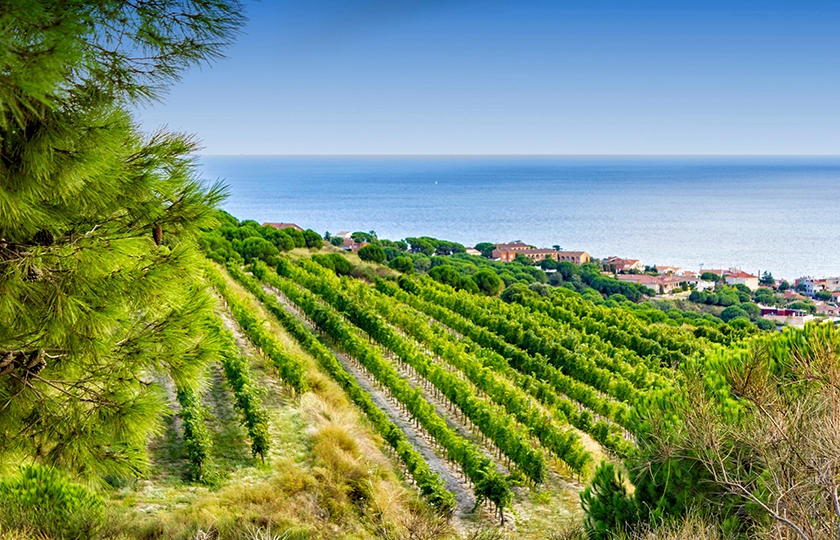
The Alella Designation of Origin, one of the oldest in Catalonia, is a key symbol of local identity. Its vineyards grow on the characteristic ‘sauló’ soils, between the Serralada Litoral mountain range and the Mediterranean, and feature the Pansa Blanca as one of their most representative grape varieties.
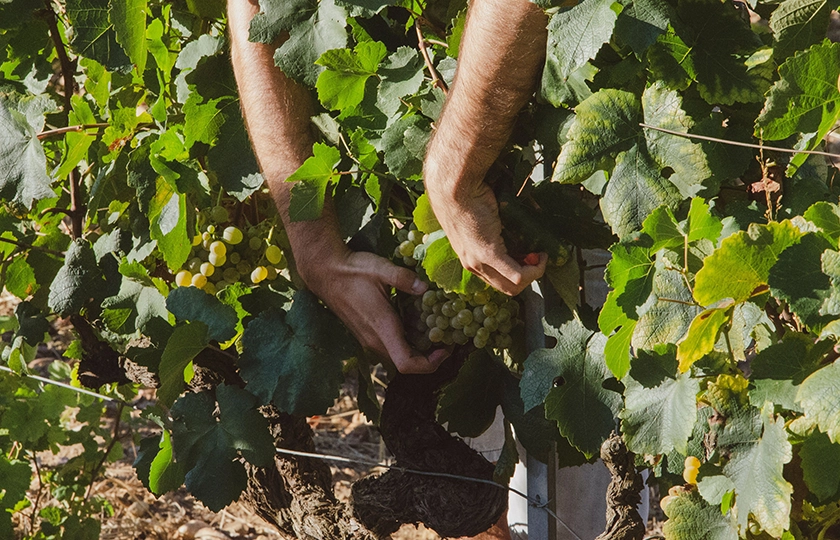
This wine-growing culture can be explored through the town’s wineries and wine tourism offerings, which allow visitors to tour the vineyards, discover the winemaking facilities and taste the appellation’s wines. Celler Marfil – Alella Vinícola, for example, offers winery tours, tastings and activities amongst the vines: different ways to discover the region through its wines.
Alella Vinícola, where wine becomes architecture
One of the most striking examples of the link between wine and heritage can be found at Celler Marfil – Alella Vinícola. Built in the early 20th century to a design by the architect Jeroni Martorell, a disciple of Antoni Gaudí, the building was originally established as a cooperative dedicated to winemaking and is popularly known as the ‘cathedral of wine’.
Its presence illustrates how the wine-making industry has also left its mark on Alella’s architecture. Gaudí himself spent summers in the town, a connection that links his Modernist legacy with the history of its summer houses and towers. A visit to the winery allows you to combine the discovery of the wines with that of the buildings that tell the town’s story, before continuing your stroll through its streets.
The legacy of summer holidays
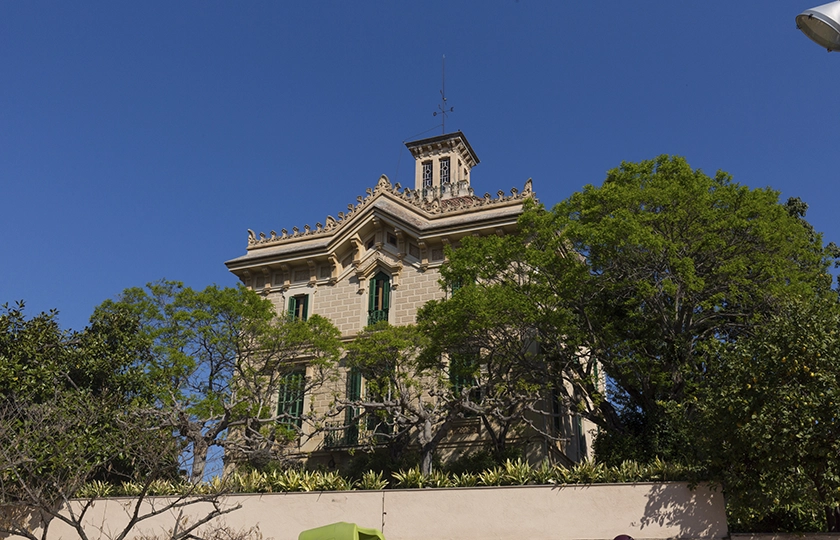
Between the late 19th and early 20th centuries, Alella established itself as a summer holiday destination. Houses and towers from that period still form part of its townscape and offer a glimpse of the changes brought about by the arrival of new residents during the summer months.
Can Serra, Can Bertran, Can Llimona and the Governor’s Tower are some of the buildings included on the municipal trail ‘The Imprint of Modernism in Alella’. The route invites visitors to discover this heritage on foot and gain an insight into a period that transformed the town’s character.
The walk rounds off the wine tourism experience by offering a different perspective on Alella: that of its period houses, their architectural details and the coexistence of its agricultural past with its history as a summer resort.
Can Balcells, an estate linked to the history of Alella
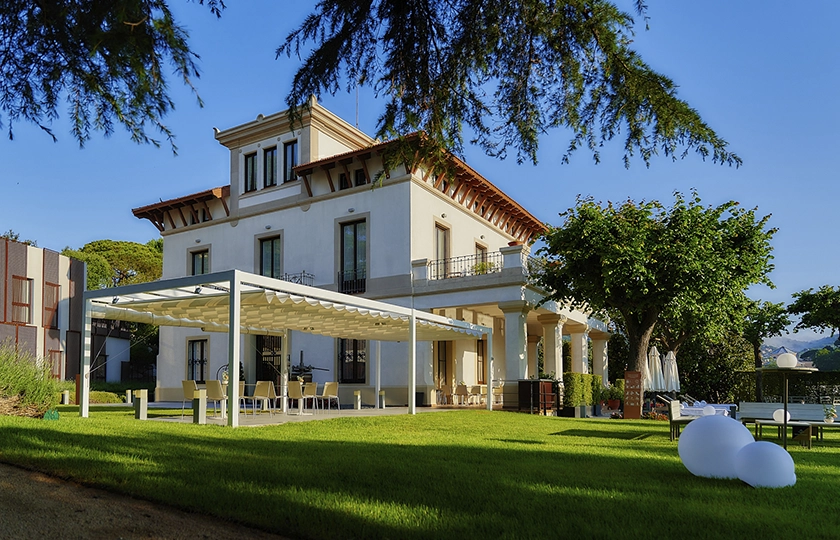
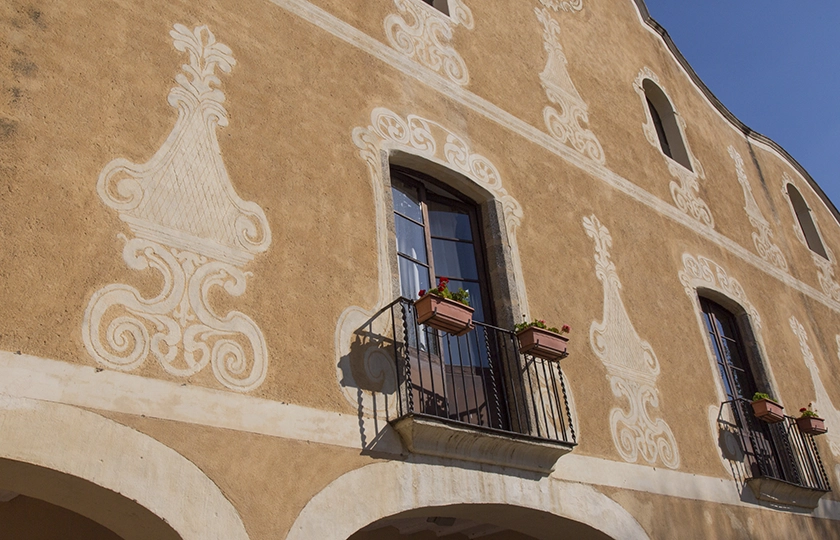
This connection between heritage and wine is also evident at Arrey Alella by Hotels CMC. The hotel is housed in Can Balcells, a mid-19th-century house known as ‘La casa xina’, which for many years served as the headquarters of Cavas Signat.
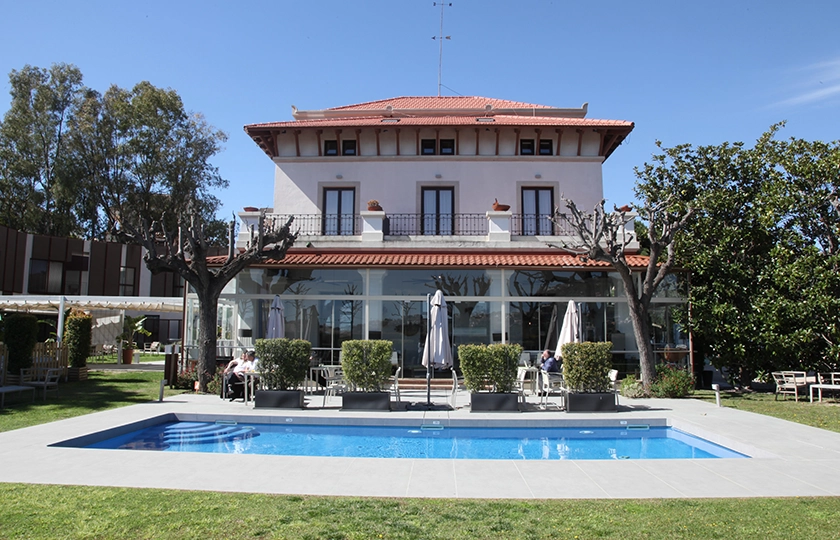
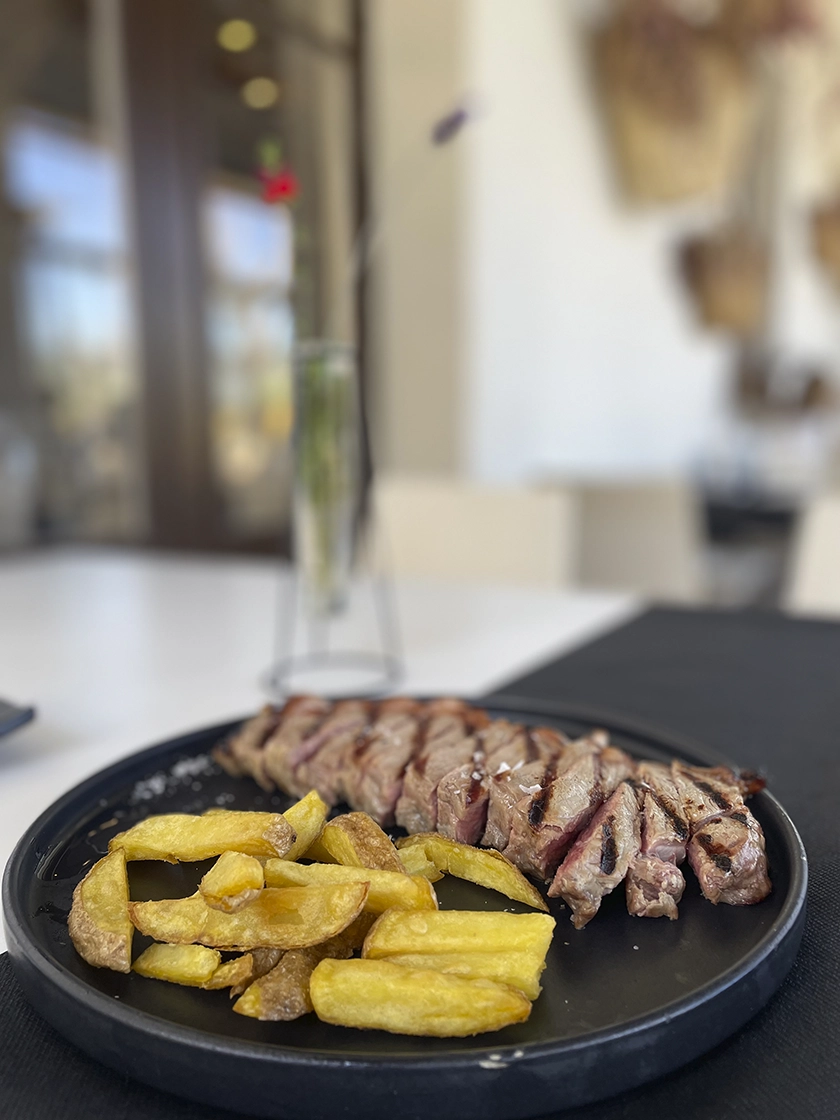
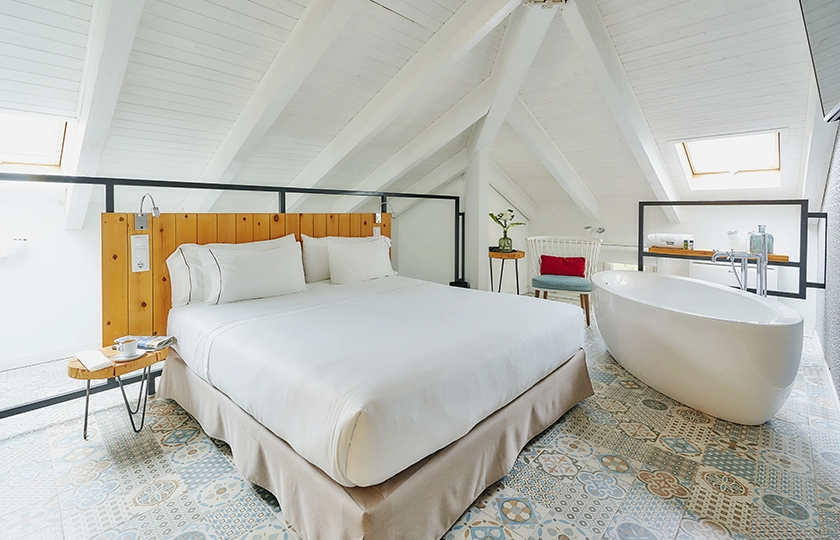
Today, the building houses the Can Balcells hotel and restaurant, combining accommodation and fine dining for a getaway centred on exploring the town. Its location makes it an ideal starting point for visiting the wineries, following the architectural trail and rounding off the day with a meal.
Just a few kilometres from Barcelona, Alella thus brings together all the ingredients needed for an autumn getaway that combines landscape, culture and gastronomy. A journey through vineyards and summer residences to discover the town’s history through its wines, streets and buildings.