

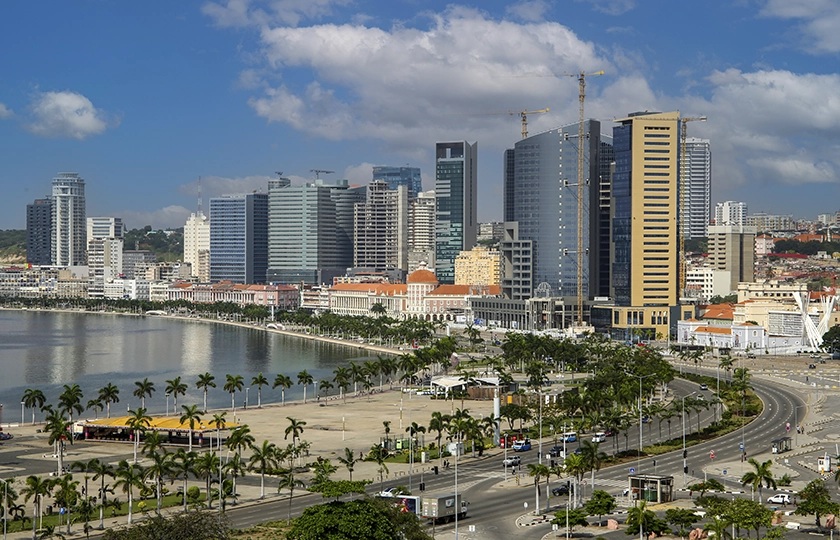
- Angola will participate for the first time in the International Tourism Fair (FITUR), from 21 to 25 January, with its own stand. Under the slogan ‘Visit Angola – The Rhythm of Life’, the country will present its new tourism brand as part of its international strategy focused on five key markets: Spain, DACH, the United Kingdom, Poland and South Africa.
- The Minister of Tourism of the Republic of Angola, Márcio de Jesus Lopes Daniel, will head the official delegation in Madrid to strengthen alliances with the sector, promote opportunities for collaboration and increase the country’s visibility in the Spanish market.
Angola is taking a decisive step in its opening up to international tourism and in its global positioning strategy with its first participation in FITUR 2026, one of the main trade fairs on the global tourism calendar. The country is coming to Madrid to present its new destination identity, ‘Visit Angola – The Rhythm of Life’, to the Spanish market, at a time marked by the relaxation of entry requirements and a roadmap aimed at improving connectivity, structuring tourism products and attracting investment.
The official delegation will be led by the Minister of Tourism of the Republic of Angola, Márcio de Jesus Lopes Daniel, accompanied by his team and a total of ten partners and strategic partners of the destination — including local and international DMCs and TAAG Angola Airlines, the country’s flag carrier — with an agenda focused on strengthening cooperation with the Spanish tourism industry, strengthening relations with tour operators and agencies, and activating new opportunities for collaboration and investment.
Spain, gateway to southern Europe
Spain occupies a priority position within Angola’s international strategy. The Spanish market is consolidating its position as a natural gateway to Europe and as a source market aligned with the country’s proposal: experienced, informed travellers with high international demand, increasingly interested in destinations that combine nature, culture and gastronomy, and with a tendency to prioritise transformative experiences in less crowded places.
In 2024, Angola welcomed 81,213 European travellers, of whom 2,426 came from Spain, a figure that places the Spanish market among the top five European source markets.
Over the last twelve months, the Angolan government has recognised the true potential of tourism as an economic driver, reinforcing its commitment to international promotion and improving access and competitiveness of the destination, which has helped to boost interest in Angola as an emerging destination and consolidate an upward trend in demand.
Tourism as a pillar of economic diversification and territorial development
The years 2024 and 2025 have marked a decisive shift in the economic strategy of the country, traditionally dependent on oil and gas, with tourism emerging as one of the priority pillars of diversification. The National Tourism Development Plan (PLANATUR), promoted by the government, has identified tourism development hubs in different regions and has set aside an investment of $3 billion to accelerate the sector’s growth.
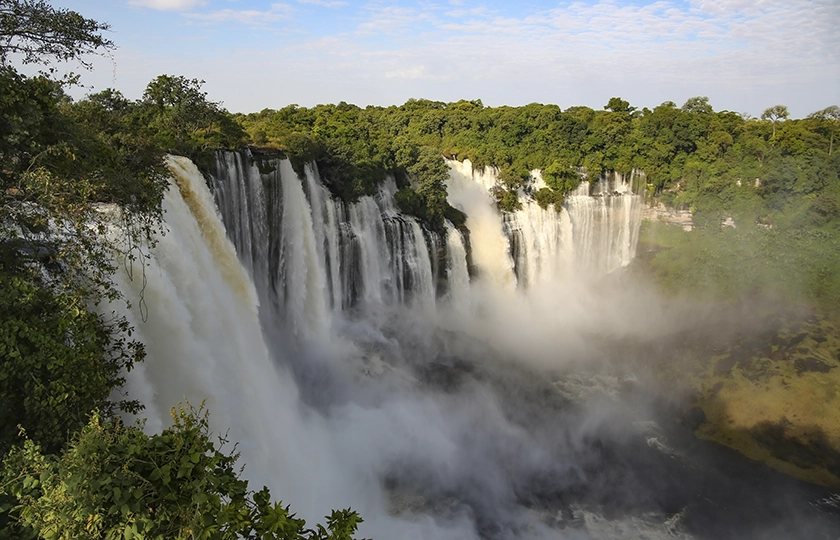
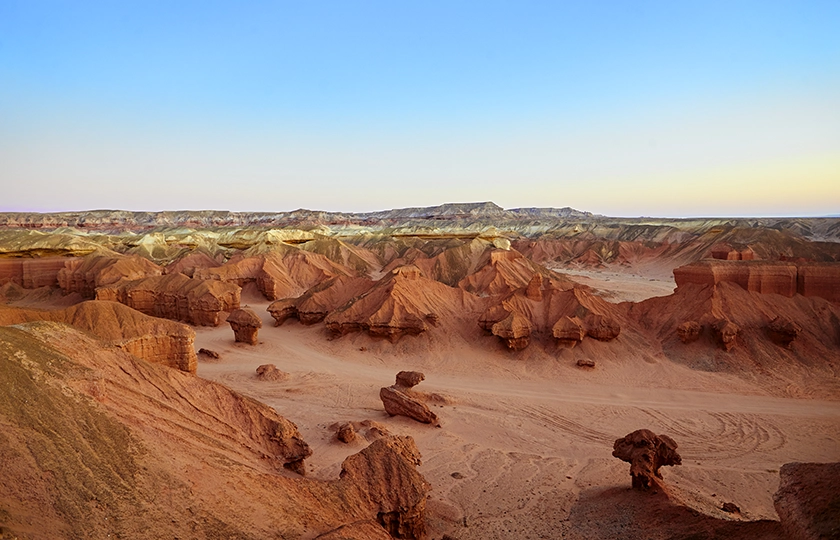
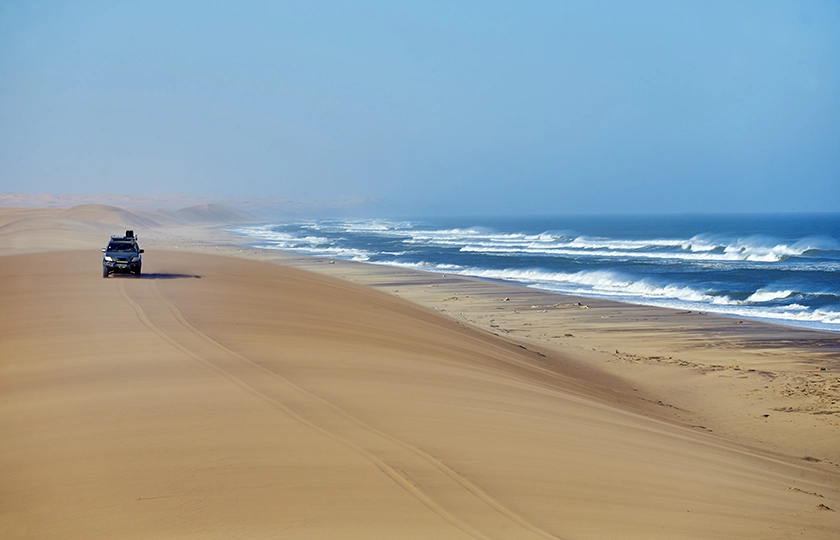
In this context, Angola presents itself as one of the last great adventures on the African continent, with a diverse and still largely unexplored offering. From the provinces of Cuando and Cubango in the south-east, the source of the great rivers that feed the Okavango Delta and with high potential for ultra-luxury safaris, to Malanje in the north, where the Kalandula Falls are a unique enclave for nature and adventure tourism. Added to this are destinations such as Namibe and Huila in the southwest, which combine desert landscapes and cultural heritage, and Benguela on the central coast, which is increasingly maturing as a destination for cultural and beach tourism.
Infrastructure, connectivity and investment: the new Angola tourism industry
‘The development of infrastructure and connectivity is playing a key role in the transformation of the country. The new Dr António Agostinho Neto International Airport, with an investment of US$2.8 billion, will put Luanda on the map of major hubs in Central and Southern Africa,’ says Márcio de Jesus Lopes Daniel, Minister of Tourism of the Republic of Angola.
Designed to replace the old Quatro de Fevereiro International Airport as the main air gateway to Luanda and the country, the new airport is located about 40 kilometres southeast of the capital’s centre and is designed to handle up to 15 million passengers a year, of which approximately 10 million will be international. The airport currently operates with international airlines such as TAAG Angola Airlines, TAP Air Portugal, Lufthansa, Emirates, Qatar Airways, Turkish Airlines, Air France, Ethiopian Airlines and Royal Air Maroc, consolidating a broad and diversified air network.
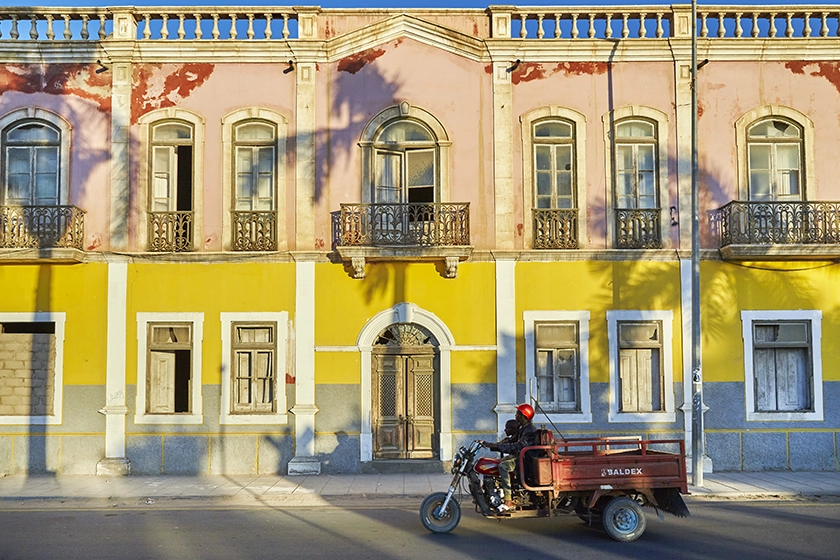
Angola has connections from Spain through major international hubs: TAP Air Portugal links different Spanish cities with Luanda via Lisbon, while Ethiopian Airlines offers connections via Addis Ababa, in addition to other options through European hubs such as Frankfurt am Main. This network facilitates access for travellers, professionals, investors and delegations from Spain.
‘Our participation in FITUR is key to opening a direct dialogue with the tourism industry and strategic partners. Improving connectivity between the two countries is essential in the medium term to facilitate the arrival of Spanish travellers,’ says Márcio de Jesus Lopes Daniel, Minister of Tourism of the Republic of Angola.
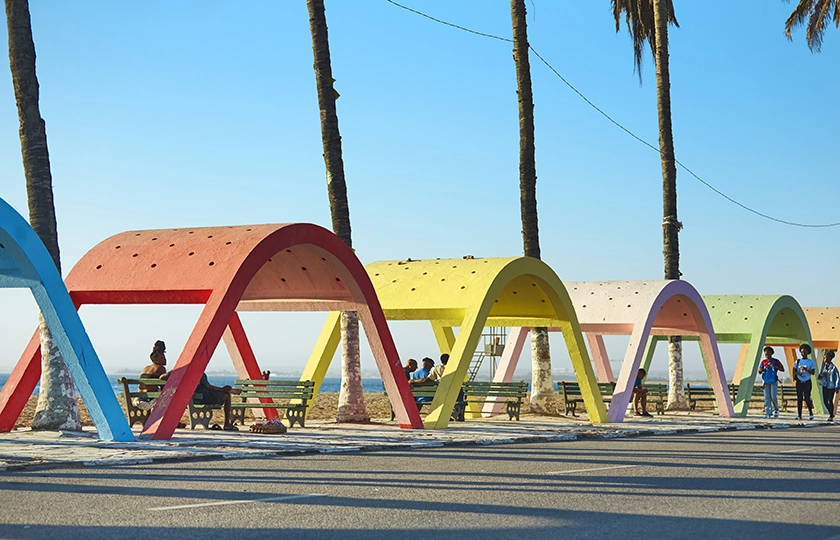
In addition to this leap in connectivity, there is a commitment to infrastructure geared towards business and event tourism, such as the future Luanda Conference Centre – with a total built area of approximately 72,000 m² – which is part of the Chicala urban regeneration project and is scheduled for completion in 2027. The country is working to accelerate its competitiveness in segments such as MICE and cruise tourism, with the aim of taking advantage of its extensive coastline and capturing part of the maritime traffic that already sails off its shores.
In addition, the announcement of hotel expansion plans in Angola confirms the attractiveness of a market with first-class natural assets and ample room for development. Among them, Hilton has announced its entry into Angola with the planned opening of several establishments in Luanda and Cabinda between 2026 and 2028. This context positions the country as one of Africa’s most dynamic emerging destinations, both for travellers and for tourism investment.
Angola’s debut at FITUR 2026 presents a unique opportunity for the Spanish market to discover a destination undergoing a complete transformation, with a narrative that combines nature, culture, adventure and investment, and with the clear ambition of occupying a prominent place on the international tourism map.
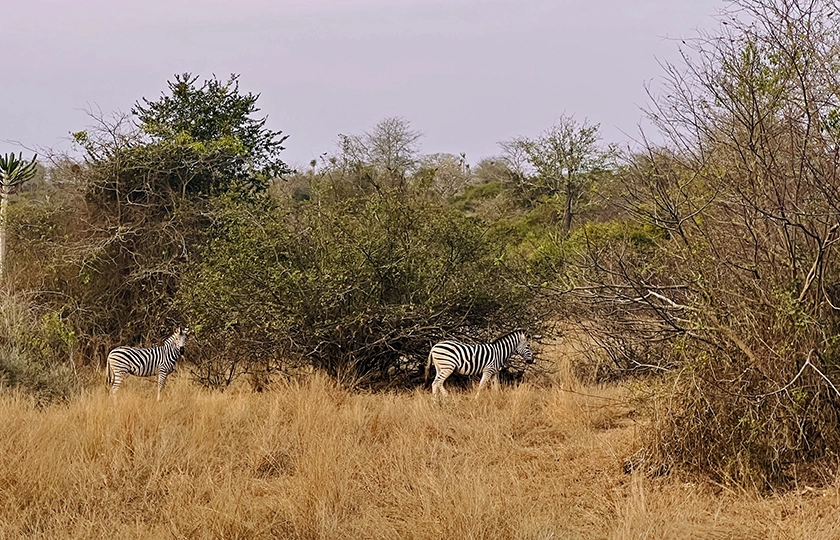
About ANGOLA
Angola is one of the last great adventures to be discovered on the planet: a hidden gem in south-west Africa that surprises visitors with its unspoilt nature, cultural diversity and extraordinarily rich landscape. The seventh largest country on the continent offers scenery ranging from tropical rainforests to endless deserts, marked both by the legacy of the Kingdom of Kongo and the influence of Portuguese colonial history.
Its capital, Luanda, is the gateway to the Atlantic and a true melting pot of African, Portuguese and indigenous influences, where music, dance and cosmopolitan energy beat strongly. Under the slogan ‘Visit Angola – The Rhythm of Life’, the country presents itself as an authentic destination for explorers and lovers of nature and culture who seek to discover a different, genuine and rhythmic Africa.
Source: KLEBER GROUP