

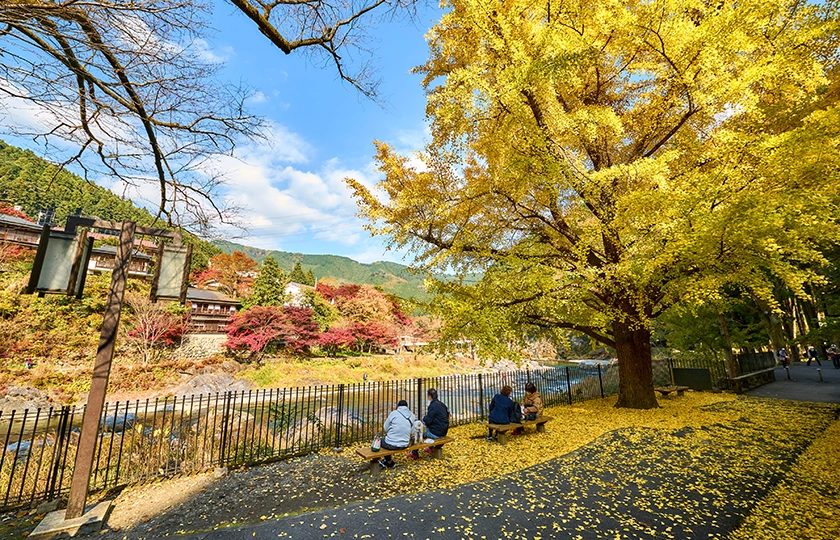
- During autumn, the Japanese capital offers a wide variety of floral landscapes, from delicate hagi to colourful fields of cosmos and traditional chrysanthemums.
- Historic gardens such as Mukojima-Hyakkaen and large green spaces such as Showa Kinen Park become some of the best places to discover Tokyo’s most floral side during this season.
After the summer, Tokyo, the cosmopolitan city that embraces both tradition and modernity, offers one of its most stunning natural spectacles. Although spring and the cherry blossom season are world-renowned, autumn also transforms the Japanese capital into a vibrant tapestry of colour thanks to the flowering of species such as hagi, cosmos and chrysanthemums.
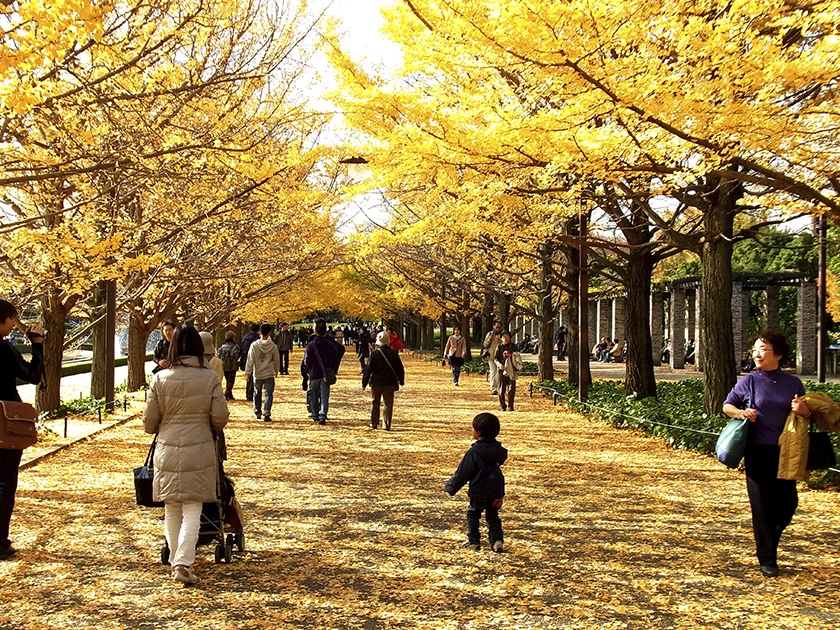
Parks, historic gardens and natural spaces scattered throughout the city allow visitors to discover a different side to Tokyo and enjoy the beauty of the changing seasons that characterise the country.
Hagi, the star of early autumn
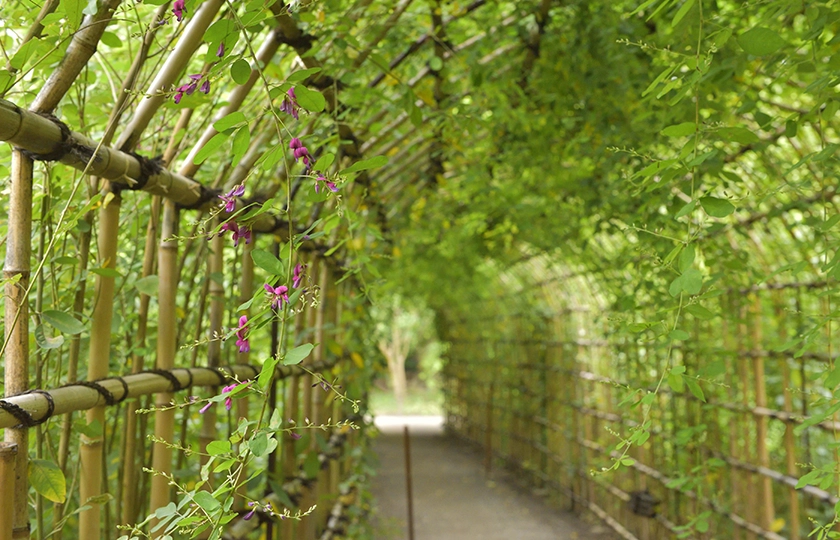
Among the flowers heralding the arrival of autumn, hagi stands out – the Japanese name for bush clover, a plant of the legume family. It forms part of Japan’s so-called ‘seven autumn flowers’, a group of species traditionally associated with this time of year and which reflect Japanese culture’s close connection with the changing seasons.
One of the most unique places to see it is the historic Mukojima-Hyakkaen Garden, with over 200 years of history, situated in the eastern part of Tokyo. Every September, it grows over a 30-metre-long bamboo structure, forming a spectacular tunnel that allows visitors to literally walk amongst its flowers. The garden also hosts the Hagi Matsuri festival, which in 2026 will take place from 19 September to 12 October, making the garden one of the key destinations for enjoying this autumnal flower.
A sea of cosmos at Showa Kinen Park
Covering an area of around 180 hectares and boasting over 800 varieties of flowers and plants, Showa Kinen Park offers a variety of landscapes throughout the year, although these months are particularly spectacular.
One of its major attractions is the Cosmos Festival, which in 2026 will take place from 12 September to 25 October. During these weeks, over four million cosmos of different varieties cover the park’s fields in shades of pink, white, yellow and orange. Among them are the well-known ‘Sensation’ variety, with its pink hues, and other varieties such as the yellow ‘Lemon Bright’ cosmos.
As well as cosmos, the park offers visitors the chance to discover other species typical of the season, such as red spider lilies, dahlias and osmanthus, whose fragrance begins to fill the air between late September and mid-October.
The chrysanthemum, a flower closely linked to Japanese culture
Whilst the sakura is one of the great symbols of Japanese spring, the chrysanthemum holds a prominent place amongst autumn’s flowers. Its cultural significance in Japan dates back centuries and remains evident in gardens, festivals and traditional celebrations.
One of the best places to discover it is Takahata Fudoson Kongoji Temple, in west Tokyo, which hosts the Takahata Fudoson Chrysanthemum Festival every autumn. The event – which this year will take place from 26 October to 17 November – showcases the Tama region, featuring giant chrysanthemums, bonsai, cascading blooms and cut specimens.
Autumn is also a time to visit museums
This year, for the first time, Tokyo will host the Autumn Night Museum, an initiative which, from 5 to 27 November, will extend the opening hours of six museums and cultural venues until 8.00 pm: the Edo-Tokyo Metropolitan Museum, the Tokyo Metropolitan Art Museum, the Teien Tokyo Metropolitan Art Museum, the Tokyo Metropolitan Museum of Photography, the Tokyo Museum of Contemporary Art and the Tokyo Shibuya Ko-dori Gallery.
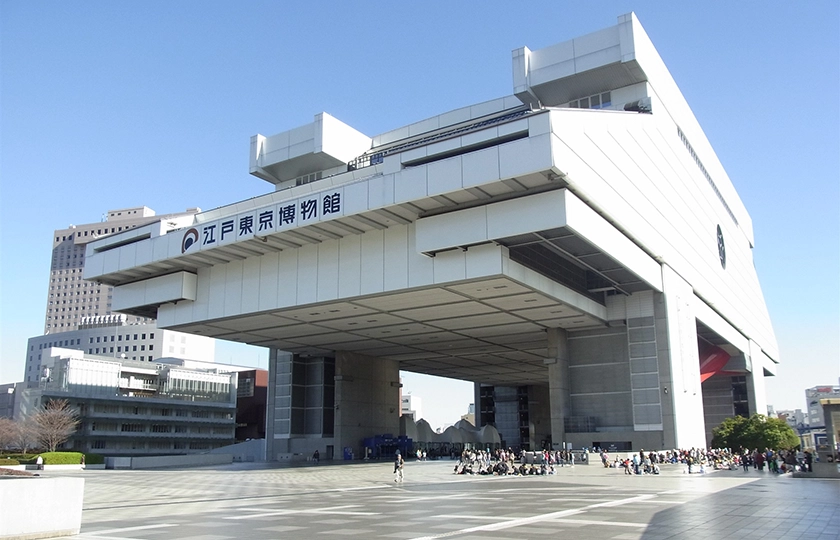
In addition, special rates will be offered, and, in some cases, free admission for students from 5.00 pm.
Autumn in Tokyo offers a unique blend of nature, tradition, and culture: from strolling amongst hagi flowers in a historic garden to admiring millions of cosmos flowers in a large park, or rounding off the day by enjoying art in one of its museums.
Source: REAL MARKETING Y COMUNICACIÓN