
- Two years of collaboration bear fruit.
- STEM education for children and young people in around 2,900 schools.
- More than 10,000 teachers trained.
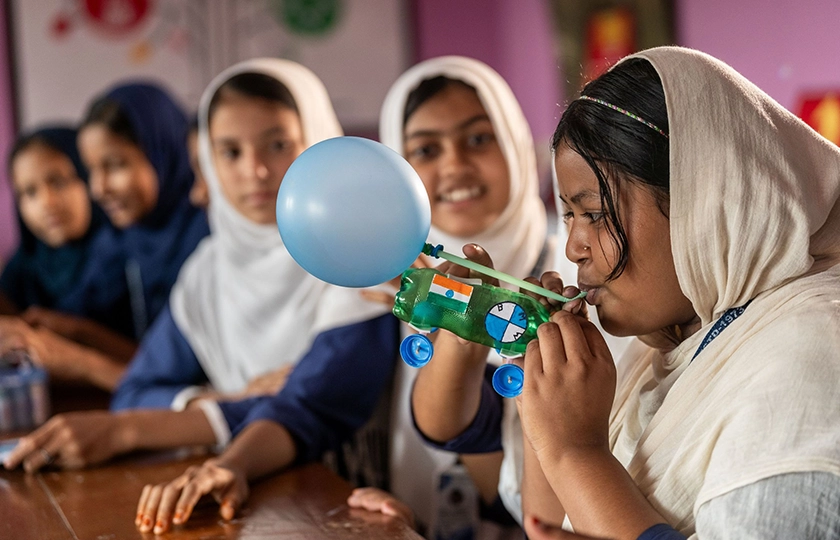
On the occasion of World Education Day on 24 January, the BMW Group and UNICEF announced the achievements of their global partnership. In just two years, ‘BRIDGE. Educating young people today for tomorrow’ has reached around 330,000 children and young people in approximately 2,900 schools in India, Thailand, Brazil, Mexico and South Africa, all countries where the BMW Group has production facilities. More than 10,000 teachers have received specialised training in STEM (science, technology, engineering and mathematics).
The educational initiative goes beyond the classroom
BRIDGE’s educational programmes are country-specific and tailored to each region. Currently, some 2.7 million children and young people already benefit indirectly from the high-quality learning opportunities it offers and the structural improvements to their education systems. BRIDGE’s impact extends far beyond the classroom to families, local communities and entire regions.
Joining forces for a future of self-determination
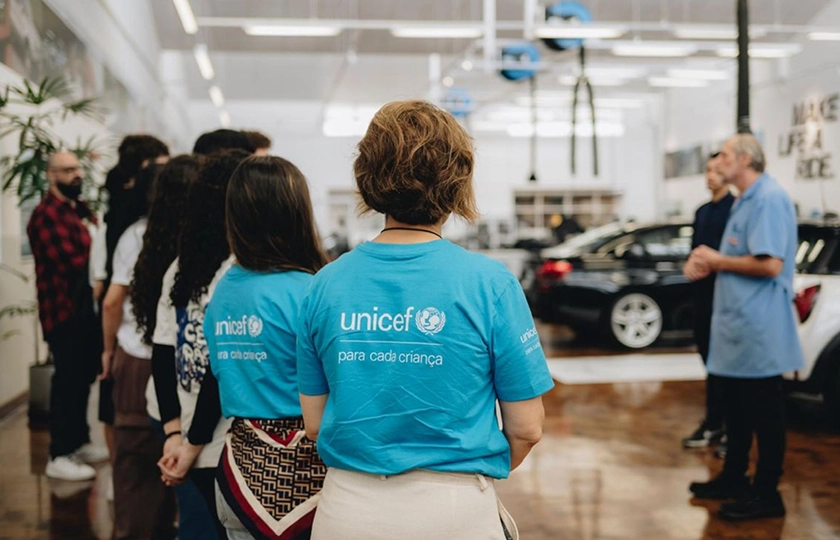
“Our partnership with UNICEF is impressive proof of what can happen when two strong partners join forces. In an increasingly complex world, no one can drive change alone: the only way to make a real impact is together. Our partnership offers children and young people around the world a real opportunity to access education and, with it, the possibility of a better future. By focusing on STEM subjects, we are specifically promoting the skills that are essential for tomorrow and building bridges to self-determined development,” says Ilka Horstmeier, Member of the Board of Management of BMW AG.
Long-lasting partnerships strengthen social participation
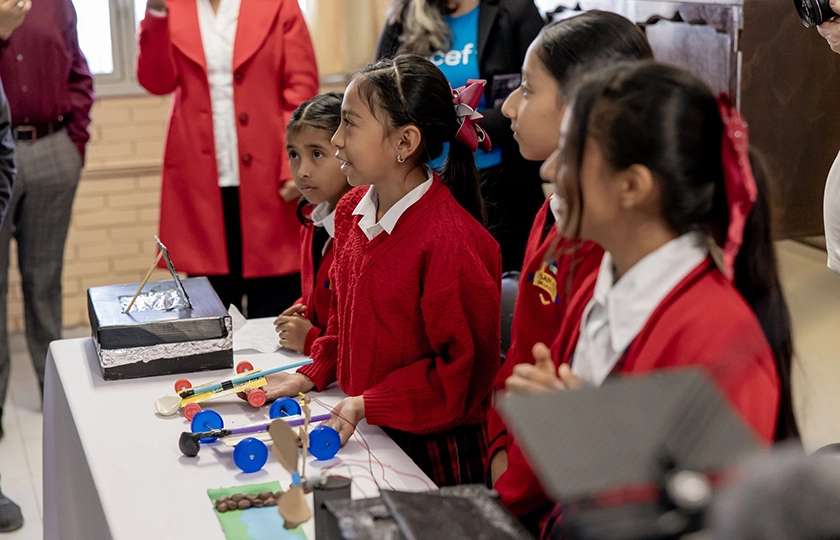
UNICEF also emphasises the power of collaboration: “Young people are the most powerful drivers of success in any society or community. By empowering them, we are making a long-term investment in a sustainable future for all. Our partnership with the BMW Group demonstrates how effective long-term collaborations between UNICEF and businesses can pave the way to employment for young people around the world, enabling them to participate fully in social and economic life,” says Georg Graf Waldersee, Chairman of the Board of UNICEF Germany.
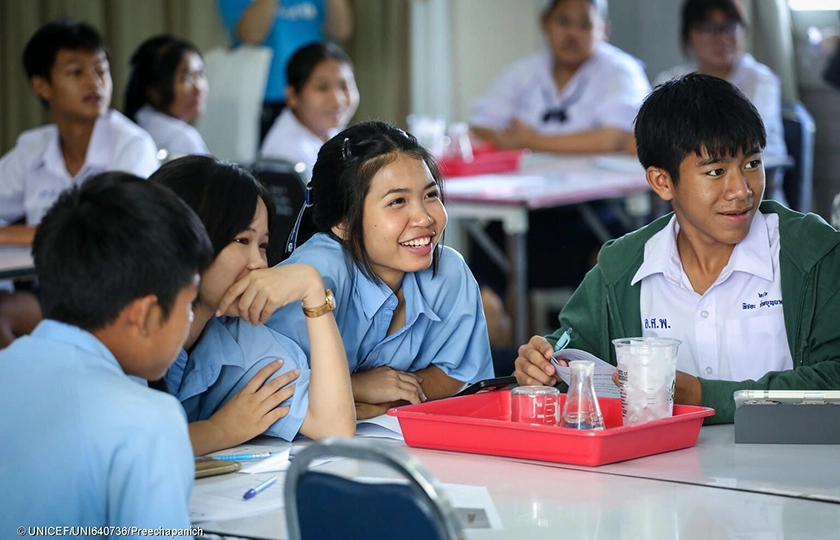
Bridging the education gap: empowering tomorrow's specialists
Knowledge in science, technology, engineering and mathematics (STEM) is the foundation of technological innovation, economic growth and social progress. However, in many countries, access to the necessary education remains limited, widening the gaps in skills and specialisations. BRIDGE tackles this issue at its root, closing educational gaps and equipping children and young people with the knowledge they need to enter tomorrow’s digital workforce.
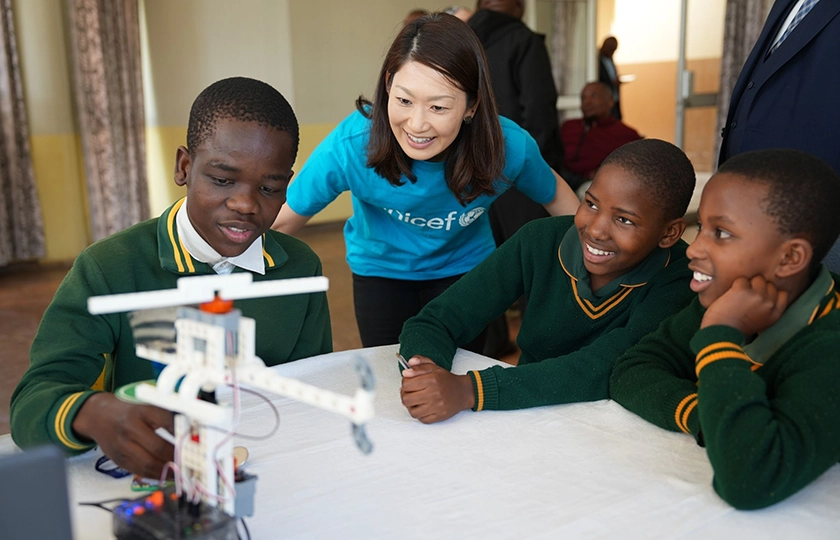
Regional educational programmes support disadvantaged children
Developed in close collaboration with education authorities in the five participating countries, the programme content is tailored to national and regional needs, with specific areas of focus for each setting. Emphasis is placed on supporting disadvantaged children and young people, particularly girls.
- In Mexico, the focus is on promoting gender-sensitive STEM education, with a particular emphasis on empowering girls from rural and disadvantaged communities.
- In Brazil, STEM education is combined with life project counselling to help prevent children and young people from dropping out of school and to offer online learning options that facilitate access to education.
- In Thailand, the programme works to improve the quality of STEM education and ensure opportunities for individualised support for disadvantaged young people.
- In India, efforts focus on strengthening basic literacy and numeracy and expanding practice-oriented STEM courses and maker spaces.
- In South Africa, BRIDGE equips disadvantaged schools with technology and integrates programming and robotics into the curriculum to help prepare children and young people for the digital world of work.
Clear objectives, lasting impact
The BMW Group is committed to establishing long-term partnerships that focus on impact and have clearly defined objectives. From the outset, BRIDGE was designed to run for at least seven years, until 2030. Together with UNICEF, the BMW Group aims to build on the success achieved so far and create lasting educational opportunities for children and young people around the world.
* UNICEF does not endorse any company, brand, product or service.
About the BMW Group
With its four brands BMW, MINI, Rolls-Royce and BMW Motorrad, the BMW Group is the world’s leading premium manufacturer of automobiles and motorcycles and also provides top-class financial and IT services. The BMW Group’s production network comprises more than 30 production facilities across the globe; the company has a global sales network in over 140 countries.
In 2024, the BMW Group sold more than 2.45 million passenger cars and more than 210,000 motorcycles worldwide. Profit before tax in the 2024 financial year was €11 billion, with revenues amounting to €142.4 billion. As of 31 December 2024, the BMW Group had a workforce of 159,104 employees.
The BMW Group’s economic success has always been based on a long-term vision and responsible action. Sustainability is a key element of the BMW Group’s corporate strategy and encompasses all products, from the supply chain and production to the end of their useful life.
Source: BMW GROUP Press Club