

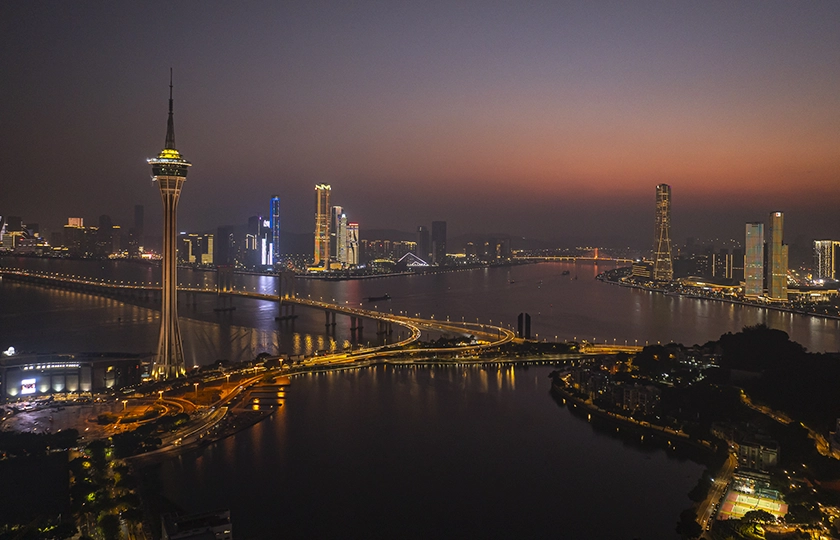
A UNESCO World Heritage Site, a cuisine born at the crossroads of continents, neighbourhoods with their own distinct character and new cultural experiences reveal a destination shaped by the meeting of China and Portugal.
After more than 400 years of exchange between China and Portugal, Macau has become one of Asia’s most distinctive cultural destinations. Its historic centre, recognised by UNESCO, its cuisine born of the meeting of continents, and a constantly evolving cultural scene reveal a unique identity, where East and West coexist naturally.
As well as its unique identity, Macao stands out for its accessibility within Asia. Situated in the Greater Bay Area and connected to Hong Kong by ferries and the Hong Kong–Zhuhai–Macao Bridge, it can easily be incorporated into an itinerary through southern China. Once there, travellers can discover a compact destination where historic temples and squares, markets, museums and creative neighbourhoods can be explored on foot, revealing a cultural blend visible at every turn. Travelling to Macao means discovering a destination where East and West form part of the same experience.
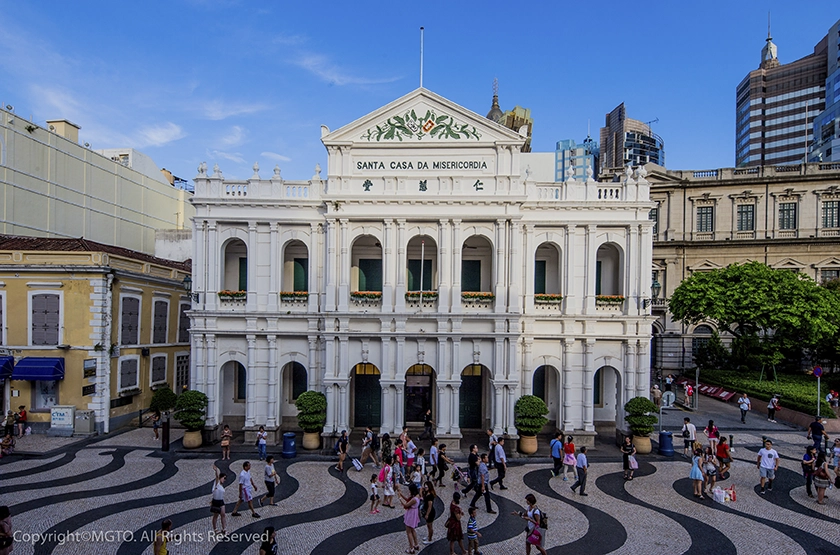
The legacy of China and Portugal: Chinese temples alongside centuries-old churches
In Macao, this blend is part of the everyday landscape. The Historic Centre of Macao, inscribed on the UNESCO World Heritage List in 2005, comprises more than 20 buildings and public spaces that tell the story of one of the earliest and most enduring encounters between China and the West. It can be explored on foot amongst Portuguese calçada pavements, narrow Chinese-style alleyways, quiet courtyards and pastel-coloured façades.
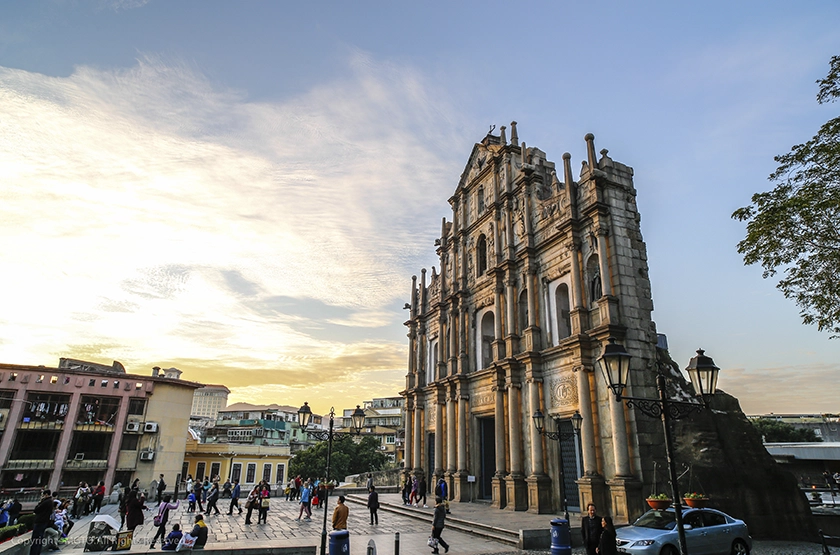
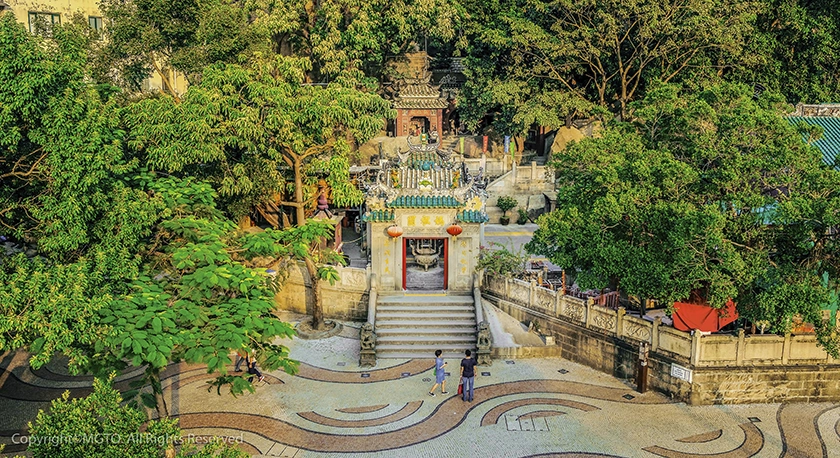
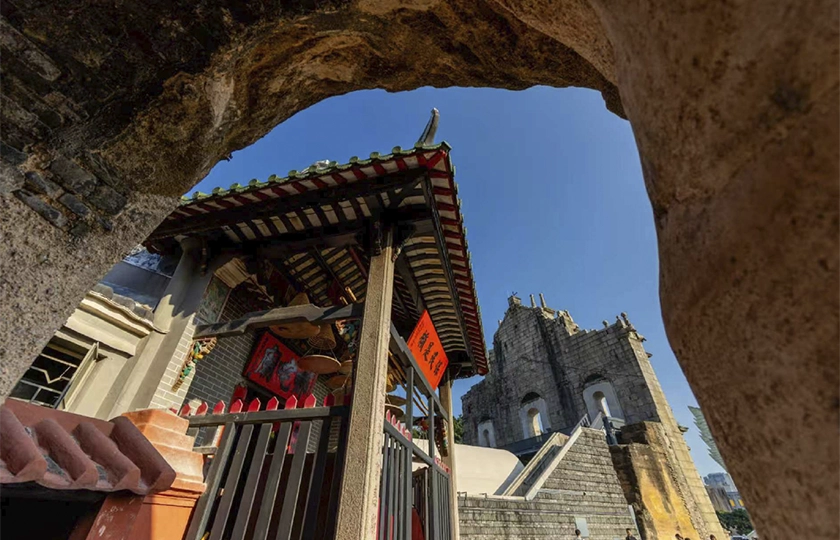
Few places encapsulate this identity better than the Ruins of St Paul’s and the Taoist temple of Na Tcha: the façade of the former Mater Dei Church stands alongside a Chinese temple dating from 1888. This coexistence is also evident at the A-Ma Temple, which predates the city’s foundation; the Senate Square, with its neoclassical architecture; the Mandarin’s House, where Chinese residential tradition incorporates Western influences; and the Church of St Augustine, founded by Spanish Augustinians in 1591. Together, they form a cultural landscape all of its own.
One of the world’s first fusion cuisines
Along the ancient maritime routes, Chinese and Portuguese techniques blended with spices and ingredients from Africa, India and South-East Asia. Thus Macanese cuisine was born, considered one of the world’s earliest fusion cuisines and still passed down through family recipes. This heritage contributed to Macau being designated a UNESCO Creative City of Gastronomy in 2017.
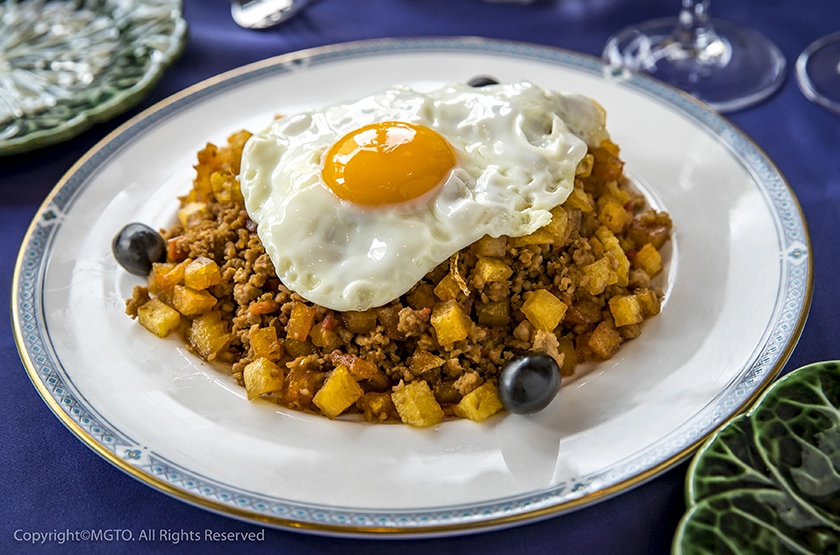
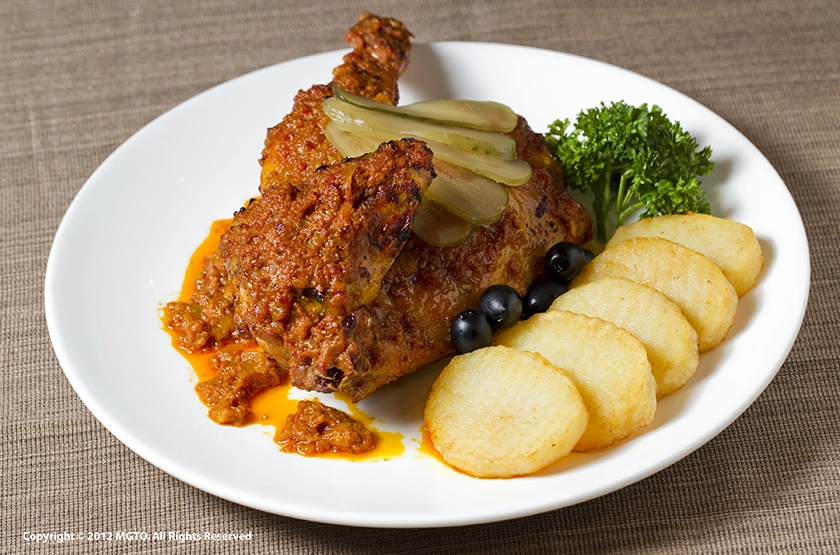
Minchi, made with minced meat, potato and soya sauce, is one of the most representative dishes of Macao’s everyday cuisine. Galinha africana combines chicken, spices, chilli and coconut, a legacy of the ports along the Portuguese trade route. Alongside these, Cantonese dim sum, Portuguese cuisine and pastéis de nata (with a slightly different twist to the originals from Portugal) coexist. The experience can begin at a market, continue at a family-run eatery and end at a fine-dining table; workshops and demonstrations also offer the chance to discover ingredients and techniques first-hand. Here, eating is a direct way of understanding the destination.
Beyond the monuments: creative neighbourhoods, beaches and Cantonese opera
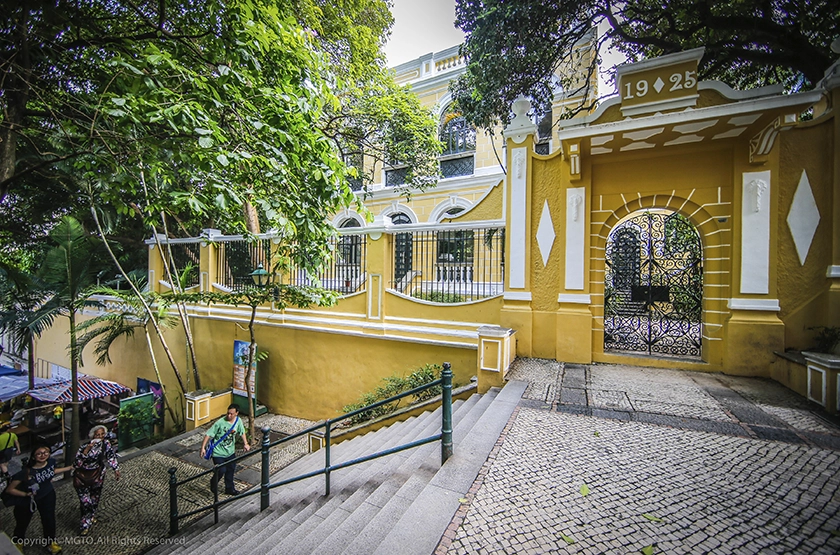
Macau’s everyday life is revealed when you step away from the major monuments. In the San Lázaro neighbourhood, old Portuguese-style houses are home to workshops, galleries and cultural venues. 10 Fantasia is a creative industries incubator dedicated to promoting local artists; just a short walk away, the SCM Hostel occupies two century-old Portuguese buildings set around a courtyard shaded by old camphor trees and hosts exhibitions and events. Amidst historic façades, art and quiet cafés, the neighbourhood brings travellers closer to the local creative scene.
In Coloane, the southernmost part of Macao, the urban landscape gives way to greenery and the sea. Footpaths leading to natural viewpoints, coastal cycle routes and beaches such as Cheoc Van and Hác Sá offer an unexpected glimpse of Macao. Walking, cycling or dining by the water allows you to discover the destination at a more leisurely pace.
Everyday life in Macao can also be heard in Yueju opera, or Cantonese opera, a tradition shared with the communities of Guangzhou, Guangxi and Hong Kong, and inscribed by UNESCO in 2009 on the Representative List of the Intangible Cultural Heritage of Humanity. Its voices, gestures and costumes keep this heritage alive on the territory’s cultural scene.
Celebrations all year round: entertainment, festivals and major events
Macao lives to the rhythm of an events calendar that combines tradition, culture and international shows. Food festivals, celebrations linked to the Chinese calendar, sporting competitions and major outdoor events make the city a dynamic destination all year round.
Among its most iconic events is the 34th edition of the popular Macau International Fireworks Competition, which takes place between September and October and brings together teams from different countries to light up the city’s sky with displays synchronised to music. The 2026 edition, which begins on 12 September, will also feature drone displays for the first time.
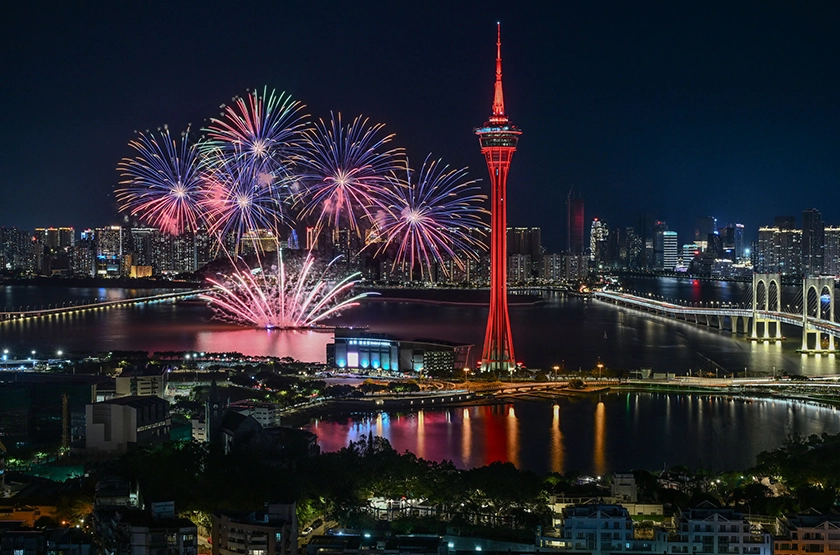
The annual programme also includes the Macao International Parade, the Macao International Marathon, the international light art event ‘Light up Macao’, as well as concerts, food festivals and traditional celebrations.
A must-see on any trip to Asia: a destination with a unique identity that’s easy to fit into your itinerary
Macao offers a different perspective on Asia. In contrast to the hustle and bustle of the region’s major cities, it invites you to discover a city that combines heritage, gastronomy, culture and leisure on an intimate scale that’s easy to explore. In a single day, you can stroll through a UNESCO-recognised historic centre, sample cuisine influenced by various continents, explore creative neighbourhoods and relax by the sea.
Its strategic location also makes it a natural addition to any itinerary through southern China. With direct ferry and road links to Hong Kong, as well as overland access to Guangdong Province, Macau can be enjoyed either as a short break or as part of a wider tour of the region.
Its proximity might suggest a brief visit, but taking the time to explore it allows you to discover a city of contrasts where centuries-old temples and churches coexist alongside local traditions and new cultural offerings. When combined with Hong Kong or China, Macao offers a unique experience: it brings its own history, a different pace and one of Asia’s most distinctive cultural identities.
Source: NEWLINK GROUP