Anyone who doesn’t visit the Czech Republic simply because they’ve already been to Prague is missing out on the wide and varied attractions of other regions, such as Hradec Králové, where culture, nature and history are evident in every corner. This autumn, we suggest an escape away from the crowds, where the traveller takes centre stage.
The autumn season enhances that aura of mystery that envelops Czech cities and landscapes. Although Prague captivates visitors at this time of year with its myriad cultural offerings, the ideal way to round off your getaway is with a visit to the region of Hradec Králové, which can be reached in just over an hour. Its compact size, similar to that of La Rioja, works in the traveller’s favour, as the region offers a wide variety of attractions spread across its territory. You could even consider staying overnight in the regional capital, with its lively nightlife, to go on day trips without having to move your luggage.
A three-day break offers the chance to pack in a range of experiences that will turn this trip ‘beyond Prague’ into a memorable experience. How can you do this? By including the following visits in your itinerary.
Hradec Králové, the capital
The regional capital, Hradec Králové, is a pleasant, peaceful city, the sort that invites you to stroll through its streets and squares. Its name, which could be translated as ‘the queen’s castle’, stems from the fact that it was a ‘dowry town’ of the Bohemian Crown – that is, one of the royal estates set aside for the maintenance and residence of queen consorts or widows.
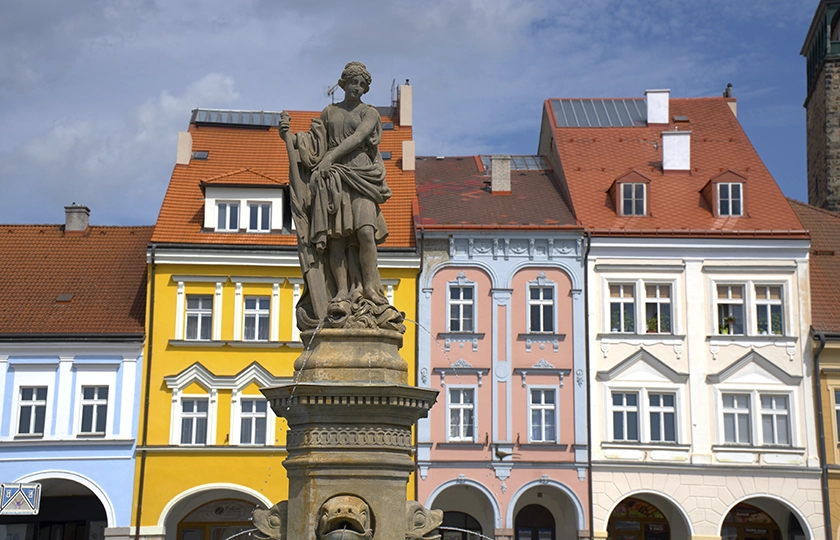
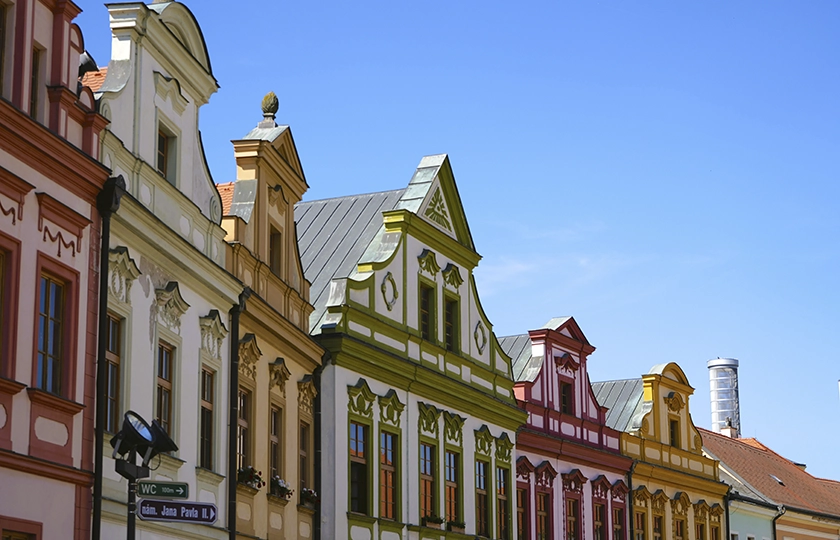
That city, where the monarch Isabella Riquilda – twice queen consort of Bohemia and Poland – resided in the 14th century, has changed considerably, but many of its monuments surely bore witness to her strolls. The best way to see this for yourself is to set off on foot to explore its historic squares, lined with beautiful pastel-coloured façades, churches that resemble cathedrals, museums and parks with more than one surprise in store.
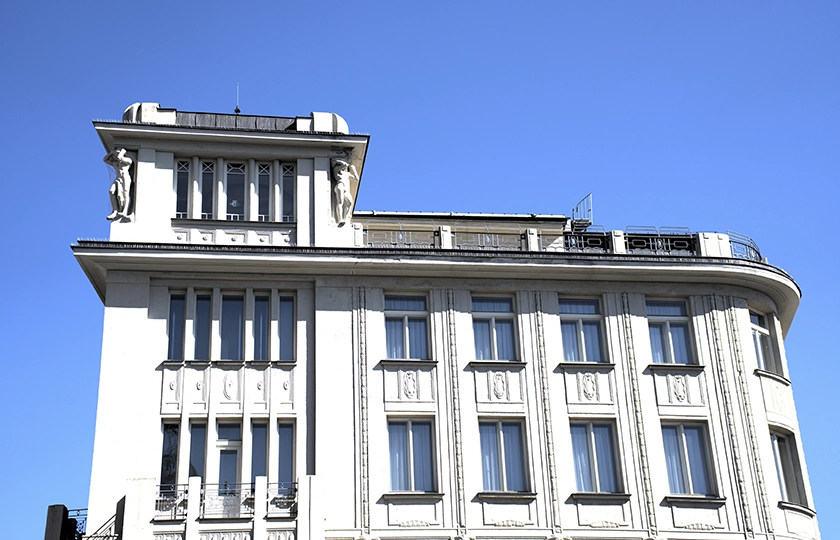
As you stroll, pay particular attention to the work of great architects such as Jan Kotěra and Josef Gočár from the early 20th century. The Modernist and Functionalist buildings they designed are now an integral part of the historic centre. That work, which made the city a key reference point for understanding modern Czech architecture, earned it the nickname ‘Salon of the Republic’ or ‘Open-air Architecture Handbook’.
Some unmissable sights
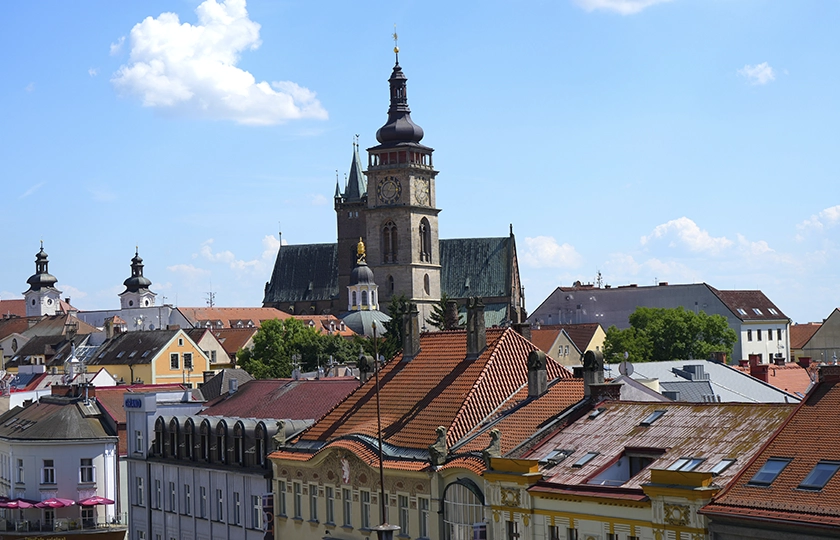
Great Square (Velké náměstí). At the heart of this square, the true epicentre of the city, there are a number of places of interest, such as the Cathedral of the Holy Spirit, which stands out for its red-brick façade – a rarity in medieval Bohemian architecture. Inside, it houses a pewter baptismal font dating from 1406, one of the oldest in the country.
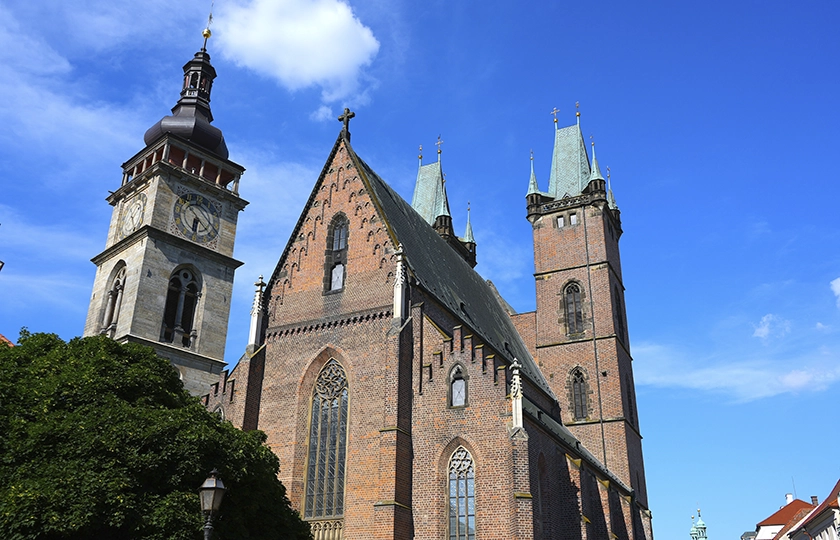
Next to it, the Renaissance White Tower stands 72 metres tall and, after climbing more than 200 steps, offers one of the best views of the city. Nearby are the Canons’ Houses, seven Renaissance-era dwellings rebuilt in the Baroque style, which form one of the city’s most photogenic spots. The square is completed by the Old Town Hall, the Špulák House (with the ‘Touch of Ancient Times’ gallery), the Church of the Assumption of the Virgin Mary and the Plague Column.
A curious feature is the Bono Publico, a covered staircase linking the town centre with the River Orlice, featuring background music where passers-by can choose from five different tunes.
Jirásek Gardens (Jiráskovy sady). This historic and romantic city park, situated at the confluence of the Elbe and Orlice rivers, is ideal for relaxing after the hustle and bustle of sightseeing. The most striking features within the park are its landscape design, its beautiful rose garden and the 16th-century wooden Orthodox Church of St Nicholas, which was moved from Slovakia in 1935 to save it from Soviet destruction. Today it serves as a memorial to Czech soldiers who fell in the First World War.
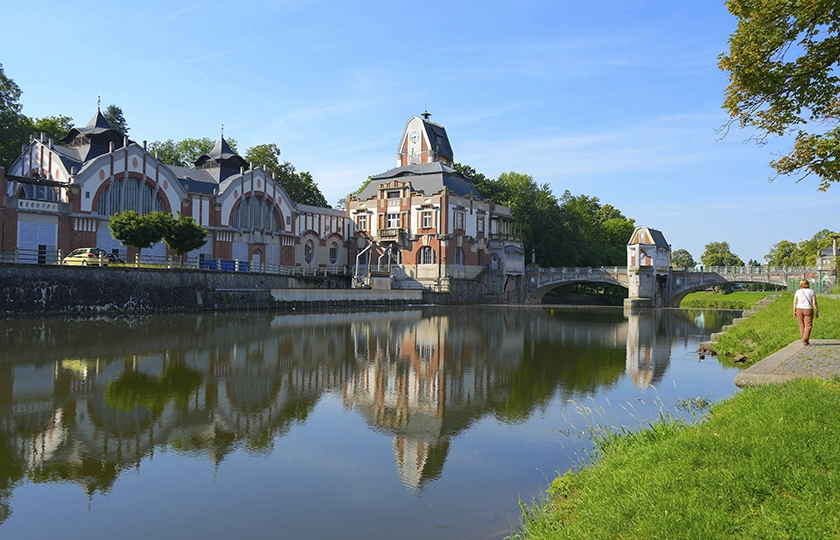
Another must-see in the gardens is the Hučák hydroelectric power station, designed by the architect František Sander in the Art Nouveau style at the start of the 20th century and which continues to supply electricity. It houses the Renewable Energy Information Centre.
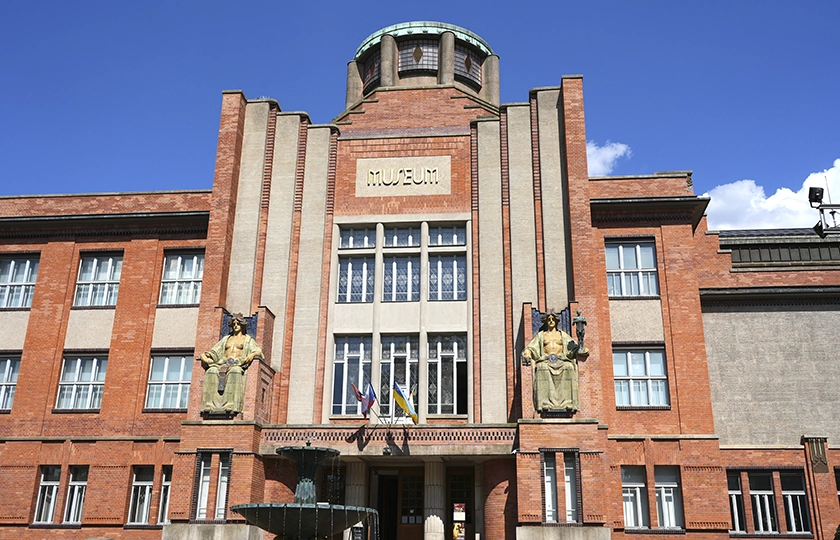
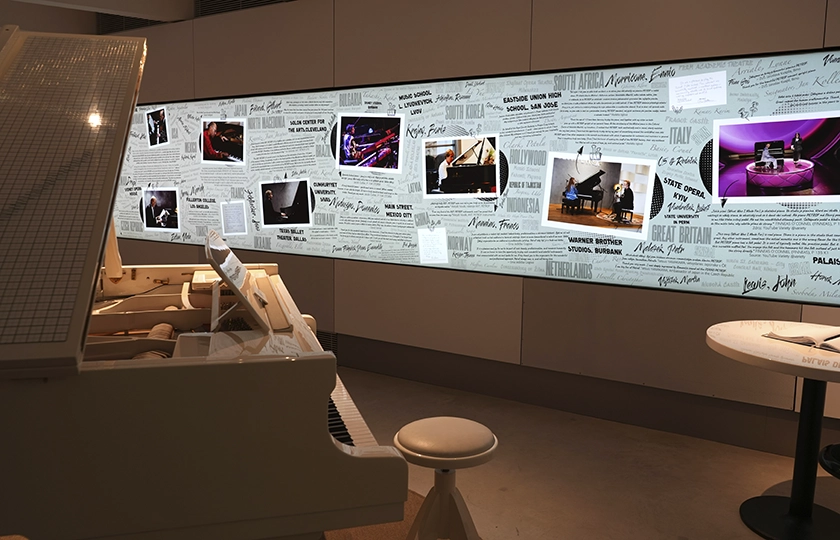
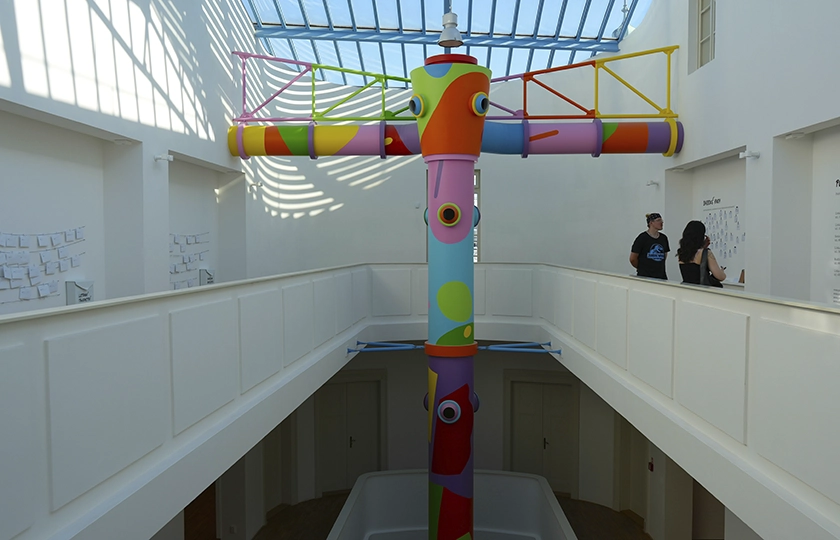
A city of culture. Among its wide range of cultural attractions, the following venues are particularly worth visiting. The East Bohemian Museum, designed by Kotěra, which houses numerous artefacts from the fields of archaeology, history and the natural sciences. The PETROF Museum, which pays tribute to the historic piano factory founded in the city in 1864, now run by the fifth generation of the family. The Gallery of Modern Art, housed in a building dating from 1912, which showcases Czech art from the 20th and 21st centuries and features a pleasant panoramic terrace. And the Klicpera Theatre, which serves as a reminder that Hradec Králové was one of the centres of the Czech National Revival in the 19th century, with the playwright Václav Kliment Klicpera as a leading figure.
If time permits, a boat trip along the Elbe is also recommended to see a different side of the city, including the beautiful hydroelectric power station.
Prachov Rocks
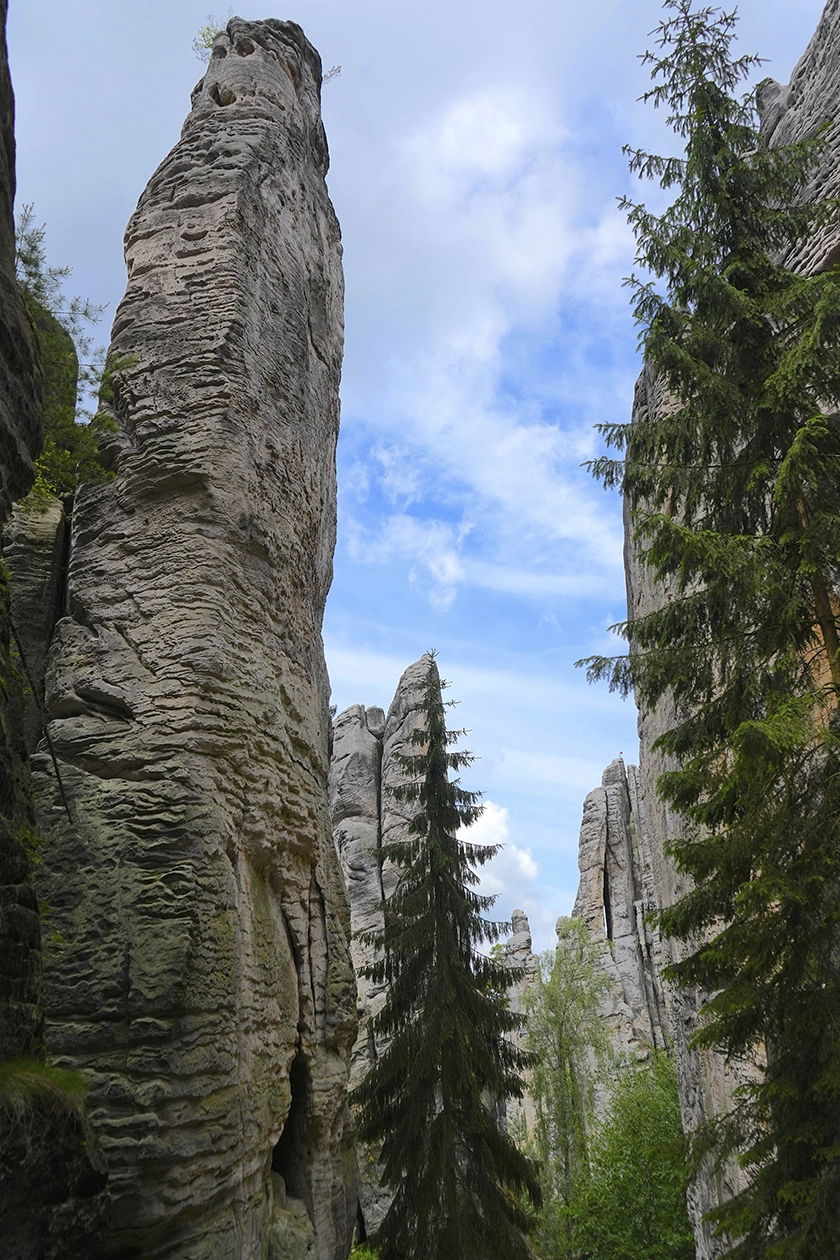
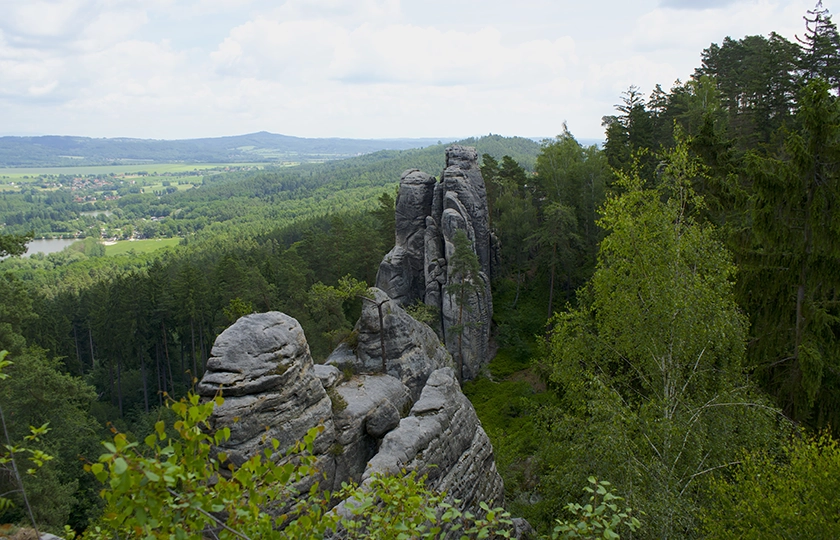
Just over 50 kilometres from Hradec Králové lie the Prachov Rocks (Prachovské skály), which form part of the Czech Paradise National Park. This is one of the most spectacular landscapes in the north-east of the country, as well as the only Czech natural site to be part of the UNESCO Global Geoparks Network.
This stunning landscape began to form around 100 million years ago, when the ocean covered this part of Europe and deposited layers of sand on its seabed, which eventually compacted into blocks of sandstone. After the sea receded, volcanic activity fractured these blocks, and millions of years of erosion gave them their current appearance, with rock formations reaching heights of up to 40 metres in places.
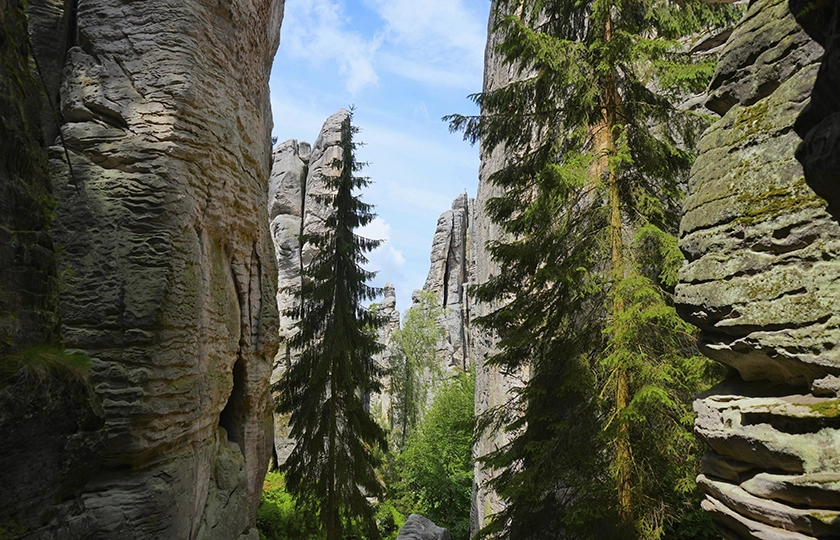
One of the keys to its popularity is the balance between beauty and effort: the trails are suitable for everyone, with little elevation gain, and surprises await from the very start. The site offers three routes ranging from 1.5 to 3.5 kilometres. It is also possible to combine them, and there is a path suitable for pushing a pushchair.
Among the highlights is the Imperial Corridor (Císařská chodba), a narrow passageway of steps flanked by imposing stone walls, named in honour of Emperor Francis I. Equally striking is the Myší díra, or ‘mouse hole’, a passage so narrow that you have to hold your breath to get through.
A stop for a bite to eat and/or a night’s stay
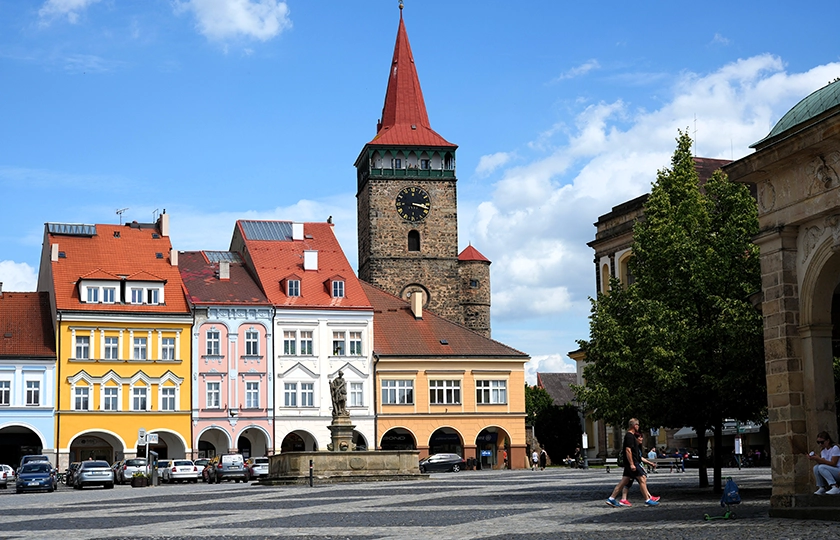
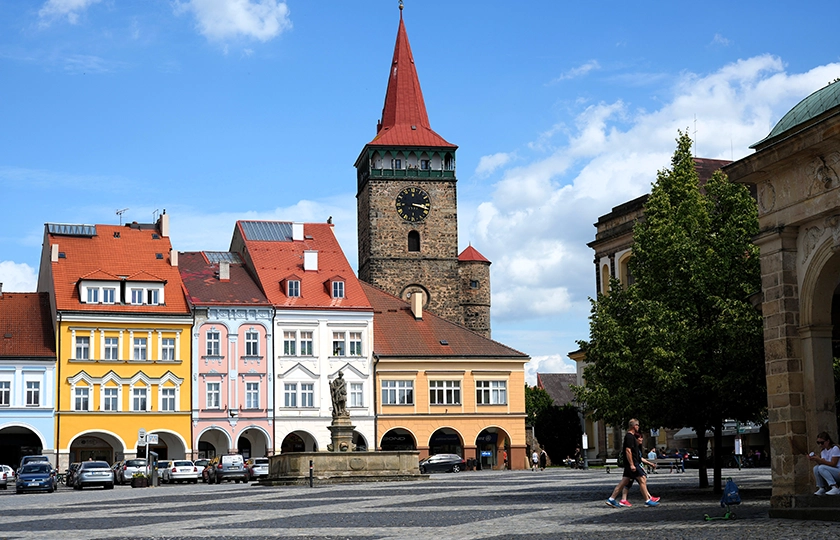
Just 10 kilometres from the Prachov Rocks lies Jičín, known as the ‘Fairytale Town’, as it is the birthplace of Rumcajs the cobbler, a well-known Czech children’s character created by the writer Václav Čtvrtek. It also hosts one of the country’s most important children’s literature festivals. Its fairytale appearance undoubtedly helps visitors to immerse themselves fully in the atmosphere. Throughout the town you’ll find hotels and restaurants, such as La Favorita, where you can relax and sample local dishes.
Kuks Hospital, a jewel of Czech Baroque
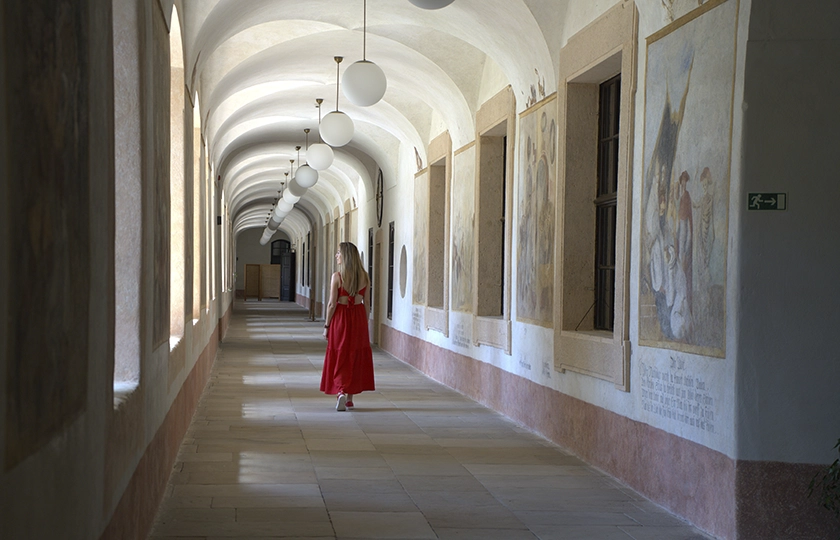
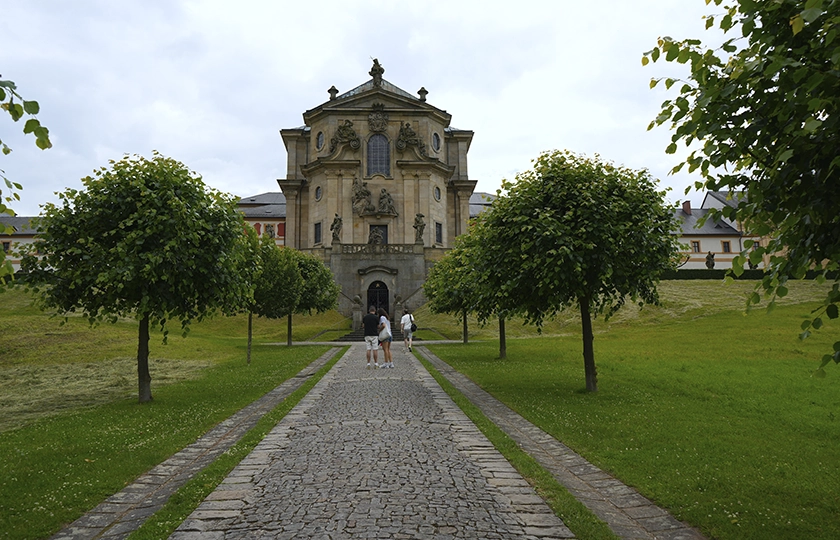
Another day trip from Hrádec Králové, just half an hour away, is the Kuks Hospital, a Baroque complex where architecture, medicine, spirituality and nature come together.
Its history is certainly intriguing, as its construction was spearheaded by Count František Antonín Špork, who, after travelling throughout Europe, wished to create a complex that would bring together two types of space he had encountered elsewhere: a spa for the nobility and a hospital for the needy, retired soldiers and the elderly. In this way, he demonstrated, in a single place, that wealth could be used for the common good.
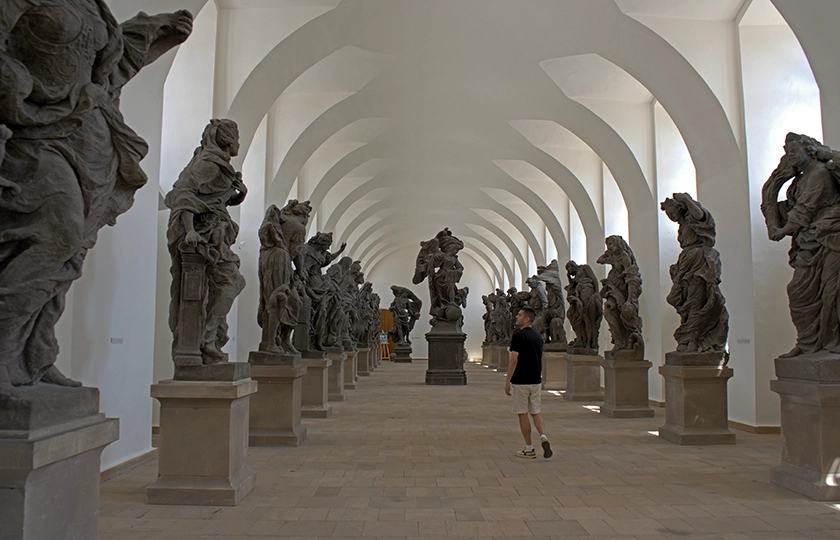
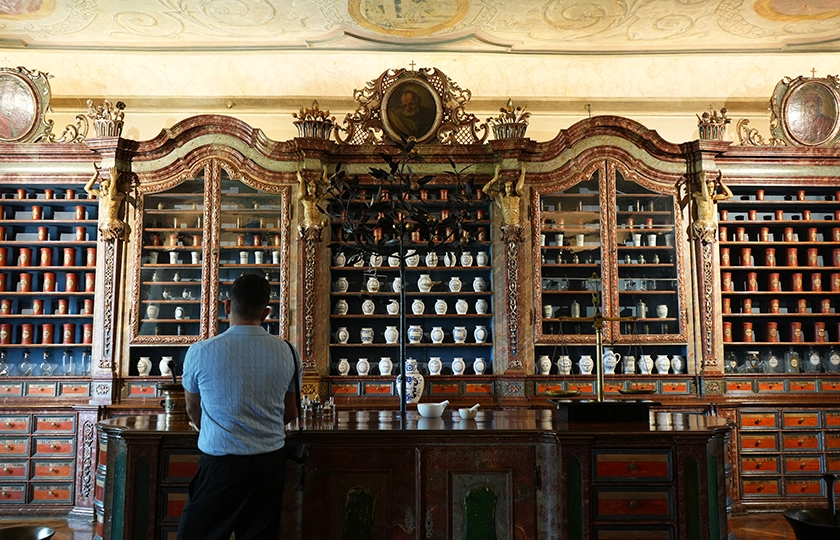
Among the complex’s major attractions are its Baroque pharmacy, with its original furnishings, and the sculptures by Matyáš Bernard Braun, a renowned Baroque artist whose iconography of virtues and vices conveys a moral lesson steeped in drama. The original pieces are preserved in a lapidary; those on display outside are reproductions.
The surroundings invite you to extend your visit to enjoy the vast park, the medicinal herb garden and the town’s excellent restaurants.
A journey through time
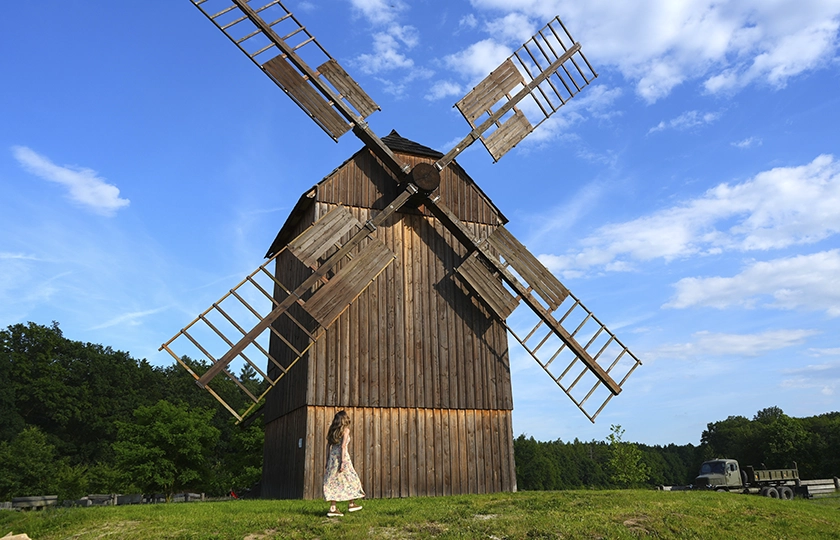
And to round off your getaway to this region, you could add two more visits that are, to say the least, intriguing. The first is the Podorlicko Open-Air Museum, a well-maintained site in Krňovice featuring around ten traditional timber-framed buildings, including a beautiful mill, where you can learn about this type of traditional architecture and take part in workshops (such as a bread-making session).
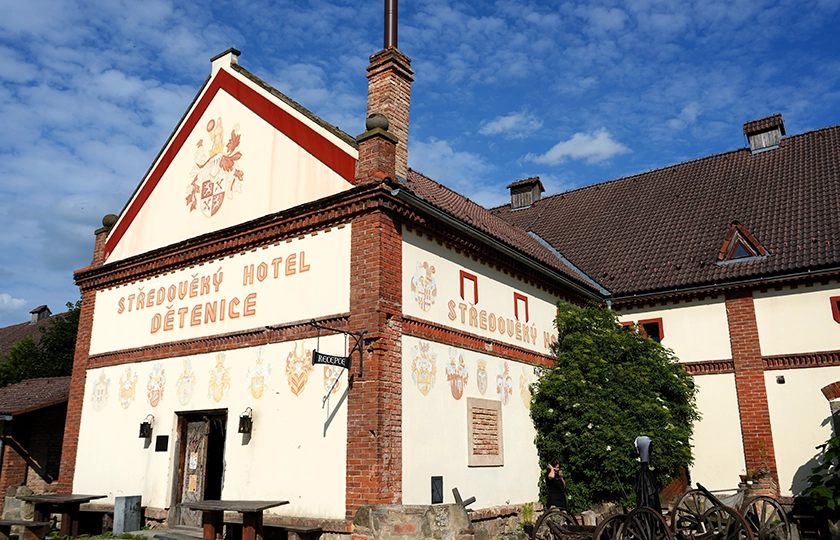
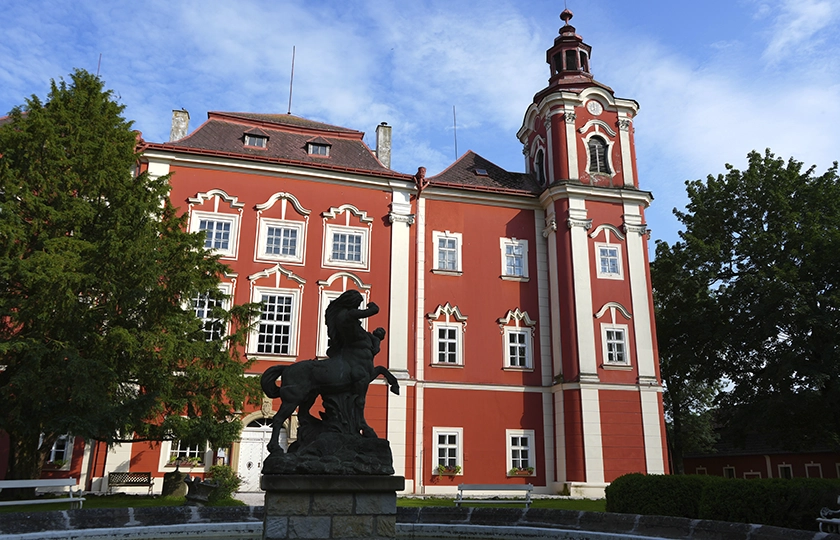
The second suggestion holds a few surprises, as it involves the Medieval Hotel and Dětenice Castle, situated in a small village with a population of just seven hundred. The most intriguing aspect of this experience is that it includes accommodation in a hotel themed around the Middle Ages, where the décor features elements such as witches, bats… and the odd night-time scare. Next to it stands a beautiful palace, which you can visit, and a medieval tavern offering dramatised dinners where table manners go out of the window.
Source: CzechTourism