

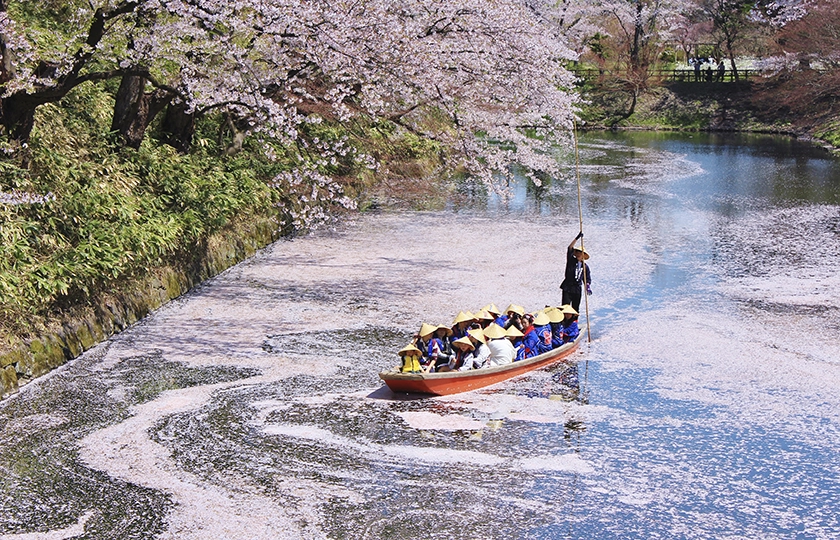
The blooming of the sakura marks the arrival of spring in Japan, a natural and cultural phenomenon that is expected to arrive slightly early in 2026. From January in Okinawa to May in Hokkaido, it transforms the entire country into an ephemeral landscape of cherry blossoms and hanami celebrations.
In the depths of winter, when rain and snow dominate the landscape, Japan already looks forward to the most eagerly awaited season of the year: spring. With it comes the blossoming of the sakura, the ornamental cherry trees that transform the country into an ephemeral scene tinged with pink and constitute one of the most emblematic natural and cultural phenomena of the archipelago.
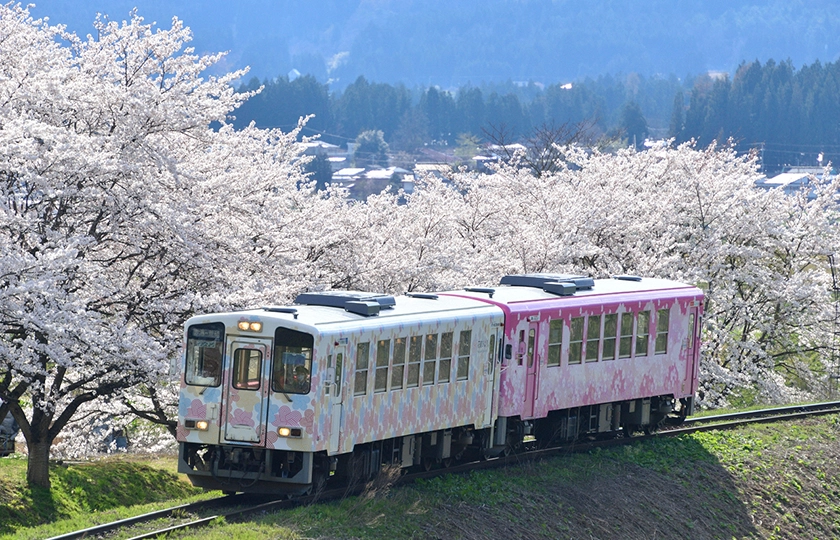
The blossoming begins much earlier than many travelers imagine. In Okinawa, the Kanhizakura cherry trees open their first flowers in mid-January, followed by early varieties such as the Kawazu cherry trees in Shizuoka, which bloom in February alongside the plum trees. The cycle culminates with the Chishima cherry trees, the latest in the country, which show their splendor in Nemuro, opposite the Kuril Islands, well into May.
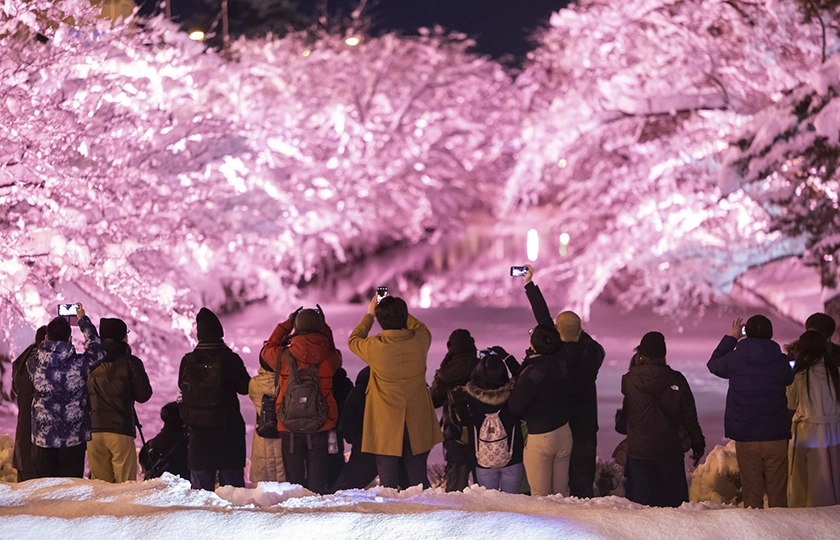
Among the many varieties of ornamental cherry trees, the Somei-Yoshino stands out as the most representative of Japan. Its uniqueness lies in the fact that it can only be reproduced by grafting, which means that all current specimens are clones of the original hybrid, created some 200 years ago! Its rapid growth and spectacular flowering have made it the predominant variety in parks and urban areas throughout the country. However, its limited genetic diversity makes it vulnerable, reducing its life expectancy to between 60 and 80 years. This is well below the longevity of wild cherry trees, among which millennial specimens such as the spectacular Miharu Takizakura in Fukushima stand out.
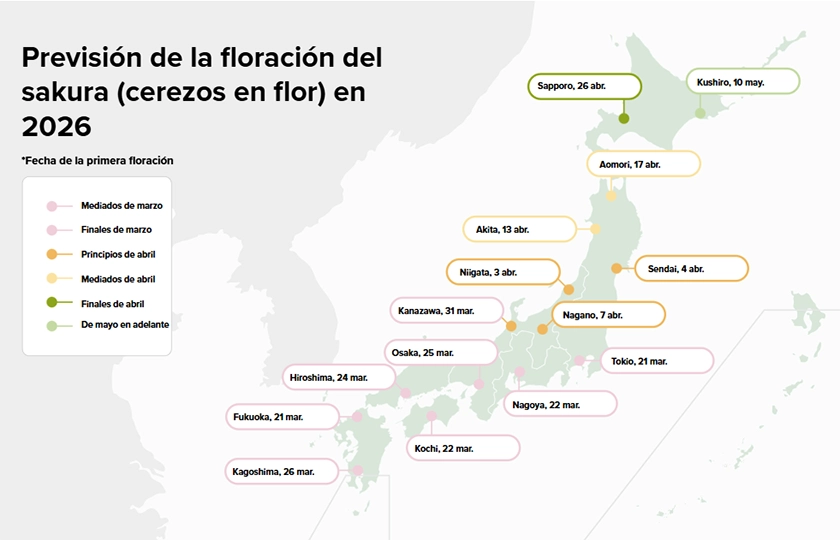
The anticipation for the blossoming is such that as early as December, organizations such as the Japan Weather Association (JWA) announce the first official forecast of the year for the Somei-Yoshino. For the 2026 season, which was announced on December 18, weather models point to slightly early blossoming due to above-average temperatures in March and April. According to the latest estimates, dated February 5, the cherry trees will begin to bloom on March 20 in Tokyo and Nagoya, while the floral front will reach Sapporo on April 26.
Alongside official forecasts, specialized mobile apps have recently become a common tool for tracking the progress of sakura in real time. These platforms offer up-to-date data on hundreds of observation points across the country, alerts of imminent blooming, and even a calendar of seasonal activities, making them great allies for travelers.
Beyond Tokyo and Osaka: scenic treasures where you can enjoy sakura without the crowds
Although places such as Ueno Park (Tokyo) and Osaka Castle are world-famous for their sakura, Japan offers numerous less crowded spots where you can enjoy hanami—the Japanese tradition of contemplating the beauty of flowers—in equally memorable settings:
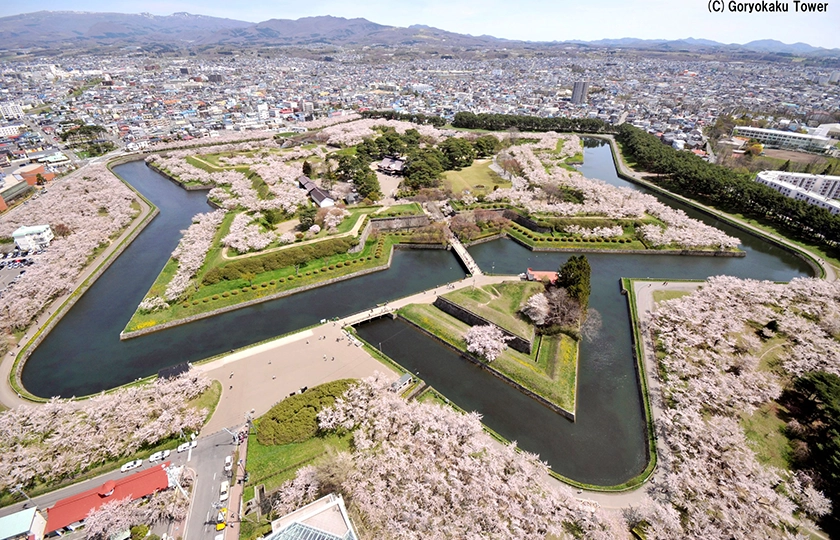
Goryokaku (Hakodate, Hokkaido), a 19th-century fortress in the shape of a five-pointed star covered by more than 1,500 cherry trees, which from late April to early May create one of Hokkaido’s most iconic landscapes.
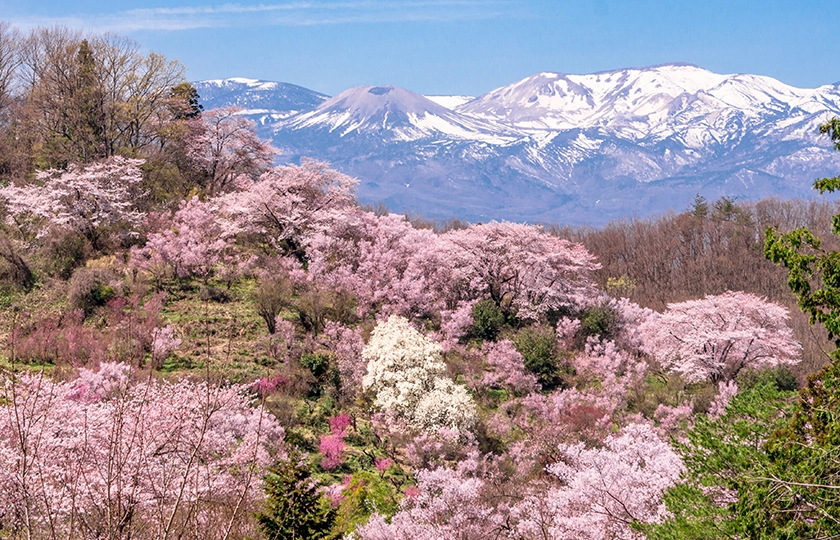
Hanamiyama Park (Fukushima, Tohoku region), named “flower paradise” by photographer Shotaro Akiyama. Its owners, the Abe family, opened it to the public free of charge in 1959 so that all visitors could enjoy the beauty of its cherry, plum, peach, and magnolia trees.
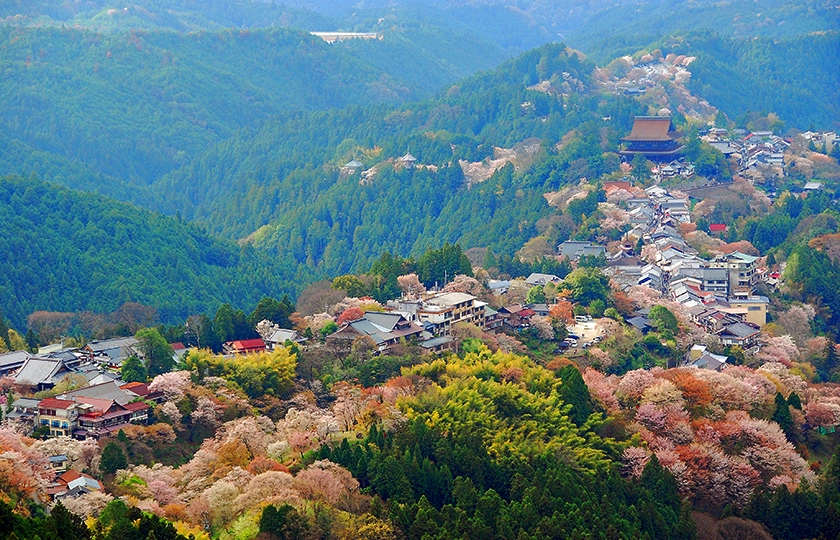
Mount Yoshino (Nara, Kansai region), a World Heritage Site, is one of Japan’s most iconic destinations for hanami, with more than 30,000 cherry trees of some 200 varieties blooming in stages along its slopes. If we visit at the right time, viewpoints such as Yoshimizu Shrine offer a panoramic view of thousands of trees in bloom.
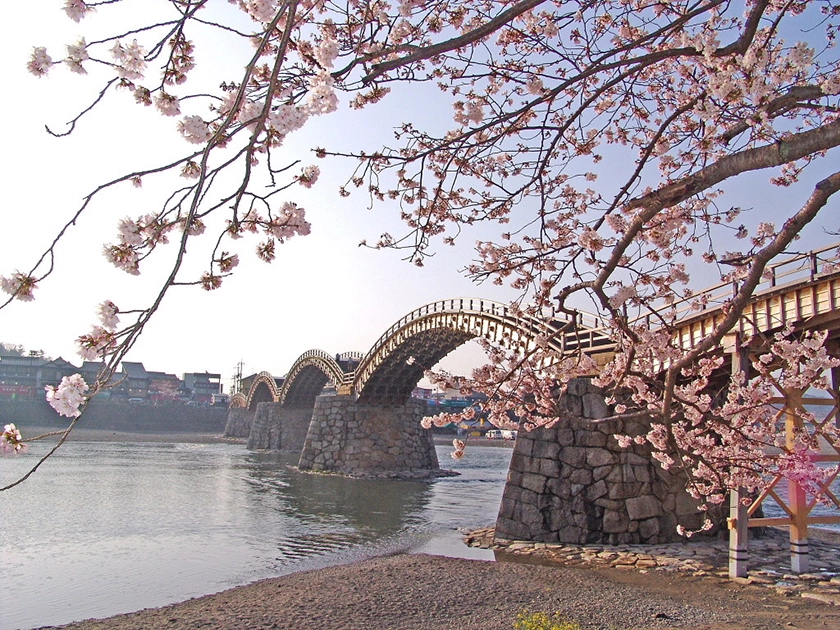
The Kintaikyo Bridge (Yamaguchi, Chugoku region), with its iconic five-arch wooden structure and guarded by 3,000 cherry trees, is a journey back in time to feudal Japan. In spring, traditional yakatabune boats take visitors on a tour of the picturesque surroundings.
Don’t miss the season’s special events: one of the most eagerly awaited is the Heian Jingu Sakura Otoyo 2026 at the Heian Shrine in Kyoto. Coinciding with the blossoming, the grounds are open to the public at night so that visitors can admire the illuminated cherry blossom garden, accompanied by live music performances.
This spring, once again, the hanami season will set the pace of life in Japan. Parks, castles, gardens, and riverbanks will once again be filled with families, groups of friends, and coworkers enjoying picnics under a gentle shower of pink petals. The shop windows of traditional confectioners will once again feature sakura mochi, the star sweet of the season, small rice cakes filled with anko and wrapped in a pickled cherry leaf, while supermarkets and department stores will once again sell their limited edition products inspired by the floral scent of sakura.
Cherry blossom season, deeply linked to Japan’s social and emotional calendar, coincides with the start of the fiscal and academic year in April. It is a symbol of new beginnings, farewells, and transitions, and a reminder of the rebirth of nature and the fleeting beauty of life. Every year, Japan pauses for a few days to celebrate it and immerse itself in its delicate poetry.
More information:
About JNTO
The Japan National Tourism Organization (JNTO) is an independent administrative agency of the Japanese government whose role is to promote Japan as a tourist destination. In 2024, a total of 182,300 Spanish tourists traveled to Japan, (+57.3% compared to the previous year and +40% compared to 2019, when 130,243 travelers from Spain visited the country). Following the opening of its first office in Spain in March 2017, the JNTO now has 26 offices worldwide and is also linked to the Japan Tourism Agency of the Ministry of Land, Infrastructure, Transport, and Tourism. The Madrid office is responsible for promoting tourism in Japan in Spain and Portugal, and its functions include assisting professionals in the tourism sector in the promotion and development of new destinations and itineraries, and participating in trade fairs and professional tourism meetings. In addition, it is responsible for providing information and material to tourists who wish to or are planning to travel to the country, collaborating with and providing information about Japan to the media and journalists, promoting the country as a MICE destination, and conducting studies on Spanish outbound tourism to Japan.
Source: COMUNICACIÓN IBEROAMERICANA