

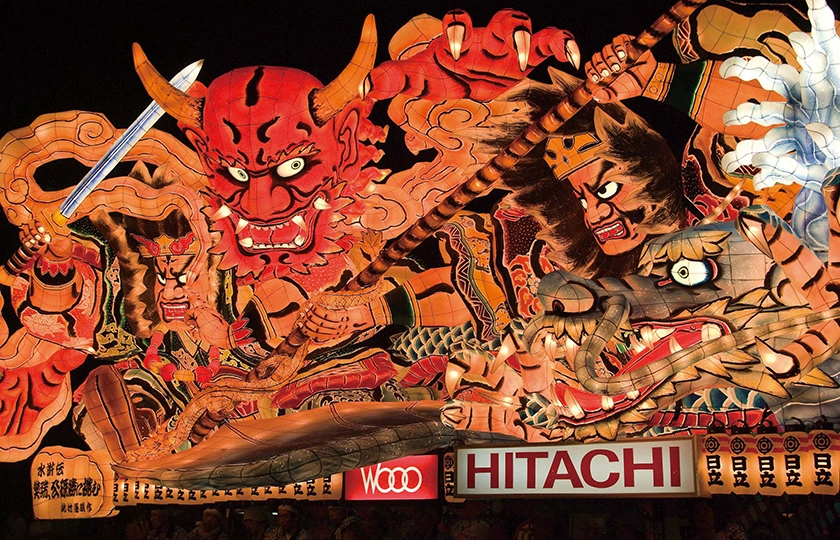
Giant illuminated floats, night-time parades and fireworks make this event, held from 2 to 7 August, one of the great spectacles of the Japanese summer.
In both Spanish and Japanese culture, July and August are a time to make the most of the good weather and the holidays to reconnect with local roots through celebrations that transform towns and cities into veritable festive venues. It is a time when many return to their hometowns and when the streets fill with traditional dances, food stalls and fireworks.
Among the highlights of the Japanese summer is the Nebuta Festival in Aomori, considered one of the country’s most iconic events. Although the high temperatures may put some travellers off, Aomori offers a milder climate than other major cities such as Tokyo or Osaka.
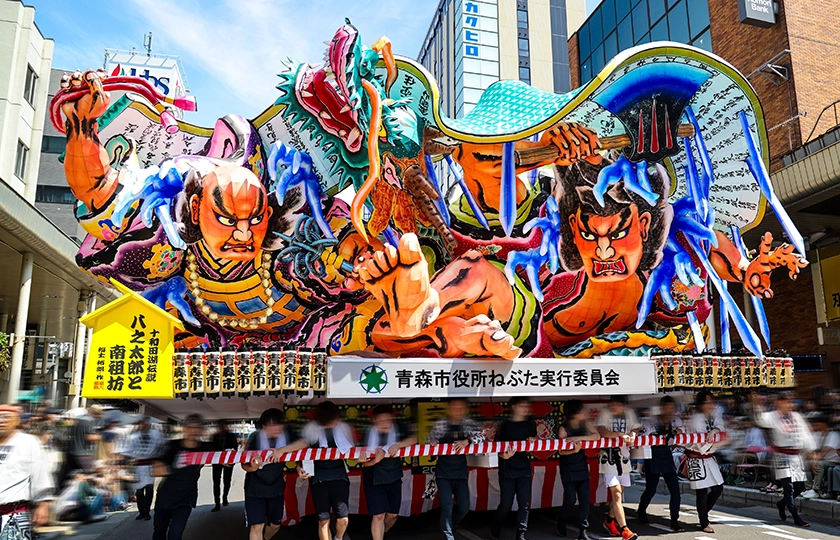
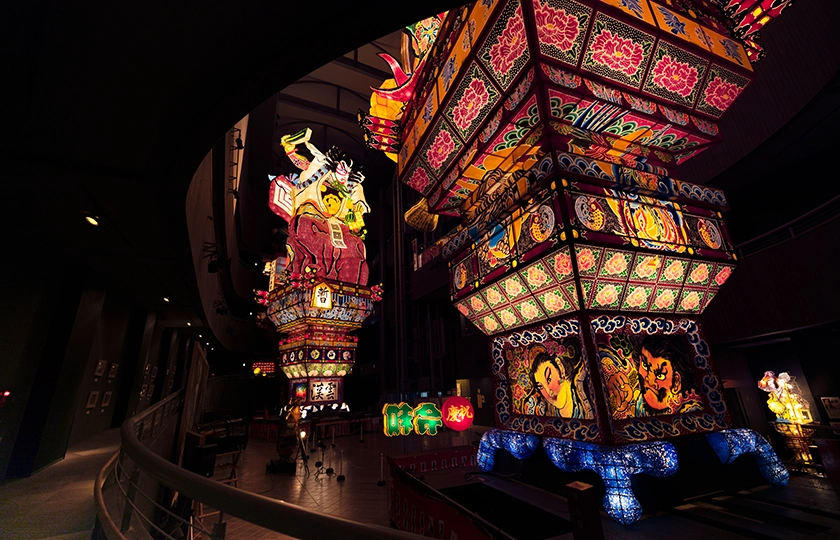
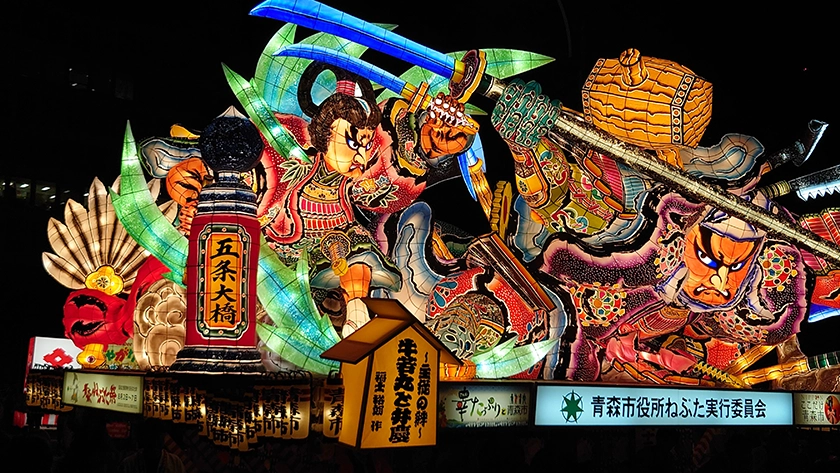
The festival, regarded as the highlight of the region’s summer, will take place from 2 to 7 August 2026 and attracts around three million visitors every year. Its main attraction is the nebutas: imposing floats inspired by deities, warriors or kabuki actors, which depict scenes of great theatrical power. Each one is the result of meticulous craftsmanship spanning a whole year, built around a wire frame covered in traditional Japanese paper and painted in vivid colours.
As night falls, these spectacular floats are illuminated and paraded through the streets, carried by teams who manoeuvre them with dynamic movements, turning and zigzagging to the delight of the crowd. Alongside them, hundreds of haneto dancers, dressed in traditional costumes, parade in a colourful and lively celebration to the rhythm of taiko drums, flutes and cymbals. Visitors can also be part of the experience by hiring a costume and joining the parade. The final day culminates in the nebutas being paraded across the bay, accompanied by a two-hour fireworks display.
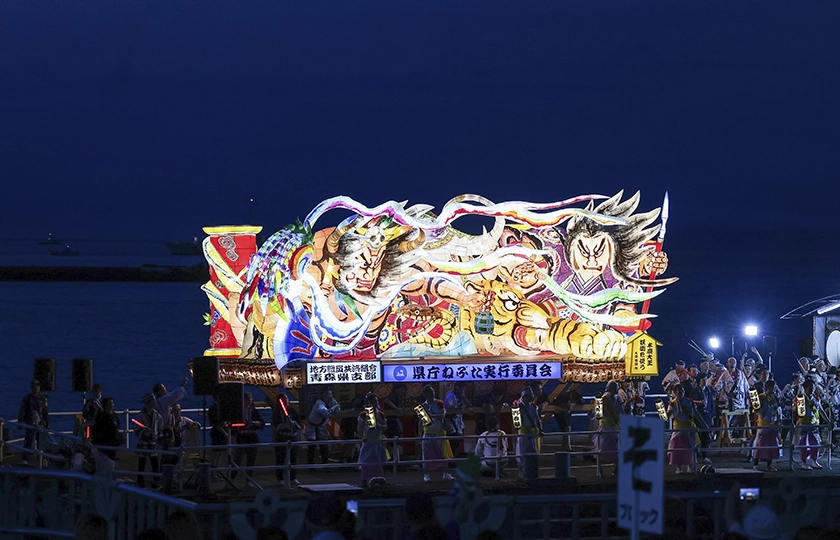
Due to its enormous popularity, it is advisable to plan your trip several months in advance to secure accommodation and tickets for the viewing areas, particularly during the festival’s peak days. However, the essence of the festival can be enjoyed all year round at the Nebuta WA-RASSE Museum in Aomori City, where you can learn about its history, view original floats from previous years and watch regular traditional dance performances.
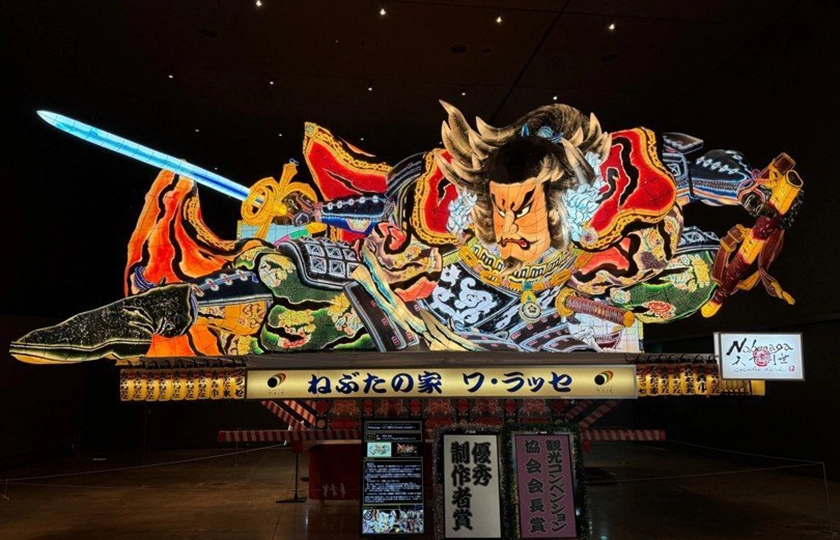
In addition, some of the accommodation options in the area offer shows that recreate the festival atmosphere and workshops where you can experience the region’s traditional performing arts, providing an opportunity to discover Aomori’s culture during your stay.
Towns near Aomori are not to be outdone, also celebrating the nebuta tradition with magnificent parades of spectacular floats, each with its own distinctive style and design: the Hirosaki Neputa (which can be explored throughout the year at the Tsugaru Clan Neputa Village visitor centre in the city itself), the Goshogawara Tachineputa (which also has a wonderful museum), the Hirakawa Neputa and the Kuroishi Neputa.
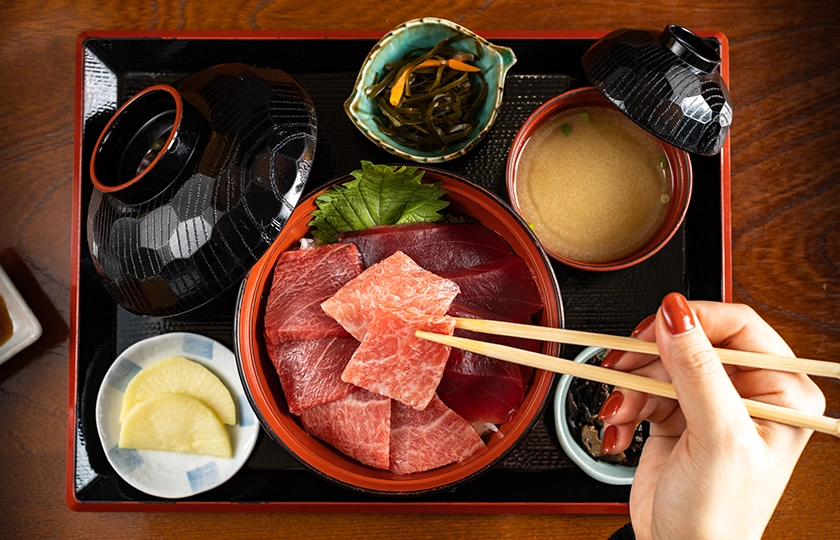
Located at the northern tip of the island of Honshu, Aomori Prefecture is well connected to Tokyo, just three and a half hours by bullet train from the capital. As well as its cultural heritage, the region is renowned throughout Japan for its cuisine. Among its most iconic produce are the wild bluefin tuna from Ōma, which year after year take centre stage at the multi-million-yen New Year auctions in Tokyo, and apples, as Aomori is the country’s leading producer and the birthplace of the Fuji variety, now a common sight in supermarkets around the world, including those in Spain.
The Nebuta Festival has thus established itself as one of the major events of the Japanese summer and a prime gateway to the north of the country. With spectacular parades, centuries-old traditions, a rich cultural offering and first-class cuisine, Aomori offers travellers a unique opportunity to discover one of Japan’s most authentic and surprising regions, far from the hustle and bustle of the big cities.
About JNTO
The Japan National Tourism Organisation (JNTO) is an independent administrative body of the Japanese government attached to the Japan Tourism Agency, which in turn reports to the Ministry of Land, Infrastructure, Transport and Tourism. Its role is to promote Japan as a tourist destination. Following the opening of its first office in Spain in March 2017, JNTO now has 26 offices worldwide.
JNTO’s Madrid office is responsible for promoting tourism in Japan in the Spanish and Portuguese markets. Its main functions include supporting professionals in the tourism sector in the development and promotion of new destinations and itineraries, as well as participating in trade fairs and specialist events. It also provides information and resources to travellers interested in visiting Japan, collaborates with the media and journalists by supplying content about the destination, promotes the country within the MICE sector, and conducts studies on the Spanish outbound market to Japan.
In 2025, a total of 245,600 Spanish tourists travelled to Japan, representing an increase of 34.7 per cent compared with the previous year.
Source: COMUNICACIÓN IBEROAMERICANA