

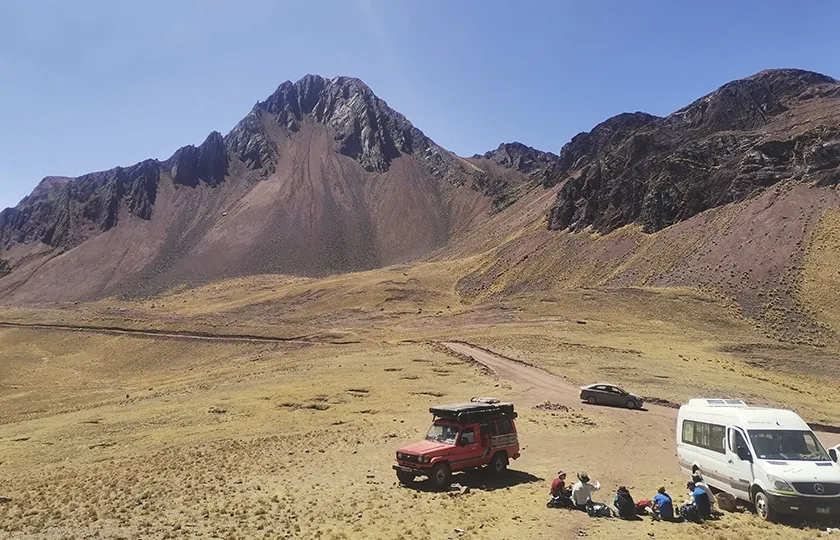
The “Rainbow Mountain”, located at over 4,700 meters high, stands out for its multicolored stripes and its link with the Andean tradition.
The Andes have revealed a new wonder: Pallay Punchu, Peru’s newest Rainbow Mountain. Its name, “Punchu,” comes from the word “poncho,” as its features resemble this traditional Andean garment, now seemingly woven into the landscape itself. Rising to over 4,700 meters above sea level, Pallay astonishes with its geometric lines and vibrant colors.
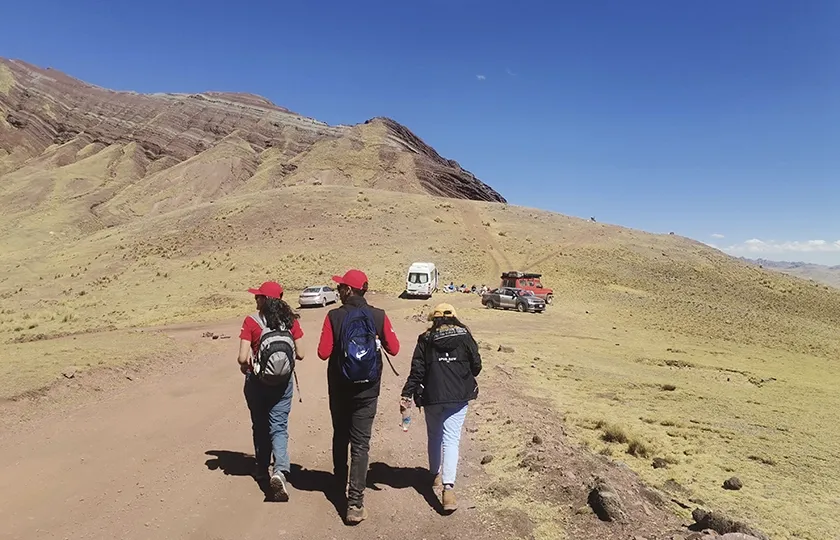
Unlike any other place on the planet, Pallay Punchu is much more than a visual spectacle; it is a sacred landscape where nature and culture meet to tell the story of the Andes: each ridge resembles a woven thread, and each peak rises like a prayer to the apus, the sacred spirits that guard the mountains and have been venerated for centuries.
In 2020, with the gradual return to normalcy after Covid-19, Pallay Punchu first appeared on social media, and four years later, it remains one of the country’s most breathtaking discoveries, often described as walking on a canvas.
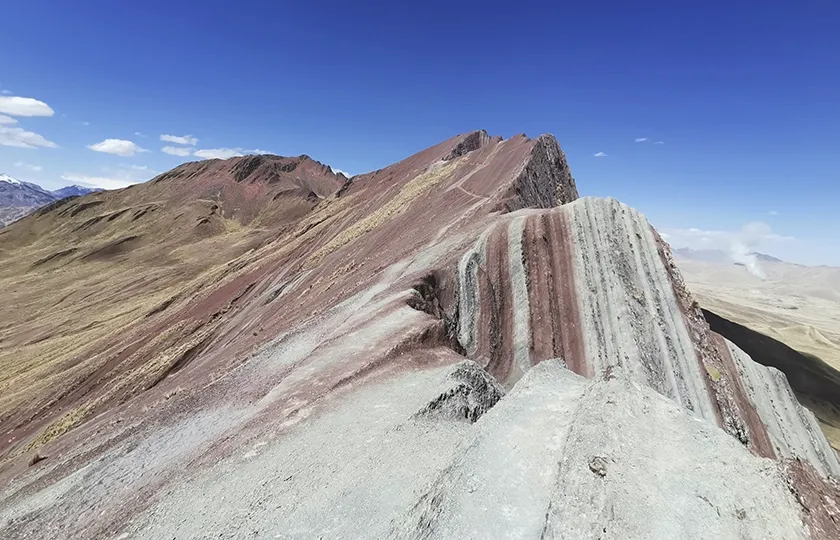
Climbing Pallay Punchu is an invitation to breathe in the rhythm of the Andes and connect with the silence that has shaped the Andean worldview for generations. In fact, many visitors describe it as a transformative experience.
Beyond Pallay Punchu lies another hidden gem: Laguna Langui Layo, a vast mirror of water at almost 4,000 meters above sea level. Its deep blue waters with silvery reflections shift with the sky and are home to trout farms and Andean birds such as Andean geese and seagulls. Together, the mountain and the lagoon form a sacred duo of earth and water.
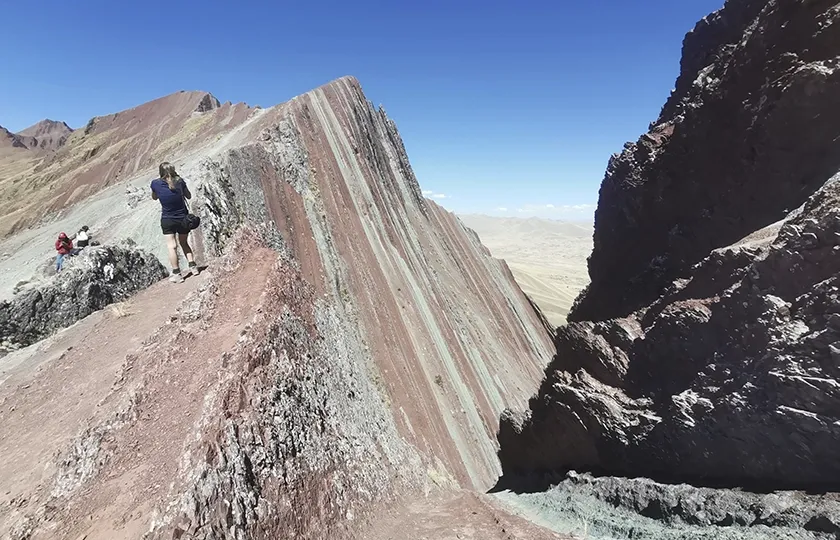
Perú it continues to amaze the world with landscapes that not only impress visually, but also have a spiritual depth, and with each new discovery it invites us to reconnect and rediscover nature.
Source: COMUNICACIÓN IBEROAMERICANA