

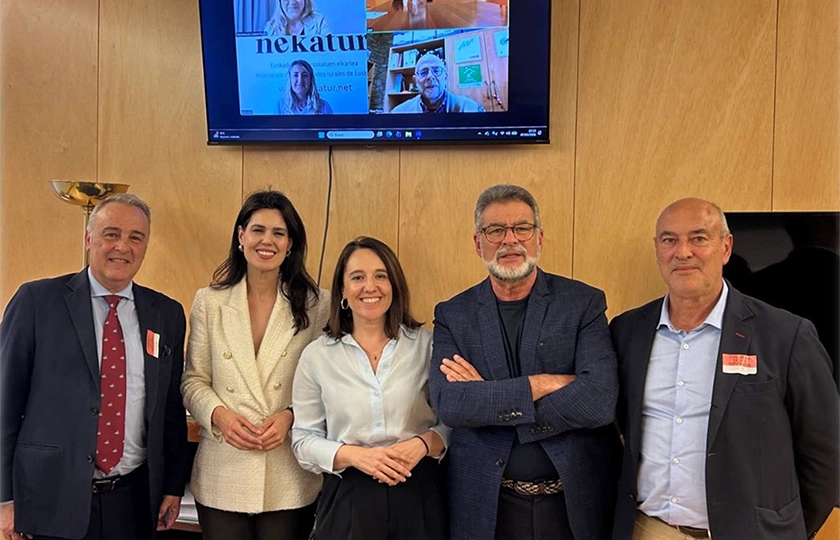
Representatives of the Spanish Rural Tourism Network (Redtur) from the national tourism sector met with members of the People’s Party in the Congress of Deputies to present a strategic roadmap designed to safeguard the future of rural tourism in our country.
The meeting served to highlight the critical needs of a sector which, beyond its economic value, is establishing itself as the most effective tool for combating depopulation and the neglect of our natural environment. Key points of the proposal:
- Boosting digitalisation: Bridging the connectivity gap in rural areas to improve the management and visibility of accommodation.
- Fiscal and regulatory support: Incentives for rural entrepreneurs who decide to establish their residence and business in small towns
- Sustainability and protection: Promoting respectful tourism that protects local heritage whilst generating quality employment.
- Strict regulation of Tourist Accommodation (VUT) and booking platforms: Clearly distinguishing between professional rural tourism (which generates employment and a settled population) and short-term holiday rentals. It is vital to limit VUTs in under-resourced rural areas with fewer than 3,000 inhabitants to “guarantee the right to housing” for local workers and prevent our villages from becoming empty museums.
“Rural tourism is not just about leisure; it is a tool for territorial cohesion and social justice. Committing to a regulated and professional model is committing to the future of rural Spain,” said Luis Chico, president of the Rural Tourism Business Association of Castile and León and spokesperson for Redtur, following the meeting. Chico stated, “We hope these requests mark the beginning of a close and transformative collaboration. If rural tourism grows, our villages will remain alive.”
A commitment to the region
The delegation emphasised that collaboration between public administrations and the private sector is essential. It is not just about attracting travellers, but about creating an ecosystem that allows families to live with dignity in their place of origin, thereby stemming the exodus to large cities.
This meeting marks the start of a series of discussions that will extend to all political parties and autonomous communities, adapting these demands to the specific realities of each region to ensure that no corner of our country is left behind.
Source: SPANISH RURAL TOURISM NETWORK