
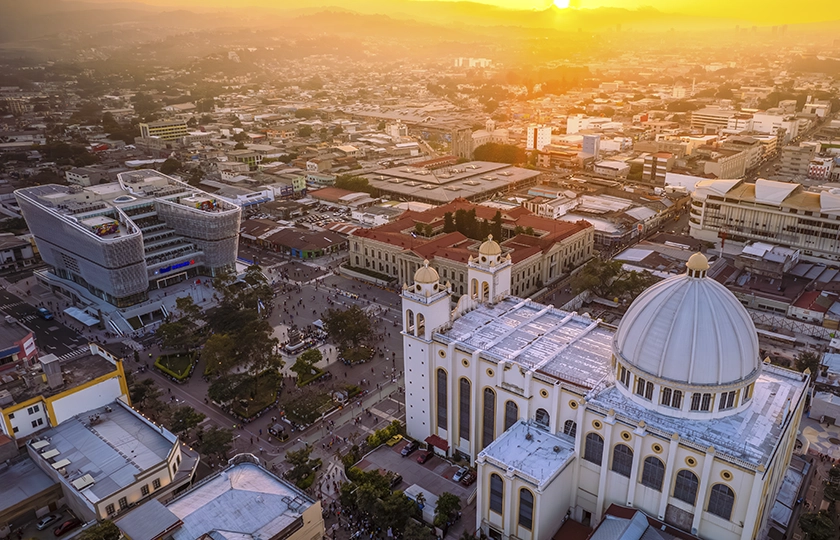
Free from overcrowding and boasting a surprising diversity that brings together volcanoes, Mayan culture and a surfing mecca, the destination is gearing up for the El Salvador Travel Market to welcome international buyers, tour operators and specialist media to its leading professional tourism event.
In tourism, size does not always determine the intensity of the experience. Few destinations demonstrate this better than El Salvador, a country that packs volcanoes, lakes, beaches, archaeological sites, mountain villages and a culture deeply rooted in its landscape into just a few kilometres. This diversity, combined with the ease of travelling between its main attractions, is sparking growing interest among travellers seeking more leisurely, authentic experiences away from the traditional tourist trails.
Whilst other destinations require travellers to spend long days travelling, in El Salvador time is spent differently. In a single trip, it is possible to hike along trails amongst volcanoes, visit a Mayan archaeological site, enjoy a meal featuring traditional recipes, or end the day overlooking the Pacific Ocean. It is less a question of distance and more a different way of travelling.
El Salvador Travel Market will serve as the major international showcase this coming September for a destination that is attracting growing interest within Central America. Organised by CASATUR, the Salvadoran Chamber of Tourism, this trade event will bring together international buyers, tour operators and specialist media to highlight the country’s tourism development and strengthen its presence in strategic source markets, including Spain.
A landscape shaped by volcanoes
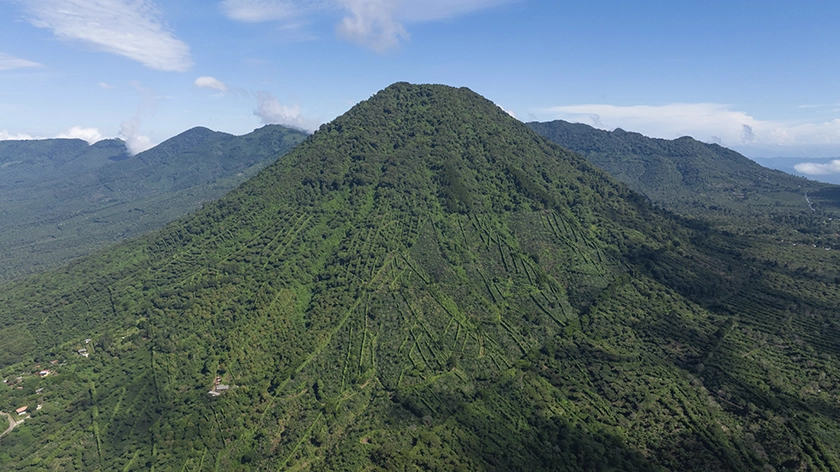
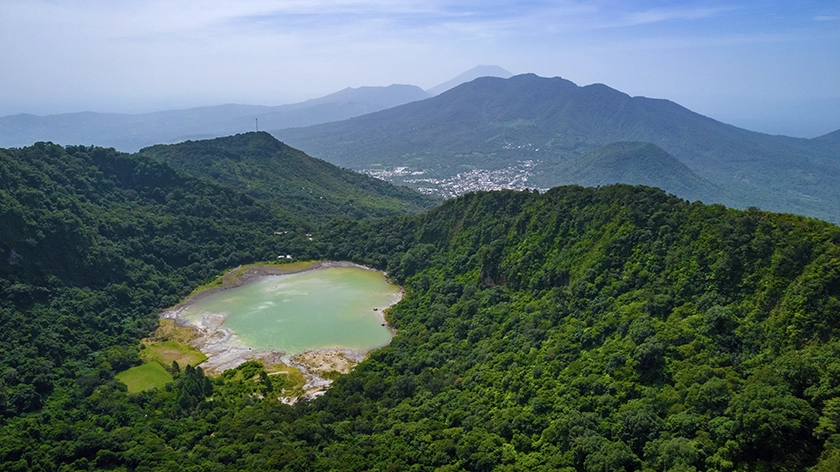
El Salvador’s identity is deeply linked to its volcanic origins. The silhouettes of the volcanoes accompany travellers from virtually anywhere in the country and form a landscape where nature takes centre stage.
National parks, nature reserves and lakes such as Coatepeque form part of an environment of great ecological richness that invites visitors both to contemplate the surroundings and to enjoy outdoor activities. Hiking, birdwatching, scenic routes and wellness experiences in the heart of nature find a particularly accessible setting here, thanks to the short distances between the main attractions.
A heritage that tells the story of everyday life
El Salvador’s history is written in capital letters and boasts archaeological landmarks unrivalled on the continent. The finest example is Joya de Cerén, declared a UNESCO World Heritage Site, an archaeological site which, unlike the great ceremonial cities of the Maya civilisation, preserves evidence of the everyday life of an agricultural community buried by the eruption of the Loma Caldera volcano over 1,400 years ago. It is, in its own right, the ‘Pompeii of the Americas’.
A few kilometres away, the Tazumal archaeological complex rounds off this journey through the history of Mesoamerica and helps us understand the role played by what is now Salvadoran territory in the development of pre-Columbian civilisations. History, however, is not confined to these archaeological sites; it also lives on in the local markets and in the communities that have managed to preserve their pre-Hispanic and colonial traditions.
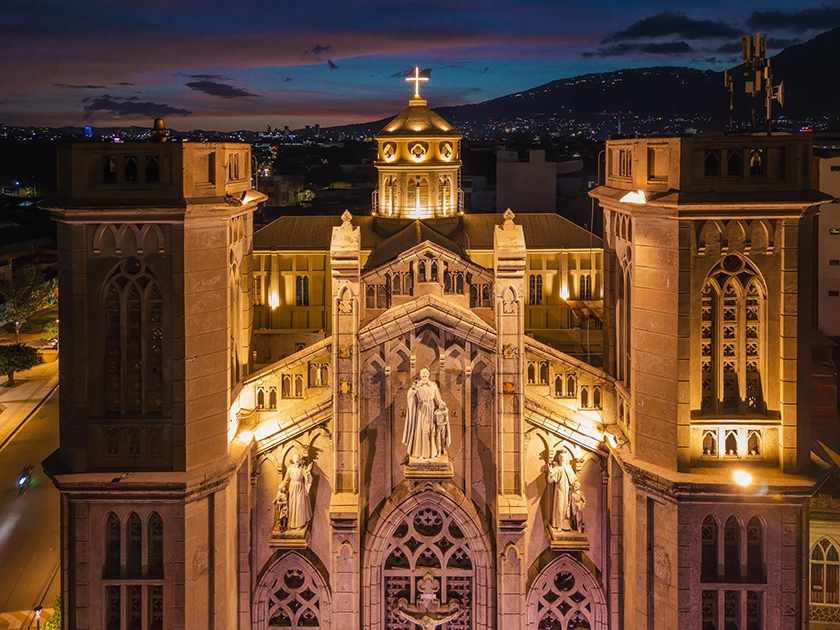
The Route of the Flowers: another way to understand the country
Amidst high-altitude coffee plantations and small towns such as Juayúa, Apaneca and Ataco, the route invites you to pause and take in the surroundings. Crafts, gastronomy, coffee culture and artistic expression coexist in a mountainous setting where visitors encounter a very different image from the more familiar Central America. It is a journey that focuses on local life and the authenticity of the experiences, two aspects increasingly valued by those seeking to discover a destination from within.
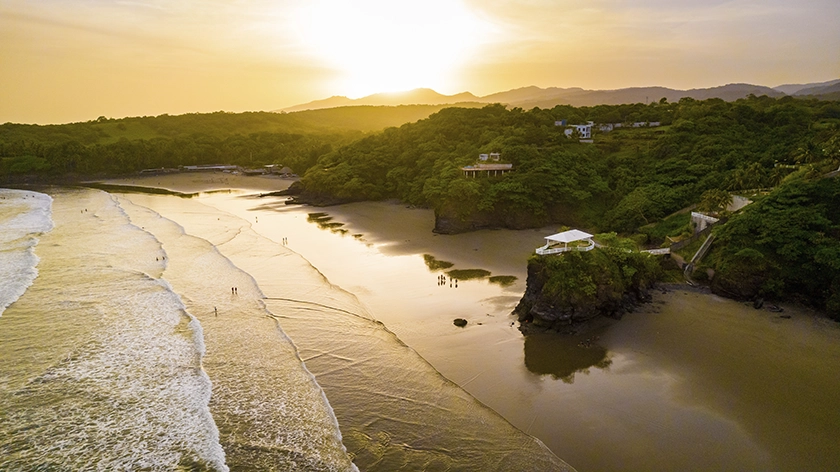
The Pacific coast that has put El Salvador on the surfing map
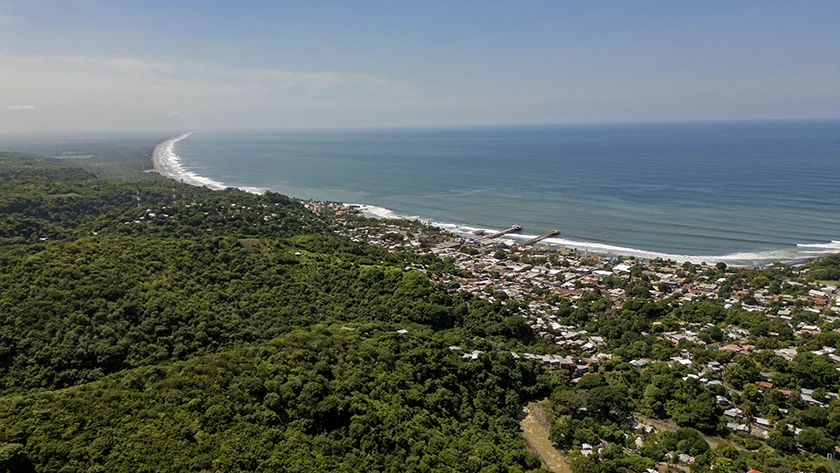
If there is one landscape that has helped bring the country international recognition in recent years, it is its coastline. The Salvadoran coast has become a hotspot for surfing, hosting major international competitions that have put the destination on the map amongst athletes and enthusiasts worldwide. However, to reduce the Salvadoran Pacific to just surfing would be to capture only part of the story.
Beyond the waves, the Salvadoran coast retains a distinct local character. Volcanic sand beaches, mangroves, small fishing villages and modest accommodation blending into the landscape offer a peaceful way to discover the Pacific.

Cuisine and warmth as its hallmark
Cuisine is an integral part of the experience of travelling through El Salvador. Pupusas — fresh, handmade stuffed maize tortillas — are probably the country’s best-known dish, but Salvadoran cuisine goes far beyond this and reflects the country’s agricultural wealth, the influence of indigenous traditions and the prominence of produce such as maize, coffee, cocoa and fish and seafood from the Pacific.
Sitting down to a meal is also a way of getting closer to the local culture, sharing conversations and discovering a warmth and hospitality that many travellers highlight as one of the most lasting memories of their stay.
A destination on the rise
At a time when international tourism is increasingly focusing on destinations capable of offering authentic experiences, contact with nature and a distinct identity, El Salvador is strengthening its position within Central America with an offering that combines heritage, adventure, culture and quality of life in a country that is easy to explore.
This phase of consolidation will gain fresh momentum with the El Salvador Travel Market, an event that will help to further strengthen the destination’s relationship with the international tourism industry and consolidate the interest the country is generating amongst the main source markets.
About CASATUR
Founded in 1978, the Salvadoran Chamber of Tourism (CASATUR) is a key non-profit association in El Salvador’s economic development. Its primary mission is to bring together the public and private sectors to strengthen, promote and boost the competitiveness of the national tourism industry. Through industry representation, strategic connections, trade events and business consultancy, CASATUR defends the interests of its members and promotes Salvadoran tourism as an essential driver of progress for the country.
Source: MUNKA Comunicación