

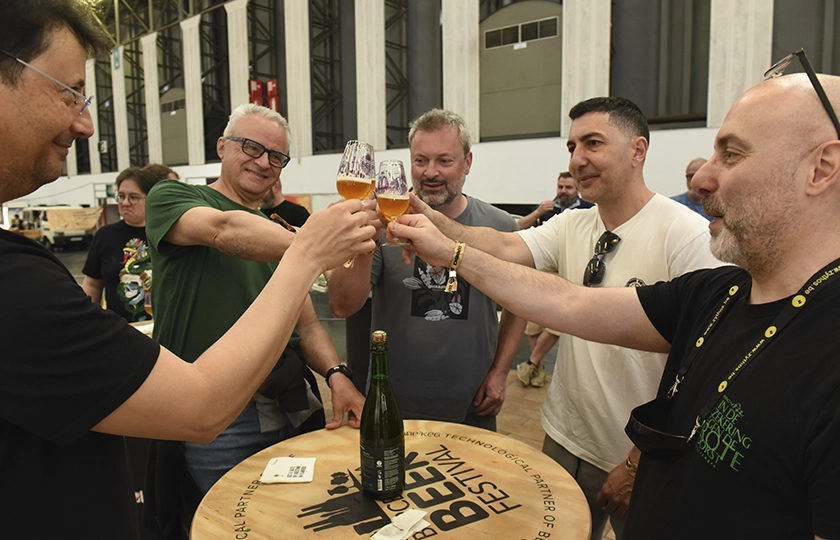
- The event brought its 15th edition to a close, cementing Barcelona’s position as one of the world’s leading venues for craft beer and reaffirming an upward trend: craft beer, with its unique character and variety of styles, is attracting more and more enthusiasts.
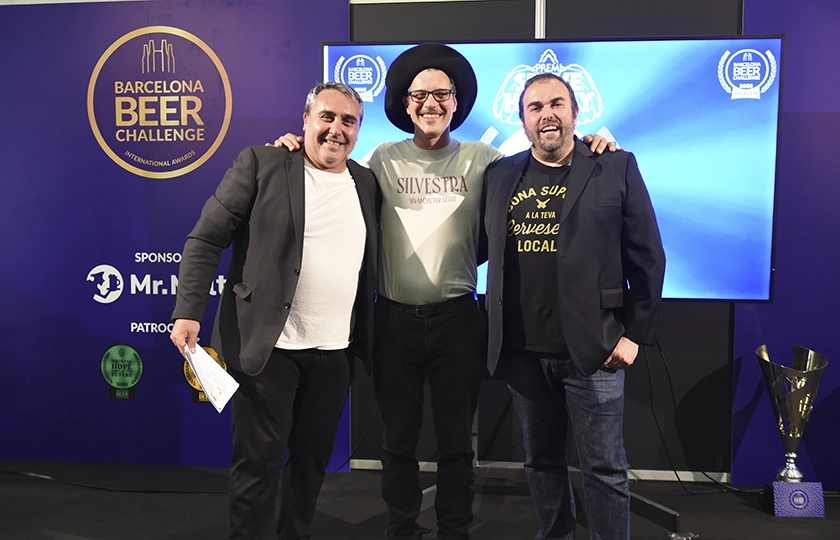
- As part of the event, the prestigious Barcelona Beer Challenge was held, honouring Basqueland as Brewery of the Year, Lo Vilot with the Brewing Hope for a Better Future award, Kosmonauta as Best New Brewery, the Latvian brewery Hopalaa with the Innovation Award, and Guzmán Fernández with the special Steve Huxley award.
The Barcelona Beer Festival (BBF) concluded its 15th edition today, confirming the boom in craft beer, which is increasingly attracting new audiences drawn to the quality and wide variety of styles of this drink that has been part of our gastronomic culture since time immemorial. Indeed, over the course of these three days, the event has demonstrated that craft beer is “liquid gastronomy”, a truly unique product that enriches and complements any occasion, including haute cuisine.
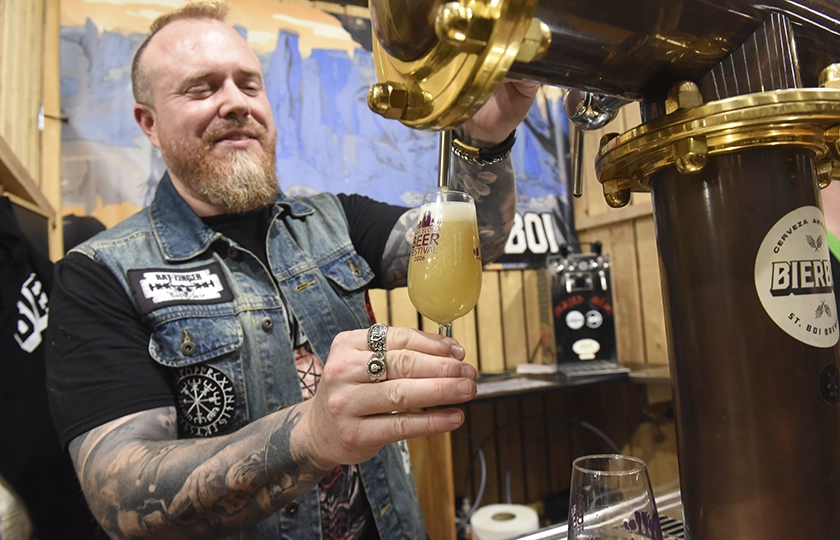
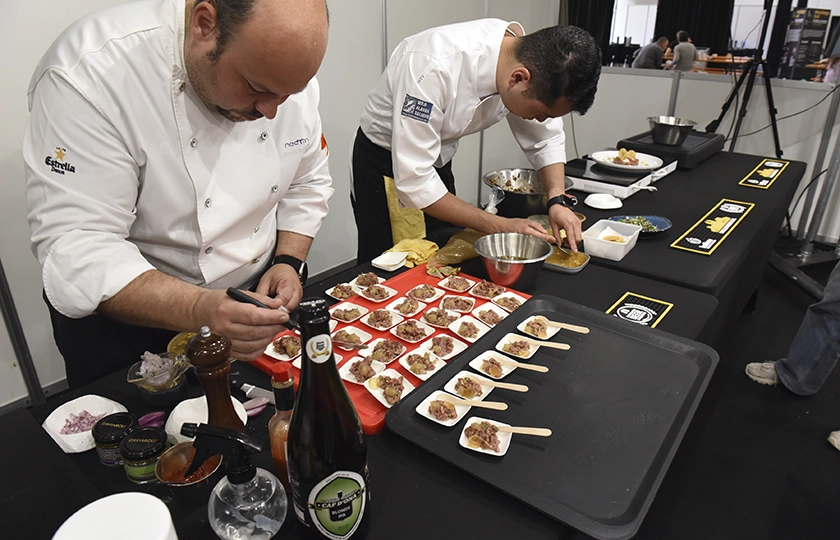
Over three days, the Montjuïc venue (Hall 2) welcomed some 15,000 visitors to a space of over 7,000 m², where they were able to discover more than 100 breweries and sample up to 500 beers of different styles from all over the world, take part in dozens of activities such as workshops, demonstrations and pairings led by Michelin-starred chefs, such as Jordi Esteve (Nectari), and renowned sommeliers, such as Edgar Rodríguez, but above all, they were able to enjoy a unique atmosphere: that of craft beer culture.
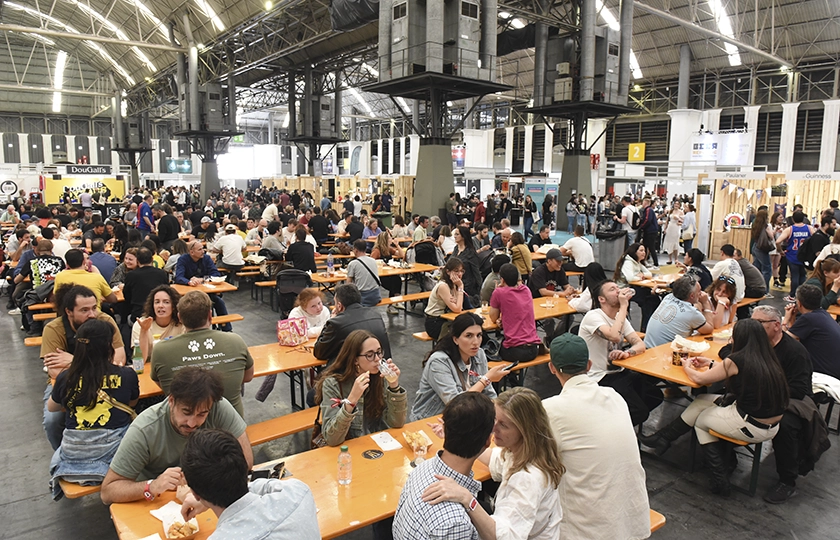
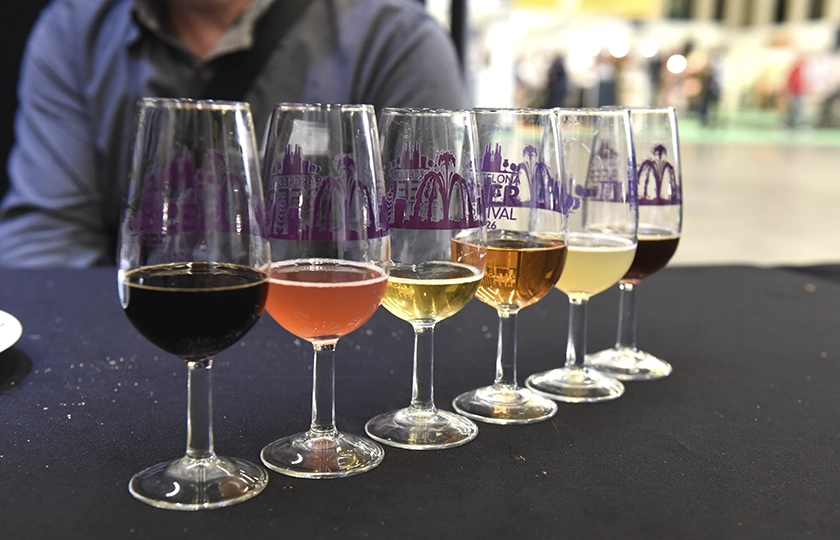
And indeed, the BBF is a unique event where visitors have been able to discover and taste distinctive beers, ranging from locally sourced, sustainable and organic beers such as those from Lo Vilot, to unique brews such as Cervesera Artesana’s Beer Nostrum, the only Imperial Oyster Stout matured beneath the waters of the Ebro Delta; or the new Dark Addiction from the Peruvian brewery 7 Vidas, an exclusive Barrel-Aged Imperial Pastry Stout brewed with speciality coffee roasted just 74 hours before brewing and aged for four years in bourbon barrels. The BBF has once again proven itself to be the most important event dedicated to craft beer culture in southern Europe.
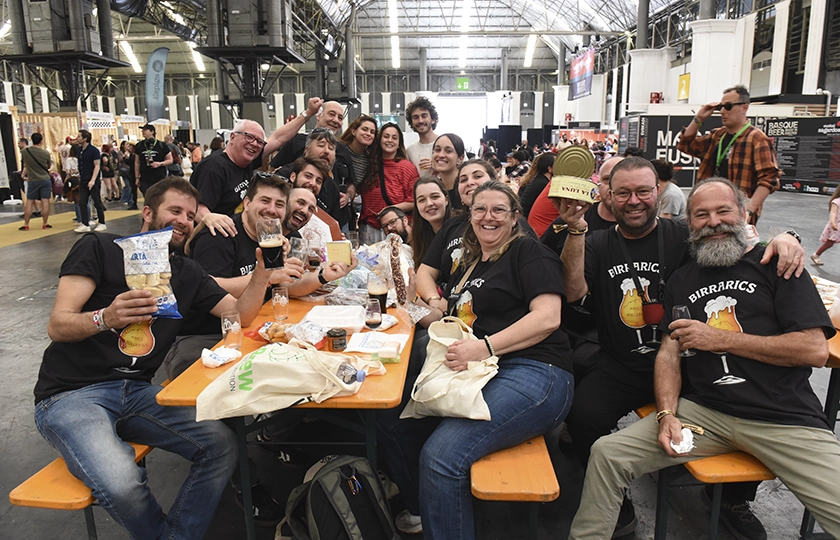
Craft beer is gastronomy
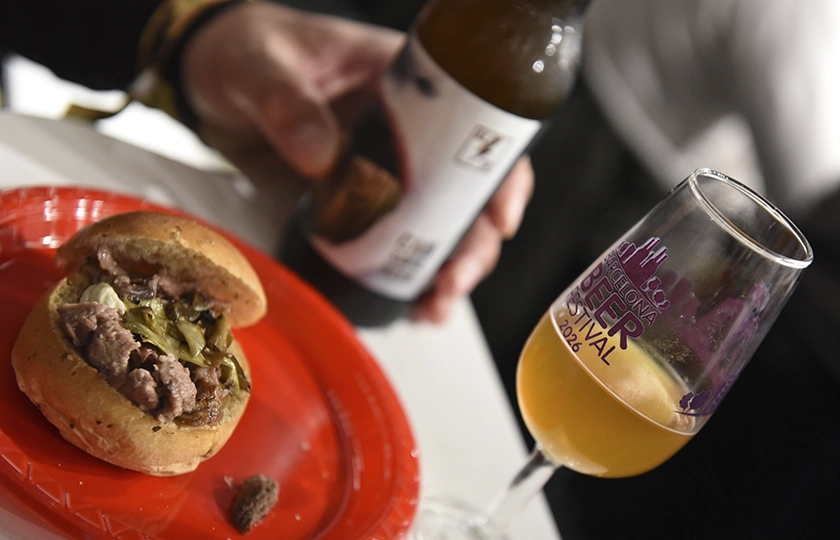
The 2026 edition has championed craft beer for what it is: a gastronomic product with its own identity. The inclusion of the pop-up restaurant 6×6 Maridatge by Jordi Àvila and Pep Nogué, alongside a ‘delicious’ programme of culinary activities, has reinforced the role of beer within the gastronomic discourse, not as an accompaniment, but as a central element.
The BBF, in fact, has reaffirmed itself as a barometer of global trends, consolidating its international character with the presence of leading breweries and emerging scenes from around the world. Among them was the Peruvian brewery Cervecería 7 Vidas, which presented eight award-winning beers led by its founder, Marco Málaga; and the participation of 3 Fonteinen’s brand ambassador, Raf Van Pottelbergh, who attended the BBF thanks to Visit Flanders.
At the same time, the collaborative spirit was reflected in the France-Catalonia cross-border project and in the Basque Beer space, which brought together brewers from the Basque Country with tastings, cultural activities and its own gastronomic offering.
The event also hosted the presentation of a study on the potential of beer tourism, which highlights the significant growth potential in this sector, where craft breweries can follow the model established by wine tourism or olive oil tourism in the country.
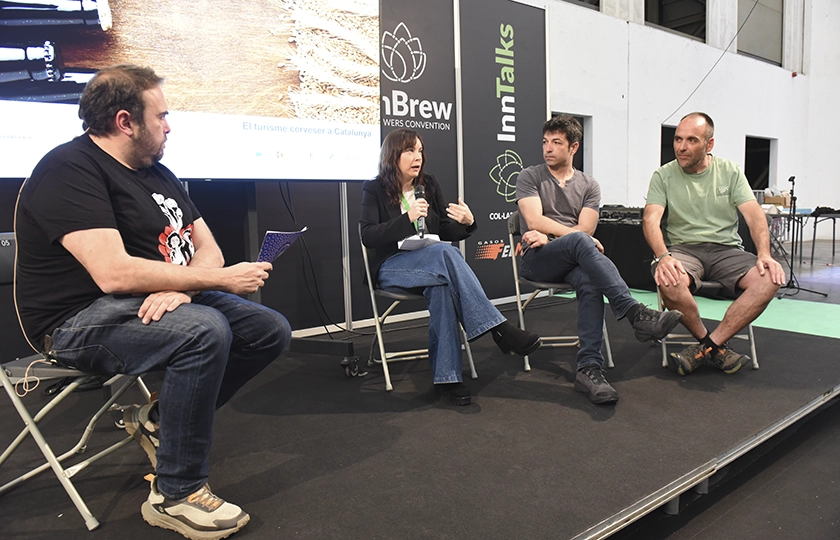
As many master brewers emphasise, “we have now reached the point where we are producing excellent craft beer here, with quality and variety, so we must take the next step and continue to grow, offer experiences and consolidate craft beer to keep attracting ever-wider audiences”.
Indeed, the BBF has demonstrated that this shift is taking place. Proof of this is the large audience that has attended the event over these three days. These visitors have mingled with regular enthusiasts, with those interested in craft beer and its uniqueness or its pairing with food, as well as with professionals from the catering, distribution and communications sectors. This confirms that craft beer has ceased to be a niche or an exception, and has instead become a growing cultural – and economic – sector.
11th edition of the Barcelona Beer Challenge
Once again, one of the festival’s highlights was the Barcelona Beer Challenge awards ceremony, considered one of the most prestigious international craft beer competitions. In its 11th edition, the competition has once again broken records with 837 beers entered, from 156 breweries across 14 countries, judged in 52 categories by a panel of 44 renowned judges.
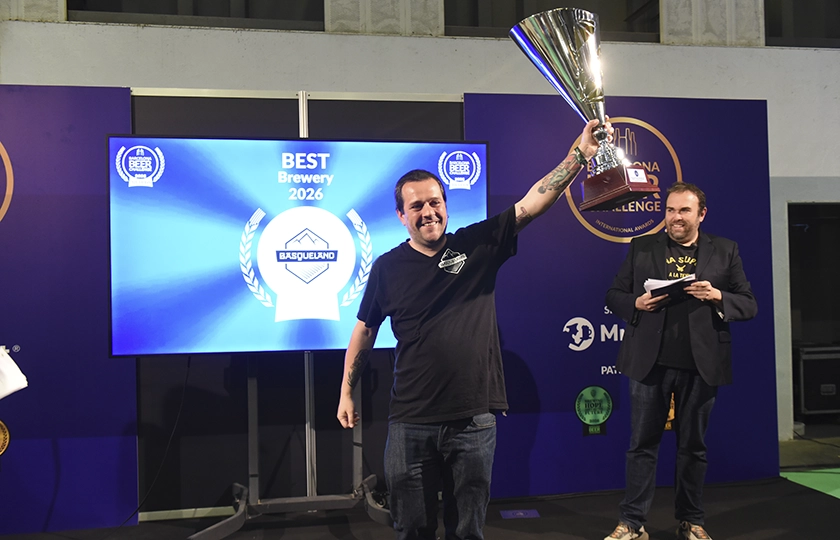
The 2026 edition was also one of the most rigorous in history. For the first time, the competition incorporated neuroscience into the tasting process, using electroencephalograms (EEGs) to analyse the sensory responses of the professional judges.
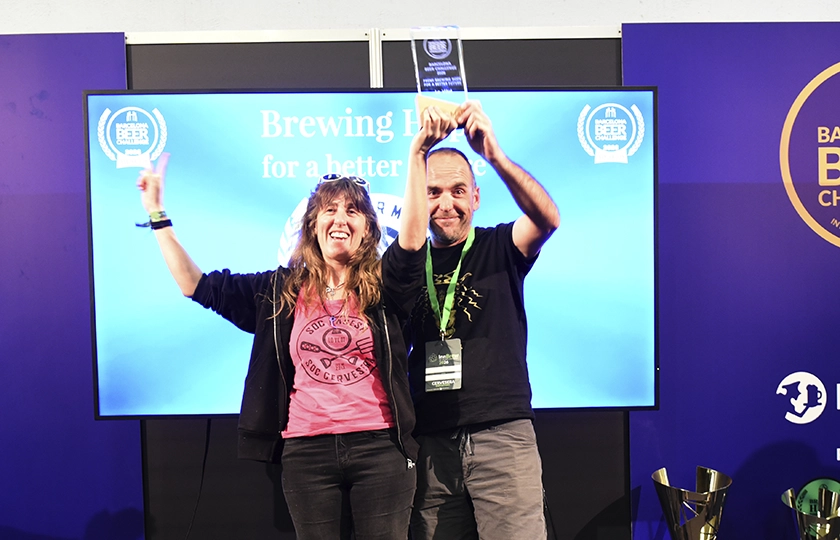
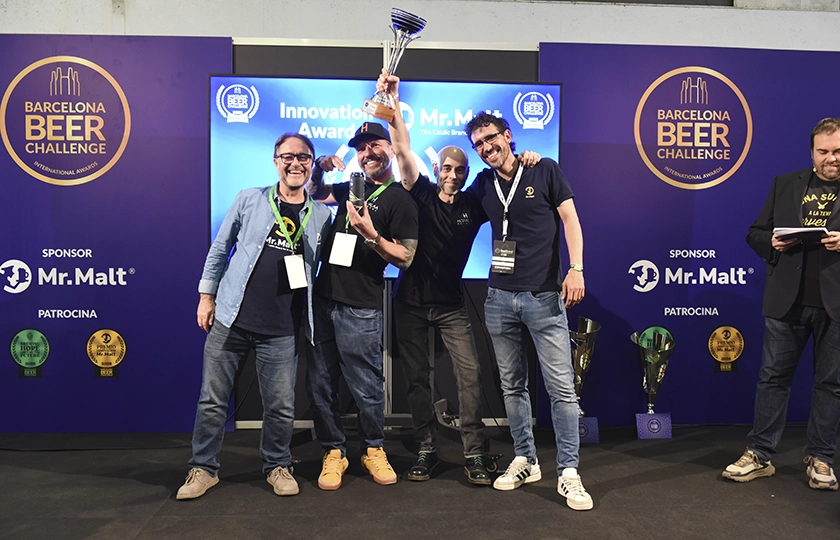
The competition has once again (for the fourth time) crowned Basqueland Brewing as Best Brewery of the Year, confirming its position as one of the leading names on the European craft beer scene. Likewise, Lleida-based Lo Vilot has been awarded the Brewing Hope for a Better Future by Mr Malt prize, which highlights projects committed to sustainability and a positive environmental impact; whilst in the realm of creativity, the Latvian brewery Hopalaa, for its ‘Momentum’ beer, has received the Mr Malt Innovation Award, a prize that recognises beers that offer something different without compromising on quality.
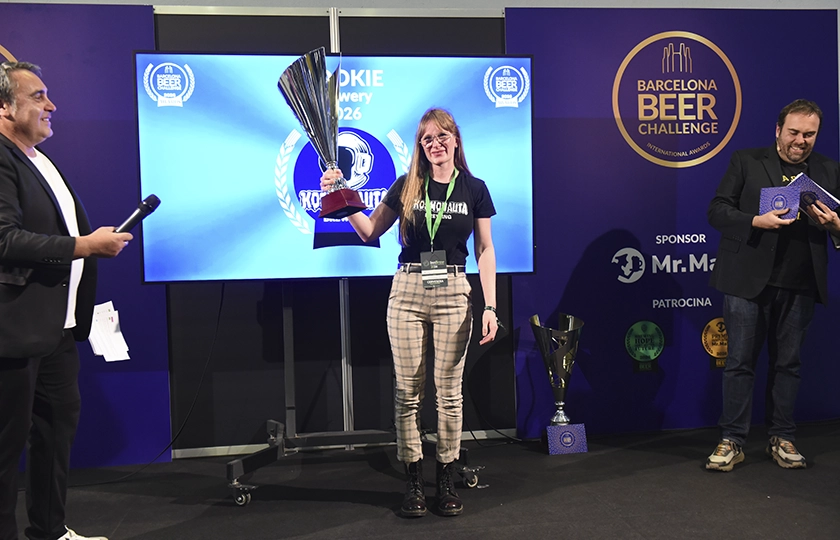
Furthermore, Toledo-based Kosmonauta has been recognised as Best New Brewer, establishing itself as one of the most solid emerging projects on the new national craft beer scene, whilst master brewer Guzmán Fernández has been awarded the special Steve Huxley Prize, which recognises a lifetime’s work linked to the development and professionalisation of the sector.
Source: ACEVEDO COM