

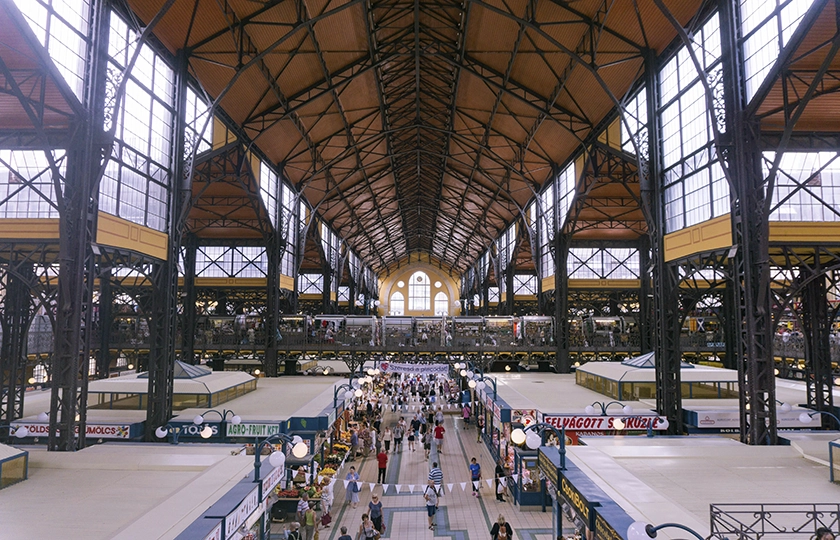
Without having to seek out the most exclusive restaurants, food markets allow you to discover a destination through its food and local life.
For many travellers, discovering a destination through its cuisine is almost a must. And although the temptation to book a table at the most sophisticated restaurants is strong, more and more foodies are finding that food markets are the perfect place to connect with the essence of a city.
Eating on the go, sharing an impromptu table or simply letting yourself be carried away by the aromas and colours of the stalls is an experience that goes beyond the purely culinary and becomes fully immersed in local life.
Les Enfants Rouges Market (Paris)
Although it may seem surprising, this market has a history stretching back over 400 years. In operation since 1615, it is the oldest covered market in the French capital. Locals regard it almost as a symbol of the city and visit regularly to stock up on fresh produce for their larder.
Among its stalls, you can find fresh, colourful fruit and vegetables, as well as numerous places to eat there and then or take away ready-made food. Alongside French produce and cuisine, the market also reflects the multicultural character of Paris, with Lebanese, Japanese and Italian culinary offerings. The market is open from Tuesday to Sunday, so it’s best to avoid visiting on Mondays.
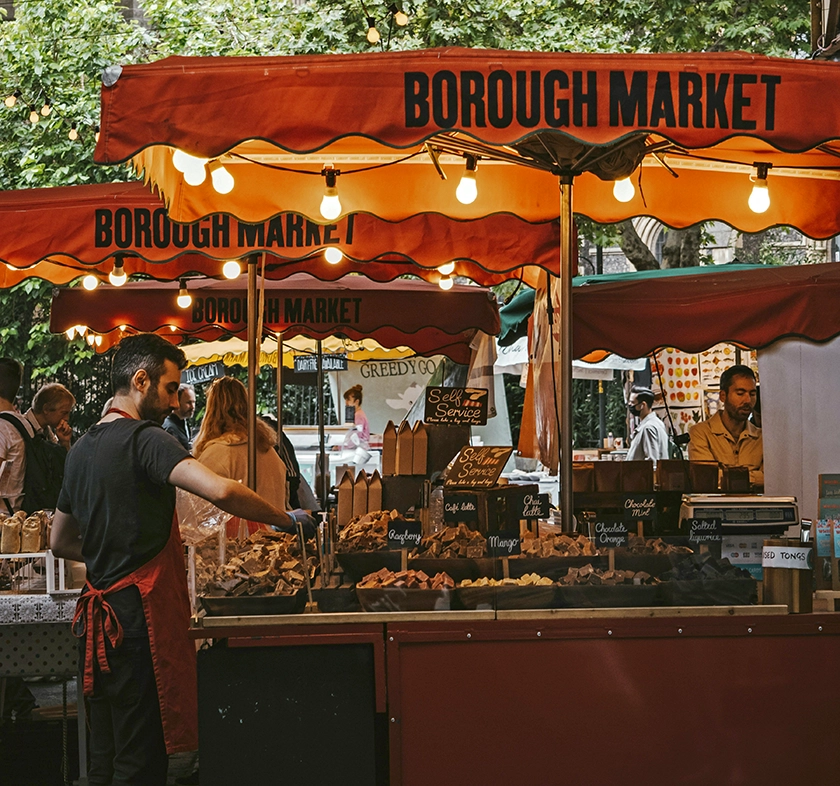
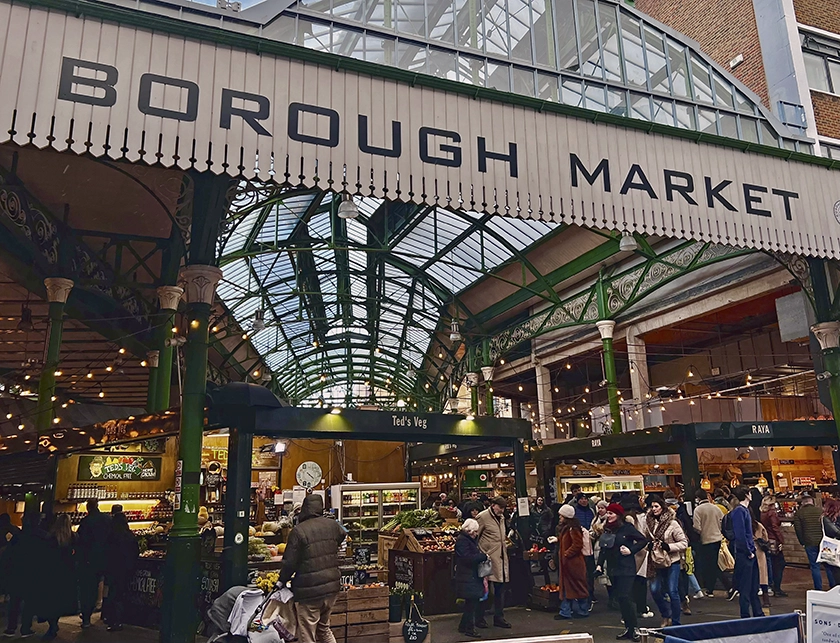
Borough Market (London)
It is not only one of London’s most important markets, but also, thanks to its nearly 1,000-year history, probably one of the most notable in Europe. The sheer number and variety of traders is truly astonishing.
From cheeses from Bath to organic Greek produce, a seven-generation-old oyster bar, Turkish food or craft beer: it’s practically impossible to leave Borough Market without finding what you’re looking for… and probably also without buying (and eating) far more than you intended. With such a wide and intriguing range on offer, it’s hard to resist. In fact, the market is so large and diverse that you could eat there every day of a stay in London and feel as though you’ve tried a different place each time.
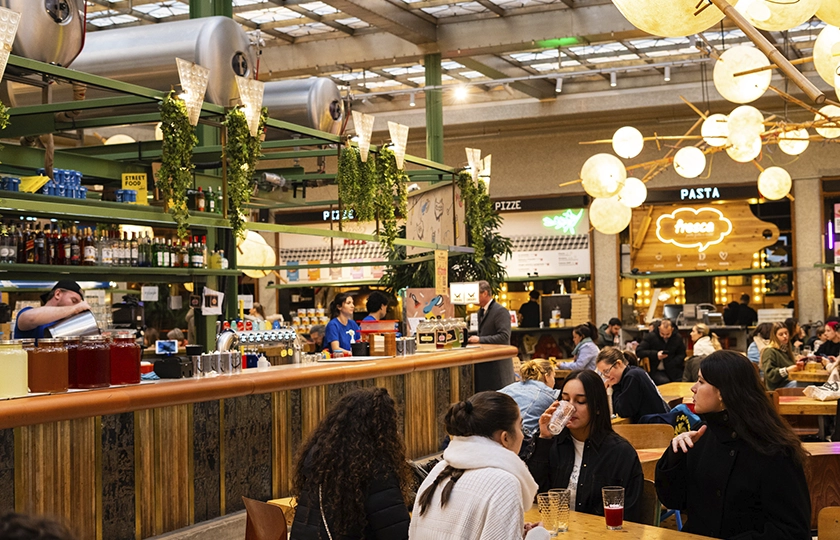
Wolf Food Market (Brussels)
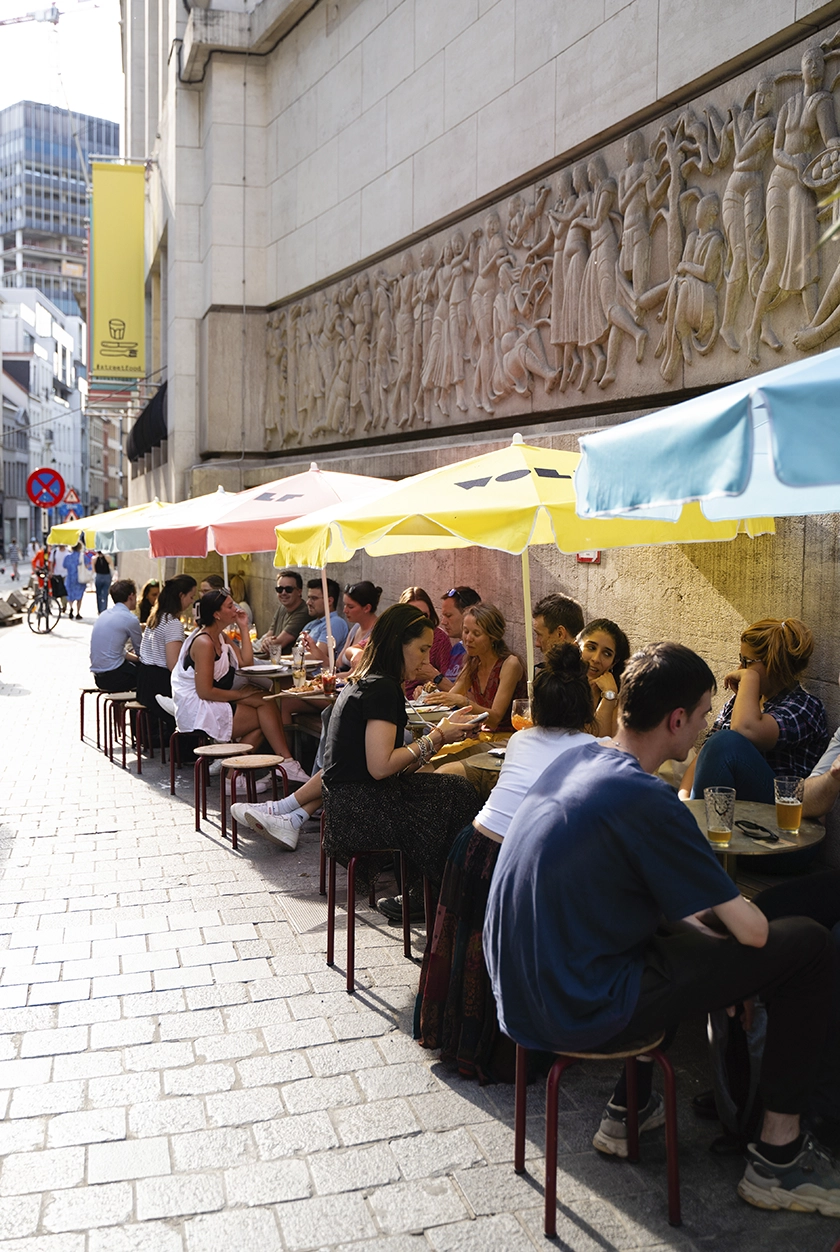
This market is the perfect reflection of a city that has become a European capital. Its multicultural character is clearly evident in its culinary offerings: pizzas, curry dishes, sushi, tacos and Vietnamese specialities all coexist under one roof.
Located in Belgium — a country where the brewing tradition is recognised as Intangible Cultural Heritage of Humanity — the market also has its own microbrewery, where private tours are even organised. With good food and a Belgian beer, few plans are as appealing for soaking up the city’s atmosphere.
Budapest Central Market
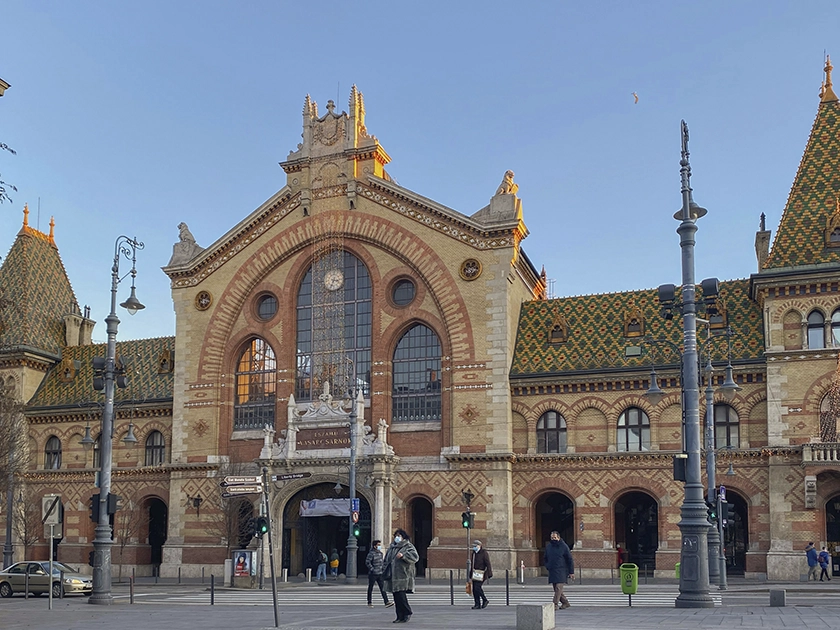
With over 180 stalls, the Central Market is the largest market in the Hungarian capital. One of its unique features is that, almost 30 years ago, it received the prestigious FIABCI Prix d’Excellence award for the magnificent restoration of the building following the Second World War, which restored its spectacular neoclassical architecture.
Today, locals flock here to stock up on fruit, vegetables and traditional produce, whilst visitors marvel at its architectural beauty and take the opportunity to buy culinary souvenirs. Both locals and tourists agree on one thing: trying typical dishes such as goulash or lángos, a type of fried bread that is very popular in Hungary.
A good market deserves a good starting point
Exploring a city’s markets usually means getting up early to see the fresh produce arrive, or returning at the end of the day to soak up the livelier atmosphere. For this sort of city break, having a well-located place to stay is essential.
easyHotel has hotels in all these European cities, such as easyHotel Paris Nord Aubervilliers, easyHotel London City Shoreditch, easyHotel Brussels City Centre and easyHotel Budapest Oktogon, from which it’s easy to get around the city and discover some of the continent’s most interesting markets. With its functional model — practical rooms, free ultra-fast Wi-Fi and locations well-connected by public transport — the chain offers a comfortable base from which to spend the day browsing stalls, sampling new flavours and being surprised by local life.
About easyHotel
easyHotel is a value-for-money, affordable and low-carbon hotel chain. Founded in 2004, it is owned by EPISO 6, a discretionary fund managed by Tristan Capital Partners LLP. The chain is driving its expansion across Europe over the coming years, capitalising on the strong recognition of the easy brand. The company aims to strengthen its presence in key markets, prioritising entry cities in southern and western Europe, with Spain, Portugal and France being of particular interest.
Brand overview
easyHotel operates approximately 50 hotels with around 4,700 rooms, including 16 franchised hotels (approx. 1,000 rooms) and 32 hotels that are either owned or leased (approx. 3,700 rooms).
Hotels
- United Kingdom: Belfast, Birmingham City Centre, Cardiff City Centre, Croydon Town Centre, Edinburgh, Glasgow City Centre, Ipswich Town Centre, Leeds City Centre, Liverpool City Centre, London Shoreditch, London Paddington, London South Kensington, London Victoria, Manchester City Centre, Milton Keynes Central, Newcastle City Centre, Oxford, Reading, Sheffield City Centre.
- Spain: Barcelona Fira, Barcelona La Sagrera, Madrid Alcalá, Valencia and Alicante.
- France: Marseille Euromed, Nice Old Town, Paris Charles De Gaulle Villepinte Airport and Paris Nord Aubervilliers.
- BENELUX (Belgium, the Netherlands and Luxembourg): Amsterdam Arena Boulevard, Amsterdam City Centre, Amsterdam Zaandam, Brussels City Centre, Maastricht City Centre, Rotterdam City Centre, The Hague City Centre, The Hague Scheveningen Beach.
- Switzerland: Basel, Geneva Airport Ferney Voltaire, Zurich City Centre, Zurich Limmatplatz and Zurich Main Station.
- Rest of Europe: Berlin Hackscher Markt, Budapest Oktogon, Dublin City Centre, Lisbon and Sofia.