

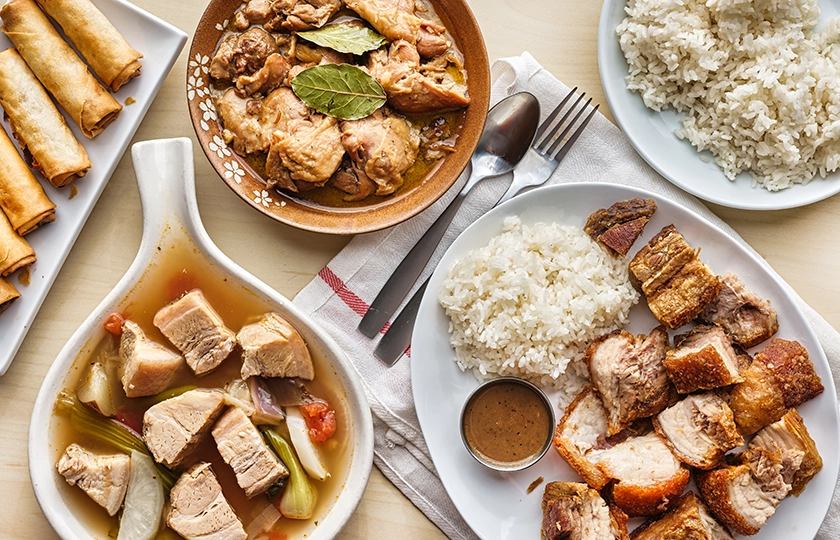
April, Philippine Gastronomy Month, celebrates a diverse cuisine characterised by intense flavours and a strong cultural identity that reflects history, tradition and evolution.
Philippine cuisine has become one of the major emerging players on the international culinary scene. As part of Philippine Gastronomy Month, which runs throughout April, the country is shining a spotlight on a cuisine that stands out for its character, its diversity and its ability to tell stories through every dish.
Far from the usual clichés, Philippine cuisine is best understood through everyday experience: recipes that vary by region, ingredients rooted in the local landscape and a cooking style that blends tradition with constant adaptation. The result is a culinary offering rich in nuances and deeply connected to the country’s identity.
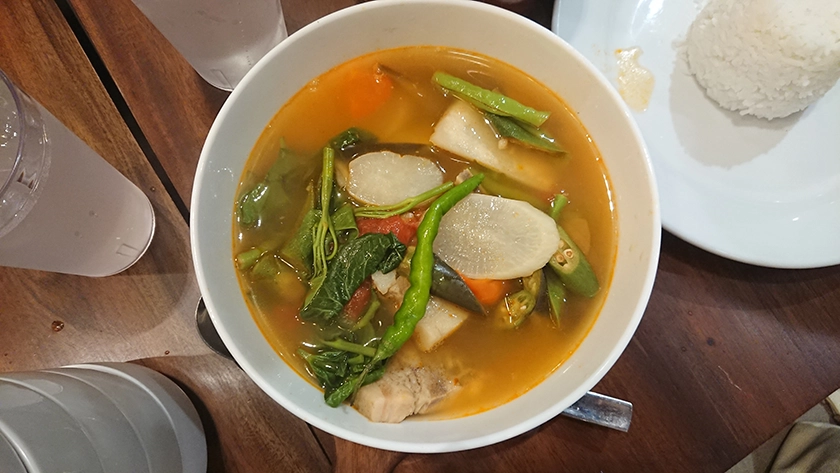
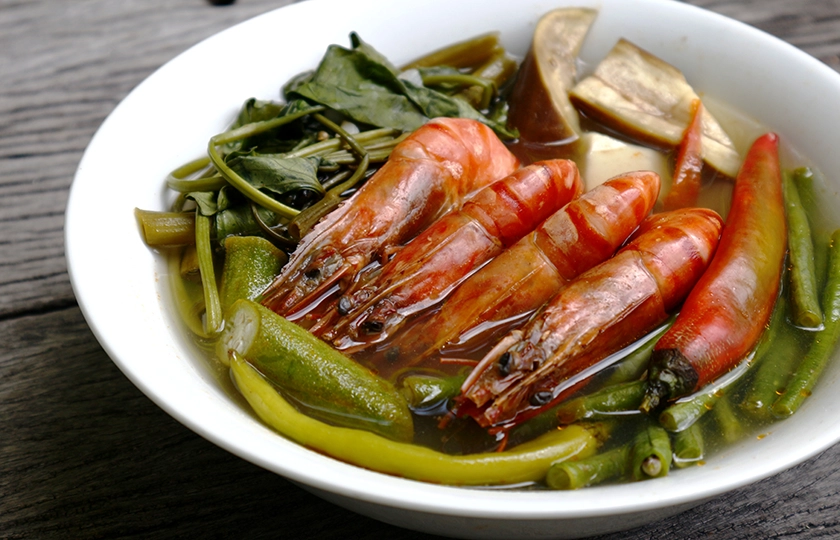
Among its most representative dishes is “adobo”, considered a national emblem, whose blend of vinegar, soy sauce, garlic and spices defines one of the most recognisable profiles of this cuisine. Joining it is “sinigang”, a tangy soup made with tamarind, which reflects the local preference for intense and contrasting flavours.
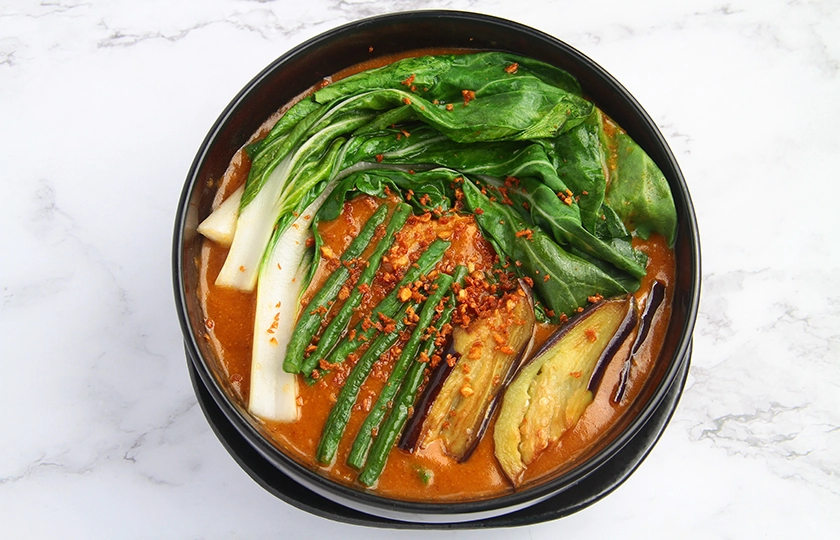
In the festive sphere, lechón retains its role as a symbol of celebration, whilst dishes such as “pancit” demonstrate the influence of Chinese cuisine on the local repertoire. Dishes such as “kare-kare”, with its characteristic peanut sauce, expand a culinary offering where tradition, memory and innovation coexist.
The world of sweets is also an essential part of this journey. “Halo-halo”, one of the best-known desserts, combines shaved ice, fruit, sweet beans and milk, reflecting both the diversity of ingredients and the creativity characteristic of this cuisine.
Each dish acts as a reflection of Philippine history: the passage of different cultures, trade routes and processes of exchange have left a visible mark on its cuisine. This blend of influences has given rise to a fusion cuisine, with its own identity and an increasingly prominent presence on the international stage.
In this regard, Philippine Gastronomy Month is establishing itself as a key platform for boosting its global visibility. The growing interest in new culinary offerings and the rising profile of Filipino chefs are putting this cuisine on the international radar, sparking the curiosity of an audience increasingly open to discovering different flavours.
Filipino cuisine thus presents itself as a complete cultural expression, capable of connecting past and present, tradition and innovation, and of offering a unique perspective within the global gastronomic landscape.
About the PHILIPPINES
Comprising 7,641 islands, of which more than 5,000 are unnamed on international maps, the Philippines is a destination of endless possibilities, where exploration and discovery are part of the experience. This unique geography, with its spectacular natural beauty featuring volcanic landscapes, tropical rainforests and exceptional biodiversity, is enhanced by the world’s fourth-longest coastline. A natural privilege that translates into miles of idyllic beaches, crystal-clear waters and some of the richest marine ecosystems on the planet.
Source: COMUNICACIÓN IBEROAMERICANA