
- The Taş Tepeler Project celebrates its fifth anniversary with 30 new discoveries—including sculptures, reliefs, and ritual objects dating back 12,000 years—that offer unprecedented insight into the earliest Neolithic communities in Anatolia.
- With 12 interconnected sites, an international collaboration of 36 institutions, and ambitious conservation and infrastructure plans, the region is establishing itself as a key location for understanding the origins of civilisation.
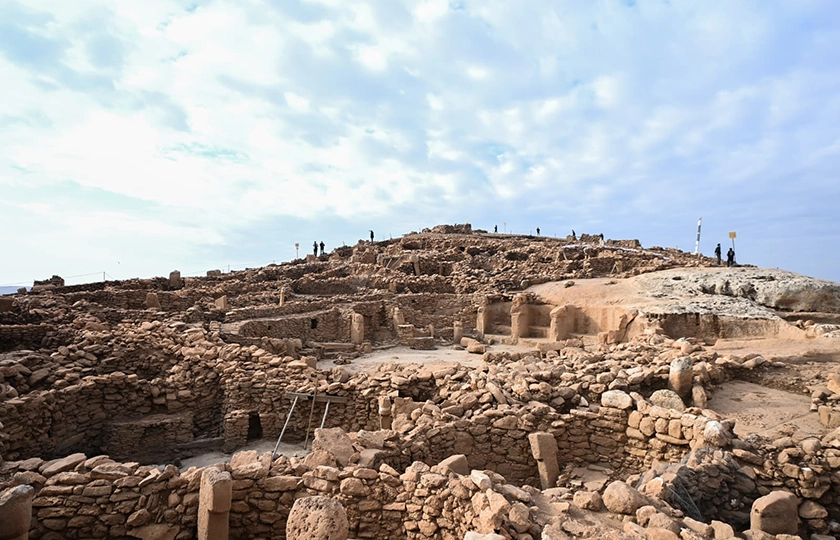
In the heart of Harran, in south-eastern Türkiye, a group of ancient archaeological sites is radically transforming our understanding of humanity’s earliest ancestors. The Taş Tepeler Project—which encompasses 12 Neolithic sites in the province of Şanlıurfa—is celebrating its fifth anniversary with the presentation of 30 extraordinary newly excavated finds that offer an unprecedented insight into life 12,000 years ago.
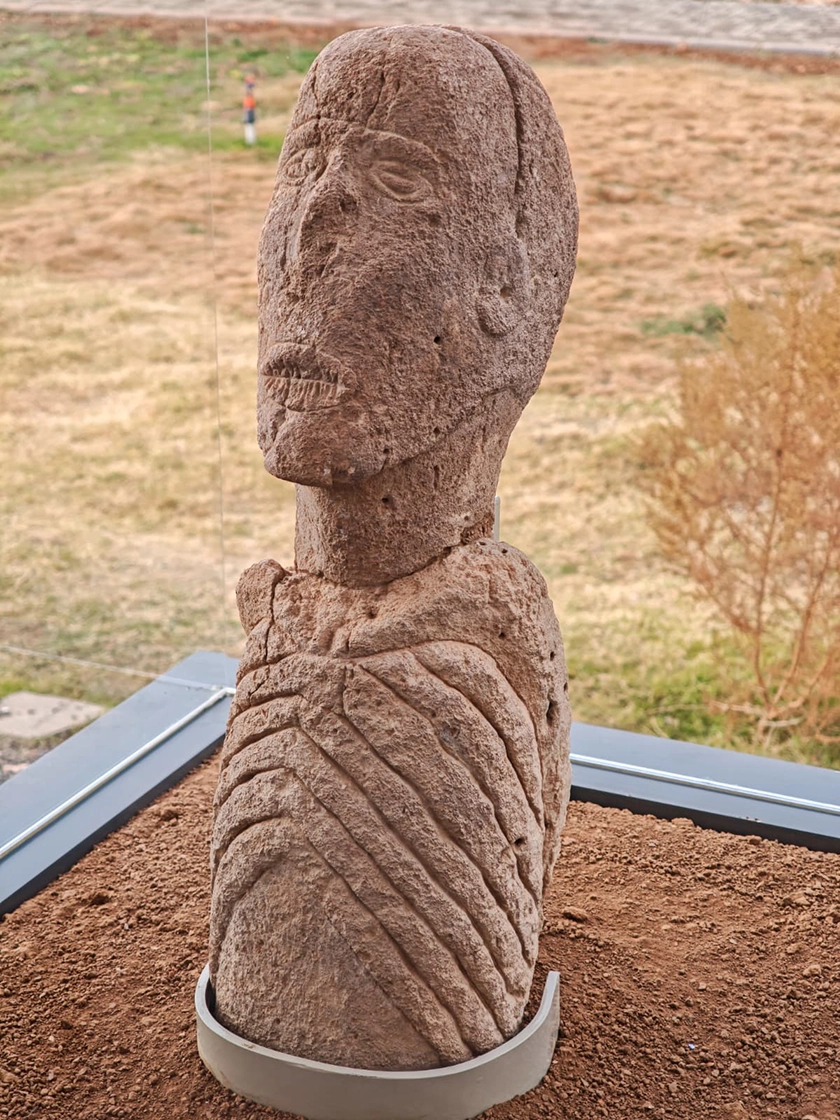
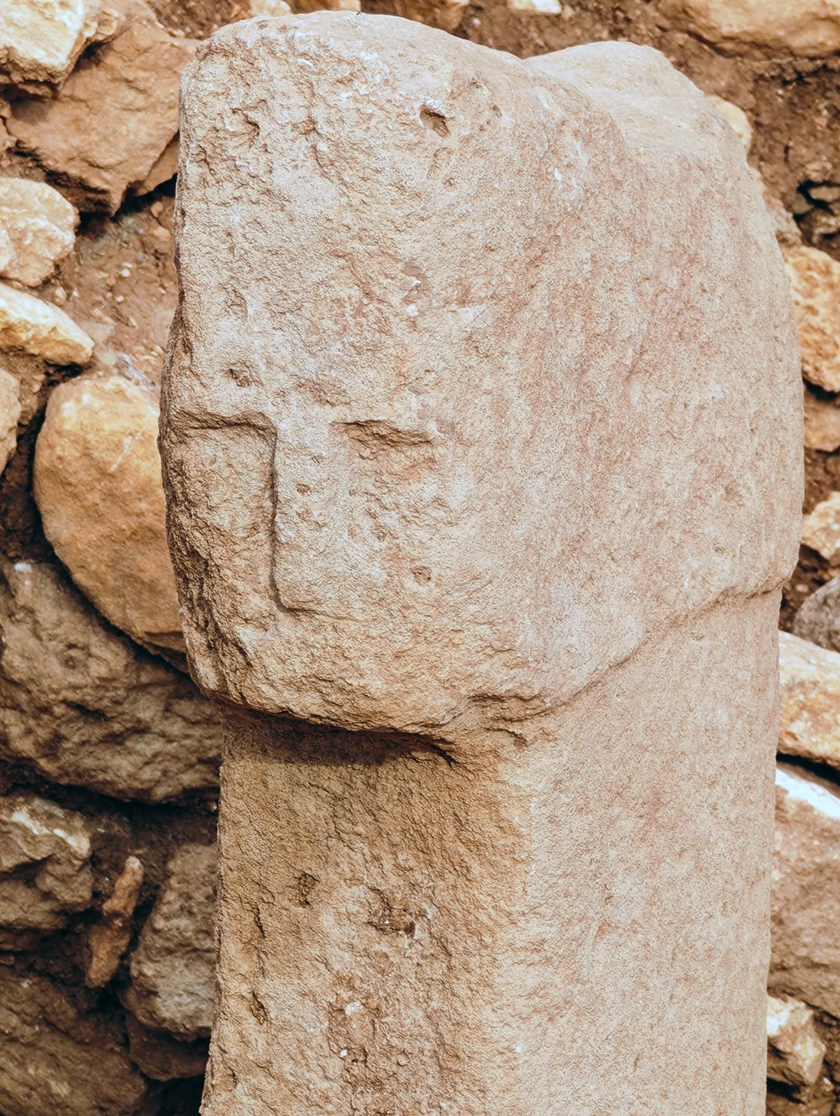
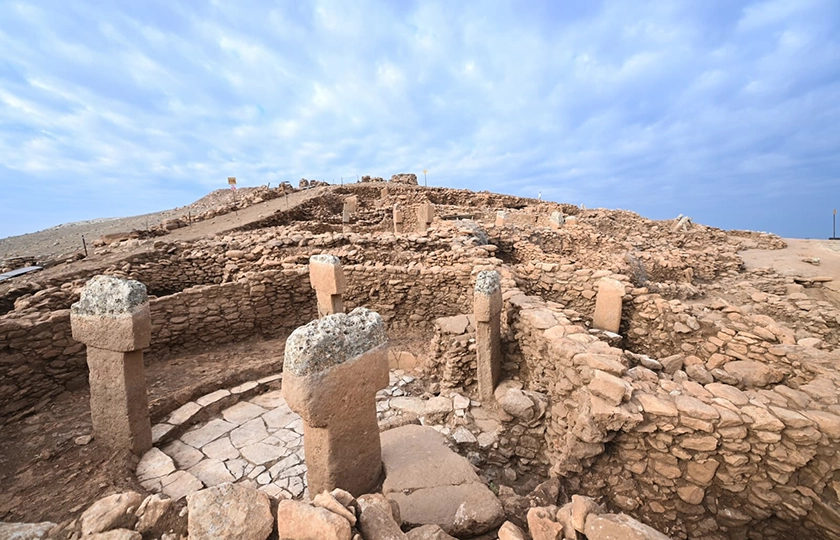
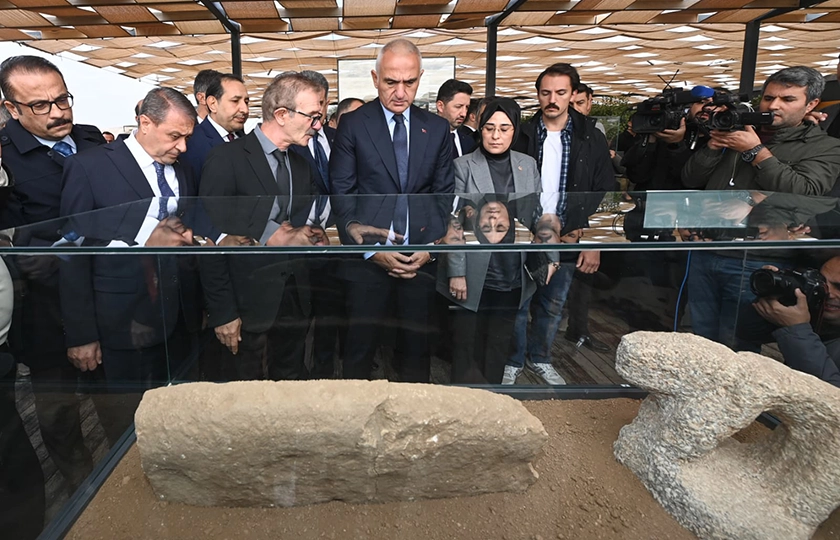
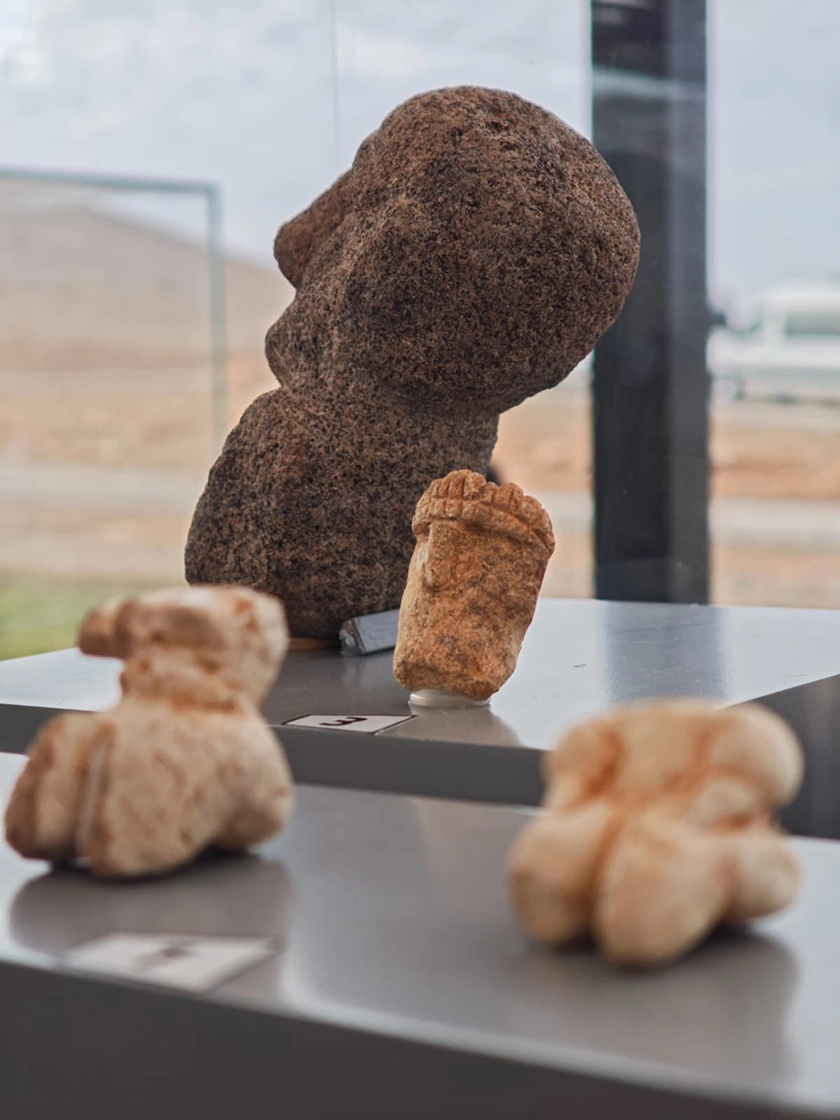
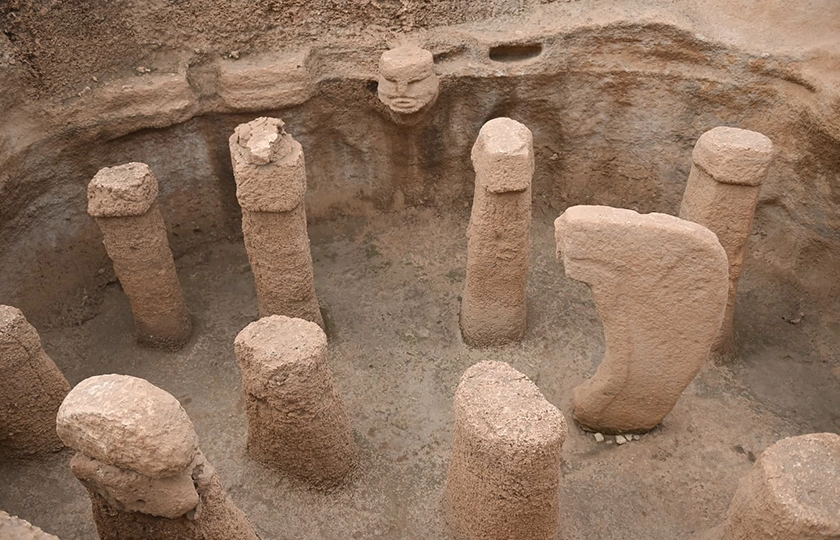
Among the most striking discoveries presented this year at the Karahantepe Visitor Centre is a human sculpture from Sayburç depicting a deceased person with a sewn-up mouth, offering a chilling glimpse into ancient funeral rituals and symbolic practices. From Göbeklitepe, the UNESCO World Heritage Site that is the epicentre of the region, archaeologists have revealed the human figure embedded in a wall as a votive offering, testimony to the sophisticated aesthetic sensibility of Neolithic sculptors.
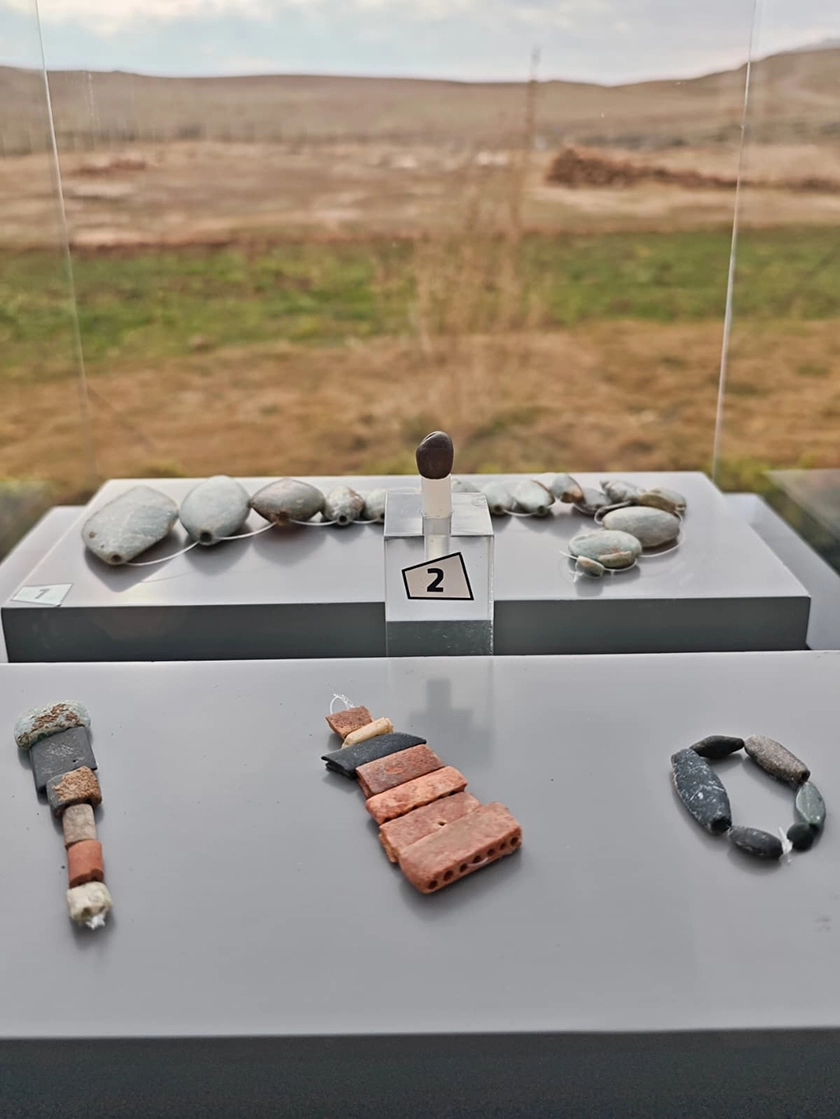
Sefertepe has also yielded unique discoveries: two reliefs of human faces carved using high relief and low relief techniques, whose particular styles distinguish them from others found at Taş Tepeler. Even more intriguing is a bifacial bead made of black serpentinite, perforated in the centre and carved with expressive human faces on both sides, an exceptional example of Neolithic craftsmanship.
A region that challenges everything we thought we knew
‘These settlements have opened up new horizons in world history,’ said Mehmet Nuri Ersoy, Minister of Culture and Tourism of Türkiye, during the anniversary ceremony. And the evidence is compelling: 12 millennia ago, Anatolia was home to densely populated settlements of varying sizes, suggesting a level of social complexity that was previously considered impossible by historians.
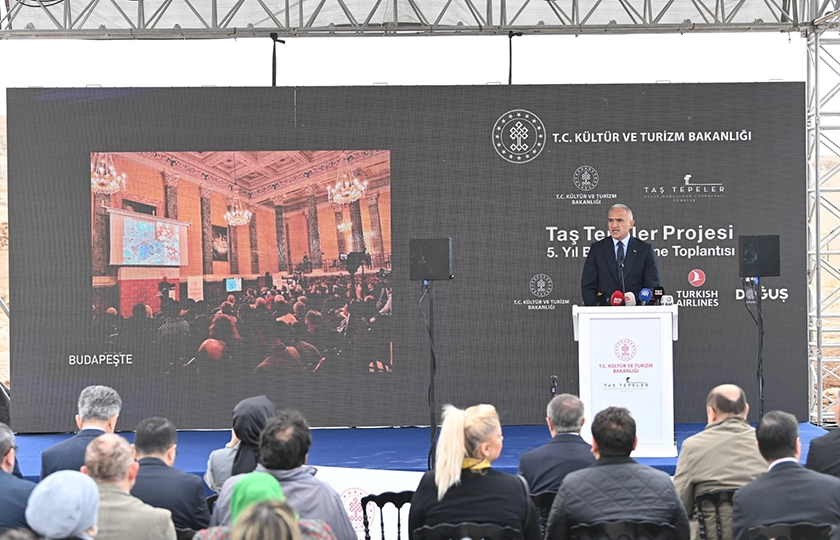
The ambition matches the significance. Minister Ersoy envisions Taş Tepeler as ‘the world capital of the Neolithic,’ a bold claim backed by the steady stream of discoveries that challenge traditional accounts of humanity’s transition from nomadic hunter-gatherer life to sedentary communities.
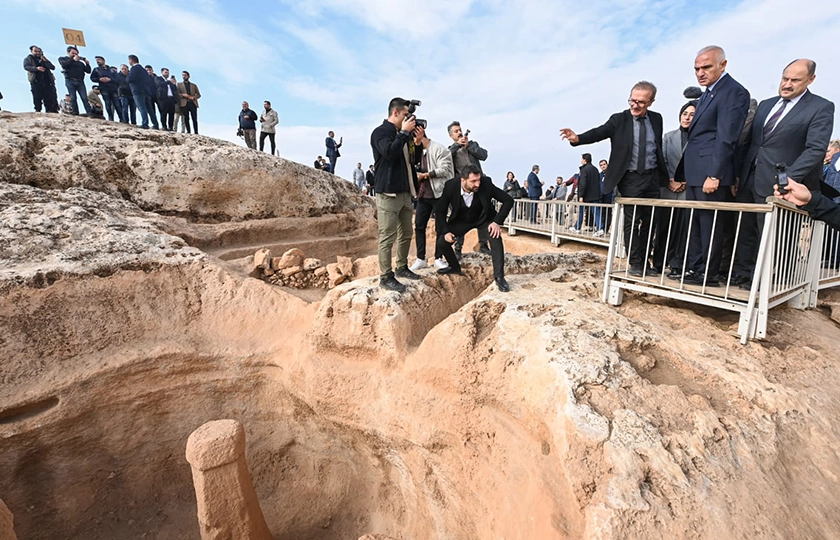
While Göbeklitepe has captured international attention since its discovery, Karahantepe presents itself as an equally fascinating scientific enigma. Together with the ten other sites—Sayburç, Sefertepe, Harbetsuvan, Çakmaktepe, Yenimahalle, Söğüt Tarlası, Mendiktepe, Yoğunburç, Gürcütepe, and the newly added Ayanlar Höyük—these ancient settlements form a constellation of human achievements that compels us to reconsider the Neolithic period, one of the least understood periods in our history.
A global effort to preserve the past
The Taş Tepeler Project goes far beyond archaeological excavation. It represents an extensive international collaboration bringing together 36 academic institutions—15 Turkish and 21 international—and 219 researchers working simultaneously at the 12 sites. This unprecedented coordination ensures a comprehensive understanding of the interconnected settlements in the region.
Conservation efforts are on par with their discoveries. Under the Ministry of Culture and Tourism’s ‘Legacy for the Future’ project, restoration of the Lion Structure and Structure C at Göbeklitepe has been completed, while the AD Structure at Karahantepe and a residential building at Sayburç are currently undergoing architectural restoration.
Infrastructure development is also progressing on a large scale. A new visitor centre at Göbeklitepe and a research centre with an excavation house at Karahantepe are nearing completion. The research centre will have the capacity to carry out all the archaeometric studies linked to the Taş Tepeler Project, centralising the scientific analysis of these findings that are changing history.
As the sixth year of the project begins, each carefully excavated artefact and each precisely documented structure continues to shed light on the sophisticated societies that flourished in this region thousands of years before the pyramids, Stonehenge and the invention of writing. The Taş Tepeler sites stand as a testament to human creativity in its earliest stages, reminding us that the history of civilisation is far older, more complex and more extraordinary than we ever imagined.
The treasures of Taş Tepeler shine on the world stage through international exhibitions
Türkiye is actively promoting the Taş Tepeler region and its extraordinary finds to a global audience through a series of exhibitions.
- The exhibition ‘Göbeklitepe: The Enigma of a Sacred Place’ remained open for six months at the Colosseum in Rome, from October 2024 to March 2025, attracting a record six million visitors.
- Turkey will open ‘Built Community: Göbeklitepe, Taş Tepeler and Life 12,000 Years Ago’ at the James-Simon-Galerie in Berlin, where it will be on display between February and July 2026.
- Discussions are also underway with relevant institutions to organise exhibitions on Göbeklitepe/Taş Tepeleren at London’s historic Guildhall Art Gallery in 2026 and at the National Museum of Tokyo in Japan in 2027.
About the TURKEY TOURISM PROMOTION AND DEVELOPMENT AGENCY (TGA)
TGA operates to ensure that Türkiye is a recognised brand in national and international tourism, to promote Türkiye’s tangible and intangible, natural, cultural, biological and man-made heritage, and to engage in short-, medium- and long-term communication/marketing activities to increase the share of tourism investments in the national economy and improve the quality of service in tourism.
TGA is responsible for carrying out all promotion, marketing and communication activities to help Türkiye achieve its tourism objectives, promote and market current tourism resources worldwide, and discover, develop and make available potential tourism resources online, in line with the tourism strategies and policies developed by the Ministry of Culture and Tourism.
Source: COMUNICACIÓN IBEROAMERICANA