

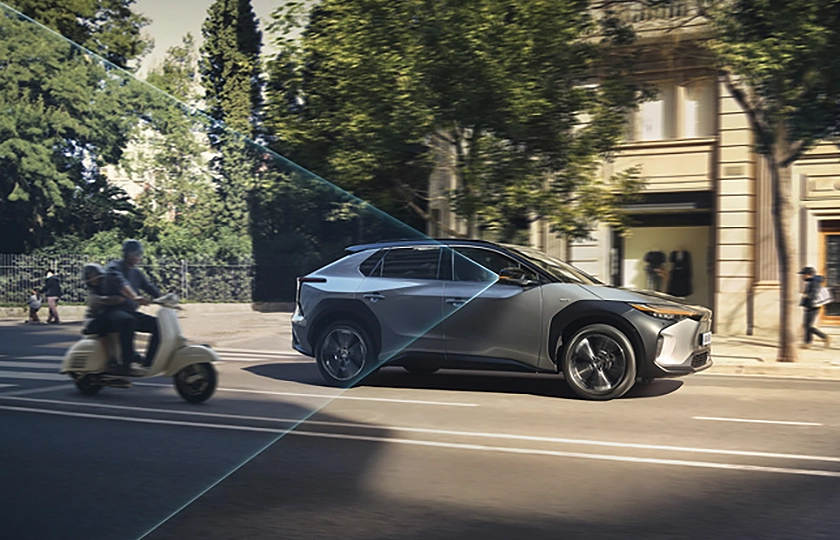
- Toyota Safety Sense (TSS4) integrates the most advanced active safety and driver assistance technologies to support the driver in their daily driving and provide a safer and more comfortable driving experience.
- Thanks to a combination of state-of-the-art cameras, radars and intelligent sensors, Toyota Safety Sense is able to anticipate potential hazards and assist the driver in real time, both on the motorway and in urban environments.
- Toyota thus reaffirms its commitment to the values that define the brand’s DNA: quality, reliability and durability, putting technology at the service of safer and more efficient mobility.
Safety has always been one of Toyota’s fundamental pillars. It is from this philosophy that Toyota Safety Sense (TSS4) was born, the suite of active safety and driver assistance systems developed by Toyota to help prevent accidents, protect occupants and make every journey safer, more comfortable and more reliable.
Toyota Safety Sense represents Toyota’s ongoing commitment to innovation and to technology designed to support the driver in a natural and intuitive way. Technology developed to the standards of quality, reliability and durability that are part of Toyota’s DNA and which help to instil greater peace of mind and confidence behind the wheel.
Thanks to its advanced detection and assistance systems, Toyota Safety Sense is able to detect hazardous situations around the vehicle, alert the driver and actively assist them whilst driving. All of this is designed to make every journey safer and more comfortable.
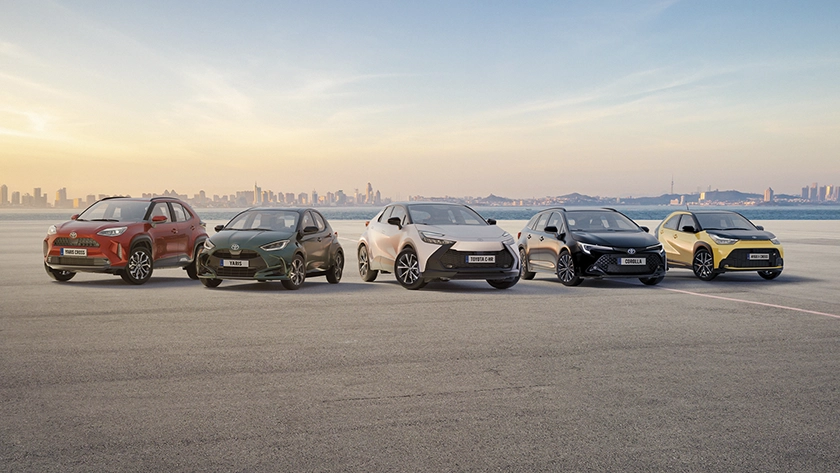
Advanced technology for safer driving
Toyota Safety Sense is part of Toyota Assist, Toyota’s ecosystem of active safety and driver assistance technologies. This suite of technologies helps prevent accidents, improve occupant protection and make driving easier both on the motorway and in town.
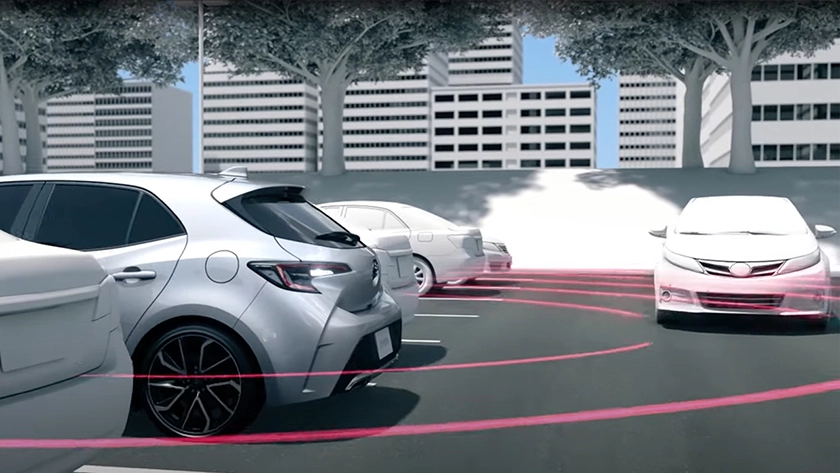
Among its key features is the Pre-Collision Safety System with pedestrian detection, which constantly monitors the road using a front-facing camera and smart sensors. If it detects a risk of collision with a vehicle, pedestrian or cyclist, the system alerts the driver and prepares the brakes to maximise their effectiveness if necessary.
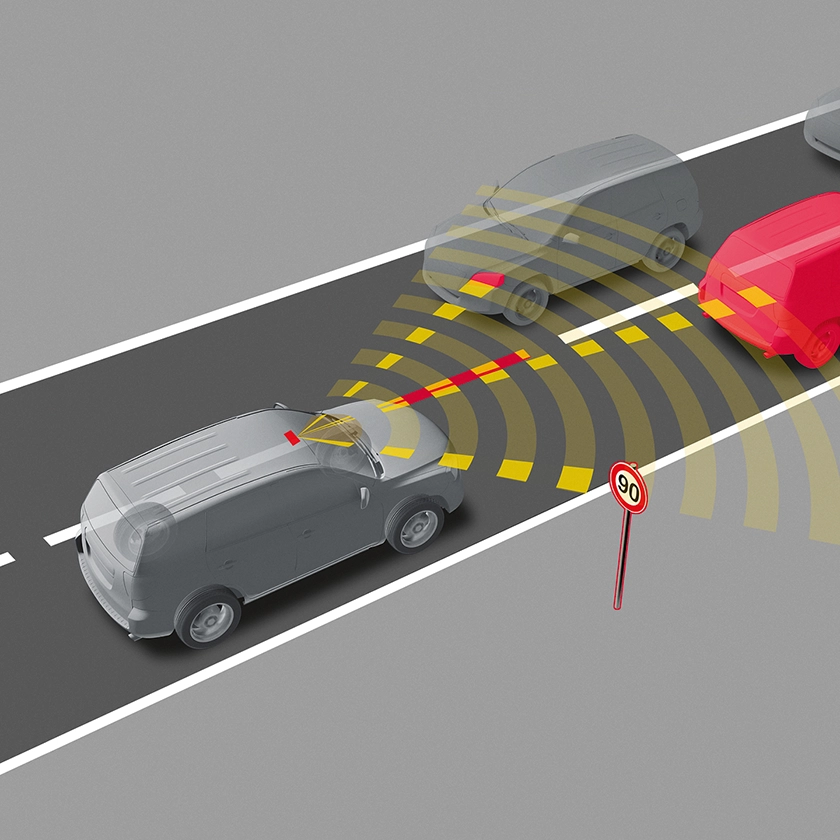
Toyota Safety Sense also incorporates technologies that help improve safety and comfort on daily journeys, such as Traffic Sign Recognition, Lane Departure Alert and Lane Tracing Assist, which helps keep the vehicle centred in the lane.
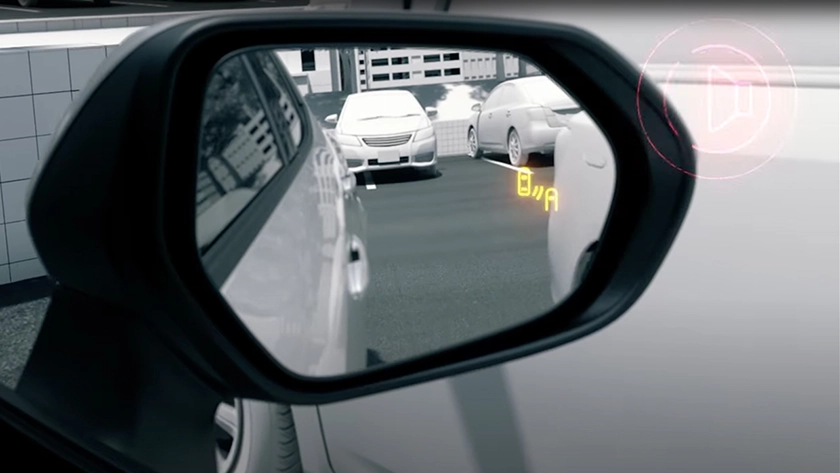
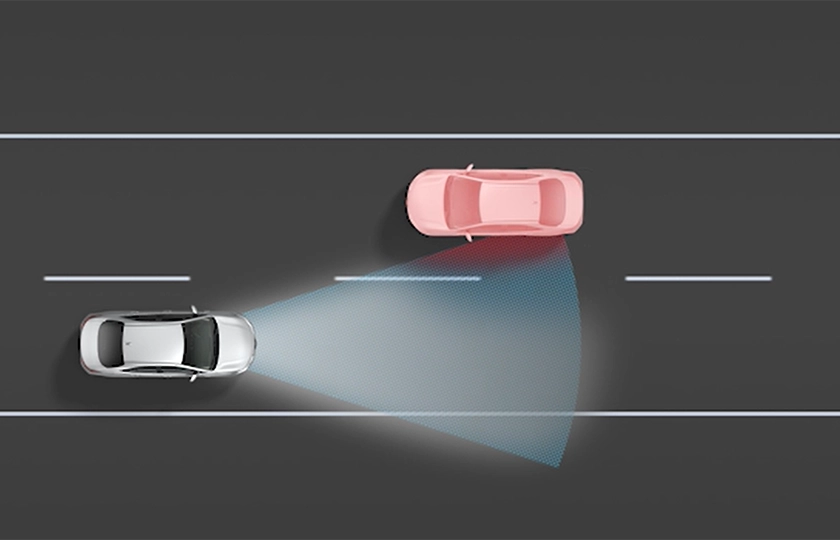
In addition, Adaptive Cruise Control automatically adjusts speed according to traffic conditions and maintains a safe distance from the vehicle ahead, promoting a more comfortable and efficient driving experience. Added to this are systems such as Intelligent High Beam Control, Blind Spot Detection, Rear Traffic Alert and the 360° Panoramic View Camera, which help improve visibility and enhance safety during manoeuvres and in urban environments.
The Toyota promise: quality, reliability and durability
With Toyota Safety Sense, Toyota continues to develop technologies designed to offer a safer, more intuitive and more relaxed driving experience for both driver and passengers.
This philosophy is part of Toyota’s commitment to quality, reliability and durability – values that have defined the brand for decades and made Toyota a global benchmark within the automotive industry.
Let's Go Beyond by Toyota
Toyota, through its Toyota and Lexus brands, is a world leader in the sale of electrified models, with over 25 million electrified cars sold worldwide and more than half a million units in Spain since 1997. Toyota’s electrification roadmap, with its sights set on a CO2-free society, began over 25 years ago with the advent of hybrid technology, and we have been working towards that goal ever since. This demonstrates the brand’s commitment to helping achieve sustainable mobility by reducing greenhouse gas emissions (CO2) to help combat climate change, and by reducing emissions of polluting gases (NOx and particulates) that directly affect people’s health. In fact, NOx emissions are 95% below the limit set by current legislation; for example, in the Corolla Touring Sports, nitrogen oxide emissions are just 6 mg/km, compared to the expected limit of 60 mg/km for Euro 6 petrol cars and 80 mg/km for Euro 6 diesel cars. Taking action to tackle climate change is an urgent matter worldwide, and the promotion of sustainable, low-carbon energy has long been a major objective. That is why the company is taking a further step to address environmental challenges, placing hydrogen-based technologies at the forefront and seeking to make them the primary energy source for tomorrow’s society. A future society in which there will not only be zero emissions, but where we will go even further, connecting people, buildings and vehicles within a single ecosystem, which will lead to a better society, centred on mobility for all – a form of mobility that goes beyond cars and is about overcoming challenges and making dreams a reality.
Toyota Spain (TES) distributes, markets and provides after-sales service for Toyota and Lexus vehicles from its headquarters in Alcobendas (Madrid), supported by a network of 74 Toyota dealerships, operating across 160 Toyota sales outlets and 177 Toyota service centres. Vehicle distribution is carried out from the Sagunto Logistics Centre (Valencia) and spare parts distribution from the Central Warehouse in Illescas (Toledo). Furthermore, Toyota Spain has a Training Centre in Alcobendas (Madrid). In the 2025 financial year, Toyota sales in Spain reached 105,424 registered units and Lexus sales 9,200 units.
Source: TOYOTA ESPAÑA Press Office