

The northern Argentine province is establishing itself as a unique destination in South America, thanks to a tourism offering that combines historical heritage, cultural identity and a remarkable diversity of natural landscapes.
Tucumán, a province in northern Argentina, is establishing itself as a unique destination in South America, thanks to a tourism offering that combines historical heritage, cultural identity and a remarkable diversity of natural landscapes, with a focus on sustainable development and authentic experiences.
With a strong territorial identity, the province invites visitors to discover a land where vestiges of ancient civilisations, traces of the colonial period, living traditions and natural environments ranging from the Calchaquí Valleys to the Yungas forest coexist. Its tourism offering is designed for travellers seeking a connection with history, local culture and nature.
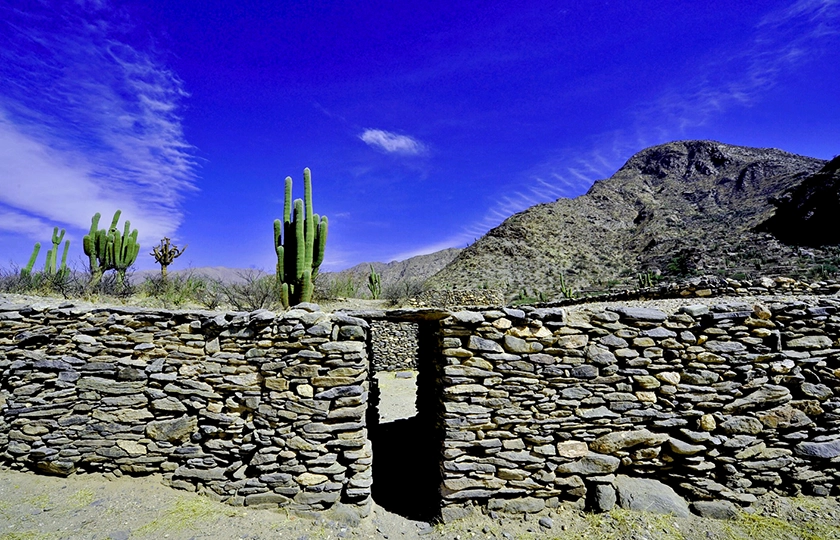
One of Tucumán’s main attractions is the Sacred City of Quilmes, one of the most important pre-Hispanic settlements of the Calchaquí peoples. Inhabited since 800 AD and with a population that once exceeded 10,000, it preserves imposing stone structures and a fortress located at the top of the hill. The site can be visited together with the Quilmes Interpretation Centre, where archaeological finds of great historical and cultural value are exhibited and contextualised.
The Jesuit Trail is another fundamental part of the province’s cultural offering. This route invites visitors to discover the main sites linked to the presence of the Society of Jesus in Tucumán since 1585, combining history, architecture and spirituality in an experience that connects the colonial past with the present.
In the gastronomic and sensory sphere, Tucumán stands out for the Altura Wine Route, a circuit that visits wineries and vineyards located in the Calchaquí Valleys. Currently comprising eleven establishments located along National Routes 40 and 307, the route offers tastings, guided tours and wine tourism experiences in a unique mountain setting. The wines, made in the spirit of Pachamama, are complemented by accommodation and regional cuisine, providing an experience that reflects the local identity and way of life.
Cycling tourism is another option that promotes active and sustainable discovery of the Tucumán region. The province has routes adapted to different levels of experience, such as the Quebrada del Portugués, the Tafí del Valle Circuit, the Los Sosa Nature Reserve, the Potrero de las Tablas Circuit and the Quebrada del Río Los Nogales. These alternatives allow you to explore valleys, mountains, forests and waterways, fostering a direct connection with the landscape.
Among the cultural offerings, the Las Huellas de Mercedes Sosa tour also stands out, an initiative that invites visitors to discover Tucumán through the life and legacy of one of the most universal figures in Argentine popular music. The itinerary combines spaces, landscapes and stories that are part of her personal and artistic history, integrating music, collective memory and cultural identity.
With this diversity of offerings, Tucumán presents itself as a destination that combines history, nature, culture and sustainable experiences, offering visitors a deep and authentic glimpse of northern Argentina.
Source: TGV LAB Communication Agency