

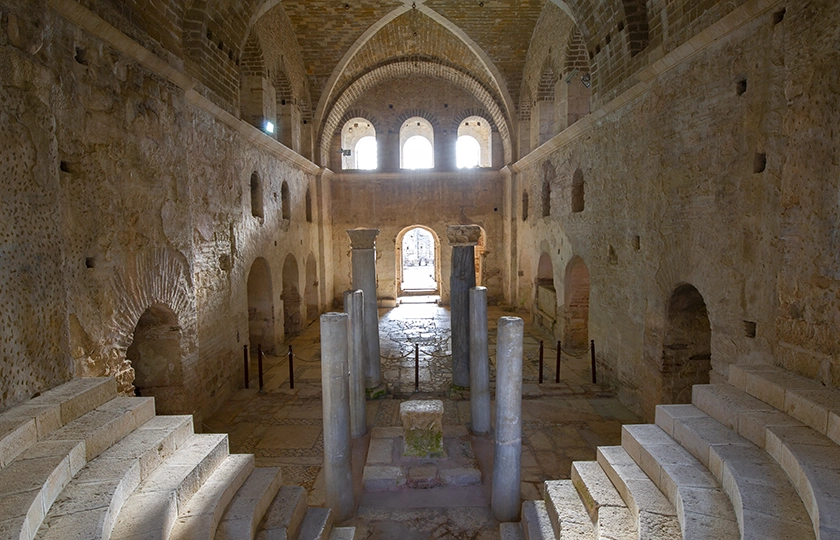
This destination, with its rich historical and spiritual heritage, is a particularly appealing option for a getaway at this time of year, combining springtime scenery with some of the most significant sites of early Christianity.
When Holy Week coincides with some of the most pleasant days of spring, a short break can be particularly appealing. In this context, Türkiye stands out as a particularly interesting destination, thanks to its natural landscapes and rich spiritual heritage, forged over centuries by faith, history and culture.
Specifically, the country’s Christian routes offer a different way to experience Holy Week, in the very regions where the early centuries of Christianity unfolded. From İznik, in the province of Bursa—an important centre of early Christianity that hosted decisive ecumenical councils—to Cappadocia, where persecuted Christian communities practised their faith in secret, pilgrimage routes across Türkiye allow visitors to explore historic sites linked to one of the most important festivals in the Christian calendar.
The spiritual journey begins in İznik
The town of İznik, in Bursa, part of the Cittaslow network and also included on UNESCO’s Tentative List of World Heritage Sites, is one of the most interesting stops for an Easter break. Once considered a holy city, İznik hosted two of the most significant ecumenical councils recognised by all Christian churches.
Among these, the First Council of Nicaea stands out, held precisely in İznik, where the date for celebrating Easter was established. Located just a day’s journey from Istanbul, the city is particularly pleasant in spring, when the surroundings are filled with flowers.
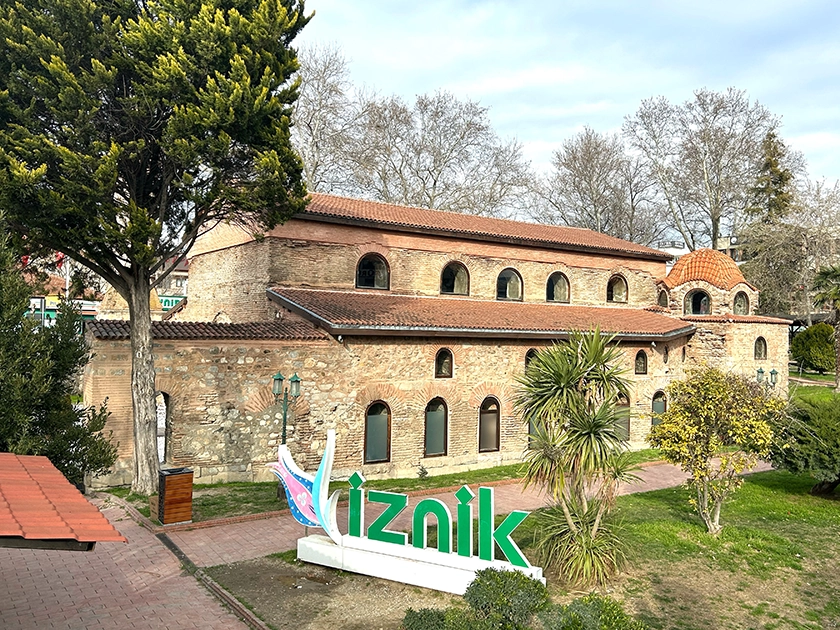
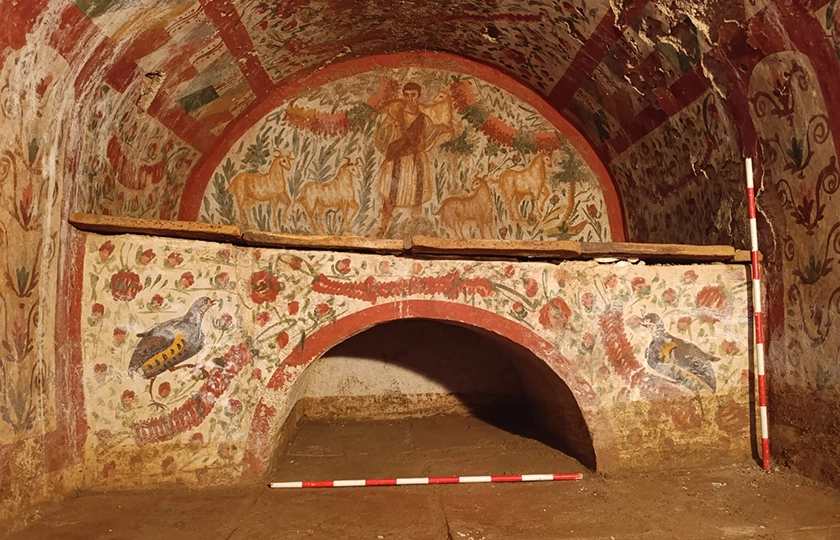
Today, visitors to İznik can explore the Hagia Sophia Mosque, believed to have hosted the Seventh Ecumenical Council, stroll along the ancient city walls or discover the Roman theatre. The town also houses archaeological finds of great interest, such as a unique burial chamber featuring a depiction of Jesus as the Good Shepherd, discovered in the Hisardere necropolis.
Beyond its historical heritage, İznik also invites you to enjoy peaceful activities in the heart of nature, such as canoe trips on the lake, walking or cycling routes, as well as sampling fresh fish from the lake.
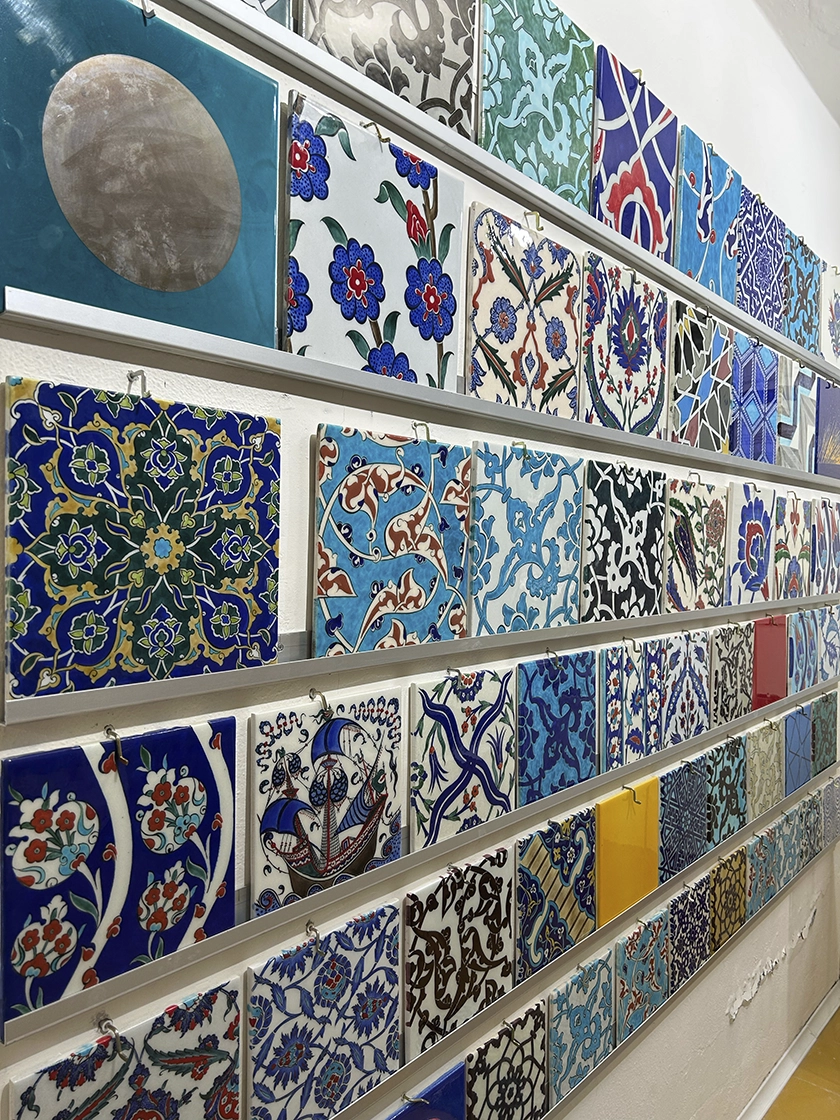
Don’t miss: between the 15th and 17th centuries, İznik was one of the main centres of tile production in the Ottoman Empire. During your visit, you can take part in traditional pottery workshops or purchase some of the delicate pieces that characterise the region.
Next stop: the Seven Churches of the Apocalypse
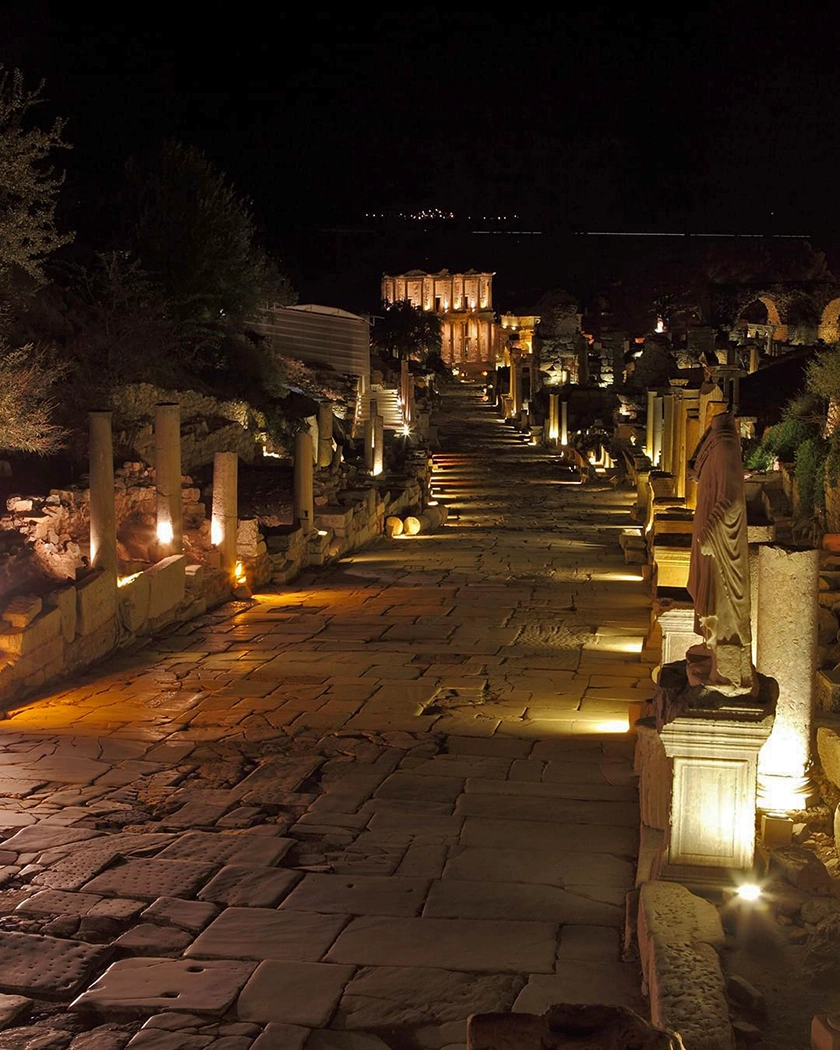
Turkey’s biblical legacy extends westwards to the regions associated with the Seven Churches of the Apocalypse. Located in the modern-day provinces of İzmir, Manisa and Denizli, these churches received letters from Saint John, each containing a distinct message revealed by Jesus in a divine vision. The first of these was in Ephesus, followed by Smyrna (now İzmir), Pergamon, Thyatira, Sardis, Philadelphia and, finally, Laodicea.
Visiting these sites during Holy Week allows you to explore them at a leisurely pace, especially if you are travelling around the region by car. Situated between the Aegean coast and a green, fertile interior—particularly attractive in spring—these places combine natural landscapes with a profound spiritual heritage.
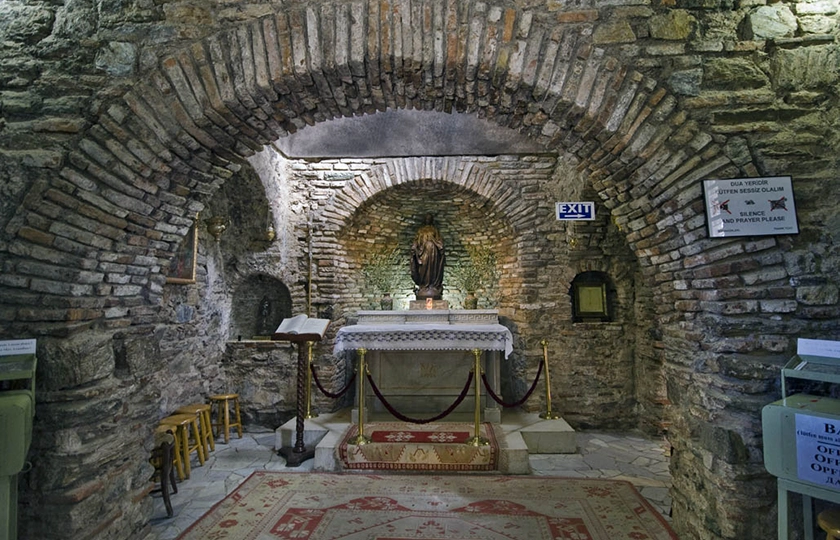
During a visit to the archaeological site of Ephesus, a UNESCO World Heritage Site, you can also visit the nearby House of the Virgin Mary and attend Easter Mass at this place of great religious significance.
Don’t miss: just an hour from Ephesus, Urla boasts Michelin-starred restaurants, routes through vineyards and an outstanding culinary scene based on local produce.
The underground Christian shelters of Cappadocia
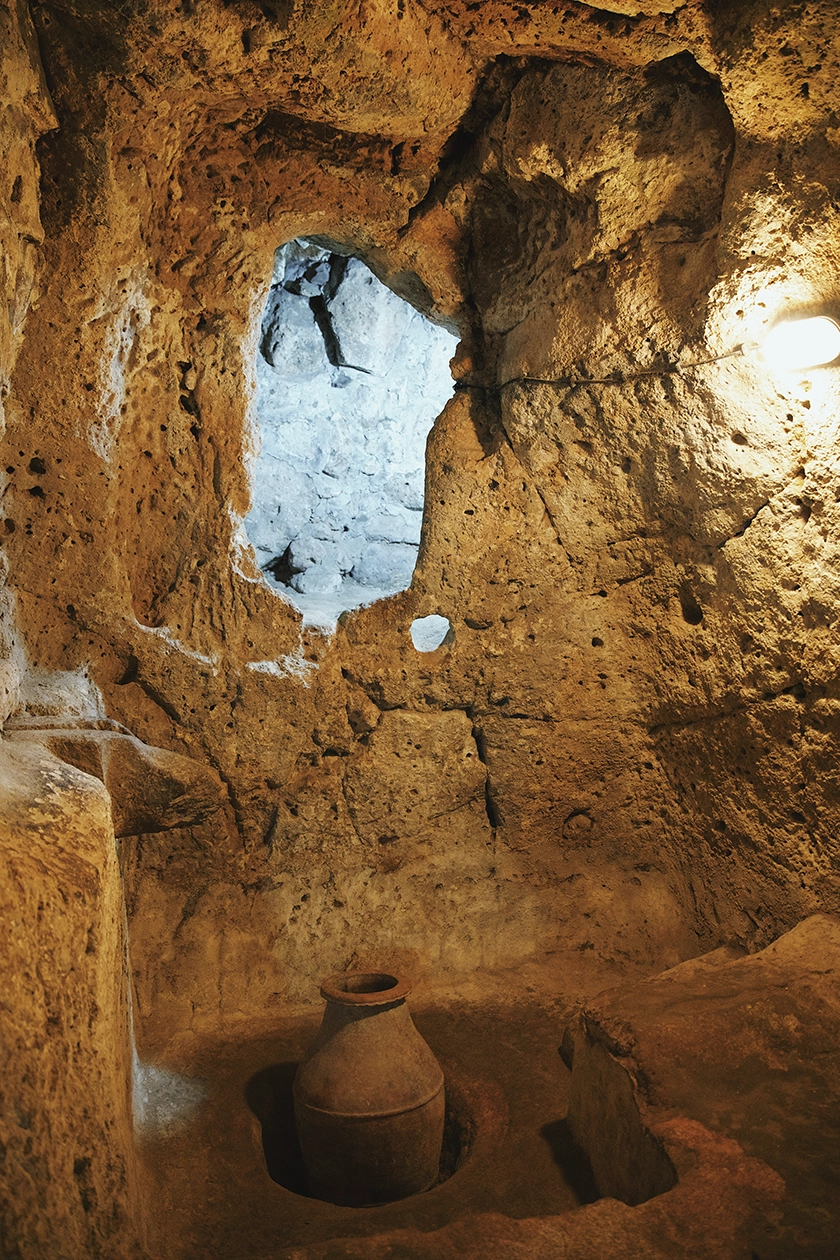
The region of Cappadocia, known throughout the world for its fairy chimneys and hot-air balloon flights, is also home to one of the most unique chapters in the history of Christianity. For centuries, this area served as a refuge for early Christians fleeing Roman persecution, who made use of an extensive network of underground settlements originally excavated by the Hittites.

In these underground cities, monks carved out monasteries and decorated their walls with vividly coloured frescoes. Today, sites such as the underground cities of Kaymaklı and Derinkuyu offer a glimpse into this extraordinary historical legacy.
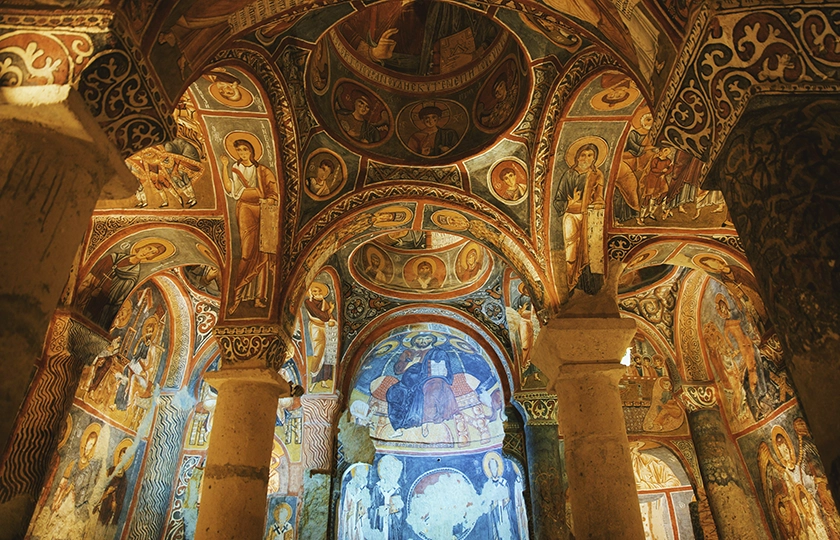
Furthermore, under the guidance of Saint Basil the Great, the first churches were built in the Göreme Valley. The churches of Tokalı and Karanlık (Dark Church), located within the Göreme Open-Air Museum — a UNESCO World Heritage Site — are today among the finest examples of this architecture, renowned for their elegant arches and exceptionally well-preserved frescoes.
Cappadocia also boasts a centuries-old winemaking tradition dating back to the early Christian monks. During the visit, you can sample the region’s cuisine—awarded MICHELIN stars—paired with local wines, offering a unique way to discover the region’s historic landscape.
Don’t miss: in Avanos, visitors can take part in 30-minute pottery workshops to experience first-hand one of the region’s most deeply-rooted traditional crafts.
In the footsteps of St Paul
The next stage of the journey takes us to southern Anatolia, where St Paul, one of Christianity’s most important apostles, spent much of his life.
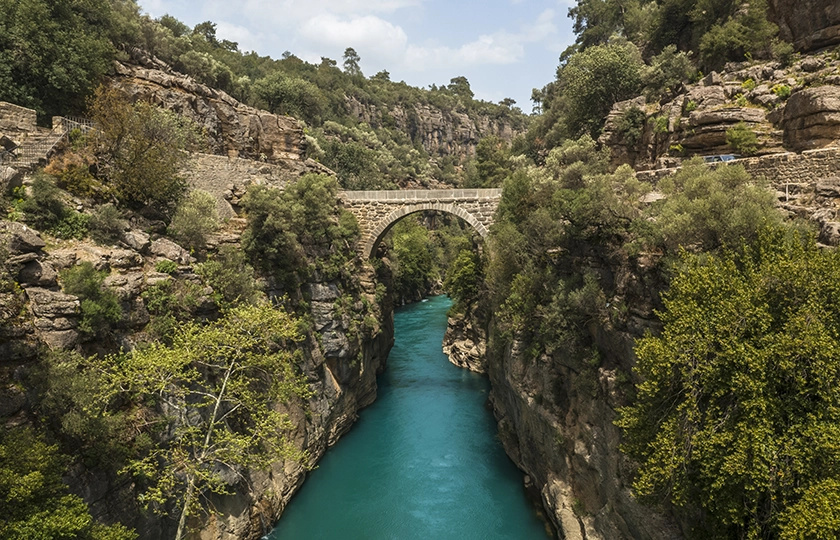
The St Paul’s Way traces the path of his life and his missionary journeys through Asia Minor, passing through various cities and regions linked to the spread of Christianity. The route has two branches — one starting in Perge and the other in Köprülü Canyon National Park — which join at the ancient city of Adada and end in Yalvaç, in the province of Isparta, a town part of the Cittaslow network.
Along the way, travellers discover natural landscapes alongside places steeped in history and spirituality.
Don’t miss: you can also visit Demre, in the province of Antalya, to see the Church of Saint Nicholas, dedicated to the saint known throughout the world as Santa Claus, and view his famous tomb.
About the TÜRKİYE TOURISM PROMOTION AND DEVELOPMENT AGENCY (TGA)
TGA operates to ensure that Türkiye is a recognised brand in national and international tourism, to promote Türkiye’s tangible and intangible, natural, cultural, biological and man-made heritage, and to engage in short-, medium- and long-term communication and marketing activities, with the aim of increasing the contribution of tourism investment to the national economy and improving the quality of service in tourism.
TGA is responsible for carrying out all promotional, marketing and communication activities to help Türkiye achieve its tourism objectives, promote and market existing tourism resources worldwide, and identify, develop and make potential tourism resources available online, in line with the tourism strategies and policies drawn up by the Ministry of Culture and Tourism.
Source: COMUNICACIÓN IBEROAMERICANA