
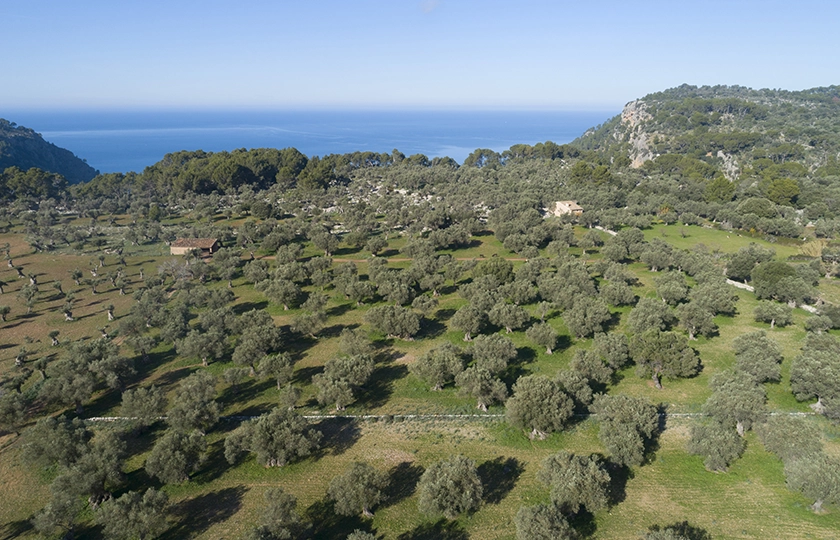
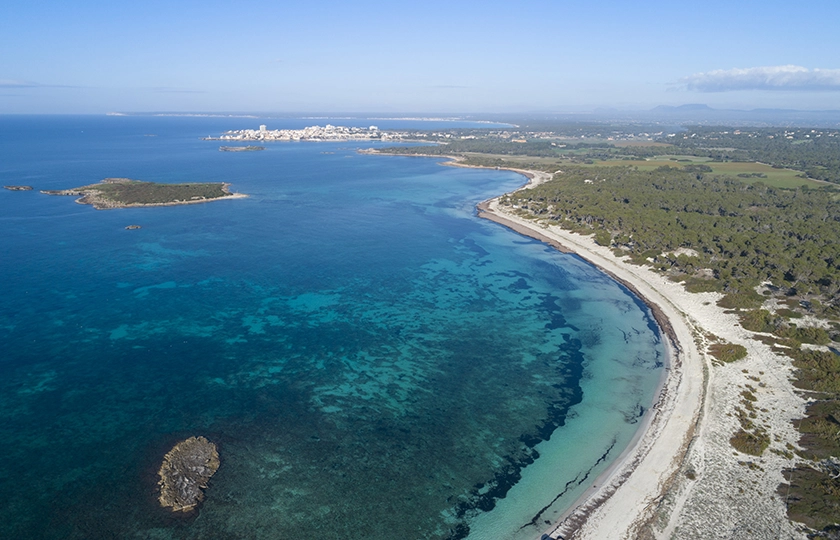
Local producers open up their farms and projects to share processes, flavours and expertise, painting a picture of an island that is understood through what it grows and how it does so.
There is a side to Mallorca that isn’t shown, but shared. It isn’t found on the usual tourist routes, but in the actions of those who grow, process or cook with what the land provides. There are an increasing number of experiences that open a door to this more everyday and essential dimension of the island, where the landscape and gastronomic culture form part of the same identity and common thread.
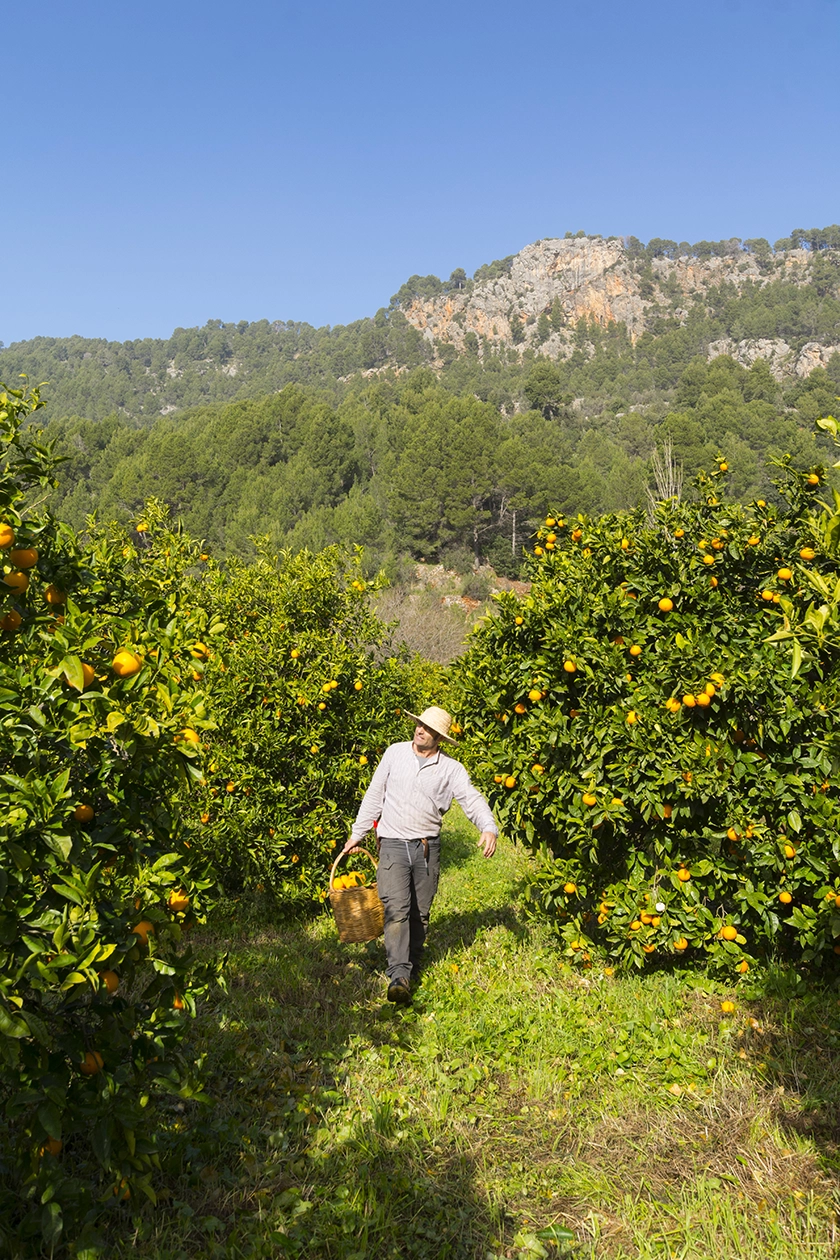
In this context, the vegetable garden and fruit trees cease to be mere scenery and become the starting point of a story. Some initiatives by Mallorcan producers allow you to get closer to the countryside, understand that seasonality sets the pace, and rediscover the value of freshly harvested produce, which then reaches the table in the form of brunch, al fresco meals or tasting sessions at the farms and Mallorcan homes that treasure these produce. More than just a visit, it is a way of understanding Mallorca from its agricultural roots.
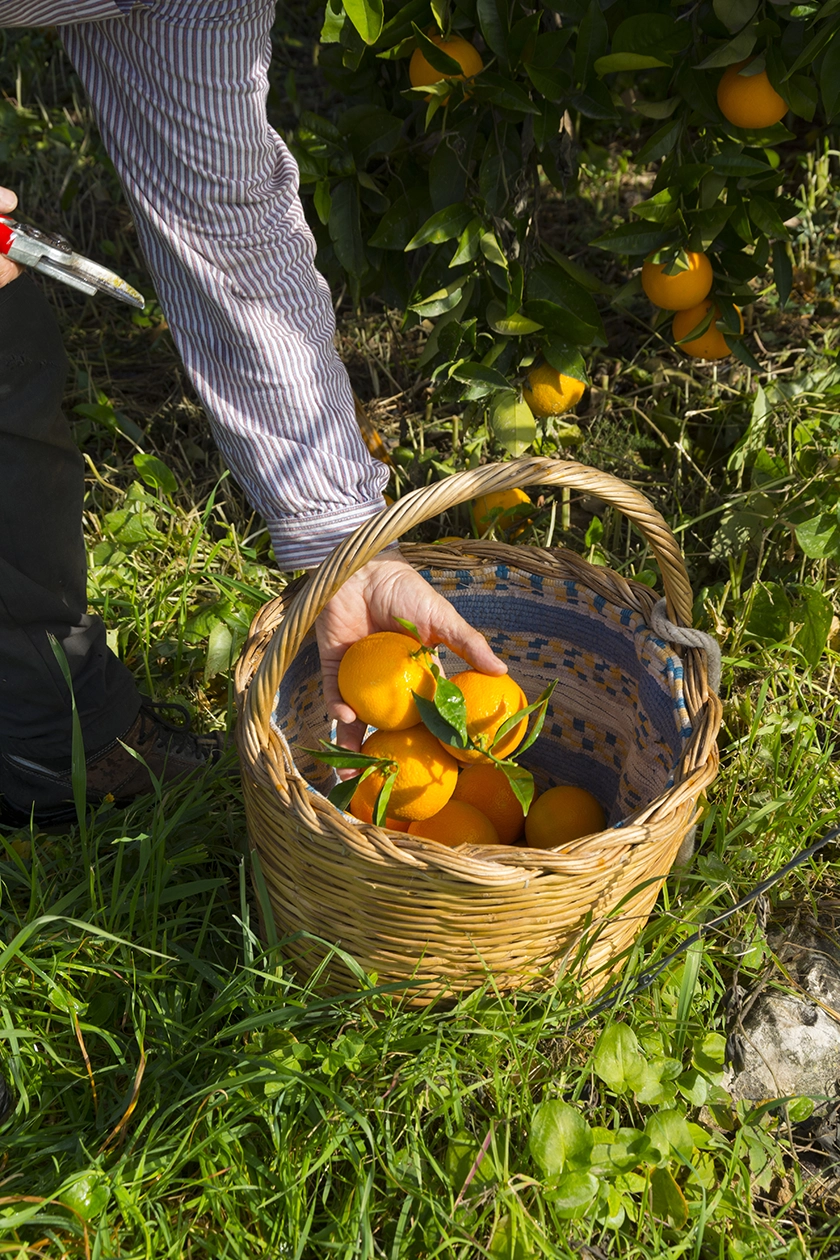
There are also experiences that focus on crops deeply rooted in the Mallorcan landscape and which are now reinterpreted from a contemporary perspective. This is the case with bitter orange trees, found on many farms across the island, whose fruits are used to produce citrus-flavoured spirits and aperitifs. Some experiences allow you to get up close to these crops and take part in tastings of the resulting liqueur, gaining an understanding of both the process and the agricultural and cultural value of this traditional variety, which, through this liqueur, becomes a perfectly contemporary experience.
At the same time, the carob —long relegated to the background—is enjoying a resurgence of interest in Mallorca. This fruit, historically linked to the Mallorcan countryside, is now available in a variety of forms, from spreads to flour, herbal teas or coffee alternatives. Through visits to farms and interpretive spaces, one discovers not only its culinary versatility, but also its role in the rural economy and in landscape conservation.
This link between gastronomy and the local area becomes even more evident in offerings that bring together on a single table a selection of ingredients produced on the island. Some rural estates offer gastronomic experiences in the countryside that bring together cured meats, cheeses, dairy products or wines that form or complement locally sourced, zero-kilometre menus. This is no coincidence: Mediterranean cuisine, such as that of Mallorca, relies on local and seasonal produce, closely connected to the available resources, history and traditions of each island.
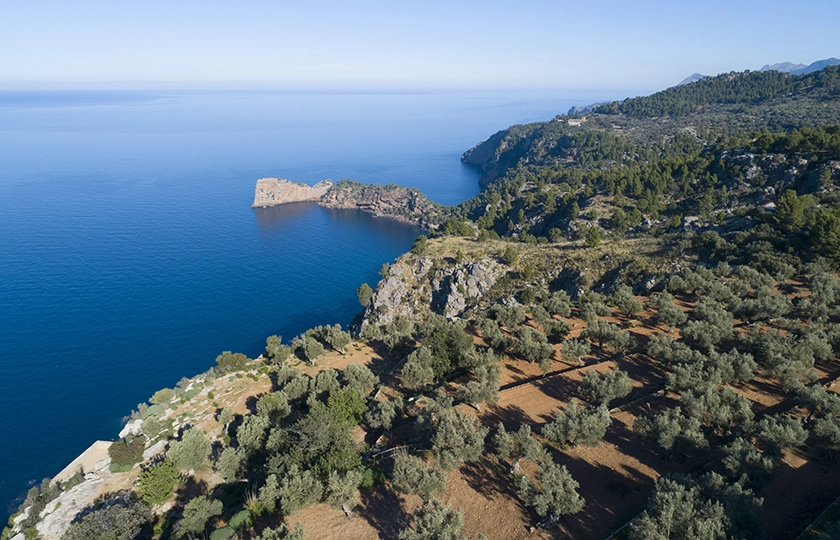
In Mallorca, moreover, many products have distinct quality designations that certify their origin and uniqueness. The island boasts designations of origin and protected geographical indications linked, amongst others, to wine (DO Binissalem and DO Pla i Llevant), olive oil (DO Oli de Mallorca) and sobrasada (recognised as a Protected Geographical Indication), reflecting an agri-food culture that remains very much alive.
Beyond each specific experience, what emerges is a way of understanding Mallorca from within. An island that reveals itself through its processes, its rhythms and those who work it, where gastronomy is not merely an expression of taste, but also a form of heritage. The value of the local producer is essential to this balance: it sustains the landscape, preserves knowledge passed down through generations and gives continuity to an identity that is also forged at the table.
This perspective connects directly with the Mallorca Pledge and with the model promoted by the Fundació Turisme Responsable de Mallorca, which places the resident at the centre and advocates a more conscious and balanced relationship with the island, respecting its environment and identity. Within this framework, talking about locally sourced produce, gastronomic tradition and agricultural culture is not a mere nuance: it is talking about what Mallorca is.
About the MALLORCA RESPONSIBLE TOURISM FOUNDATION
The Mallorca Responsible Tourism Foundation works to promote a model of sustainable and mindful tourism on the island. Its mission is to balance tourism development with the conservation of Mallorca’s natural and cultural heritage, aligning the sector’s actions with the principles of responsible tourism. Through the Responsible Tourism Pledge, the foundation invites both residents and visitors to commit to the care and regeneration of the island, promoting tourism that respects the environment and local communities. By joining this commitment, each individual actively contributes to creating a more sustainable future for Mallorca.
Join the Pledge!
Join the Pledge, Commitment to Responsible Tourism. By signing it, you not only support more conscious tourism, but also actively contribute to the preservation of our island. Visit the website and discover how you can be part of the Mallorca of tomorrow at www.mallorcapledge.com