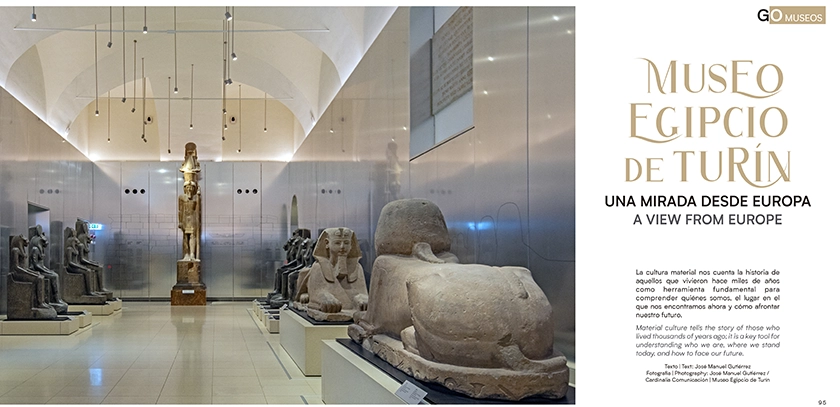
Material culture tells the story of those who lived thousands of years ago; it is a key tool for understanding who we are, where we stand today, and how to face our future.
In this regard, the Egyptian Museum in Turin, the largest of its kind in Europe, regards scientific research as key to the care of its collection through the study of artefacts, reconstructing their context and understanding their history.
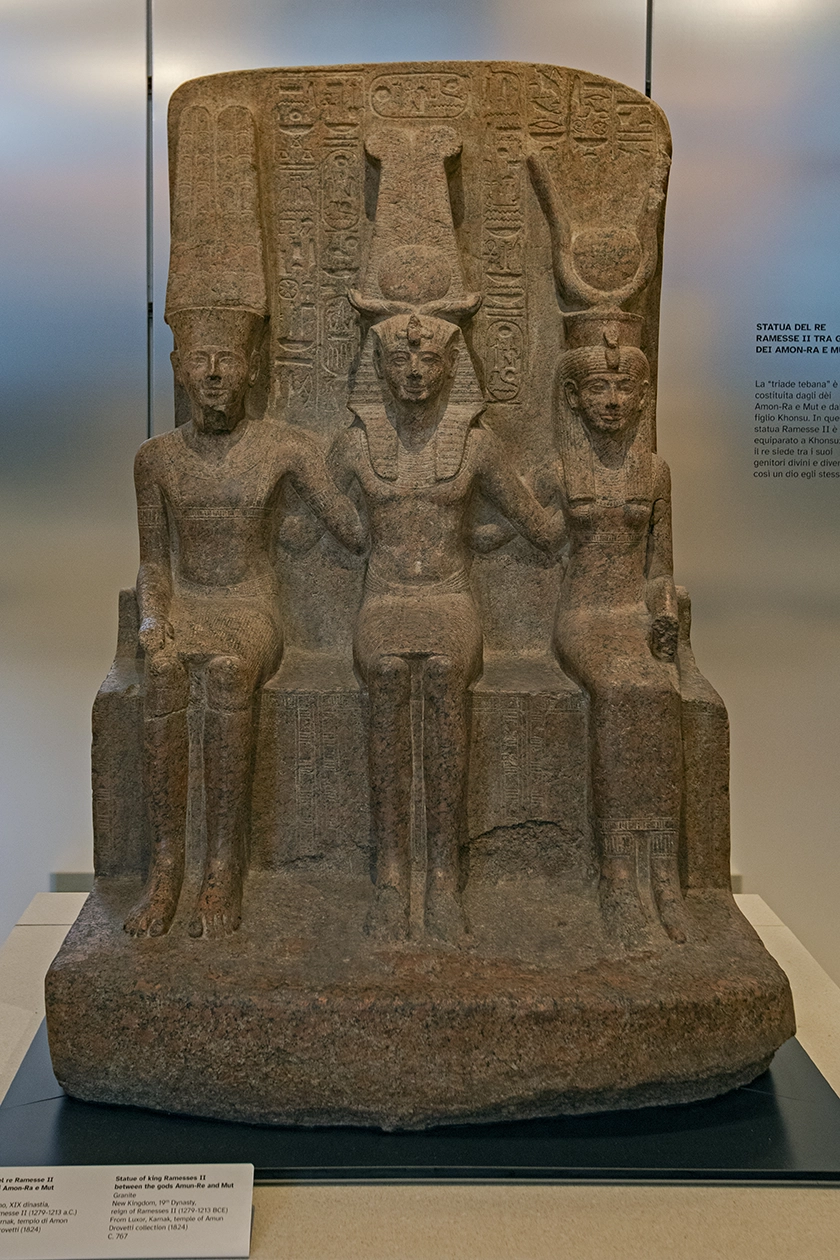
Napoleon’s campaigns in Egypt in the early 19th century sparked a craze for collecting antiquities throughout Europe. Bernardino Drovetti, the consul in Egypt, who boasted a collection of eight thousand pieces, was no stranger to this new fashion, nor was King Carlo Felice of the House of Savoy, who also acquired countless pieces. The merger of these two collections marked the beginning of the Turin museum, transforming this northern Italian city into a major centre for the study of Egyptian culture. However, other evidence suggests that the museum’s origins date back to the 16th and 17th centuries, specifically with the arrival in Turin of the Isiac Tablet around 1630 and the statue of Ramses II around 1759, discovered by Vitaliano Donati.
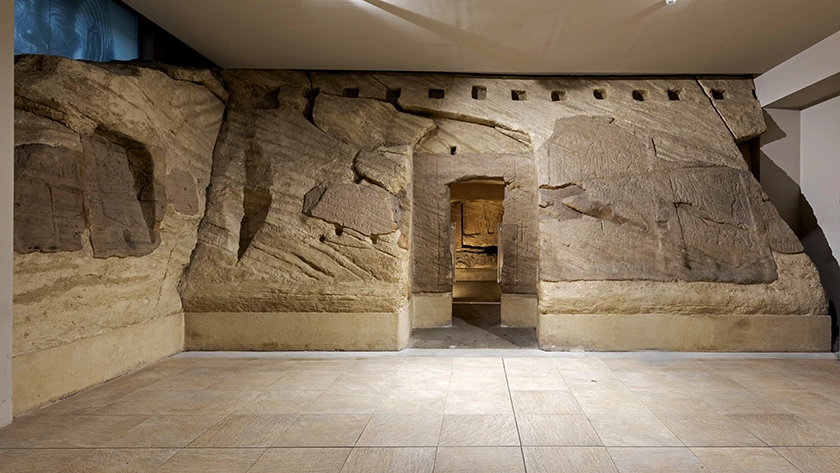
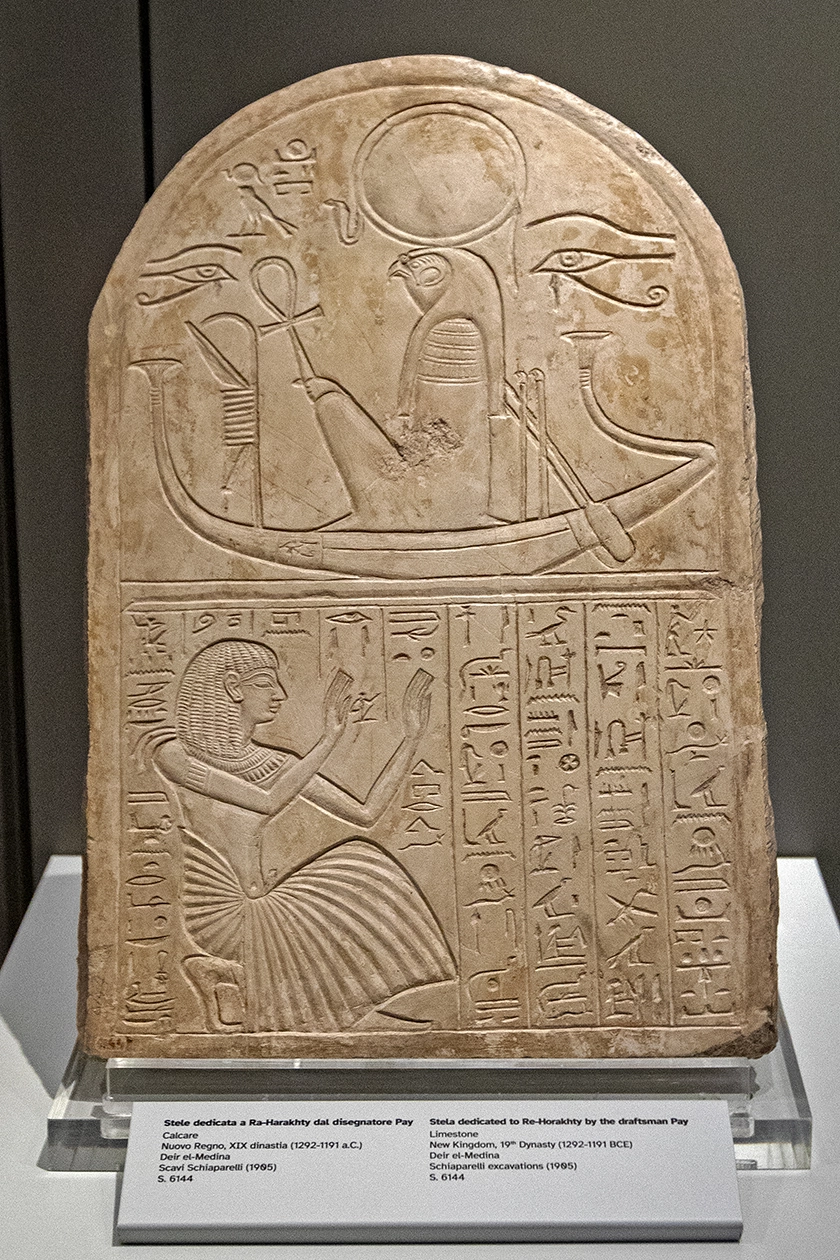
Subsequently, the museum’s collection was expanded to include the statue of Amenhotep I, leading to the museum’s foundation in 1824; the sculptural group of Pendua and Nefertari, the result of excavations carried out in the early 20th century; with the finds from the archaeological excavations carried out first by Ernesto Schiaparelli and later by Giulio Farina between 1903 and 1937; and with the Egyptian government’s donation of the temple of Ellesiya, in gratitude and recognition of the assistance provided by Italy in rescuing the temples of Nubia threatened by the waters of the Aswan Dam.
The oldest museum dedicated exclusively to Egyptian culture
Regarded as the largest Egyptian museum in Europe and the second largest after Cairo in terms of the size and significance of its collections, the Egyptian Museum in Turin houses over 36,000 artefacts, of which just over 4,000 are on display.
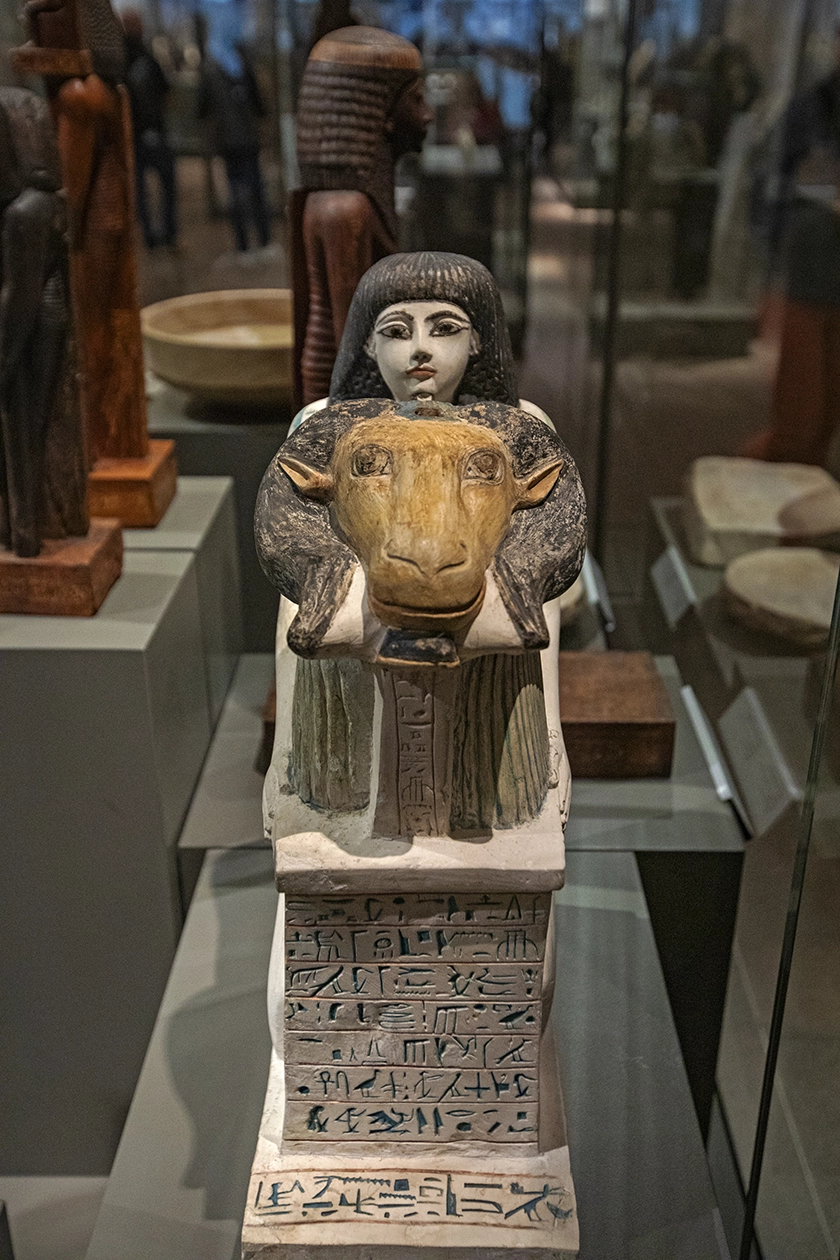
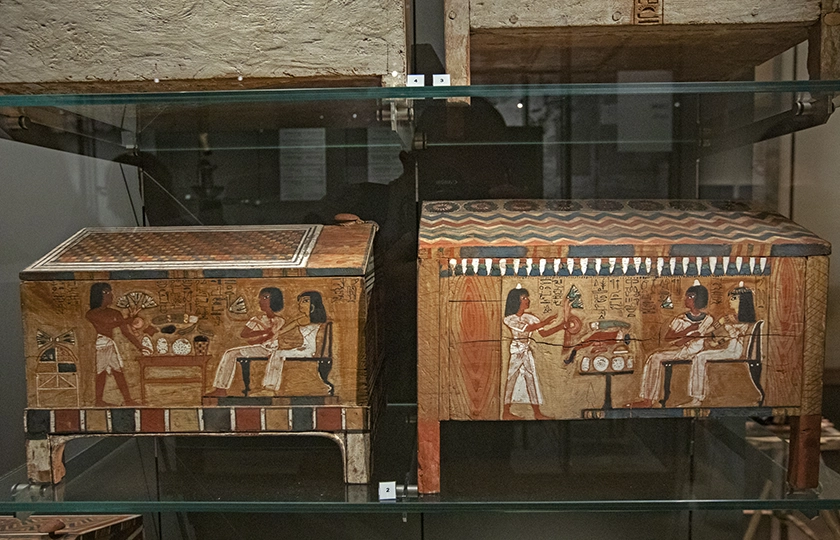
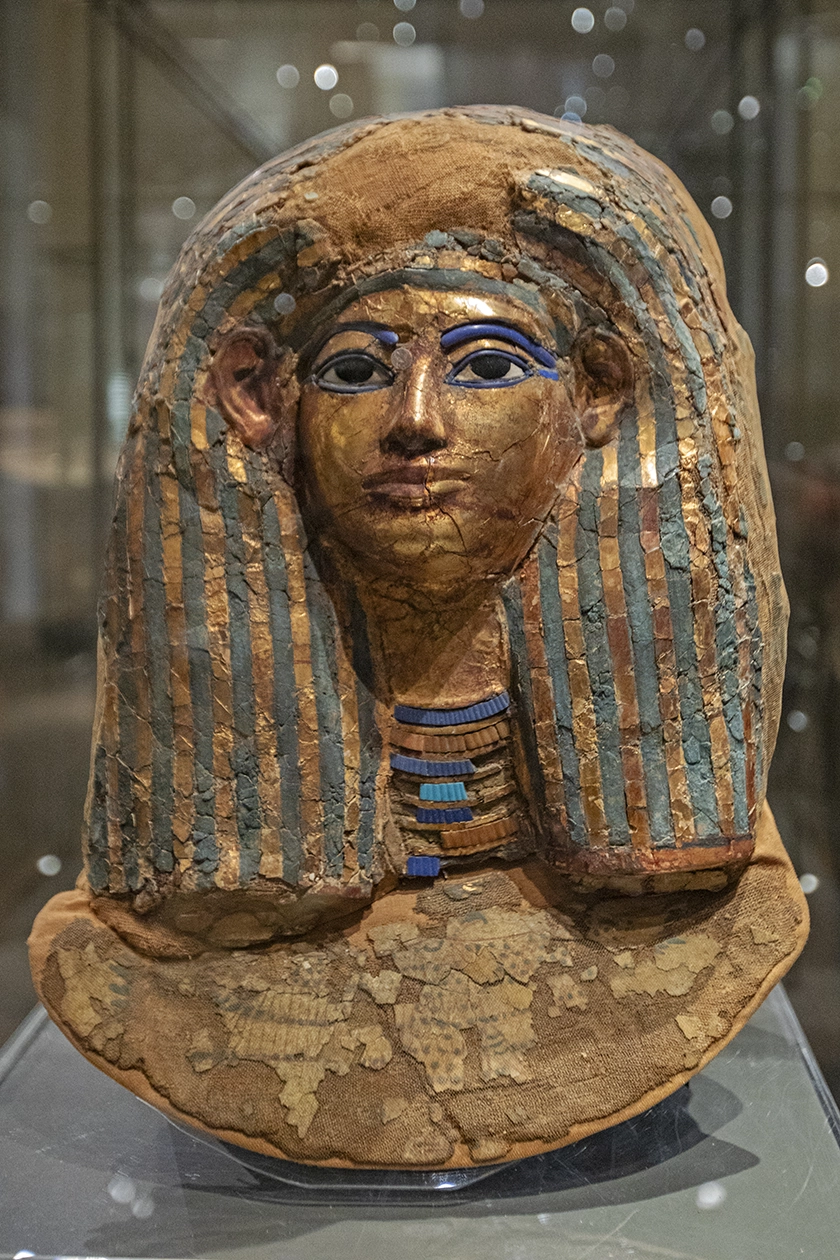
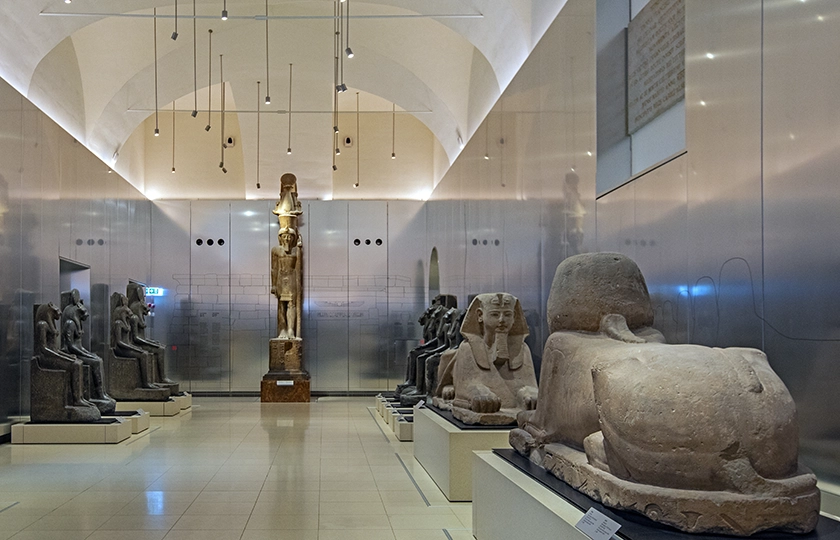
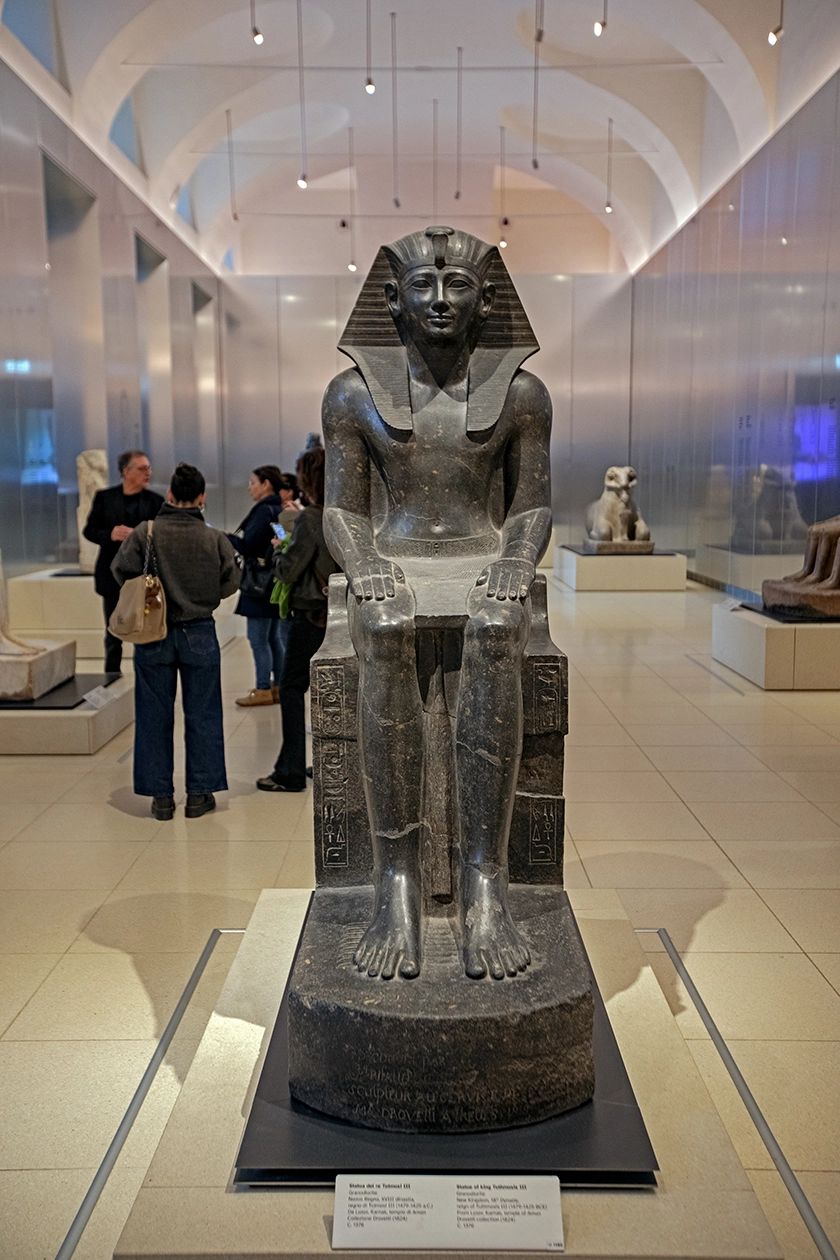
The antiquities on display across its five floors span a historical period from 4000 BC to 700 AD. These include grave goods, statues, sarcophagi, jewellery, papyri, ancient tablets, human and animal mummies, everyday objects and sphinxes. Its quality and size make it the sixth most visited museum in Italy.
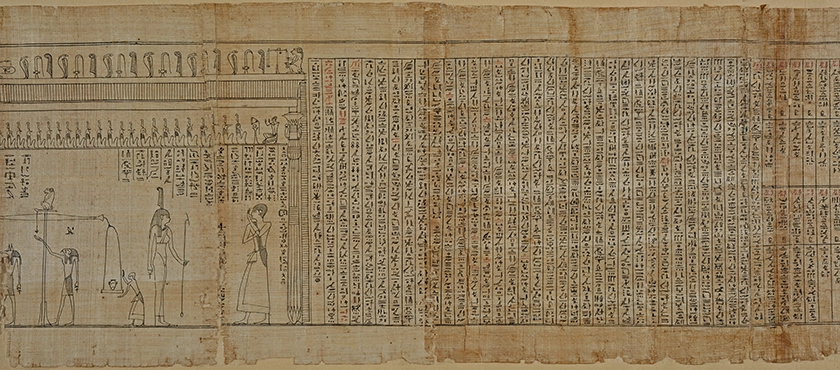
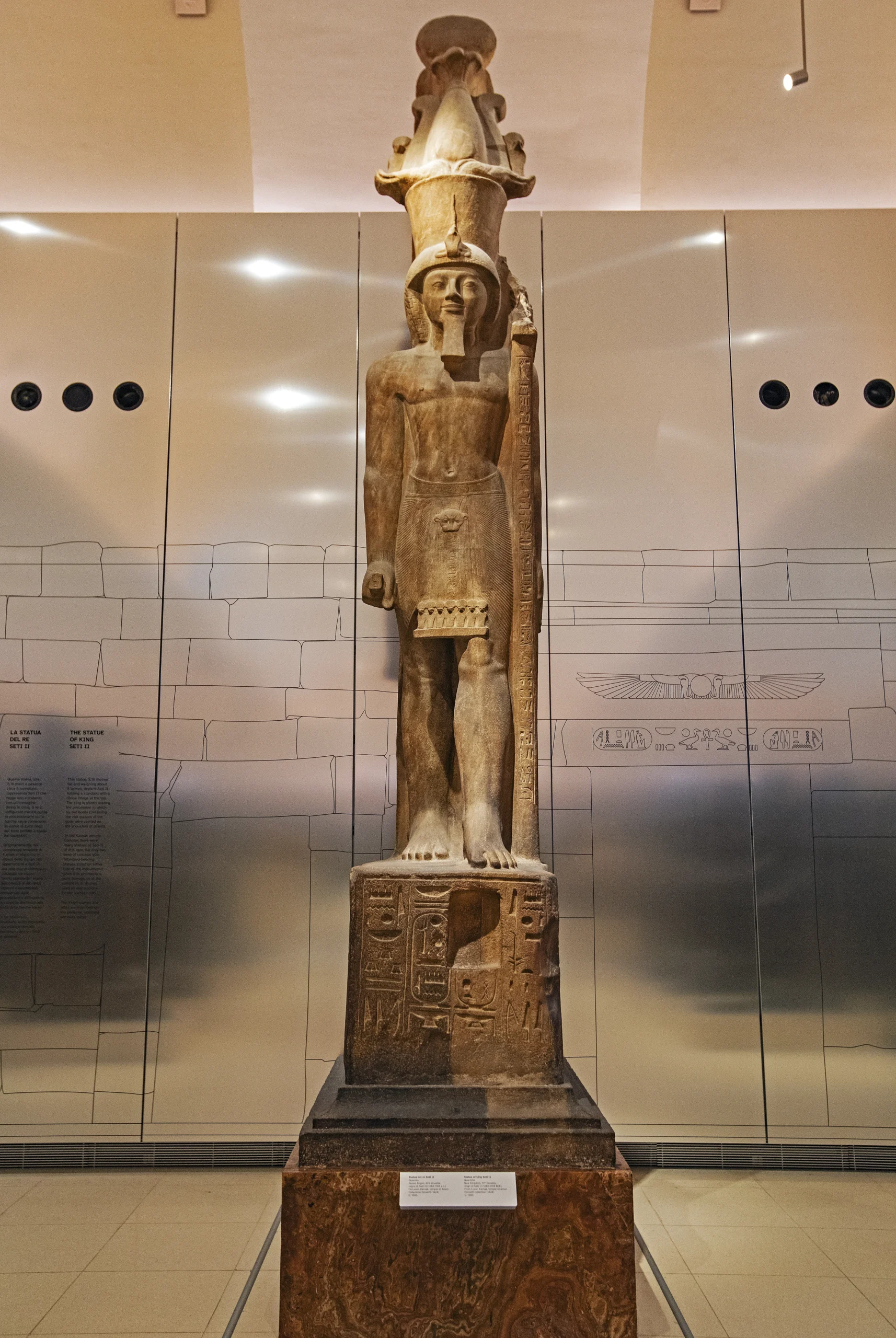
As a point of interest, it is worth noting that the Iuefankh papyrus is the longest in the museum’s collection, measuring 1.847 metres. There are seventeen animal mummies on display, which have been examined and restored live in the restoration area, and twenty-four human mummies, all of which have been analysed as part of the Mummy Conservation Project. The five-tonne statue of Seti II, on display in the Gallery of the Kings, is a real eye-catcher.
All these wonders of the ancient world can be admired as part of a well-organised itinerary, without the risk of getting lost. And to make this experience even more complete, you can choose to use the multimedia audio guides on your smartphone simply by scanning the QR codes; access valuable information via the interactive panels and tables located in the various rooms, ensuring you have fun exploring the aspects that interest you most; or watch the 3D videos that allow you to discover what it feels like to be an archaeologist at work.
Technology that presents sequences showing documents from the excavations and photographs from the period, allowing us to experience the thrill of entering the tombs of Kha or Nefertari, as well as the Maia Chapel. You also have the option of taking the tour accompanied by expert guides who will be able to answer any questions you may have.
In addition to Egyptian antiquities, visitors can admire Roman, pre-Roman and prehistoric artefacts, as well as a natural history section, since the Royal Museum of Egyptian Antiquities and Artefacts shares premises with the Academy of Sciences. Throughout the 20th century, the Royal Museum has continued to acquire smaller collections, either from private collectors or through exchanges with other museums.
The history of the Palazzo in Via Accademia delle Scienze
Built in the 17th century to a design by Michelangelo Garove, the Palace of the Academy of Sciences was originally intended to house the College of the Nobles, where the young descendants of the Piedmontese nobility studied. In 1787 it became the headquarters of the Royal Academy of Sciences, and in 1824 it also became the home of the Egyptian Museum.
This imposing building underwent renovations carried out by Giuseppe Maria Talucchi and Alessandro Mazzucchetti, and was extended and adapted for its new purpose in the second half of the 19th century. But there have been even more changes over the course of its more than two hundred years of existence. During the first three decades of the last century, the galleries were reorganised on two occasions: the first in 1908 and the second in 1924, to mark the King’s official visit. The arrival of more than thirty thousand antiquities from the excavations carried out by Schiaparelli and Farina, as mentioned above, made it necessary to restructure the museum’s new wing to make up for the lack of space.
Further renovations and refurbishments were carried out in the 1930s, including the installation of the Art Gallery. On the other hand, the donation of the Ellesiya temple posed a major challenge for the museum, as it had to be cut into sixty-six blocks and subsequently reassembled. It was finally opened on 4 September 1970. From the 1980s onwards, work began on expanding the museum space, in particular the restoration and shoring up of the Schiaparelli wing, creating spacious underground areas dedicated to archaeological activities at Assiut, Qau el-Kebir and Gebelein. At the same time, a large room on the ground floor was refurbished to house antiquities from the Predynastic Period and the Old Kingdom. In the 2000s, it underwent a major refurbishment, for which Oscar Dante Ferretti, a set and costume designer and three-time Oscar winner, was brought on board. This creative artist applied his visionary talent to the museum’s lighting and several of its installations, notably “The Great Nile”, a masterful reproduction of the legendary river’s course to its mouth, using materials such as gelatine and fibreglass.
The latest major refurbishment saw a complete overhaul of the spaces, as well as the entire museum layout and exhibition facilities, in preparation for the grand reopening that took place in 2015.
Silvio Curto Library
A visit to the Silvio Curto Library at the Egyptian Museum in Turin is a must, given the significance of the ancient artefacts and collections it houses.
The library’s original collection dates back to the time the museum was founded. Works of great value from that period have been preserved, such as Description de l’Égypte, I Monumenti dell’Egitto e della Nubia by Ippolito Rosellini, and Denkmäler aus Ägypten und Äthiopien by Richard Lepsius.
Until the end of the Second World War, when the works were returned to their original home—having been moved during the war for security reasons—new acquisitions for the library were few and far between. It was then that they realised the need to acquire further works in order to keep pace with the developments taking place in the field of Egyptology.
The growth seen in the second half of the 20th century was largely due to donations made by academics visiting the museum. Some of the most significant include the first thirty-three volumes of the Journal of Egyptian Archaeology, donated by Sir Alan Gardiner, and the Chronique d’Égypte series, donated by the Queen Elisabeth Foundation for Egyptology through the efforts of Arpag Mekhitarian. This increase was also due to the fact that the library began to participate in the antiques market, which enabled it to acquire items at affordable prices from libraries that had closed or been dispersed following the war.
This expansion of the museum’s book collection was also aided by an increase in the funding allocated by the Ministry of Education for the purchase of books, following the Egyptian Museum’s involvement in the rescue of the temples of Nubia in 1964. Thanks to this new initiative, the museum was able to acquire the leading periodicals and the most important journals in the sector.
Donations in 1968 from the personal libraries of Giuseppe Botti, an Egyptologist and specialist in Demotic script, in 1977 from Celeste Rinaldi, and in 1978 from Vito Maragioglio have helped to make the library a leading centre for scholars from all over the world.
With the arrival of the 21st century, new acquisitions slowed down, a trend that has reversed in recent years, with a significant increase in purchases and donations.