Roots, soul and memories, with deep and deep-rooted flavours, but with avant-garde touches and many nuances. This is how chef Sánchez Camacho understands cuisine, taking us back to his childhood in Daimiel and the delicious smells that came out of the open windows of the houses in the village.
Epílogo is located in Tomelloso (Ciudad Real), in the heart of La Mancha, where its vineyards and irrigated crops are the real protagonists. An area with a great gastronomic wealth and a strong, survivalist cuisine forged over centuries of need and hard work by shepherds, in recent years it has begun to receive the attention it deserves, partly thanks to the work of people like our protagonist, one of the most promising chefs in this country.
Protagonist of La Mancha's new cuisine
Born in Bilbao, but raised since he was a child in Daimiel, Rubén Sánchez Camacho is a third generation hotelier and it was in the kitchens of the family restaurant El Bodegón, a gastronomic reference of traditional Manchegan cuisine that his parents ran for forty years, where he began to take his first steps in this profession and where he discovered his true passion.
He received his first master classes from his mother until he decided to fly free in 2005. And he did so by touring different kitchens in Spain where he discovered different working systems. His experiences in restaurants such as Las Rejas de Manolo de la Osa or Disfrutar in Barcelona and the trips that took him to cities such as San Francisco and countries such as Brazil, Mexico or China forged his own style and criteria.
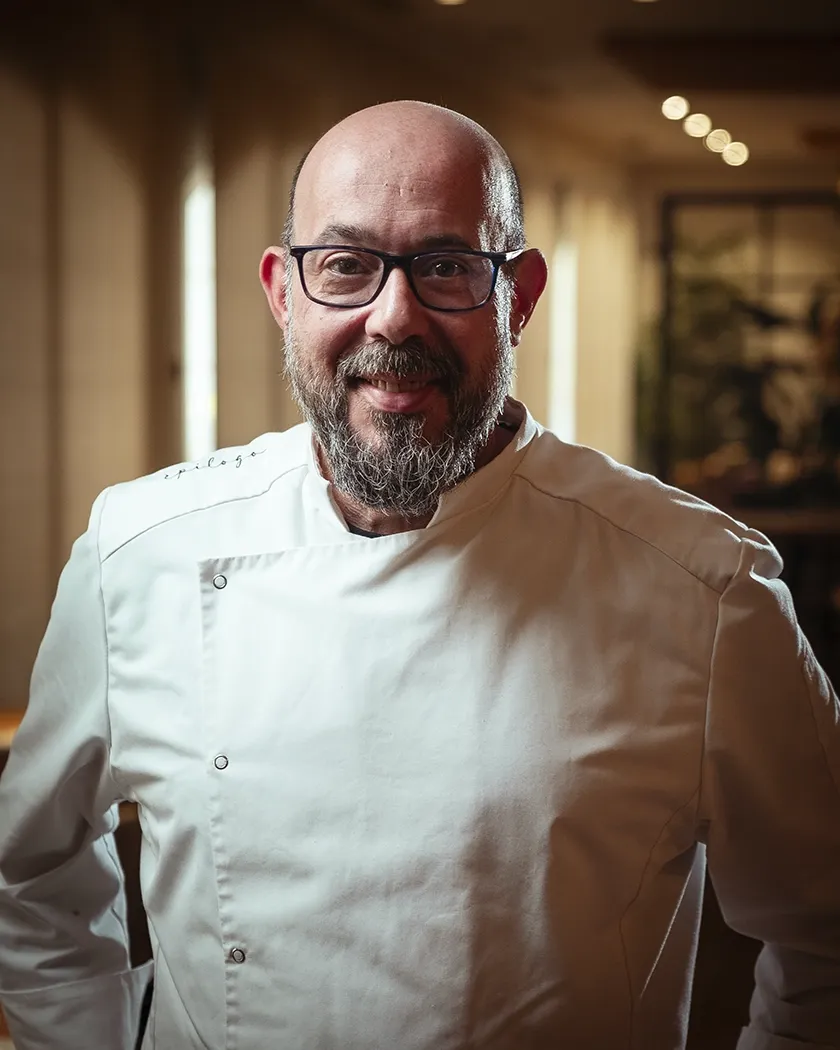
After some time he decided to return home and bring all the knowledge he had acquired to the kitchens of El Bodegón, making it a gastronomic reference point in the province of Ciudad Real and in Castilla-La Mancha, achieving two Repsol Suns, until he was on the verge of a Michelin star.
It was in 2019 when he took over the management of Epílogo with the aim of creating a bright and very personal cuisine, based on the tradition of La Mancha, of eating well and making delicious food, applying modern techniques and presentations. Four years later, Epílogo has been awarded a Sol Repsol, as well as being included in the Michelin Guide.
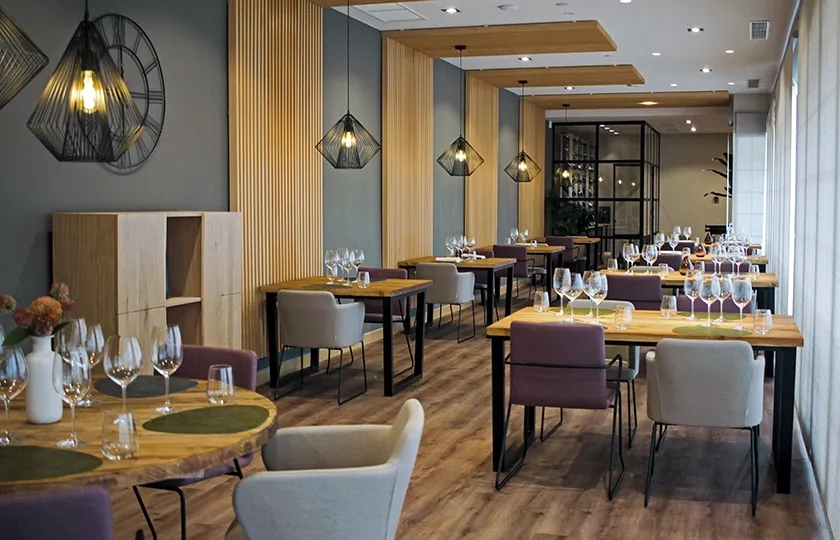
The dining room is located in a large complex with several rooms for weddings and events, bathed in natural light, with a soft and modern decoration, which gives it a pleasant atmosphere. With capacity for forty diners, it has an area that can be isolated and converted into an intimate and cosy reserved area.
The kitchen of Chef Sánchez Camacho
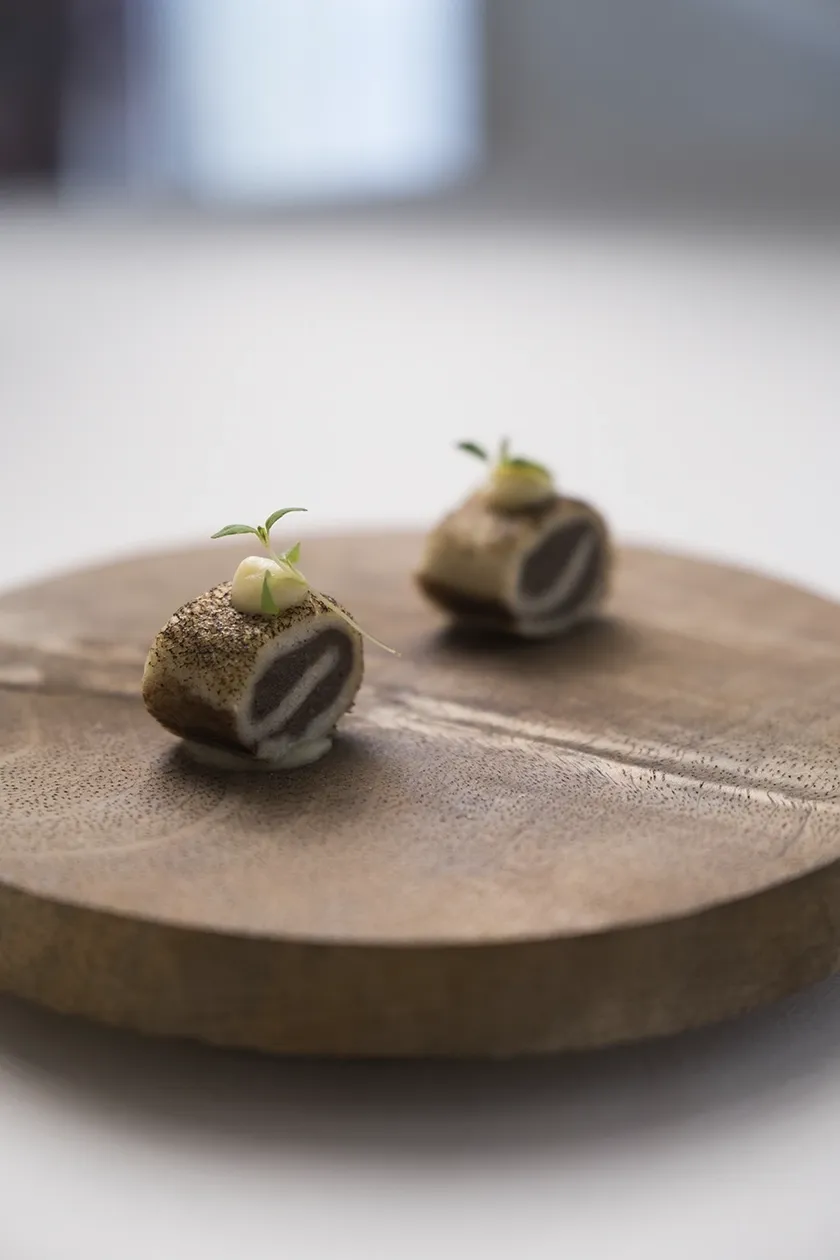
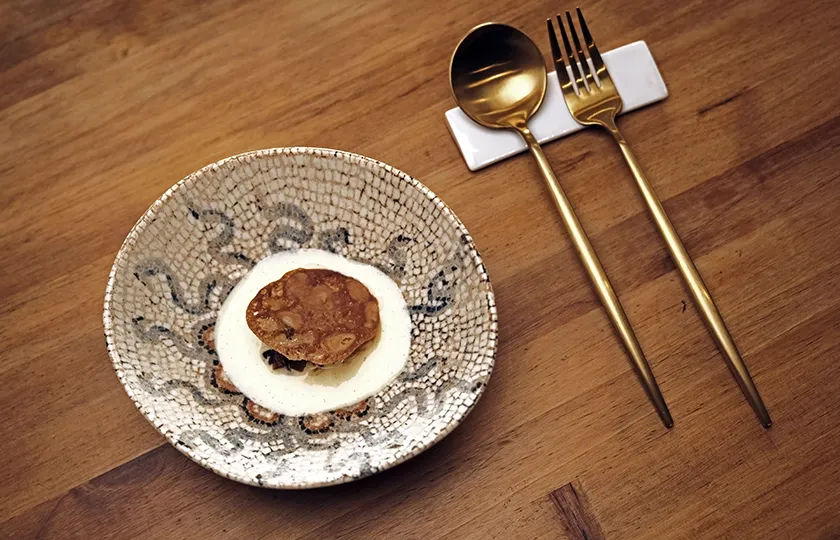
Avant-garde La Mancha cuisine is the unique proposal of chef Rubén Sánchez at Epílogo, in which the variety of ingredients from his land are the basis of his cuisine, as well as the exceptional products from the fish markets, markets and market gardens all over the peninsula. The quality and local raw materials come largely from the banks of the Guadiana and are the real protagonists, with game meat, lamb, river fish such as eel, trout and sturgeon, all from sustainable fishing, not forgetting the succulent vegetables. All of them, in the chef’s hands, become delicacies that will make you fall in love at first sight thanks to their careful plating.
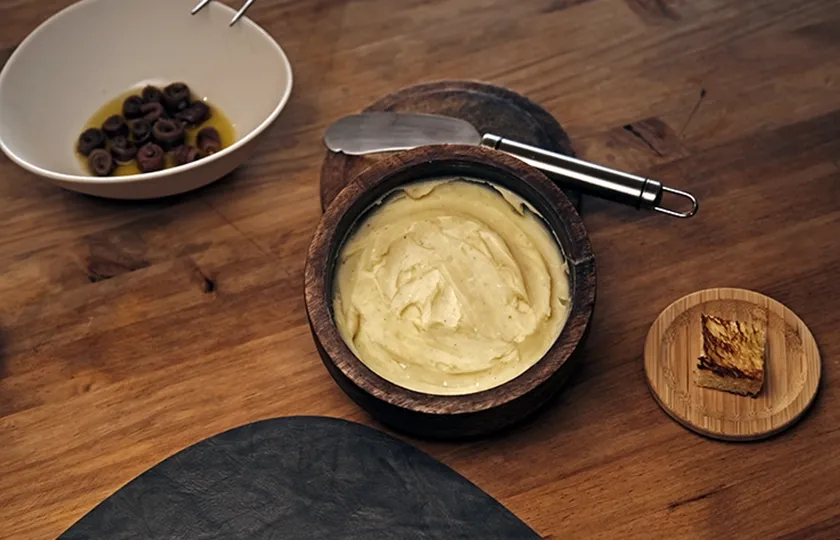
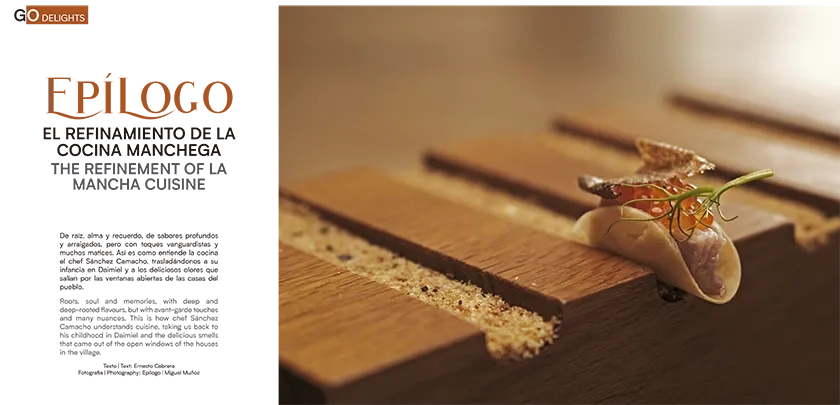
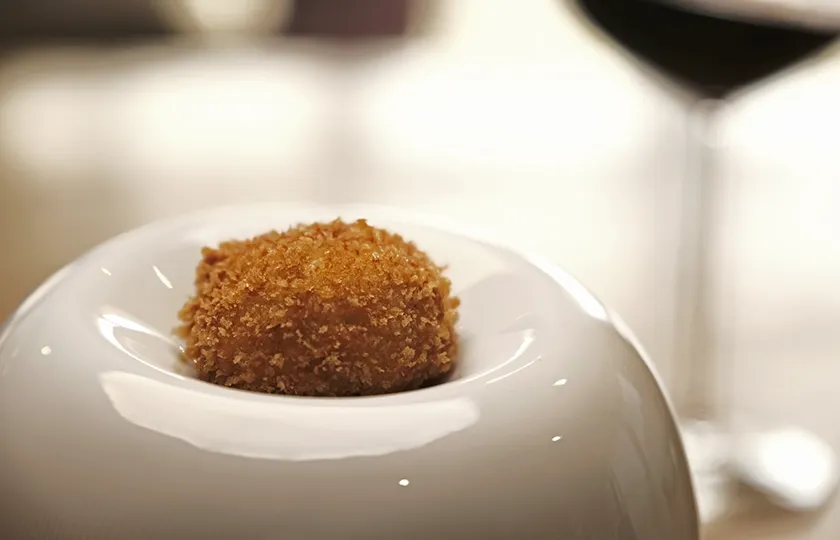
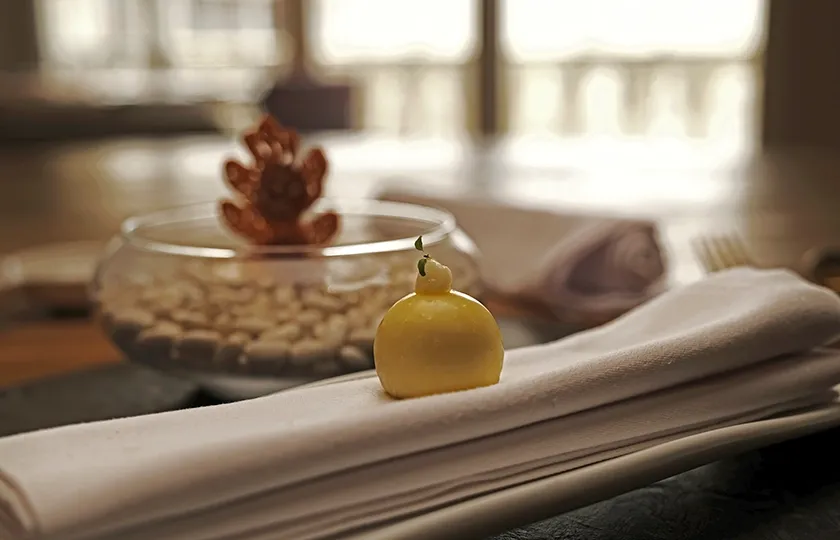
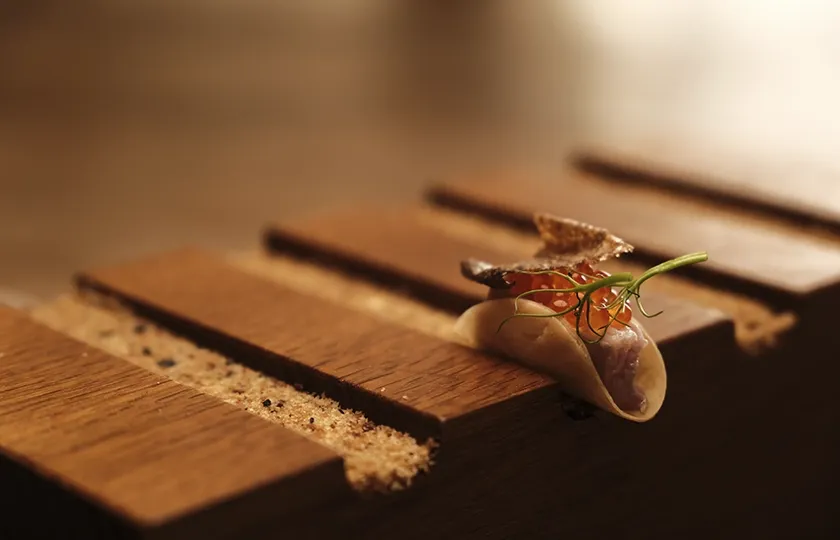
The gastronomic experience that diners can enjoy begins with a tasting of three oils (arbequina, picual and picual with cornicabra) accompanied by four breads made in a centuries-old bakery in Tomelloso with four varieties: sourdough, Celtic, wheat and rye and the jewel of the house, 1752. It continues with different snacks such as butter from T-bone steak and anchovies on brioche bread, partridge leaf (partridge pâté on crispy spicy gochu), smoked eel and basil (a cylinder of caviar and ajonegro on crumbs) or tiznao (cod in a tartlet of its skin with salmon roe). To finish with two of its most famous appetizers, the garlic soup fritter and the Iberian ham croquette, with a silky interior and exquisite breading.
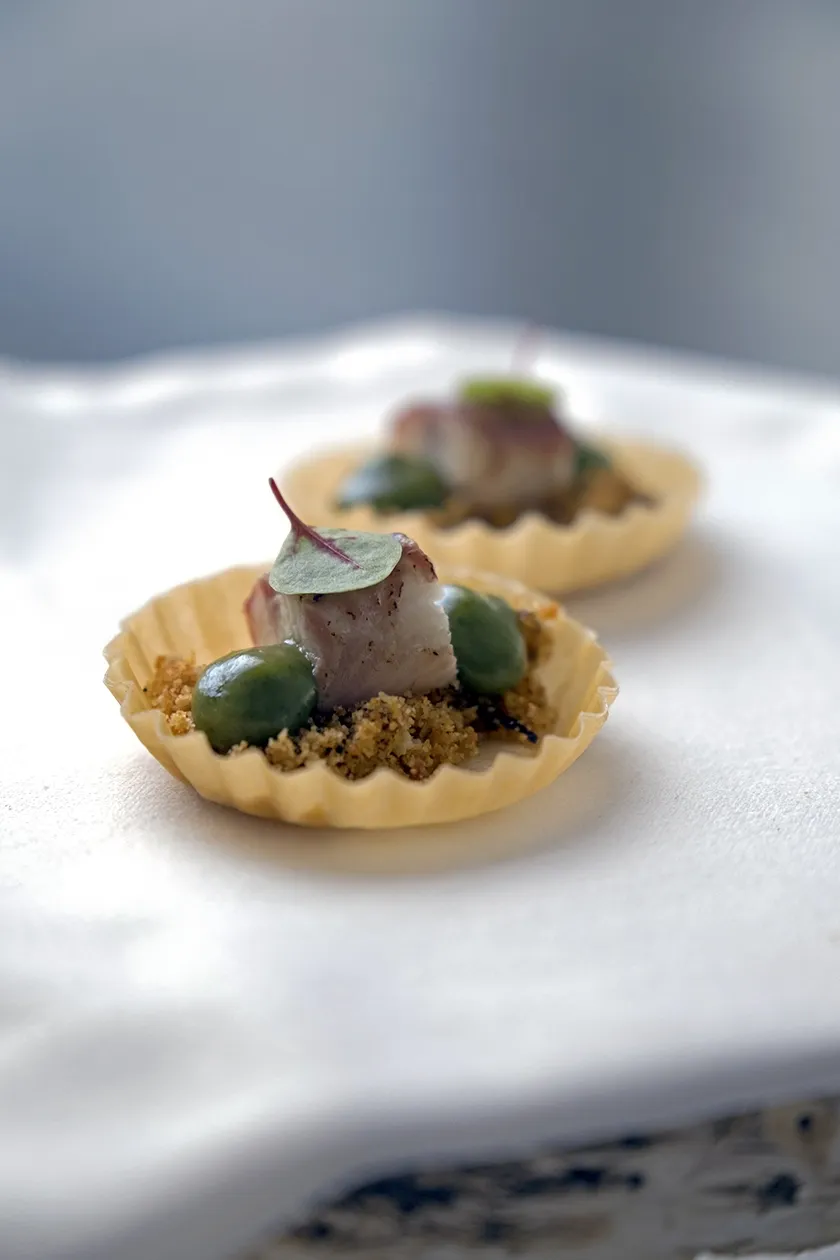
His great mastery of technique is embodied every day in two tasting menus, with dishes that change according to the market and the chef’s inspiration, which are not prone to falling into a routine and in which new dishes are presented every week. Both menus share the same recipes, but differ in the number of passes. The first, called El Inicio, consists of three appetizers, three starters, fish, meat and two desserts. The long, Nuestro Gastronómico, has five appetizers, three starters, two fish, two meats, pre-dessert and two desserts.
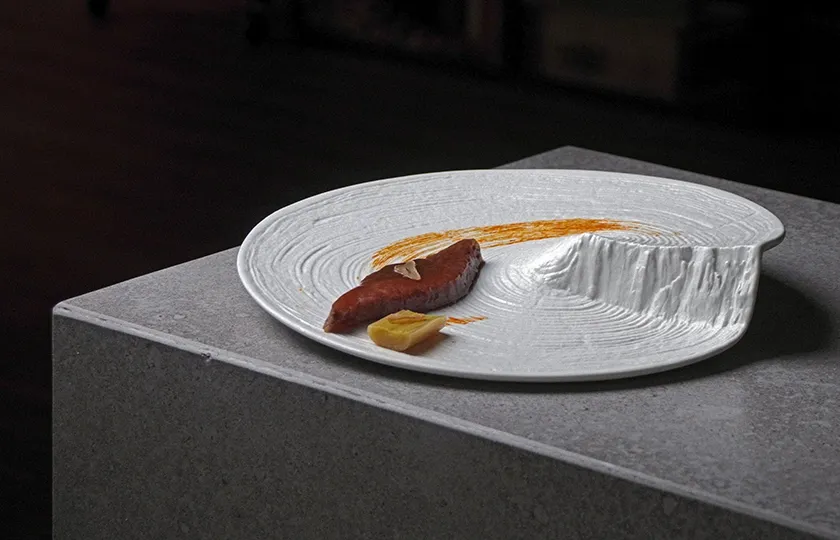
Some of the preparations that have been tasted at Epílogo over the years are the orzas, a Manchegan technique learned from his mother, which Sánchez Camacho presents in two particular versions: red tuna, sealed on the grill and smoked in the orza oil, and sea bass, in natural casing with paprika, with the belly of the fish dried at home and preserved for two months in the orza with extra virgin olive oil. Not forgetting the roast aubergine with onion and pickled pistachio praline, foie with truffle and boletus, white trout with pickled hen, red mullet with cauliflower cream, turnip confit and basil juice, wild rabbit with truffle, partridge, hen and venison loin with citrus potato.
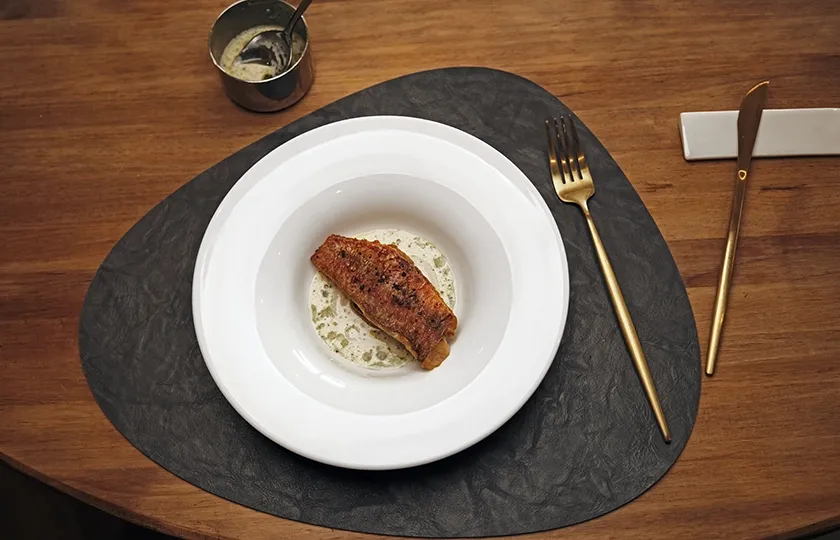
While the desserts feature simple, yet eye-catching, dishes. A winning bet is the iced roasted pineapple with Arehucas Canarian rum and thyme, the acclaimed pine nut risotto with cheese and a crunchy dulce de leche or the popcorn ice cream with caramel.
National and international labels to accompany the dishes
Ramón Sánchez Camacho is in charge of the dining room and wine cellar. President of the Association of Sommeliers of Castilla-La Mancha, he has designed a wine list with around one hundred and thirty references, which covers the main designations of origin in Spain, highlighting a selection of wines from La Mancha and, specifically, from the area around Tomelloso. International wines are represented by labels from countries such as France, Argentina, Australia and New Zealand.