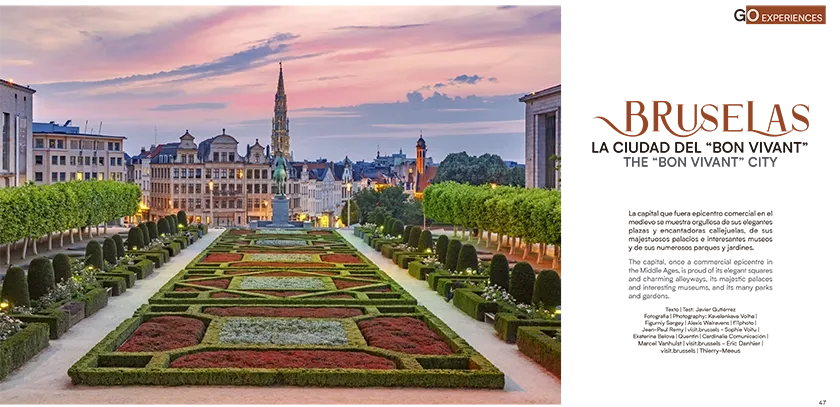
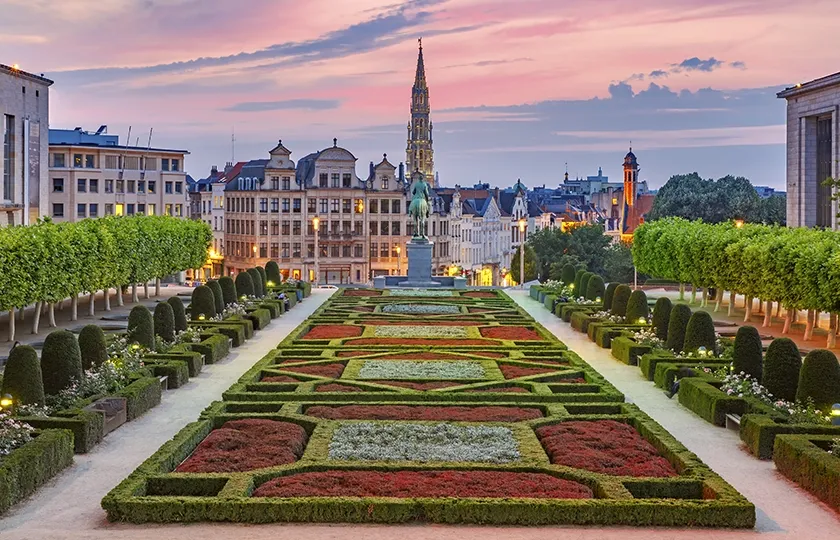
The capital, once a commercial epicentre in the Middle Ages, is proud of its elegant squares and charming alleyways, its majestic palaces and interesting museums, and its many parks and gardens.
Visiting the capital of the European Union allows you to enjoy an interesting cultural and leisure offer that makes it one of the most modern and dynamic cities in Europe, in addition to its vast history. Brussels is much more than beer, chocolate and mussels, it is a city that leaves no one indifferent and we are going to discover it by visiting four of its most popular neighbourhoods, discovering Art Nouveau and surrealism, and enjoying its leisure, gastronomy and nightlife.
Royal Quarter, former centre of European power
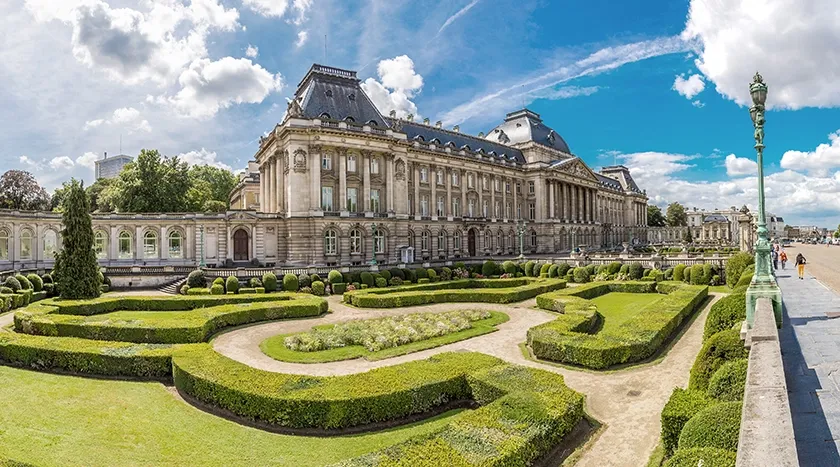
Situated in the upper part of the city, the Royal Quarter is generous with beautiful palaces and neoclassical façades, but what gives it a special character are its many museums and the charming Parc de Bruxelles.
Mont des Arts, one of the most beautiful viewpoints in Brussels and the gateway to the historic centre, was commissioned by Leopold II for the Universal Exhibition of 1919. A centre of European power, especially during the Renaissance, the Royal Quarter is home to one of the most important palaces in Brussels, the Royal Palace, which opens its doors every summer for a few weeks to visit its rooms and admire its glittering gold decorations.
The KBR Museum (National Library of Belgium), the BELvue Museum, the access point to the ruins of the Coudenberg Palace, and the Royal Museums of Fine Arts of Belgium, consisting of the Maggritte Museum, the Museum of Musical Instruments (MIM), the Museum of Ancient Art, the Museum of Modern Art, the Fin de Siècle Museum and the Wiertz and Meunier museums, located in the Ixelles district, give this historic district its distinctive character.
The former Waucquez textile warehouse, designed by Victor Horta in 1920, houses the Brussels Comic Strip Museum, a tribute to the great cartoonists born in this city, and in particular to Tintin, a character from the imagination of Hergé.
The Palace of Fine Arts – Bozar also bears the signature of the architect Horta. Every year, this Art Deco architectural jewel hosts a variety of activities such as exhibitions, music, theatre, dance, cinema and literature.
Brussels Old Town, an extensive catalogue of surprises
Its cobbled streets, always bustling, hide surprises of all kinds: commercial arteries, LGTBQIA+ cabarets, suggestive cultural and leisure proposals, delicious gastronomy, the most avant-garde venues where you can enjoy the best music… Brussels is the city of the “bon vivant”.
The Grand-Place, a UNESCO World Heritage Site, is dominated by the 15th century Gothic town hall and the King’s House which, commissioned by Charles V, houses the Museum of the City of Brussels, a museum space that provides an insight into the origins, history and folklore of the capital.
Protector of the city and spokesman for the people of Brussels, often in a mischievous and irreverent tone, the Manneken-Pis is one of the symbols of Brussels. Located just a few metres from the Grand-Place, the “piss boy” has a large collection of costumes made up of more than a thousand pieces from all over the world, which can be seen in the City Museum.
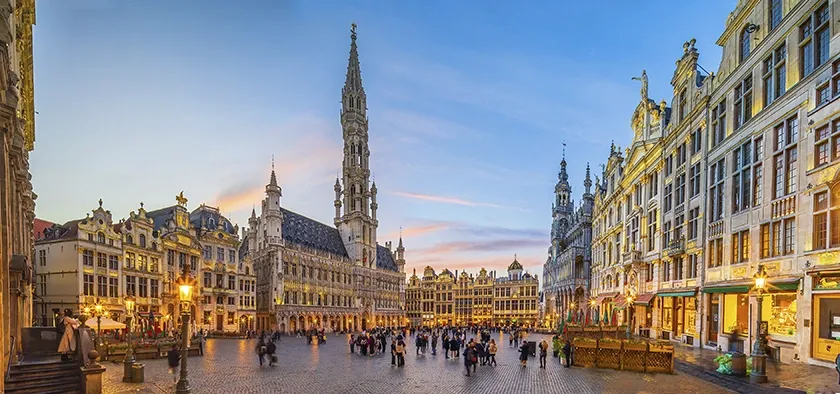
Nearby, on the Treurenberg hill, is the Cathedral of St. Michael and St. Gudula. Its two towers, which give it a very French air, and the stained glass windows in the transept, inspired by the drawings of Bernard Van Orley, are striking.
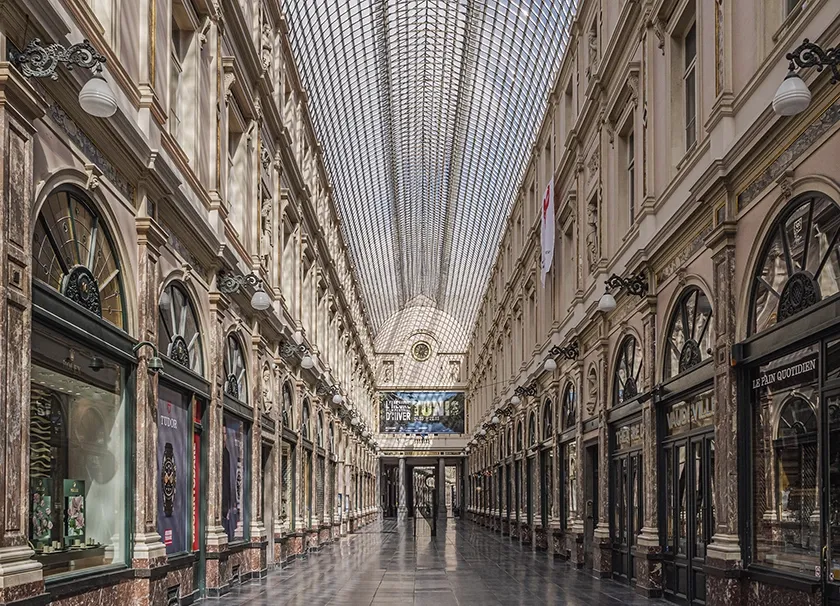
A dreamy wander through the streets of Brussels takes you to such incredible places as Anspach Boulevard, home to the majestic Brussels Stock Exchange building which, 150 years later, has reopened with cafés, exhibition centres and the Belgian Beer World museum, or the beautiful Galeries Saint-Hubert, one of the first covered shopping streets in Europe, where you can visit high-end chocolatiers, luxury boutiques, restaurants and cafés.
Heysel, a place of culture in the heart of nature
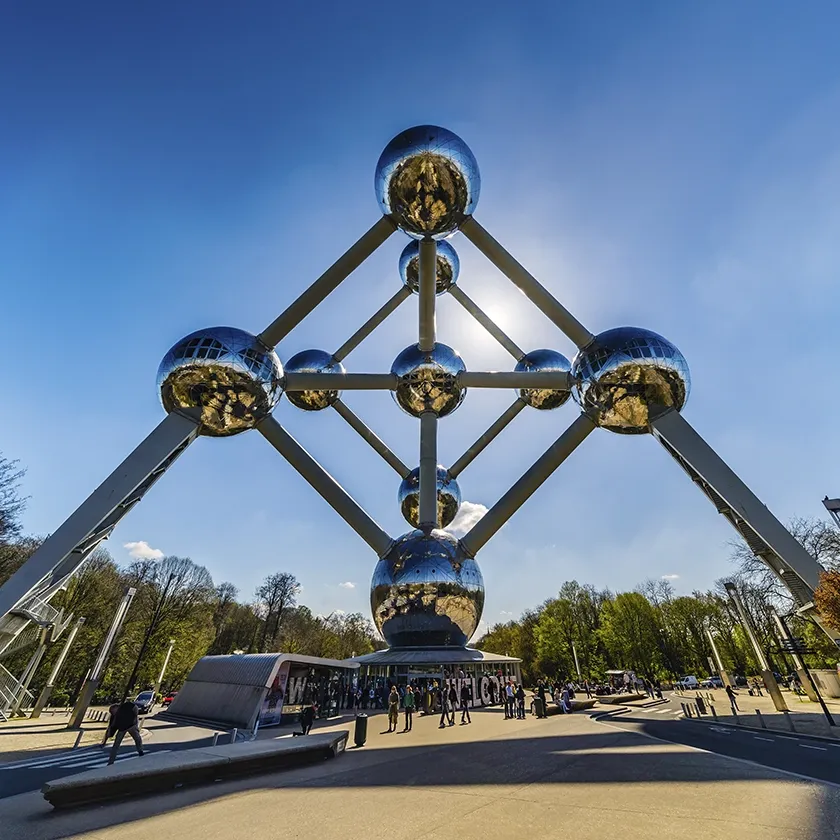
Situated close to the royal domains, this typical district is the choice of the people of Brussels for walks, entertainment and picnics. Heysel is home to another of the city’s symbols, the Atomium, an iconic monument consisting of nine spheres, some of which are used as exhibition halls. It was built for the Universal Exhibition held in the city in 1958 and it is impossible to resist the marvellous views of Brussels and the Atomium Resturant.
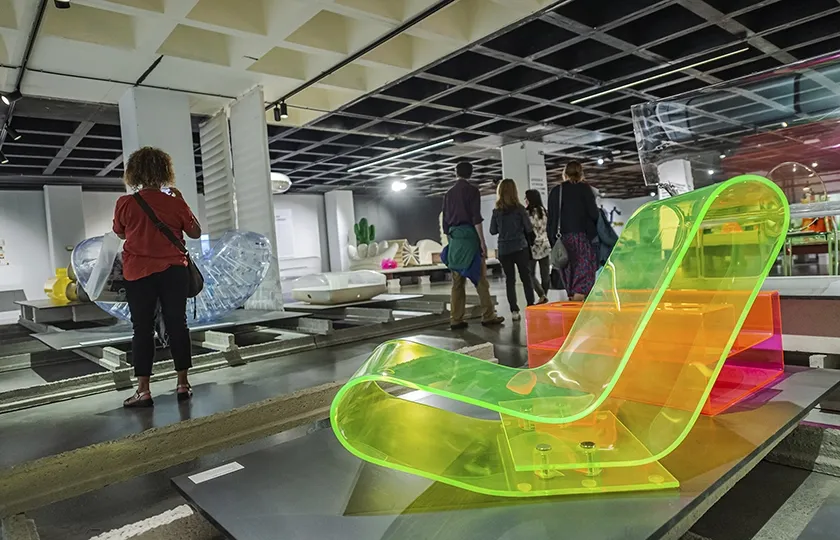
Design lovers must visit the Design Museum Brussels and the Belgisch Design Belge. Other pleasant surprises can be found in Mini-Europe, a park with 350 monuments from all over Europe on a scale, and in the Planetarium.
Promenade Verte is a circuit of more than sixty kilometres around the city that brings the visitor closer to the infinite gems of Brussels. This well signposted route is ideal for discovering Heysel’s green spaces such as Ossenghem Park, the Royal Greenhouses of Laeken, the Colonial Garden, Sobieski Park and the Stuyvenberg Flower Gardens.
You can’t leave Heysel without visiting the Laeken Cemetery, where different artistic currents are concentrated, from neoclassicism to expressionism and romanticism.
European Quarter, experiences at the heart of the European Union
The European Quarter of Brussels is home to most of the institutions of the European Union, numerous museums and fascinating Art Nouveau buildings.
The exhibition in the House of European History focuses on key moments in the history of Europe and the Parlamentarium shows how the European Union works. The Museum of Natural Sciences, the Autoworld with its incredible collection of cars, motorbikes and carriages, the Museum of Art and History and the Royal Museum of the Army and Military History are other must-see places.
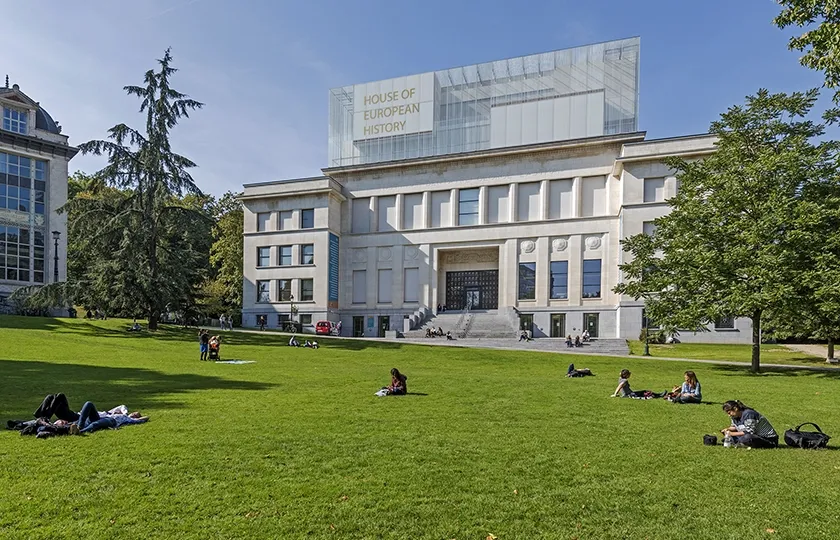
In the old Maelbeek river valley, neo-Renaissance, neo-Gothic and Art Nouveau houses intermingle with eclecticism to form the architectural richness of the Ambiorix, Marie-Louise and Marguerite squares. Buildings such as the Hotel van Eetvelde or the Maison Saint-Cyr are real gems.
The Thursday evening snack on the Place du Luxembourg is a great way to blend into the cosmopolitan atmosphere of the European Quarter. Brusellois and expats alike gather on one of the many terraces that line the streets of the neighbourhood to enjoy a refreshing beer or a delicious cocktail.
The Léopold Park, an English-style garden with Belgian and European institutions such as the Salvoy Library and the Louis Pasteur Institute, and the Cinquantenaire Park, a French-style garden complex and a historic site, are the perfect example of one of the city’s greenest neighbourhoods.
Art Nouveau and Surrealism
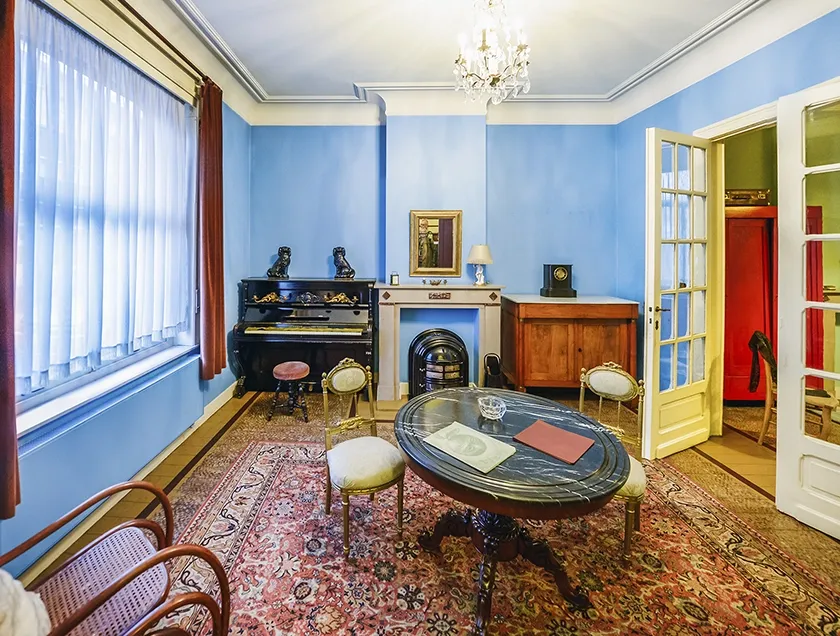
Art Nouveau emerged in Brussels in the 19th century and the architect Victor Horta was the great forerunner of this artistic current opposed to the previous academicism, influencing architecture, furniture, decorative objects, jewellery, painting, sculpture and literature.
In its streets and squares, buildings such as the Tassel House, the Hotel Solvay, the Van Eetvelde Hotel & LAB-An, which houses the Art Nouveau Interpretation Centre, and the Horta House, the architect’s home and studio, all of which have been declared World Heritage Sites by UNESCO, stand out.
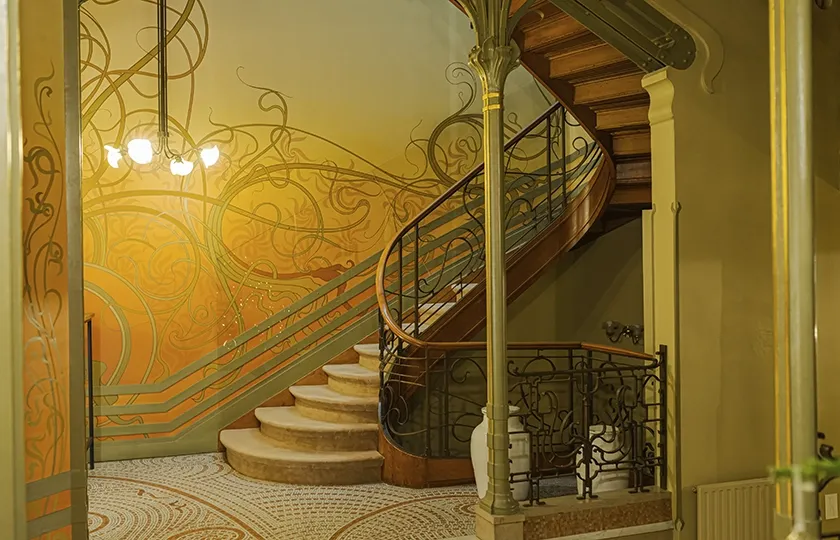
Other characteristic Art Nouveau buildings are the Hannon House, the Autrique House, the Hotel Max Hallet, the former Waucquez department store, the Cauchie House, the Musical Instruments Museum, the Museum of Art and History or the Wolfers Frères Shop – Museum of Art and History.
André Breton published the “Manifesto of Surrealism” in Paris in 1924, in which he gave a definition of this essential artistic movement of the avant-garde. Brussels soon became the birthplace of Belgian surrealism with the painters René Magritte and Jane Graverol and the poets Paul Nougé and Marcel Mariën leading the way.
A century later, Brussels pays a well-deserved tribute to this artistic movement with numerous exhibitions. “Imagine! 100 years of International Surrealism”, which can be visited at the Royal Museums of Fine Arts until 21 July and “Histoire de ne pas rire” (History of not laughing) at Bozar-Palais des Beaux-Arts in Brussels until 16 June, are among them.
With the exhibitions “James Ensor. Inspired by Brussels”, until 2 June at the Palais de Charles de Lorraine and “James Ensor. Master” until 26 June in Bozar commemorates the 75th anniversary of the death of James Ensor, painter, writer, composer and forerunner of the avant-garde movements of the early 20th century.
Shopping in the capital
In addition to the Royal Galleries Saint-Hubert, located in the historic centre, Brussels offers many other shopping opportunities, and they are affordable for all budgets. If you are looking for luxury, head to Waterloo Boulevard in the Louise district, where you will find prestigious Belgian designers, or to the fashionable boutiques in the Dansaert district. But if you’re on a tighter budget, you’ll find what you’re looking for on the Avenue de la Toison d’Or.
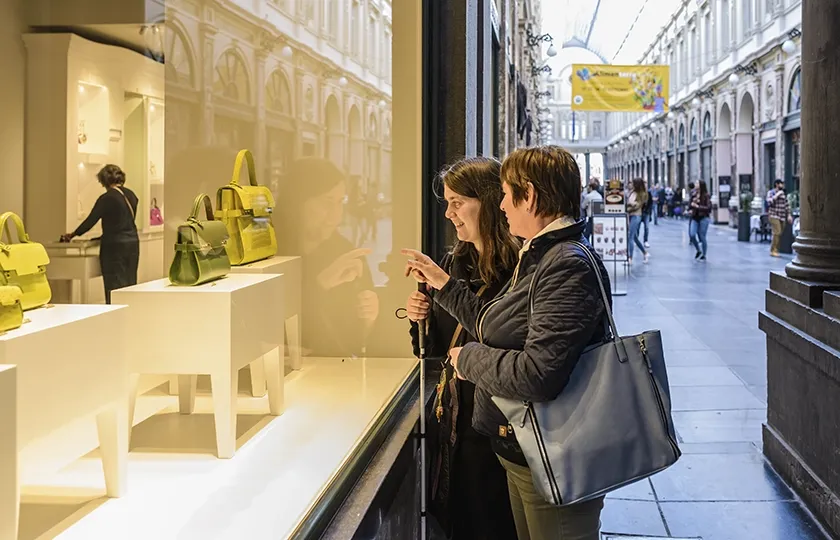
In the rue de Bailli, in the Bailli-Châtelain district, there are unique little shops, from young Belgian designers to ready-to-wear clothes. For lovers of vintage and slow fashion, the Dansaert and Les Marolles districts are the place to be. If toys are your thing, you can buy beautiful and timeless toys on Louise Avenue.
Other interesting shopping in Brussels’ neighbourhoods include floral pastries, original Brussels beers, artisan bread, books in the Flagey district and antiques in Les Marolles. And of course, the famous Belgian chocolates that have their temples in the narrow streets of the historic centre.
Coffees, gastronomic delights and more
There is another part of Brussels that must also be discovered and that can only be done by visiting its cafés and beer gardens, sampling national and international cuisine and enjoying its lively nightlife.
The best way to immerse yourself in Brussels’ culture is to visit its cafés. Some of the most interesting are to be found in the Canal, Bailli-Châutelan or in the historic centre. For the best beer, head to the historic centre, to Flagey or to Dansaert and Saint-Catherine.
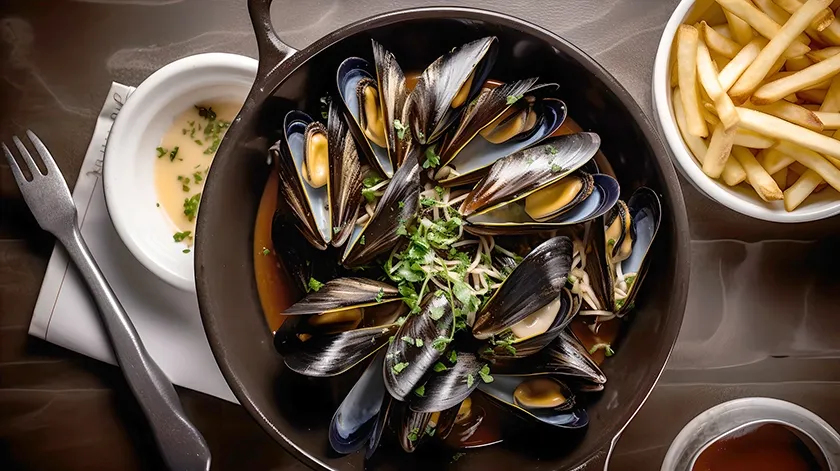
Gastronomy also plays a major role in Brussels. Strolling through the streets, you’ll find traditional restaurants in Saint-Gilles and the Canal; Brussels specialities and Vietnamese cuisine in Louise; Belgian cuisine and Middle Eastern flavours in Les Marolles; and vegetarian restaurants in the European Quarter. Also in the Canal, Estación Marítima hosts a huge food hall where you can taste the creations of ten Brussels chefs. Cuisine from other parts of the world is also present at Flagey: Asian street food, French and Japanese fusion cuisine or Syrian-Lebanese cuisine, and at Matongé and Saint-Boniface, Israeli gastronomy, to name but a few of the options that the capital puts on the table.
The Brussels nightlife invites you to enjoy its underground parties and underground clubs. You can opt for heritage sites that have become trendy bars and clubs in the Canal district, for emblematic venues that were once meeting places for Brussels artists, or where you can immerse yourself in the world of French chanson in the historic centre or for the best cocktails in the Flagey, Louise, Les Mallores, Dansaert and Saint-Catherine districts or in Bailli-Châtelain.
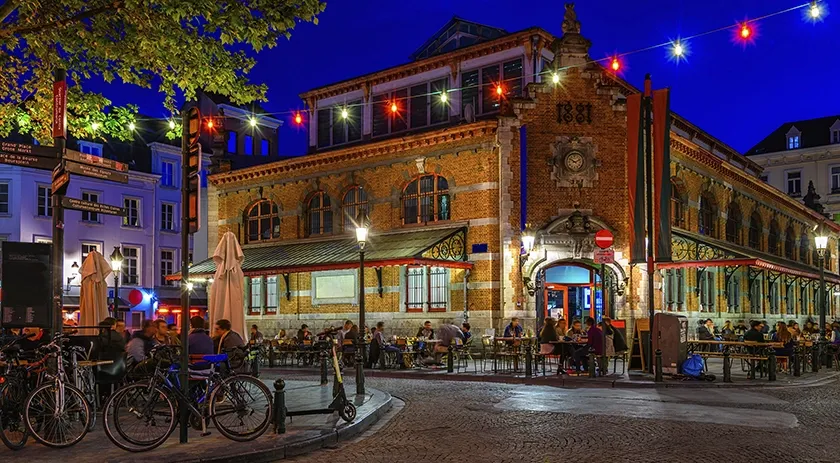
And if you are one of those who like to spend the night in the company of the best music, there is something for everyone. Blues and jazz or rhythms from all over the world in the Matongé and Saint-Boniface districts; the best DJs in Saint-Gilles, in the Royal Quarter and in Dansert and Saint-Catherine; the most legendary techno in Les Mallores and in Dansert and Saint-Catherine DJ sets and electro-rock mini-concerts.